The Ultimate Guide to When Your AC Unit Is Too Old to Repair on the Gulf Coast
.webp)
When Is an AC Unit Too Old to Repair on the Gulf Coast? Here's Your Quick Answer
Knowing when is an AC unit too old to repair on the Gulf Coast can save you from pouring money into a system that's already on its way out — or from replacing one that still has years of life left in it.
On the Gulf Coast, the answer comes sooner than most homeowners expect. Here's a fast reference to help you decide:
Your AC is likely too old to repair on the Gulf Coast if:
• It is 10 or more years old and needs a major component repaired (compressor, coil, or refrigerant system)
• The repair cost exceeds 50% of what a replacement would cost
• You multiply the system's age by the repair cost and the result is over $5,000 (the "$5,000 Rule")
• It still runs on R-22 refrigerant, which has been banned from production since 2020
• You've had two or more repairs in the past 18 months and the problems keep coming back
• Your energy bills have climbed noticeably over the past year or two with no other explanation
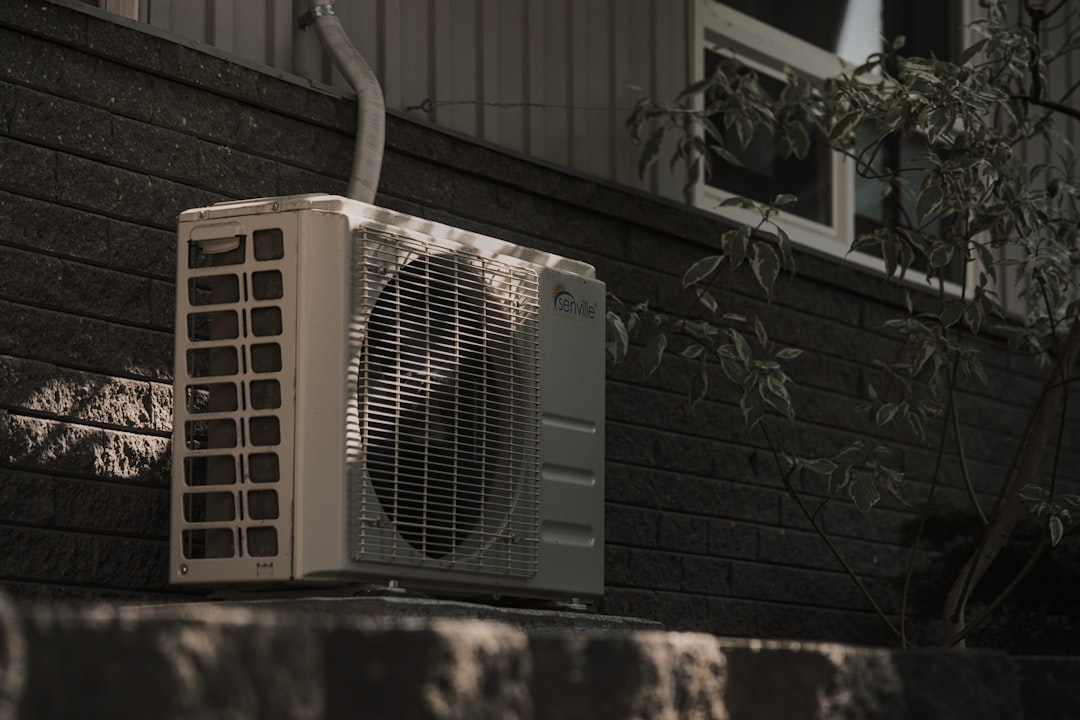
• You're seeing visible corrosion, rust, or coil damage on the outdoor unit
If one or more of those apply, read on — but if several apply at once, replacement is almost certainly the smarter call.
The Gulf Coast is one of the hardest environments for HVAC equipment anywhere in the country. Salt air, extreme humidity, and a cooling season that runs close to nine months a year work together to age an AC system far faster than the manufacturer's literature would suggest. While a well-maintained unit in a mild inland climate might run 15 to 20 years, that same unit sitting near the Louisiana or Alabama coast could be worn out in 8 to 12 years.
That gap matters a lot when you're weighing a repair quote. A system that looks middle-aged on paper may already be at end-of-life given what it's been through.
When is an ac unit too old to repair on the gulf coast helpful reading:
• average lifespan of a central air conditioner in a hot humid climate
• how long does ac last in south louisiana
• how maintenance extends ac life in south louisiana heat
The Reality of AC Lifespan on the Gulf Coast
When manufacturers design air conditioning systems, they typically test them under controlled, moderate conditions. In those ideal scenarios, a standard residential AC unit is expected to last anywhere from 15 to 20 years.
But as any homeowner in New Orleans, Metairie, or Kenner knows, our climate is anything but moderate.
In South Louisiana, our air conditioners do not get a winter break. They run for roughly nine months out of the year, often logging over 3,000 operational hours annually. When you combine this relentless workload with high humidity and salt-laden air traveling inland from the Gulf of Mexico, the mechanical strain is doubled.
According to regional data, the average lifespan of a central air conditioner in a hot humid climate drops significantly compared to national averages. While standard off-the-shelf equipment might push past 15 years in Ohio, it is often ready for retirement by year 8 to 12 along the Gulf Coast.
• Standard Central AC — Manufacturer Expected Lifespan: 15–20 Years — Actual Gulf Coast Lifespan: 8–12 Years
• Coastal-Grade Premium AC — Manufacturer Expected Lifespan: 15–20 Years — Actual Gulf Coast Lifespan: 12–15 Years
• Heat Pump Systems — Manufacturer Expected Lifespan: 15–20 Years — Actual Gulf Coast Lifespan: 10–12 Years
• Unmaintained Systems — Manufacturer Expected Lifespan: 10–12 Years — Actual Gulf Coast Lifespan: 5–8 Years
How Distance from the Water Affects Longevity
How close your home sits to major bodies of water—like Lake Pontchartrain in Mandeville and Slidell, or the Gulf itself—plays a massive role in determining when is an ac unit too old to repair on the gulf coast.
The "salt spray zone" typically extends about one mile from saltwater. Within this immediate zone, corrosive salt particles are constantly carried by the wind and deposited directly onto the outdoor condenser unit. This accelerates the degradation of copper tubing and aluminum fins, sometimes cutting the system's useful life down to just 7 to 10 years.
Even if you live slightly further inland in places like Hammond, Ponchatoula, or Covington, the high humidity still acts as a transport mechanism for moisture and trace corrosive elements. While you may not get direct salt spray, the persistent dampness keeps the metal components of your AC wet, accelerating rust and electrical wear compared to a dry, arid climate.
To explore more about how location impacts your system, check out this guide on AC Unit Lifespan on the Gulf Coast .
The 3-5-7 Year Coastal Corrosion Timeline
Salt air and high humidity cause a highly predictable pattern of decay in standard HVAC systems. Understanding this timeline can help you gauge where your system stands:
• Years 2–3 (Surface Rust): Mild oxidation begins appearing on the exterior cabinet screws, panel edges, and base pan. The system still operates perfectly, but the protective factory finish is starting to fail.
• Years 3–5 (Coil Fin Pitting): The thin aluminum fins on your outdoor coil begin to pit and corrode. This is known as galvanic corrosion, caused by the contact of dissimilar metals (aluminum fins and copper tubes) in a damp, salty environment. Heat transfer efficiency begins to drop.
• Years 5–7 (Cabinet Rust-Through & Formicary Corrosion): Heavy rust eats through the metal cabinet. More critically, formicary corrosion—tiny, microscopic tunnels caused by organic acids reacting with copper in the presence of moisture—begins creating pinhole refrigerant leaks in the coils.
• Years 7–10 (Component Failure): The combination of reduced efficiency, slow refrigerant leaks, and electrical components corroding inside the control box leads to major component failures, most notably the compressor.
When Is an AC Unit Too Old to Repair on the Gulf Coast?
Determining exactly when is an ac unit too old to repair on the gulf coast is a balance of age, performance, and physical condition. Once a system crosses the 10-year mark in South Louisiana, its internal components have endured a decade of extreme heat and humidity.
If your system is over a decade old, putting money into major repairs is often like trying to patch a leaky bucket. To help you evaluate whether a system in places like New Orleans, Gretna, or Marrero is worth saving, read our deep dive on Is a 12 to 15 Year Old AC Worth Fixing in the Greater New Orleans Area.
Warning Signs Your System Is Reaching End-of-Life
If your air conditioner is struggling, it will usually let you know before it fails completely. Keep an eye out for these classic warning signs:
• Inconsistent Temperatures: Some rooms remain stiflingly hot while others are freezing, indicating the system can no longer distribute air effectively.
• Weak Airflow: Even with a clean filter, the air coming out of your vents feels like a gentle whisper rather than a strong breeze.
• Strange Noises: Grinding, squealing, or loud rattling noises indicate that the blower motor, fan, or compressor is reaching mechanical failure.
• High Indoor Humidity: A properly functioning AC should act as a dehumidifier. If your home in Luling or Destrehan feels sticky and humid even when the AC is running, the system is losing its capacity to remove moisture.
For a comprehensive checklist of these red flags, refer to this resource on Major Signs It's Time To Replace Your Old AC .
Signs of Compressor Failure in Coastal Climates
The compressor is the heart of your air conditioning system. Because of the heavy load placed on coastal systems, compressors are highly susceptible to premature failure. Key symptoms include:
• Hard Starting: The outdoor unit shudders, hums loudly, or trips the circuit breaker when trying to turn on.
• Short Cycling: The system turns on and off rapidly without ever completing a full cooling cycle.
• Compressor Burnout: Acid buildup in the refrigerant lines, often caused by moisture intrusion or persistent leaks, physically destroys the compressor's motor windings.
If you suspect your compressor is on its last legs, review our guide on Signs Your AC Compressor Is Going Bad in a Gulf Coast Climate.
The Financial Decision Framework: Repair vs. Replace
When faced with a broken air conditioner, you don't have to rely on guesswork. We recommend using two simple financial rules to make a logical, data-driven decision.
1. The 50% Rule: If the cost of a single repair exceeds 50% of the cost of a brand-new system, you should almost always replace it.
2. The Age-to-Repair Formula (The $5,000 Rule): Multiply the age of your system by the repair estimate. If the resulting number is greater than $5,000, replacement is the more economical long-term choice. If it is lower, a repair may still make sense.
For example, if you have a 12-year-old system in Harvey or Terrytown that needs a repair, multiplying 12 by the repair cost gives you a figure well over the threshold, signaling that replacement is the wiser investment.
To help you run these numbers for your own home, consult our AC Repair vs Replace Decision Guide and read about how to apply these rules locally in Should I Repair or Replace My Air Conditioner in South Louisiana.
The Impact of Outdated Refrigerants on Repair Decisions
The type of refrigerant your system uses is a major factor in determining when is an ac unit too old to repair on the gulf coast.
• R-22 (Freon): Banned from production and import in 2020. If your system was installed before 2010, it likely uses R-22. Because the supply is extremely scarce, recharging an R-22 system after a leak is incredibly expensive. If an R-22 system leaks, it is officially too old to repair.
• R-410A (Puron): While R-410A replaced R-22, it is currently undergoing a multi-year environmental phasedown.
• R-454B Transition: As of 2026, all newly manufactured residential AC systems are transition-ready, utilizing highly efficient, environmentally friendly refrigerants like R-454B.
Investing money into older, phased-out refrigerant platforms is a losing battle as parts and chemical supplies continue to shrink.
How Energy Savings Offset the Cost of a New Unit
Older systems typically operate at much lower efficiency levels. Over ten years of hard labor in South Louisiana, a system's efficiency can drop by 20% to 30% due to coil corrosion and mechanical wear.
Upgrading to a modern system compliant with current SEER2 (Seasonal Energy Efficiency Ratio) standards can dramatically lower your monthly utility bills. A new, high-efficiency system can reduce the cooling portion of your electric bill by 30% to 50%, helping to offset the cost of the replacement over time.
To see how the math works out for local utility rates, read How Energy Savings from a New AC Offset Replacement in Louisiana.
Proactive Strategies to Extend Coastal AC Lifespan
While the Gulf Coast climate is harsh, you aren't completely helpless. There are several highly effective habits that can add years to your system's life.
The single most effective habit for a coastal homeowner is monthly coil rinsing. During the peak cooling season, use a standard garden hose—never a pressure washer, which will flatten the delicate aluminum fins—to gently rinse salt, sand, and dirt off the outdoor condenser coil. This prevents salt from sitting on the metal and eating away at the copper and aluminum.
Additionally, maintain at least 24 inches of clear space around your outdoor unit. Cut back any plants, shrubs, or weeds that could restrict airflow and force the system to run hotter and harder.
For more practical tips on keeping your system running longer, watch this helpful video: STOP Replacing Your AC Unit TOO Soon!!! 2025 - YouTube .
The Role of Professional Maintenance in South Louisiana
While homeowner care is vital, professional maintenance is non-negotiable if you want your system to survive the local heat. Professional bi-annual tune-ups should include:
• Clearing the condensate drain line to prevent water damage and mold growth.
• Checking electrical connections and monitoring capacitors to prevent sudden compressor damage.
• Verifying refrigerant levels to catch slow, corrosive formicary leaks early.
Discover how regular care keeps your system alive by reading How Maintenance Extends AC Life in South Louisiana Heat.
Upgrading to Coastal-Grade Equipment
If you live close to the water in areas like Slidell, Westwego, or near the lakefront in Bucktown, standard HVAC equipment is bound to struggle. When it does come time to replace your system, look for coastal-grade equipment features:
• E-Coated Coils: Coils pre-treated with an epoxy coating (like Phenolic or acrylic coatings) resist salt-air corrosion and can add 3 to 5 years of life to your coils.
• Stainless Steel Hardware: Prevents the cabinet screws and panels from rusting shut.
• Sealed Electrical Boxes: Protects sensitive controls from salt air and moisture intrusion.
Frequently Asked Questions About Coastal AC Lifespan
How do I know when is an ac unit too old to repair on the gulf coast?
An AC unit is generally too old to repair if it is over 10 years old and requires a major repair (such as a compressor replacement or coil replacement), uses phased-out R-22 refrigerant, has a history of frequent breakdowns, or is severely corroded by salt air.
What environmental factors decide when is an ac unit too old to repair on the gulf coast?
The primary factors are salt-air corrosion, which physically destroys aluminum fins and copper tubing, and extreme humidity, which forces the system to run for thousands of hours every year, accelerating mechanical wear.
Is it worth repairing a ten-year-old AC unit?
It depends on the repair. A simple fix like a capacitor, contactor, or clogged drain line is absolutely worth repairing. However, if a ten-year-old system has a failed compressor or a leaking evaporator coil, the cost of the repair combined with the unit's age makes replacement the smarter financial move.
Conclusion
Deciding when is an ac unit too old to repair on the gulf coast doesn't have to be a stressful or confusing process. By looking at your system's age, its physical exposure to salt air, and running the numbers through the 50% and $5,000 rules, the right path forward usually becomes very clear.
At Cypress Cooling Company, our approach is built entirely around educating and guiding you. We don't believe in high-pressure sales tactics. Whether you live in Algiers, Metairie, Covington, or anywhere else across South Louisiana, our goal is to give you the honest facts so you can make the best choice for your home, your comfort, and your budget.
If you are trying to decide whether to patch up your aging air conditioner or start fresh with a highly efficient, coastal-grade system, we are here to help. Schedule professional AC services with our friendly team today for a clear, honest assessment of your home's cooling system.
OUR CLIENTS HAVE TO SAY ABOUT US



Service areas
Our service areas are designed to meet the diverse needs of our clients. We focus on providing exceptional service and ensuring customer satisfaction in every location we operate.