Air Purification in Metairie, LA
.webp)
Cypress Cooling is dedicated to helping Metairie homeowners breathe easier. We offer a variety of air purification options designed to reduce particulates, VOCs, and odors. These include whole home media filtration, in duct HEPA filters, portable HEPA units, electronic air cleaners, UV germicidal irradiation, APCO X systems, and activated carbon filters. This guide outlines common indoor air quality challenges, installation considerations, maintenance schedules, and performance expectations, so you can experience improved allergy relief, healthier indoor air, and fewer odors. We'll help you decide between whole home and point of use solutions, ensure HVAC compatibility, and provide practical tips to maintain optimal air quality year round.
.webp)
Air Purification in Metairie, LA
Clean indoor air is essential in Metairie homes where warm, humid conditions, seasonal pollen, coastal salt, and occasional mold after storms increase airborne particles, allergens, odors, and VOCs. Whether you are managing year-round allergy symptoms, reducing dust and pet dander, or cutting odors and chemical fumes from home projects, selecting the right whole‑home or point‑of‑use air purification system makes a measurable difference in comfort and health.
Common indoor air challenges in Metairie, LA
- High humidity that promotes mold and dust mite activity.
- Seasonal tree and grass pollen that aggravates allergies.
- VOCs from renovation work, paint, cleaning products, and storm-related repairs.
- Coastal salt and fine particulates that accelerate HVAC fouling.
- Cooking and pet odors trapped in tightly sealed homes.
Air purification options explained
This section covers the most common technologies available to Metairie homeowners, how each reduces particulates, VOCs, and odors, and where each fits in a home.
- Whole‑home media filtration (high MERV ratings)
- Uses dense pleated filters installed in the HVAC return or a dedicated cabinet. High MERV filters capture large and many small particles such as pollen, dust mite debris, and pet dander.
- Typical capability: higher MERV ratings remove a greater share of particles down into the PM2.5 range. These systems run with the central HVAC and treat air for the whole house.
- In‑duct HEPA (whole‑home HEPA)
- True HEPA captures 99.97 percent of particles at 0.3 microns. In‑duct HEPA systems are either integrated with specialized housings or use a dedicated blower because HEPA media adds airflow resistance.
- Best for homes with severe allergy or respiratory concerns where whole‑home high efficiency capture is required.
- Point‑of‑use HEPA units (portable room purifiers)
- Portable HEPA units are effective at removing particulates in a specific room and are rated by clean air delivery rate (CADR). Good for bedrooms, home offices, or living areas.
- They do not treat whole‑house air and work best when sized for the room and run continuously during occupancy.
- Electronic air cleaners (electrostatic precipitators)
- Charge particles and collect them on plates. They can be effective at removing fine particles and are often installed in‑duct.
- Require periodic cleaning of collection cells. Some older or poorly designed units may generate low levels of ozone; modern units minimize this risk.
- UV germicidal irradiation
- Uses ultraviolet light to inactivate bacteria, viruses, and mold spores on coils and in moving air. UV is effective at controlling biological growth on HVAC surfaces and reducing microbial load in the airstream.
- UV does not remove particulates or VOCs and is best used in combination with filtration.
- APCO X and photocatalytic/activated carbon systems
- APCO X style whole‑home systems combine catalytic oxidation with adsorbent carbon and often UV to reduce VOCs and odors at their molecular level while a prefilter handles particulates.
- These systems are optimized for odor and VOC control—useful in homes with renovation odors, chemical smells, or continuous low‑level VOC sources.
Installing and integrating with existing HVAC
- Whole‑home filters and APCO style systems are usually installed in the return plenum, filter cabinet, or a dedicated retrofit housing. Proper placement ensures every cubic foot of conditioned air passes through the media.
- In‑duct HEPA often needs a dedicated housing or booster fan to maintain HVAC airflow because HEPA media is dense and increases static pressure.
- Electronic cleaners and UV lamps are typically mounted near the evaporator coil or in the return duct to protect equipment and treat circulated air.
- Portable HEPA units require only power and correct sizing for room volume; placement away from obstructions and near pollutant sources improves performance.
- Any addition changes static pressure and airflow. Have system compatibility and blower capacity assessed before installing high efficiency media or HEPA to avoid reducing HVAC performance.
Maintenance and filter replacement
Regular maintenance is critical to keep purification systems effective and to protect HVAC equipment.
- Pleated whole‑home filters: check every 1 to 3 months in humid or dusty conditions. Replace based on soiling and manufacturer guidance; typical intervals are 3 to 12 months.
- High MERV and HEPA media: replacement intervals depend on load and run time; expect inspection annually and replacement as needed to avoid excessive pressure drop.
- Portable HEPA filters: replace HEPA cartridges generally every 6 to 12 months depending on use and pollutant load.
- Electronic air cleaners: clean collection cells every 1 to 3 months. Follow manufacturer safety steps.
- UV lamps: most UV lamp systems require bulb replacement annually or as specified to maintain germicidal output.
- APCO/photocatalytic cells and carbon stages: monitor performance and replace adsorbent/cells on the manufacturer schedule; many systems include indicator lights or annual service checks.
Performance expectations
- HEPA filtration provides immediate particle capture; portable HEPA units can reduce airborne particulate counts in a single room within hours.
- Whole‑home high efficiency filtration reduces dust load across the entire living space and helps protect HVAC coils and ductwork from soiling.
- VOC and odor reduction from catalytic or activated carbon systems can be noticeable within days, but persistent sources may require prolonged treatment and source control.
- UV reduces viable microbes on coils and in passing air but does not remove particles or VOCs, so pairing with media filtration is common.
- Realistic outcomes include lower dust accumulation, reduced visible mold spores in settled dust, measurable drops in symptom triggers for allergy sufferers, and fewer persistent odors.
Health and allergy benefits for Metairie homes
- Reducing pollen, mold spores, and dust mites cuts common triggers for allergic rhinitis and asthma, which is especially valuable during Gulf Coast pollen seasons.
- Lowering VOC exposure supports respiratory comfort and reduces irritation from paints, cleaners, and construction materials—common after storm repairs or renovations.
- Cleaner air improves sleep quality and reduces the frequency of short-term respiratory symptoms in sensitive household members.
Choosing the right solution for your home
Consider these practical points when comparing options:
- Whole‑home vs point‑of‑use: choose whole‑home for consistent, housewide improvements; choose portable units for targeted treatment or supplemental protection in high‑use rooms.
- Allergies and asthma: in‑duct HEPA or high MERV whole‑home setups are best for sustained particulate reduction.
- Odors and VOCs: include carbon/photocatalytic stages such as APCO style systems to address gases and smells.
- HVAC compatibility and energy impact: high efficiency media and HEPA can increase static pressure. Confirm blower capacity and expected run time with a qualified technician.
- Maintenance willingness: simpler filter swaps favor media and portable HEPA; electronic systems require plate cleaning and UV needs lamp replacement.
Ongoing home air care tips
- Control humidity below 50 percent to reduce mold and dust mite growth.
- Use source control: ventilate during and after painting or renovations and choose low VOC products where possible.
- Maintain HVAC: scheduled coil cleaning, duct checks, and filter changes keep purification systems working as designed.
- For multi-technology approaches, pair filtration (media or HEPA) with VOC control or UV to cover particulates, gases, and microbes.
Selecting the right air purification plan for a Metairie home hinges on identifying priorities—particulate removal, VOC reduction, or microbial control—balanced with HVAC compatibility and maintenance preferences. Properly specified and maintained systems deliver clear air quality improvements, reduce allergy and asthma triggers, and help homes feel fresher and healthier year round.
OUR CLIENTS HAVE TO SAY ABOUT US



Service areas
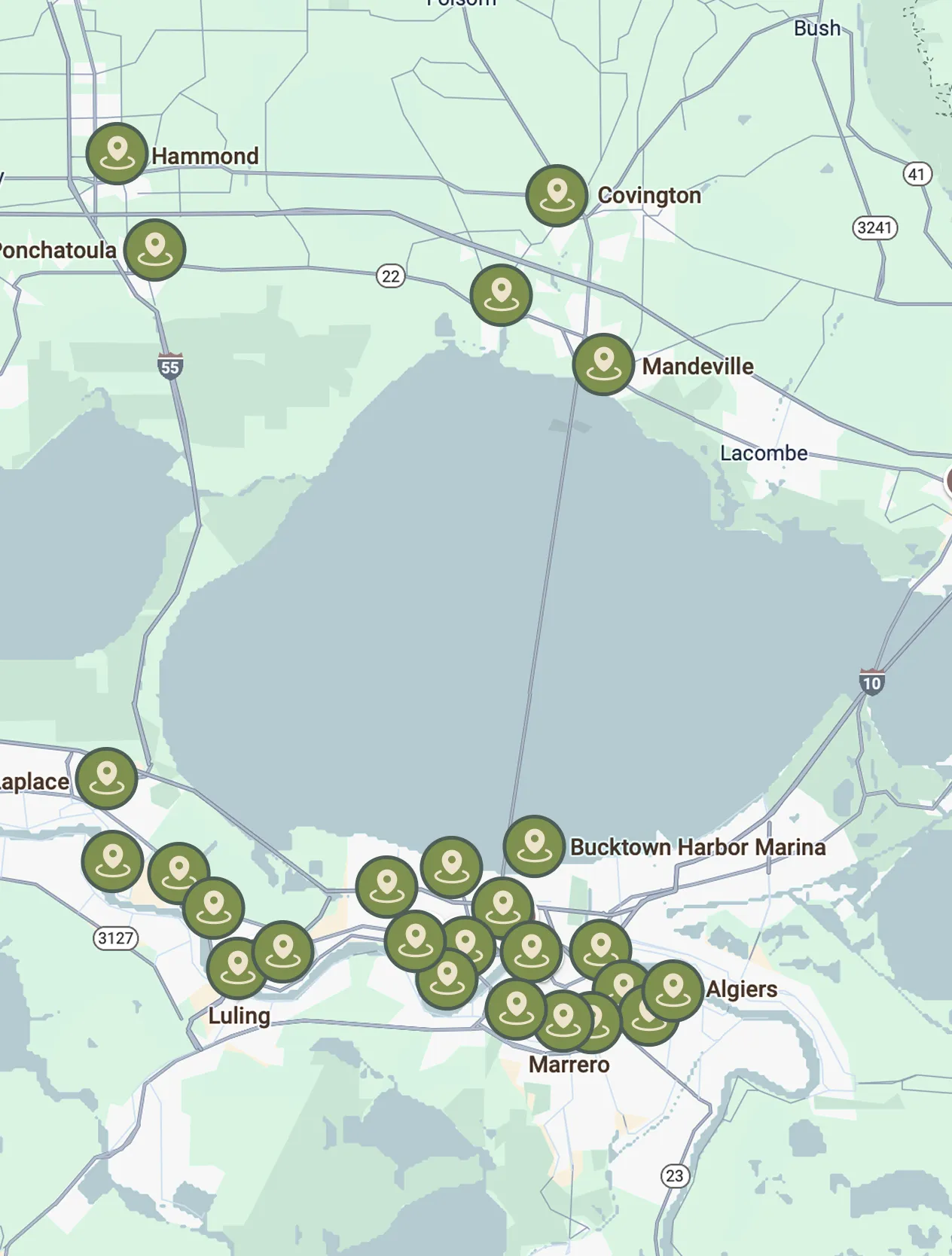
Our service areas are designed to meet the diverse needs of our clients. We focus on providing exceptional service and ensuring customer satisfaction in every location we operate.