UV Light in Metairie, LA
.webp)
For Metairie homeowners seeking a discreet solution to improve air quality, Cypress Cooling offers UVC air sanitation. This technology reduces microbial growth on coils and in ductwork, improving system efficiency and controlling odors, which is especially important during our hot, humid Louisiana summers. We offer both coilmounted and induct UV installations. Cypress Cooling will explain how UVC damages microbes, walk you through the installation steps, and provide a maintenance schedule. We'll also cover safety considerations, compatibility with your existing equipment (including Amana and Goodman), and cost/warranty information. With proper specification, professional installation by Cypress Cooling, and regular lamp replacement, you can sustain indoor air quality and energy performance while minimizing health risks.
.webp)
UV Light in Metairie, LA
UV‑C air sanitation systems for HVAC units are an effective, low‑profile way to reduce microbial growth on coils and in the airflow of homes in Metairie, LA. With the region’s hot, humid summers and frequent moisture in attics and duct runs, evaporator coils and drain pans are prone to mold and bacterial buildup. Properly installed in‑duct or coil‑mounted UV lights help protect system performance, cut persistent odors, and reduce allergy triggers by targeting microbes that ordinary filtration cannot eliminate.
Common UV‑C air sanitation issues in Metairie homes
Homeowners in Metairie commonly face:
- Recurring musty or mildew odors from the air handler or vents, especially after periods of high humidity.
- Reduced cooling capacity and higher energy use caused by biofilm buildup on evaporator coils.
- Increased allergy symptoms and respiratory irritation linked to mold spores and bacteria circulating through ductwork.
- Frequent drain clogs from organic growth in the condensation pan and drain lines.
A UV‑C system addresses these problems by limiting the biological growth that causes odors, clogs, and reduced heat‑exchange efficiency.
Types of UV installations and where they work best
There are two primary UV‑C approaches for residential HVAC systems:
- Coil‑mounted UV: Installed inside the air handler near the evaporator coil and drain pan to continuously irradiate the coil surface and slow biofilm formation. Best when the priority is maintaining coil efficiency and preventing drain pan issues.
- In‑duct UV: Mounted in the supply or return duct to irradiate moving air and reduce microbial load across the duct run. This option helps reduce airborne microbes and odors that circulate through the house.
Many homeowners benefit from a combination: a coil‑mounted lamp to keep the coil clean and an in‑duct lamp to reduce airborne contaminants.
How UV‑C systems work (simple explanation)
UV‑C light at germicidal wavelengths (commonly around 254 nm) damages the DNA and RNA of bacteria, mold, and some viruses, preventing reproduction and reducing active populations. UV lamps are positioned to maximize exposure to the coil surface or airflow. For coil protection, continuous low‑level irradiation prevents the sticky biofilm that traps dust and reduces heat transfer. For air sanitation, in‑duct units expose moving air to a brief but effective dose of UV‑C to lower viable microbe counts passing into living spaces.
Installation process—what to expect
Typical installation steps include:
- Inspecting the air handler, duct layout, and available mounting locations to determine lamp type and orientation.
- Mounting the lamp(s) and any reflector or quartz sleeve assemblies so they illuminate the target surface or duct cross section.
- Making electrical connections to the HVAC power or a dedicated circuit, with proper ballast or driver installation.
- Sealing access panels and adding safety interlocks or warning labels where required.
- Testing lamp operation and verifying coverage and ballast function.
Installers balance lamp location, line of sight to the coil or duct, and electrical safety to achieve effective, code‑compliant results.
Lamp replacement schedule and routine maintenance
To maintain germicidal output:
- Lamp replacement: Most low‑pressure UV‑C lamps lose effective output after about 9–12 months and are typically replaced annually. Some systems and higher‑output lamps may specify different intervals—follow the manufacturer’s guidance.
- Quarterly or semiannual checks: Inspect lamp operation indicator lights, clean quartz sleeves or reflectors if dust accumulates, and check for water damage or corrosion around the fixture.
- Ballast/driver inspection: Ballasts and power drivers generally last several years; replace if flickering, dimming, or failure occurs.
- Duct and coil checks: Even with UV‑C, periodic coil cleaning may still be needed for heavily soiled systems. UV reduces the rate of recontamination but does not replace all mechanical cleaning in neglected systems.
Keeping a maintenance record ensures consistent performance—especially important in Metairie where humidity accelerates microbial regrowth.
Safety considerations
UV‑C light can damage skin and eyes with direct exposure. Safe practices include:
- Installing lamps inside housings or ductwork where direct human exposure is prevented.
- Using interlocks or labels on access panels so power is cut when the cabinet is opened.
- Avoiding ozone‑producing lamps; choose low‑ozone or ozone‑free UV‑C sources (most modern germicidal lamps operate at 254 nm and produce negligible ozone).
- Ensuring qualified technicians perform electrical connections and lamp replacements to reduce exposure risk.
Properly installed systems pose little risk to occupants while providing continuous sanitation benefits.
Compatibility with Amana and Goodman systems
Most residential Amana and Goodman furnaces and air handlers have cabinet and plenum configurations that accept standard coil‑mounted or in‑duct UV fixtures. Common compatibility points include:
- Standard evaporator coil access doors and drain pan locations suitable for coil‑mounted lamp brackets.
- Plenum or duct sections that allow in‑duct lamp mounting with clearance for a slate of airflow.
- Electrical supply within or near the air handler to power UV ballasts or drivers.
Always verify the specific model number and cabinet dimensions; an inspection ensures correct lamp size, mounting hardware, and electrical integration without interfering with warranties or service panels.
Typical costs and warranty information
Costs vary based on system type, number of lamps, required electrical work, and accessibility. Factors that influence investment include:
- Coil‑mounted versus in‑duct configuration and whether retrofits require custom mounting or duct modifications.
- Number of lamps needed to achieve adequate coverage for larger systems or multi‑zone ducting.
- Labor complexity when access is limited or additional wiring is required.
Warranty coverage commonly includes a limited parts warranty on lamps and system components and separate warranty periods for ballasts or driver electronics. Lamp manufacturers often provide a shorter warranty on bulbs (e.g., around a year) while fixtures and electronics may carry longer coverage. Confirm manufacturer warranty terms and keep installation records for any potential warranty claims.
FAQs — quick answers for Metairie homeowners
- Will UV‑C stop all allergens? UV‑C reduces viable biological contaminants (mold, bacteria) but does not remove dust or pollen. Combine UV with good filtration (MERV‑rated filters) for broader allergy relief.
- How soon will I notice an improvement? Odor and microbial reduction can be noticeable within days to weeks. Coil performance improvements show as more stable cooling and reduced icing over time.
- Are there health risks from UV‑C in the HVAC system? When installed correctly inside the cabinet or duct, occupants are not directly exposed and risks are minimal. Lamps should not be replaced by untrained persons without power isolation.
- Do modern LED UV options exist? Yes, UV‑C LEDs are emerging with different lifespans and output characteristics; they may offer installation flexibility but currently have different cost and performance tradeoffs compared with traditional low‑pressure lamps.
- Is UV‑C worth it in Metairie? Given the local humidity and frequent microbial growth in HVAC systems, many Metairie homes see clear benefits in odor reduction, fewer drain issues, and improved coil cleanliness when UV‑C is properly specified and maintained.
Final notes on benefits and maintenance
UV‑C air sanitation is a targeted, proven approach to reduce microbial growth where humid Louisiana conditions make coils and ducts vulnerable. The best outcomes come from correctly sized systems, professional installation, annual lamp replacement, and combining UV with appropriate filtration and routine HVAC service. Regular maintenance and attention to safety keep UV systems performing effectively for the long term, preserving indoor air quality and system efficiency in Metairie homes.
OUR CLIENTS HAVE TO SAY ABOUT US



Service areas
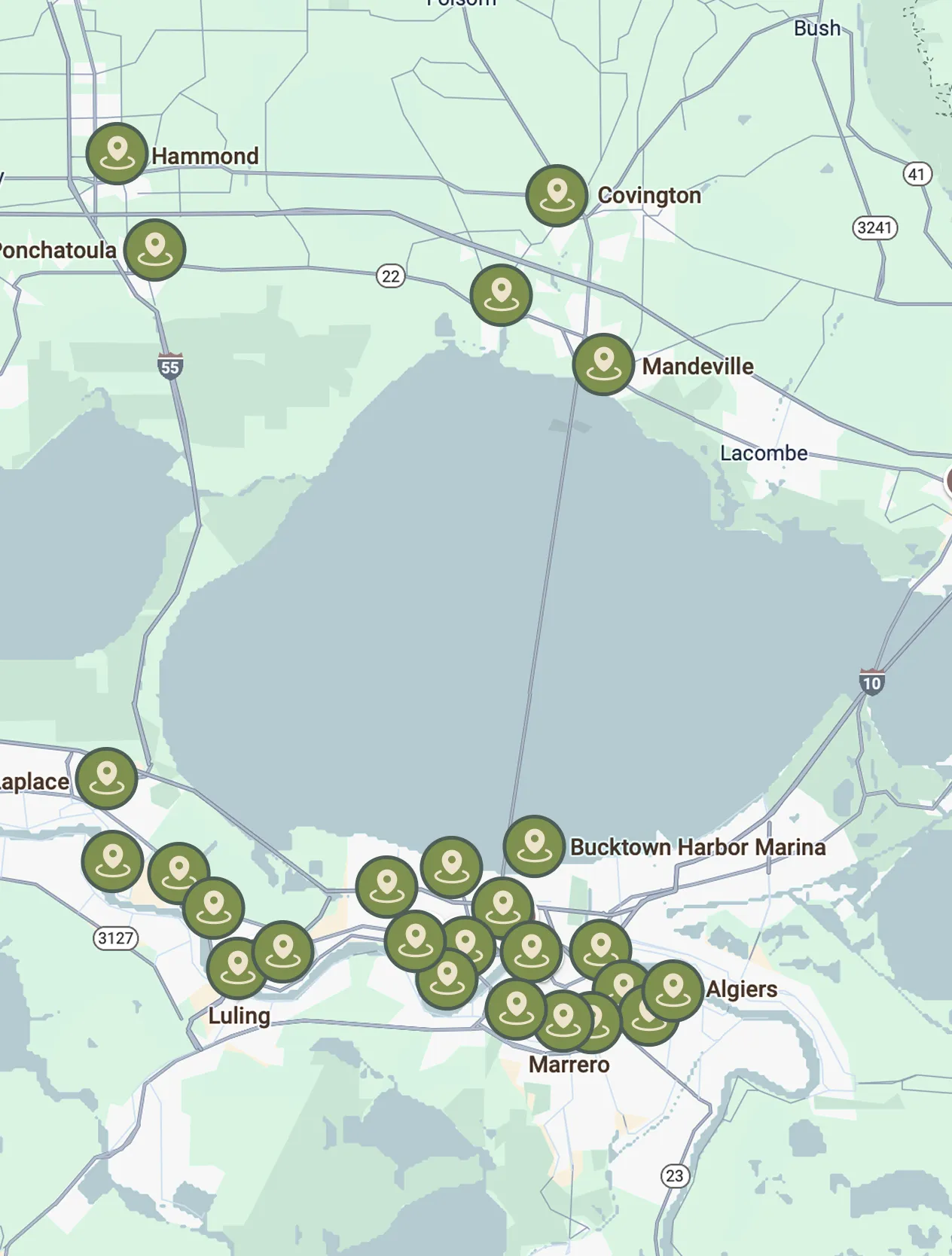
Our service areas are designed to meet the diverse needs of our clients. We focus on providing exceptional service and ensuring customer satisfaction in every location we operate.