AC Replacement in Metairie, LA
.webp)
Is your Metairie, LA home suffering from an inefficient or failing air conditioning system? Are you battling soaring energy bills, poor humidity control, or frequent breakdowns during the Gulf Coast’s intense heat and humidity? Don’t let discomfort take over your home. Cypress Cooling offers expert AC replacement services designed specifically for Metairie’s unique climate challenges. We start with precise load calculations to ensure your new system is perfectly sized, select energy-efficient, corrosion-resistant units with optimal SEER ratings, and provide professional installation including any necessary ductwork and electrical upgrades. Our transparent timelines and comprehensive warranties guarantee you know exactly what to expect. Ready to restore comfort and lower your energy costs? Contact Cypress Cooling today for a reliable, tailored cooling solution that meets your home’s needs.
Get Your Free Consultation Now
Take the first step toward a cooler, more comfortable home with a free consultation from Cypress Cooling. Our experts will assess your current system and recommend the best replacement options to fit your budget and lifestyle.
%20(1).avif)
Ready to Upgrade Your AC System?
Experience cooler, more comfortable living with a properly sized, energy-efficient air conditioning system built for Metairie’s climate. Let Cypress Cooling handle your AC replacement from start to finish.
Air Conditioning Replacement in Metairie, LA
Replacing an aging or failing air conditioning system is one of the most effective ways to restore comfort, lower utility bills, and improve indoor air quality in Metairie, LA homes. With Gulf Coast heat, high humidity, and frequent summer peaks, a properly sized, energy-efficient system is essential. This page explains full system replacement services including home load assessments, equipment selection with SEER considerations, installation steps, duct and electrical concerns, timelines, warranties, testing, and realistic energy savings projections tailored to Metairie conditions.
Why Replace Your Air Conditioning System in Metairie, LA
- Persistent humidity and high cooling demand mean older or undersized systems struggle to maintain comfort and control moisture.
- Many local homes still use systems near or past the typical 12 to 15 year life span, increasing the risk of breakdowns during peak heat.
- The phase-out of R-22 refrigerant has raised repair costs for older units. Replacement can avoid ongoing costly repairs.
- Salt air and hurricane season increase corrosion and damage risk to outdoor condensers, so modern equipment with coastal coatings or protective options is often advisable.
Common Air Conditioning Replacement Issues in Metairie, LA
- Undersized equipment that runs continuously and never reaches setpoint.
- Oversized units that short-cycle, causing uneven humidity control and higher wear.
- Leaky or poorly insulated ductwork, especially in older slab or attic spaces.
- Electrical panels or breakers that do not meet current load requirements for newer high-efficiency units.
- Corrosion of outdoor units from coastal salt air or damage from storm debris.
- Obsolete refrigerants (R-22) and the difficulty or cost of topping up old systems.
Home Load Assessments and How They Guide Replacement
A proper replacement begins with a professional home load assessment, not a rule-of-thumb estimate. Key elements:
- Manual J load calculation to determine the correct cooling capacity based on square footage, insulation levels, orientation, window types, and occupancy.
- Manual D evaluation for duct sizing and layout when ductwork is being replaced or altered.
- Inspection of attic insulation, air sealing, and window shading which affect load and system choice.
- Assessment of existing electrical capacity and panel condition.
Accurate load calculations prevent oversizing or undersizing, improving comfort, humidity control, efficiency, and equipment longevity.
Equipment Selection: SEER Ratings and Energy-Efficient Models
- SEER (Seasonal Energy Efficiency Ratio) is the primary metric for cooling efficiency. Higher SEER numbers mean more efficient operation and lower energy use.
- For Metairie, consider equipment in the mid to high SEER range depending on budget and long-term savings goals. Modern high-SEER systems perform better in prolonged high-temperature, high-humidity conditions typical of the Gulf Coast.
- Look for variable-speed compressors and multi-stage systems for better humidity control and quieter operation.
- Consider models with enhanced corrosion protection for outdoor units and matched components to ensure warranty compliance.
- Balance upfront cost, anticipated energy savings, and local incentives to pick the right model for your home and usage pattern.
Cost Estimates and Financing Options (What to Expect)
- Replacement cost varies based on system capacity, SEER rating, ductwork needs, and required electrical upgrades.
- Typical budget items include removal and disposal of the old system, new outdoor condenser and indoor air handler or furnace coil, refrigerant, duct repairs or replacement if needed, thermostat upgrade, and any electrical work.
- Financing options commonly available include low-interest loans, energy-efficient financing programs, or payment plans that spread the investment over time. These can make higher-efficiency systems more affordable while preserving cash flow.
The Installation Process: Step by Step
- Pre-install inspection and final load confirmation
- Permitting and compliance checks with local codes and hurricane-related fastening requirements
- Removal and safe disposal of old equipment and refrigerant in compliance with regulations
- Ductwork repairs, sealing, and insulation upgrades if identified in the assessment
- Electrical upgrades including breaker, wiring, or subpanel changes for new unit capacity
- Placement and secure mounting of outdoor condenser with proper clearance and elevation for drainage and storm protection
- Installation of indoor unit, refrigerant line sets, condensate drain, and thermostat wiring
- Evacuation, charging of refrigerant to manufacturer specifications, and startup
- Post-installation calibration and testing
Ductwork Considerations for Metairie Homes
- Leaking ducts can increase energy use by 10 to 30 percent and undermine any efficiency gains from a new unit.
- Attic or crawl space ducts should be sealed, insulated, and tested for airflow balance.
- Replacing or resizing ducts may be recommended when moving to a higher-efficiency, variable-speed system to ensure even distribution and proper airflow.
- Consider adding zoning or improved return pathways in older floorplans to address hot and cold spots.
Electrical Upgrades and Code Compliance
- Newer high-efficiency units often require upgraded circuits, higher ampacity breakers, or 240V connections.
- Older homes may need panel upgrades or dedicated breakers to meet safety standards.
- Installation should include verification of bonding, grounding, and compliance with local Metairie and Jefferson Parish codes.
Expected Timeline
- Simple like-for-like replacements with no duct or electrical work often complete in 1 to 2 days.
- Replacements requiring duct modifications, electrical upgrades, or permit processing typically take 2 to 4 days, with additional time for permit approvals.
- Complex projects or multi-stage installations may extend to a week depending on material lead times and weather conditions.
Warranty, Post-Installation Testing, and Documentation
- New systems usually carry manufacturer warranties on compressors and coils and separate limited parts warranties. Confirm the length and conditions for each component.
- Professional installation should include:
- Refrigerant charge verification and leak testing
- Airflow measurements and static pressure checks
- Thermostat calibration and system control verification
- Safety checks for electrical connections and condensate drainage
- Documentation of final settings, refrigerant type/amount, and maintenance recommendations
- Keep installation records and warranty documents for future service and resale value.
Energy-Savings Projections and Long-Term Benefits
- Upgrading from a 10 SEER to a 16 SEER system can reduce cooling energy use substantially, often 20 percent or more depending on runtime and local electricity rates.
- Right-sizing and improved duct sealing can yield additional savings and better humidity control, reducing runtime by avoiding short cycling.
- Variable-speed systems improve dehumidification and comfort, making living spaces feel cooler at higher thermostat settings without sacrificing comfort.
- Reduced repair frequency, longer expected service life, improved indoor air quality, and enhanced resale appeal are additional long-term value considerations.
Choosing the Right Replacement for Your Metairie Home
- Prioritize a full load assessment to inform capacity and duct needs.
- Match high-efficiency equipment and variable-speed components to homes with high cooling demand and humidity concerns.
- Factor in coastal exposure and storm risk when selecting outdoor unit protection options.
- Plan for proper duct sealing and any necessary electrical upgrades at the time of replacement to avoid performance bottlenecks.
Timely, well-engineered air conditioning replacement in Metairie, LA restores reliable comfort through the hottest months, lowers operating costs, and addresses the unique challenges of Gulf Coast living. With accurate load calculations, appropriate SEER selection, careful attention to duct and electrical work, and thorough post-installation testing, homeowners can expect a comfortable, efficient system designed for local climate demands.
OUR CLIENTS HAVE TO SAY ABOUT US


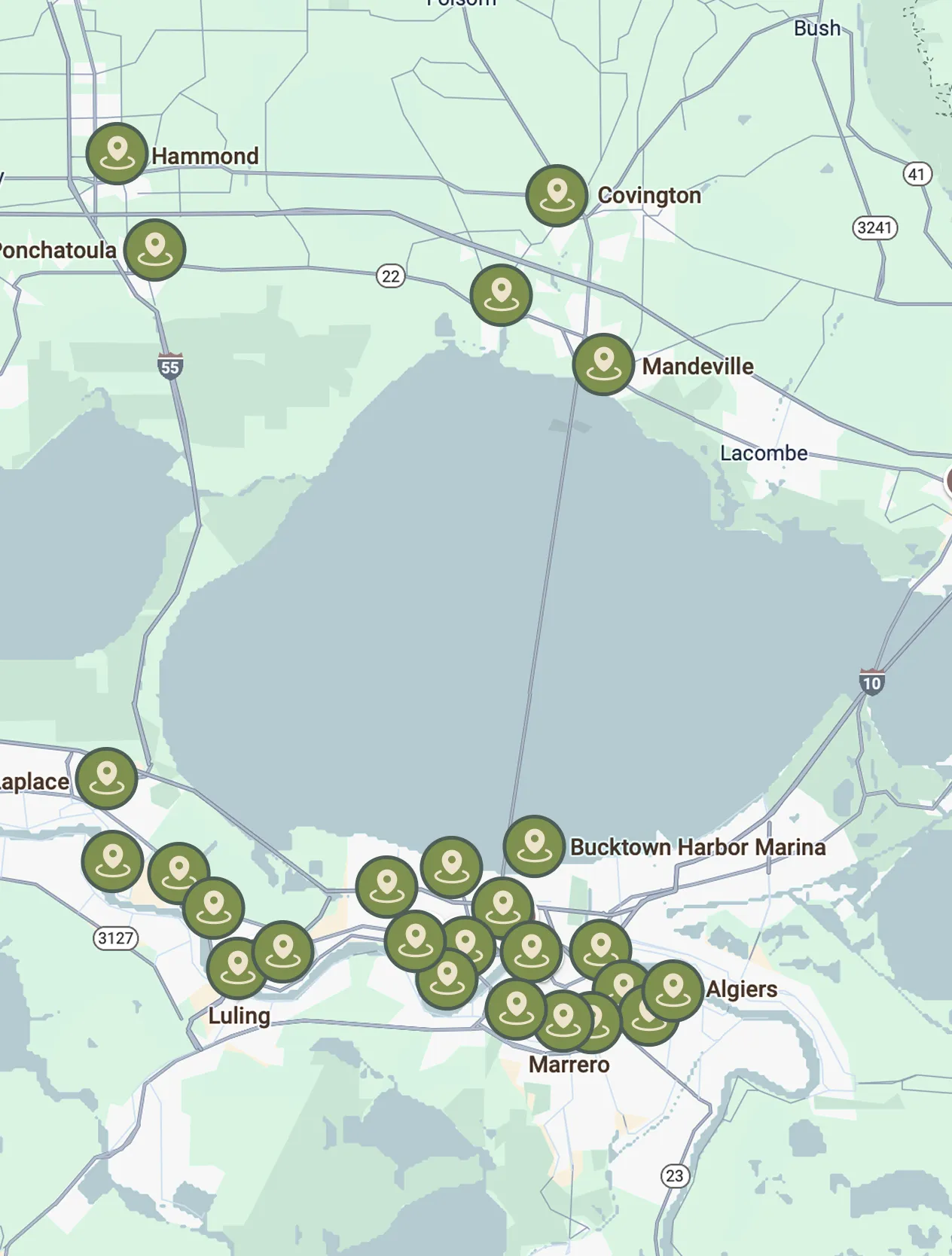
Service areas
Our service areas are designed to meet the diverse needs of our clients. We focus on providing exceptional service and ensuring customer satisfaction in every location we operate.