Heating Replacement in Metairie, LA
.webp)
A heating replacement in Metairie, LA, with Cypress Cooling, involves a thorough diagnostic evaluation, selecting high efficiency equipment, and properly sizing your new system for optimal comfort and energy savings. We'll guide you through the process, covering when replacement is necessary, exploring energy efficiency options (furnaces, heat pumps, zoning, and ductwork), handling the disposal of your old equipment, establishing realistic installation timelines, understanding warranties, and exploring financing options. Metairie homeowners will learn how to compare costs, plan for minimal disruption, understand load calculations, and anticipate performance gains. Our goal at Cypress Cooling is to provide you with reliable heat, improved humidity control, lower energy bills, and long term value for your Metairie home.

Heating Replacement in Metairie, LA
Replacing a heating system is a major decision for homeowners in Metairie, LA. With our mild, humid subtropical winters and occasional cold snaps, selecting the right equipment and sizing it correctly matters for comfort, indoor air quality, and monthly energy costs. This page explains when a heating replacement is recommended, how systems are evaluated, energy-efficient equipment options and sizing considerations, what the replacement and disposal process looks like, expected timelines, warranties and financing options, and realistic estimates of energy savings for Metairie homes.
When a heating replacement is recommended
Consider replacement when one or more of the following apply:
- The system is older than 12 to 15 years and showing declining performance.
- Frequent repairs are becoming common or repair costs approach the value of a new system.
- Rising heating bills without a change in usage or thermostat settings.
- Uneven heating, short cycling, or persistent comfort complaints in zones of the home.
- Safety concerns such as cracked heat exchangers, repeated ignition failures, or gas leaks.
- The equipment uses obsolete refrigerants or parts that are difficult to service.
- You want improved humidity control, quieter operation, or compatibility with modern thermostats and zoning.
In Metairie, where winters are generally mild but humid, many homeowners find that replacing older furnaces or inefficient systems with modern heat pumps or high-efficiency furnaces improves comfort and reduces energy use.
How we evaluate whether replacement is the right choice
A thorough evaluation looks beyond age to the system’s true condition and your home’s needs:
- Visual inspection and safety checks for signs of wear, leakage, corrosion, or combustion issues.
- Review of repair history to identify recurring failures or escalating maintenance costs.
- Efficiency assessment using AFUE for furnaces/boilers and HSPF/SEER for heat pumps/air conditioners.
- Performance diagnostics: airflow measurements, duct leakage checks, refrigerant charge verification, and thermostat calibration.
- Building envelope review: insulation levels, window performance, and air infiltration that affect load.
- Load calculation (Manual J) to determine the correct system capacity for your Metairie home.
- Cost-to-replace versus cost-to-repair analysis factoring in expected remaining life and future energy costs.
This evaluation determines whether repair, partial component replacement, or full system replacement is the most economical and practical approach.
Energy-efficient equipment options and sizing considerations
Common, energy-efficient options suitable for Metairie homes include:
- High-efficiency gas furnaces with AFUE ratings of 90% or higher and variable-speed blowers for better comfort.
- Air-source heat pumps, including modern cold-climate and variable-capacity models, which perform well in the mild winters typical of Metairie and also provide summer cooling.
- Ductless mini-split heat pumps for additions, garages, or homes with limited ductwork.
- Hybrid (dual-fuel) systems combining a heat pump with a gas furnace to optimize efficiency across temperature ranges.
- Properly sized boilers and radiant/hydronic systems for homes with existing hydronic infrastructure.
- Zoning, programmable and smart thermostats, and whole-home dehumidification to address humidity control and comfort.
Sizing matters more than brand. Oversized equipment cycles frequently, wastes energy, and reduces humidity control; undersized equipment cannot keep up on cold days. A Manual J load calculation tailored to local climate and your home’s insulation, orientation, and occupancy ensures the right capacity. In Metairie, the relatively moderate heating load often makes heat pumps an efficient choice, but a load calculation determines the best option for each home.
Replacement and disposal process
A typical heating replacement follows these steps:
- Pre-installation inspection and permit review.
- Job preparation: securing permits, scheduling inspections if required, and ordering required materials.
- Safe disconnect of utilities (gas, electric) and recovery of refrigerant according to regulations.
- Removal of the old unit and responsible disposal or recycling of components, including refrigerant reclamation and recycling of metals.
- Installation of the new system: mounting, duct or piping modifications, electrical and gas hook-up, and insulation/air-sealing as needed.
- System commissioning: verifying airflow, refrigerant charge (for heat pumps), thermostat calibration, combustion safety (for gas equipment), and startup performance.
- Final inspection and homeowner walkthrough explaining operation, maintenance needs, and warranty coverage.
Licensed installers follow local code requirements and environmental regulations during disposal and refrigerant handling to ensure compliance and safety.
Expected timelines and what to plan for
- Initial on-site evaluation and load calculation: typically 1 to 2 hours.
- Permit processing: can vary; many Metairie projects complete quickly but allow several days for scheduling.
- Simple like-for-like furnace or heat pump replacements: often completed in one workday.
- Installations requiring duct modifications, new gas lines, or significant sheet metal work: 1 to 3 days.
- Complex projects (hydronic conversions, major remodeling coordination) may take longer depending on materials and inspections.
Plan for limited disruption: power and heating will be off during removal and installation, access to mechanical rooms is needed, and installers may need short windows to run ductwork or venting. Weather and lead times for high-efficiency equipment can affect scheduling.
Warranties, financing options, and incentives
Warranties:
- Most manufacturers offer parts warranties that can range from several years to a decade on major components.
- Many high-efficiency compressors and heat exchangers carry longer factory warranties.
- Installer labor warranties vary; some provide short-term labor coverage while others offer extended service agreements. Verify the combination of manufacturer and installer coverage before purchase.
Financing options:
- Homeowners commonly use HVAC financing programs, home improvement loans, or energy-efficiency financing to spread costs over time.
- Some homeowners leverage property-assessed financing or low-interest loans targeted to energy upgrades.
- Local utilities and government programs sometimes offer rebates or incentives for installing high-efficiency equipment or heat pumps; availability varies and can improve payback timelines.
Always review warranty terms (what is and is not covered), transferability if you sell, and any required regular maintenance to keep warranties valid.
Estimated cost savings and efficiency gains for Metairie homes
Replacing an aging, low-efficiency heating system can yield substantial efficiency gains and lower annual energy use:
- Moving from a low-efficiency furnace (eg, older single-digit AFUE ratings) to a high-efficiency furnace or modern heat pump typically reduces heating energy use and bills significantly.
- Heat pumps often deliver greater overall energy efficiency in Metairie’s climate because they both heat and cool efficiently; combined seasonal savings can be considerable compared with separate inefficient systems.
- Right-sizing and improving ductwork and insulation reduce wasted energy, improve humidity control, and lengthen equipment life.
- While actual savings depend on fuel type, utility rates, thermostat settings, and occupancy patterns, homeowners should expect measurable reductions in energy use and improved comfort immediately after installation.
Replacing an inefficient system is also an investment in home value, indoor air quality, and reduced maintenance headaches over time.
ConclusionHeating replacement in Metairie, LA is a decision best based on a full diagnostic evaluation of system condition, energy performance, and your home’s heating load. Modern options like high-efficiency furnaces, variable-capacity heat pumps, and properly designed duct and zoning solutions deliver better comfort, humidity control, and energy savings in the local climate. A clear replacement process, proper sizing, and attention to warranties and financing make the transition straightforward and reliable for Metairie homeowners.
OUR CLIENTS HAVE TO SAY ABOUT US



Service areas
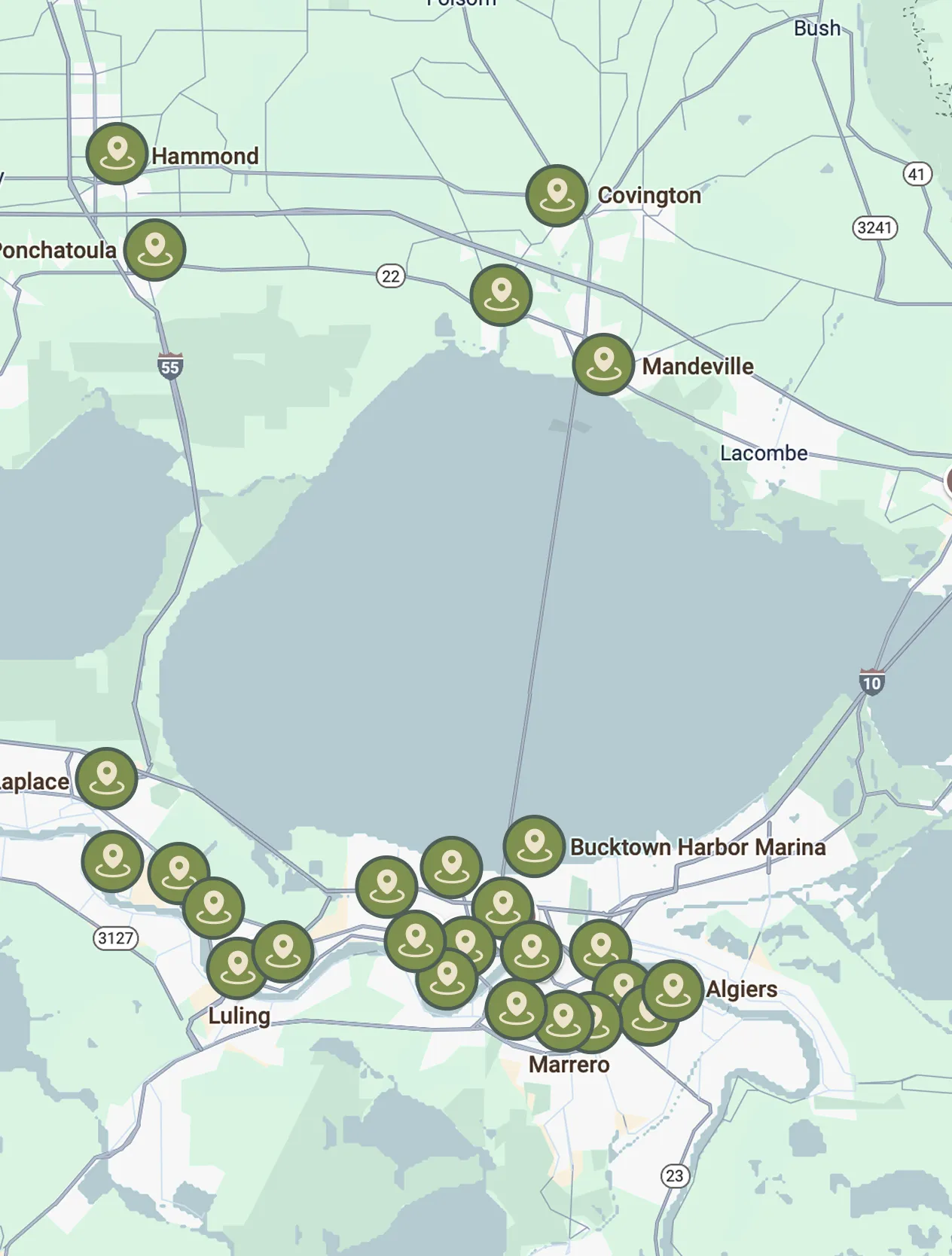
Our service areas are designed to meet the diverse needs of our clients. We focus on providing exceptional service and ensuring customer satisfaction in every location we operate.