
Heat Pump Replacement in Metairie, LA
.webp)
Metairie homeowners weighing heat pump replacement will find a clear, service focused guide to evaluating long term value over short term cost. Cypress Cooling is dedicated to providing transparent and helpful information. We explain replacement criteria, upgrade benefits, and a tailored system selection process for coastal climates, plus step by step removal, installation, and startup procedures. We cover responsible disposal, warranties and financing options, and available rebates. A realistic timeline from assessment to follow up helps homeowners plan around permitting, lead times, and seasonal constraints, ensuring dependable comfort and energy efficiency.
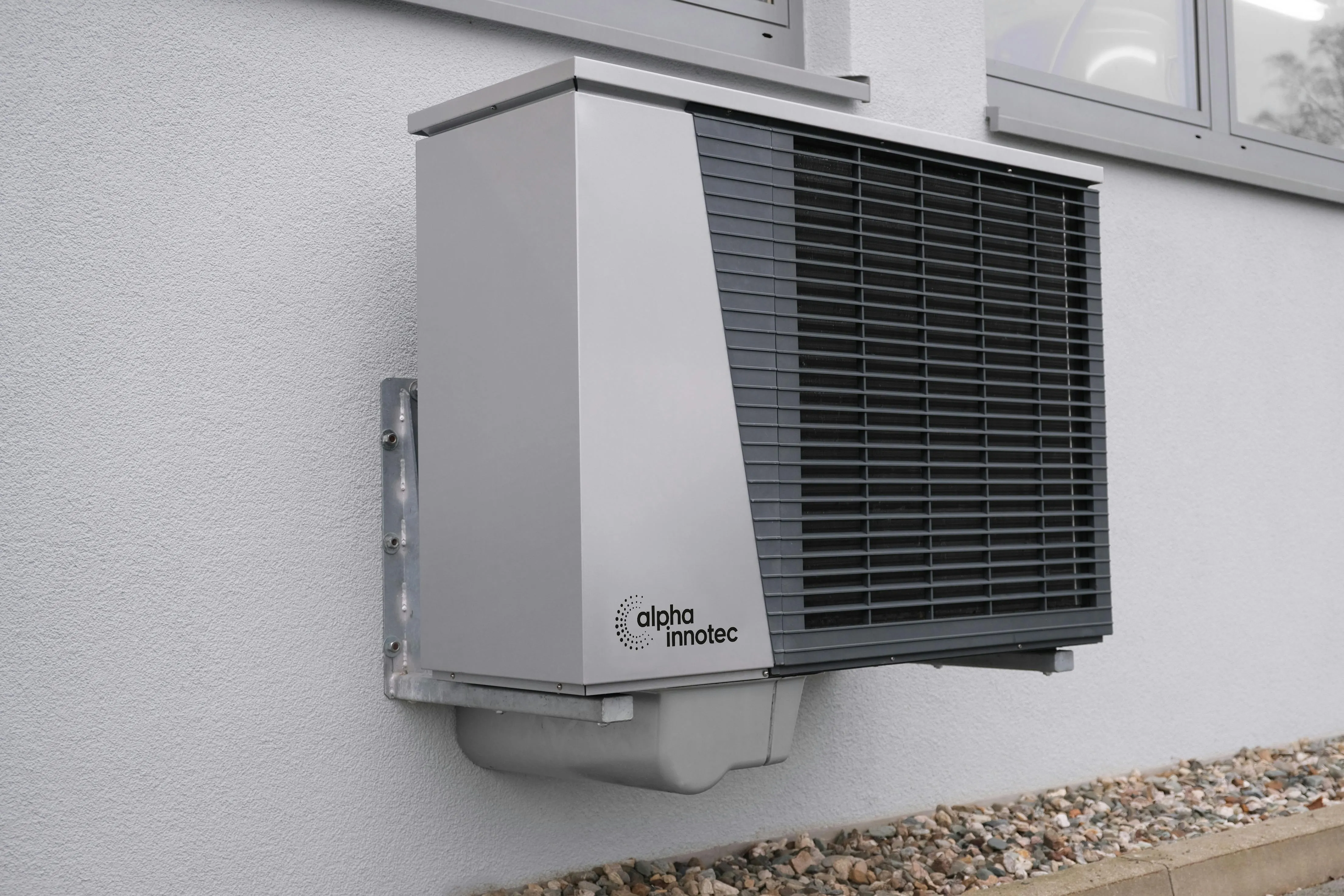
Heat Pump Replacement in Metairie, LA
Replacing a heat pump is a major decision for Metairie homeowners. With hot, humid summers, frequent use of cooling systems, and occasional winter cold snaps, an aging or inefficient heat pump can drive up energy bills, create comfort problems, and increase repair frequency. This page explains when replacement is the smarter choice than repair, the practical benefits of upgrading, how systems are selected for Metairie homes, the professional removal and installation process, responsible disposal, warranty and rebate options, and a realistic project timeline.
When to Replace vs Repair
Choosing replacement over repair is often about long-term value, not just the immediate cost. Consider replacement when you see one or more of these signs:
- Age over 10 to 15 years. Older heat pumps lose efficiency and use refrigerants and technologies that are becoming obsolete.
- Frequent breakdowns or rising repair costs. Multiple repairs in a short time usually indicate systemic wear.
- Poor comfort or uneven temperatures. If rooms are consistently too warm or cold despite repairs, the system may be undersized or degrading.
- Significantly higher energy bills. A sharp rise in energy use, especially during Metairie’s long cooling season, suggests declining efficiency.
- Noise, compressor failure, or refrigerant leaks. Major component failures are costly and often justify replacement.
- Rust or corrosion from coastal salt air. Salt exposure near Lake Pontchartrain can accelerate deterioration.
If the issue is minor, limited in scope, and the unit is relatively new, a repair can be efficient. Replacement becomes the better investment when you consider long-term efficiency, reliability, and comfort.
Benefits of Upgrading
Upgrading to a modern heat pump delivers clear, measurable improvements for homes in Metairie:
- Improved efficiency. Higher SEER and HSPF ratings reduce cooling and heating energy use during hot, humid summers and mild winters.
- Lower energy bills. Better performance translates into lower monthly utility costs over the system’s lifetime.
- More consistent comfort. Variable-speed compressors and improved controls stabilize indoor temperature and humidity.
- Greater reliability. New warranties and fewer breakdowns reduce unexpected expenses.
- Better indoor air quality. Modern systems support advanced filtration and humidity control—important in Metairie’s humid climate.
- Corrosion-resistant options. Coastal-rated outdoor units and protective coatings extend equipment life near saltwater environments.
System Selection Process
Selecting the right heat pump is critical for performance and efficiency. Professionals tailor choices based on home size, construction, and local climate conditions.
- Proper sizing (Manual J load calculation). Accurate sizing prevents short-cycling or insufficient capacity. Technicians calculate cooling and heating loads using home square footage, insulation levels, window exposure, and Metairie-specific climate data.
- SEER and HSPF ratings. SEER relates to cooling efficiency, HSPF to heating. Higher ratings mean lower operating costs. For homes with heavy cooling demand, prioritize higher SEER values.
- Variable-speed vs single-stage compressors. Variable-speed compressors adjust output to match load, improving comfort, humidity control, and efficiency during Metairie’s long cooling season.
- Matched system components. Ensuring the outdoor unit, indoor coil, and thermostat are compatible maximizes efficiency and warranty coverage.
- Ductwork evaluation. Sealing and properly sizing ducts prevents energy loss. In many Metairie homes, improving ducts yields as much benefit as a new heat pump.
- Corrosion protection and location. For homes near Lake Pontchartrain or in coastal neighborhoods, choose models with protective coatings and consider placement that minimizes salt exposure.
- Noise and zoning options. Multi-stage or zoned systems help manage noise and deliver targeted comfort across different rooms.
Professional Removal and Installation Steps
A professional replacement follows a clear process to protect your home, comply with regulations, and ensure system longevity.
- Pre-install inspection. Technician inspects existing system, ductwork, electrical service, and refrigerant lines, and confirms load calculations.
- Equipment selection confirmation. Finalize model, size, and any needed duct or electrical upgrades.
- Permitting and preparation. Obtain local permits if required and prepare the installation area, including pad placement and clearance.
- Safe refrigerant recovery. Technicians recover refrigerant from the old unit in accordance with EPA regulations to prevent environmental release.
- Removal of old equipment. Old outdoor and indoor components are disconnected and removed carefully to protect the home.
- Install new outdoor and indoor units. Mounting, refrigeration line connections, electrical hookups, and proper refrigerant charging are completed.
- Duct and airflow adjustments. Technicians balance airflow, seal connections, and ensure proper return and supply paths.
- System startup and calibration. The system is charged, tested, and calibrated for optimal performance. Controls and thermostats are programmed.
- Customer walkthrough and documentation. Homeowners receive operating guidance and warranty documentation.
Each step follows manufacturer specifications and local code requirements to ensure safety and efficiency.
Disposal of Old Equipment
Old heat pumps are disposed of responsibly. This includes:
- Refrigerant recovery and recycling. Recovering refrigerants prevents ozone depletion and follows federal regulations.
- Scrap metal recycling. Copper, steel, and aluminum components are separated and recycled when possible.
- Proper disposal of hazardous materials. Oils, capacitors, and other components are handled according to environmental rules.Disposal practices protect the environment and often meet local Metairie waste handling rules.
Warranties, Rebates, and Financing Options
Modern heat pumps come with several financial protections and incentives that improve the investment case.
- Manufacturer warranties. Typical coverage includes parts and compressor warranties, often with extended terms if registered. Read the fine print for conditional requirements like professional installation and annual maintenance.
- Labor warranties. Contractors may offer labor or workmanship warranties for a specific period after installation.
- Rebates and tax incentives. Federal tax credits, state energy programs, and utility rebates may be available for high-efficiency heat pumps. Eligibility often depends on model ratings and installation details.
- Financing options. Many homeowners use energy financing programs, home improvement loans, or utility-sponsored financing to spread costs. Compare terms, interest rates, and repayment schedules.
Verify current incentive availability and warranty terms before finalizing equipment selection.
Expected Project Timeline
A typical Metairie heat pump replacement project follows this timeline:
- Initial assessment and quote: 1 to 3 days. Inspection, load calculations, and equipment recommendations.
- Ordering equipment: 1 to 14 days. Depends on model availability.
- Permits and scheduling: 2 to 7 days. Local permit processing and scheduling windows vary.
- Installation: 1 to 3 days. Most single-family home replacements are completed in one to two days; complex jobs with ductwork or electrical upgrades may take longer.
- Final testing and commissioning: same day as installation. Technicians run diagnostics, calibrate controls, and provide documentation.
- Follow-up service: 1 to 30 days after installation. Some teams include a short-term check to ensure performance.
Plan for potential delays due to parts availability or permit timing, especially during peak seasons.
Ongoing Maintenance and Long-Term Value
After replacement, routine maintenance preserves efficiency and warranty coverage. Regular tasks include filter changes, annual professional tune-ups, coil cleaning, and duct inspections. In Metairie, addressing humidity control and corrosion protection extends system life and maintains comfort.
Upgrading a heat pump is not just a repair choice. For many Metairie homes facing heavy cooling demand, salt air exposure, or aging equipment, replacement provides immediate comfort improvements, lower operating costs, and greater reliability for years to come.
OUR CLIENTS HAVE TO SAY ABOUT US



Service areas
Our service areas are designed to meet the diverse needs of our clients. We focus on providing exceptional service and ensuring customer satisfaction in every location we operate.