Mini Split Installation in Metairie, LA
.webp)
Looking at a mini split installation in Metairie, LA? Cypress Cooling guides homeowners through the entire process, from the initial on site assessment and load sizing to final commissioning and helpful post install efficiency tips. We carefully consider system and indoor unit placement, ensuring all line set and electrical requirements are met, and that we adhere to all permit and code considerations. We provide realistic timelines for both simple and multi zone projects. With Cypress Cooling, you'll learn how to evaluate equipment options, ensure proper airflow, protect outdoor units from the elements, and maximize long term performance and reliability. We aim to provide clear guidance so homeowners can plan and budget with confidence.
.webp)
Mini Split Installation in Metairie, LA
A properly installed mini split delivers quiet, efficient cooling and targeted heating for Metairie, LA homes—where hot, humid summers and occasional severe weather put extra demands on comfort systems. This page explains the full mini split installation workflow for Metairie residents, from on-site assessment and load/sizing through commissioning and long-term efficiency tips. Read on for clear, expert guidance about what to expect during installation and how to get the best performance and longevity from your system.
Why a mini split makes sense in Metairie, LA
- Metairie’s humid subtropical climate means high cooling loads and frequent need for dehumidification. Mini splits with inverter-driven compressors and variable-speed fans deliver precise temperature and humidity control.
- Zoned control is ideal for older or renovated homes that lack ductwork or for rooms with different occupancy patterns (attics, additions, sunrooms).
- Modern mini splits are efficient at partial loads, translating to energy savings in shoulder seasons and milder winter days.
Common mini split issues in Metairie homes
- Undersized or oversized units causing short cycling, inadequate dehumidification, or excessive energy use.
- Poor indoor unit placement leading to uneven temperature distribution or drafts.
- Improperly insulated or routed line sets causing reduced efficiency and increased maintenance.
- Electrical supply or breaker sizing not matched to the outdoor unit’s requirements.
- Corrosion risk and debris buildup on outdoor units in neighborhoods near Lake Pontchartrain or where hurricane debris is common.
- Condensate drain problems in high-humidity conditions, increasing risk of water damage or microbial growth.
On-site assessment and load/sizing calculations
A thorough installation begins with an on-site assessment tailored to Metairie homes:
- Inspect building envelope: wall construction, insulation levels, window orientation, and sun exposure (important for rooms facing south or west).
- Evaluate occupancy and room function: kitchens, guest rooms, and home offices often need different capacity considerations.
- Perform load calculations using industry-standard methods (Manual J for residential load calculation and Manual S for equipment selection). These calculations account for Metairie’s local design temperatures and humidity levels to size for both sensible cooling and latent (moisture) loads.
- Identify ductless vs. multi-zone needs: single-zone for one room or dedicated space, multi-zone for whole-home or multiple-room zoning with a single outdoor compressor.
System and indoor unit placement
Proper placement maximizes comfort and serviceability:
- Indoor units should be placed to promote even airflow without directly blowing on occupants. High-wall units work well in living rooms and bedrooms; ceiling cassette or concealed-duct units suit open floor plans.
- Outdoor compressors should be installed on elevated, level pads to reduce flood risk in low-lying areas and clear of landscape debris. Locate units away from direct exposure to falling tree limbs and ensure at least recommended clearances for airflow and service access.
- Consider line set routing: choose the shortest, most direct path between indoor and outdoor units while avoiding long vertical runs that can complicate refrigerant charging and drainage.
Line set and electrical requirements
- Refrigerant line sets must be properly sized and routed, insulated to prevent condensation in Metairie’s humid climate, and secured to minimize vibration noise.
- Electrical service must match the outdoor unit’s nameplate requirements: correct breaker size, disconnect switch at the outdoor unit, proper conductor sizing, and adherence to the National Electrical Code plus any Jefferson Parish or Louisiana amendments.
- Verify that the home’s electrical service has capacity for the new compressor and consider dedicated circuits or upgrades if necessary.
- All refrigerant work must be performed by EPA-certified technicians using proper recovery, evacuation (vacuum), and charging procedures.
Permit and code considerations in Metairie
- Most installations require building permits and electrical permits through Jefferson Parish permitting authorities. Permit requirements ensure installations comply with local building codes, structural fastenings, and electrical safety standards.
- Inspections may include electrical connections and final system checks. Documented permits and inspector approvals protect homeowners and future buyers.
- Consider local flood and wind-resistance requirements: in some areas, elevated mountings or additional anchoring for outdoor units may be advisable to meet regional codes or best practices.
Estimated timelines and what affects duration
Typical timelines vary by project scope:
- Simple single-zone installation: commonly completed in 4 to 8 hours for a single indoor unit and outdoor condenser on a straightforward site.
- Multi-zone or complex installations: 1 to 3 days depending on number of indoor heads, length of line sets, and any electrical service upgrades or structural work.
- Permitting and inspection scheduling can extend overall project time; allow time for local permit processing and required inspections.
Brand and model options
- Choose equipment based on efficiency, sound levels, reliability, and features that matter in Metairie: strong dehumidification, inverter technology, and corrosion-resistant outdoor coatings.
- Common, reputable manufacturers to consider include models from brands such as Mitsubishi, Daikin, Fujitsu, LG, and others that offer multi-zone capability, high SEER ratings, and strong local support networks.
- Compare models on:
- SEER and HSPF ratings (cooling and heating efficiency)
- Rated capacity at high humidity and part-load performance
- Quiet operation and indoor unit aesthetics
- Warranty coverage and local service availability
Post-installation testing and commissioning
Thorough commissioning ensures the system performs as intended:
- Leak test and evacuation: verify refrigerant circuit integrity, vacuum to manufacturer recommendations, and charge to correct levels when required.
- Electrical verification: confirm proper voltage, amperage, and secure connections.
- Airflow and temperature checks: measure supply temperatures, return, and room delta T to confirm effective cooling and dehumidification.
- Controls setup: program thermostats or remote controls, calibrate sensors, and verify zone balancing for multi-head systems.
- Drainage testing: ensure condensate drains flow freely, traps are correct, and condensate pumps (if used) operate reliably.
- Document final settings and provide basic homeowner guidance for operation and filter access.
Tips for maximizing efficiency and longevity in Metairie
- Maintain clear airflow: keep 2 to 3 feet clear around indoor units and 12 to 24 inches around outdoor units depending on manufacturer guidance.
- Insulate line sets and cover exterior penetrations to minimize condensation and energy loss.
- Schedule annual maintenance: coil cleaning, filter replacement, electrical inspection, and refrigerant leak checks are key—more frequent service may be warranted in high-humidity seasons.
- Protect outdoor units from storm damage: consider elevating units in flood-prone areas and using manufacturer-recommended fasteners or anchors to withstand high winds.
- Use programmable or smart controls to avoid unnecessary runtime; set sensible temperature differentials to reduce short cycling.
- Address humidity proactively: if persistent moisture problems occur, select units with strong latent capacity or add supplemental dehumidification.
- Keep vegetation trimmed and debris cleared, especially after storm season, to preserve condenser efficiency and prevent corrosion.
Final considerations
Mini split installation in Metairie, LA demands careful attention to local climate, proper load calculations for humidity control, correct electrical work, and compliance with permitting and inspections. When sizing and placing units correctly, following manufacturer procedures for line sets and refrigerant handling, and committing to routine maintenance, mini splits provide efficient, quiet comfort and reliable performance in Metairie homes for years to come.
OUR CLIENTS HAVE TO SAY ABOUT US



Service areas
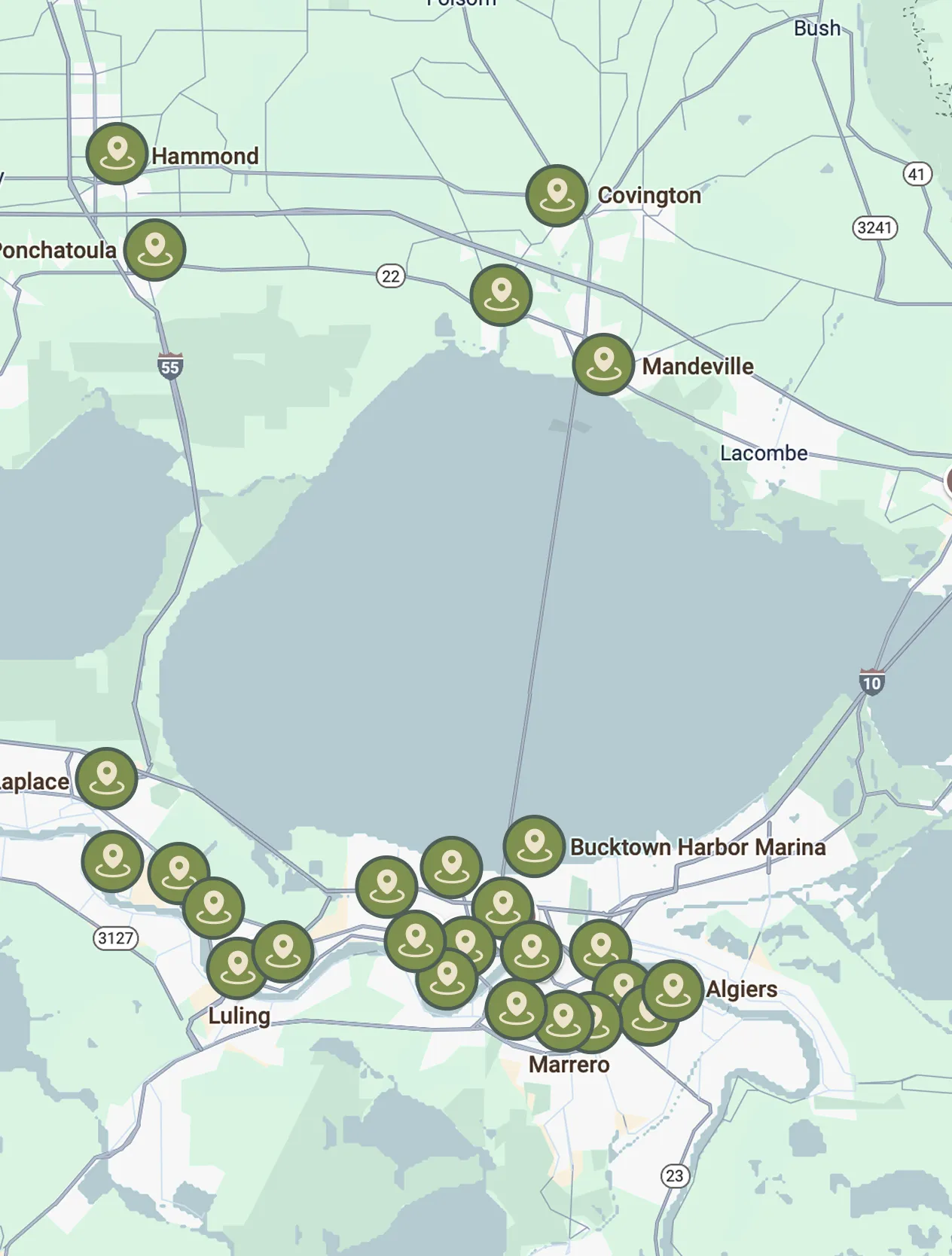
Our service areas are designed to meet the diverse needs of our clients. We focus on providing exceptional service and ensuring customer satisfaction in every location we operate.