Mini Split Repair in Metairie, LA
.webp)
Cypress Cooling offers mini split repair services in Metairie, LA, focusing on providing fast, accurate diagnoses and long lasting solutions for your ductless systems. Our skilled technicians at Cypress Cooling are adept at pinpointing issues such as refrigerant leaks, electrical faults, sensor problems, and airflow restrictions. We then recommend targeted repairs, which may include replacing line sets, compressors, or control boards. Cypress Cooling ensures homeowners receive clear and transparent information regarding response times, pricing factors, warranties, and available emergency services, along with convenient scheduling options. We also provide practical maintenance advice to help reduce future breakdowns, extend the equipment's life, and keep your systems running efficiently year round. Trust Cypress Cooling to keep you cool and comfortable.
-min.webp)
Mini Split Repair in Metairie, LA
Mini split systems are a popular solution for targeted cooling and heating in Metairie, LA, where hot, humid summers and mild winters place heavy demand on residential HVAC equipment. When a mini split stops performing, homeowners face discomfort, higher energy bills, and potential secondary damage from leaks or electrical faults. This page explains common mini-split problems seen in Metairie homes, the diagnostic process technicians use, typical repairs and parts replacement, expected response times and pricing considerations, and how warranties and emergency service options usually work.
Common mini split problems in Metairie, LA
- Loss of cooling or heating: The most frequent complaint. Symptoms include weak airflow, air that never reaches set temperature, or short cycling. High humidity and heavy use in summer can expose low refrigerant or failing components.
- Refrigerant leaks: Leaks reduce cooling capacity and can cause frozen evaporator coils. In coastal and near-coastal areas around Metairie, older line sets and fittings can corrode more quickly.
- Strange noises: Rattling, grinding, hissing, or loud compressor sounds often indicate loose panels, failing fan motors, refrigerant flow issues, or compressor/inverter faults.
- Compressor or inverter faults: Inverter drives and compressors are the heart of ductless systems. Inverter faults can show as error codes, intermittent operation, or complete failure to start.
- Airflow problems: Clogged filters, dirty coils, or obstructed condensate drains reduce airflow and efficiency and can lead to overheating and shutdowns.
- Electrical tripping and control failures: Breakers tripping frequently, blown fuses, or communication errors between indoor and outdoor units are common, especially after storms or power fluctuations.
- Condensate and drainage issues: Clogged or misrouted drains can lead to indoor leaks and water damage, a concern during Metairie’s humid months and storm season.
The diagnostic process technicians use
A thorough, systemized diagnostic process identifies root causes so repairs are targeted and reliable.
- Visual inspection: Technicians inspect indoor and outdoor units, line sets, filters, drain lines, access panels, and visible wiring for obvious damage or corrosion.
- Error code readout: Many mini splits report error codes. Reading these codes guides focused troubleshooting for inverter, sensor, or communication issues.
- Airflow and indoor checks: Measuring airflow at the indoor unit, checking filter condition, and inspecting blower components reveal blockages or motor problems.
- Refrigerant system testing: Technicians measure pressures and temperatures, calculate superheat and subcooling, and use electronic leak detectors or dye when needed to locate leaks.
- Electrical testing: Voltage, amperage, capacitor health, and continuity checks on control boards and compressors help diagnose motor faults, starting issues, and short circuits.
- Compressor and inverter diagnostics: Specialized tools and manufacturer procedures test inverter boards and compressor windings or sensors to determine repairability.
- Condensate and humidity assessment: Drain slope, pump operation, and pan condition are evaluated to prevent recurring water problems.
- Final performance check: After repair, technicians verify system performance under load, confirm correct refrigerant charge if applicable, and ensure error codes are cleared.
Typical repairs and parts replaced
Common repairs are focused on restoring safe, efficient operation and addressing the most common failure points in the Metairie climate.
- Refrigerant leak repair and recharge: Locate and repair leak points, replace failed fittings or line sections, install a replacement drier or accumulator, and recharge to proper specification.
- Line set or piping repair: Replace corroded or damaged line sets and add proper insulation and protection against salt and humidity.
- Compressor replacement or rebuild: For severe compressor failures, replacement is often required. Technicians diagnose whether inverter modules or the compressor itself failed.
- Inverter/PCB board replacement: Faulty control boards or inverter drives can trigger intermittent operation or complete shutdown.
- Fan and motor replacement: Outdoor condenser fan motors and indoor blower motors may need replacement due to wear, debris, or moisture damage.
- Coil and indoor unit cleaning: Evaporator and condenser coil cleaning restores heat transfer efficiency; cleaning also reduces mold and allergen buildup.
- Condensate pump and drain service: Repair or replace clogged pumps and re-route or clear drains to prevent water damage.
- Sensors, remotes, and control replacements: Temperature sensors, remote controls, and communication cables may be replaced to restore reliable control and sensing.
- Capacitors, contactors, fuses, and wiring repairs: Routine electrical component replacements are common after surge events or long-term wear.
Expected response times and pricing guidelines
Response times depend on seasonality and urgency. During peak summer demand in Metairie, same-day emergency response is commonly available for life-safety or complete cooling failures, while non-emergency service appointments are often scheduled within 24 to 72 hours. Storms and holidays may extend these windows.
Instead of fixed prices, cost is determined by several clear factors:
- Scope of repair: Simple parts changes and diagnostics take less time than compressor or line set replacements.
- Parts required: Availability and whether OEM or aftermarket parts are used affect cost and timing.
- Accessibility: Rooftop or hard-to-access outdoor units, long line sets, or multi-zone system complexity increase labor.
- Refrigerant type and recovery needs: Systems using newer refrigerants or requiring full recovery and reclaim involve more labor and regulatory handling.
- Unit age and warranty status: Older systems may require more troubleshooting and parts that are out of production, which affects price.
Estimates are generally provided after a full diagnostic inspection to ensure accuracy and transparency.
Warranty, emergency service and booking options
- Warranty types: Typical coverage includes manufacturer warranties for compressors and major components, and service warranties for parts and labor provided by the repair contractor. Warranty coverage depends on documentation and whether original repairs or modifications were performed.
- Emergency service: Emergency response usually prioritizes complete cooling loss, refrigerant loss, electrical hazards, and major leaks. Emergency service can include temporary measures to restore function until permanent repairs are scheduled.
- Booking and appointments: Service providers commonly offer scheduled service windows, pre-inspection checklists, and written estimates after on-site diagnostics. Many also provide seasonal maintenance agreements to reduce emergency visits and extend equipment life.
Maintenance and preventive advice for Metairie homes
Routine maintenance reduces breakdown risk and keeps mini splits efficient in Metairie’s climate:
- Schedule a professional tune-up before summer; technicians will check refrigerant, clean coils, test electrical components, and clear drains.
- Change or clean filters regularly to maintain airflow and indoor air quality.
- Keep outdoor units clear of debris, shrubs, and standing water; elevate units where flooding risk exists.
- Protect line set insulation and exterior fittings from corrosion and UV exposure.
- Address unusual sounds, odors, or error codes promptly to prevent small issues from becoming major failures.
Regular attention to these areas prolongs system life, improves comfort during peak heat, and reduces the likelihood of emergency repairs.
OUR CLIENTS HAVE TO SAY ABOUT US



Service areas
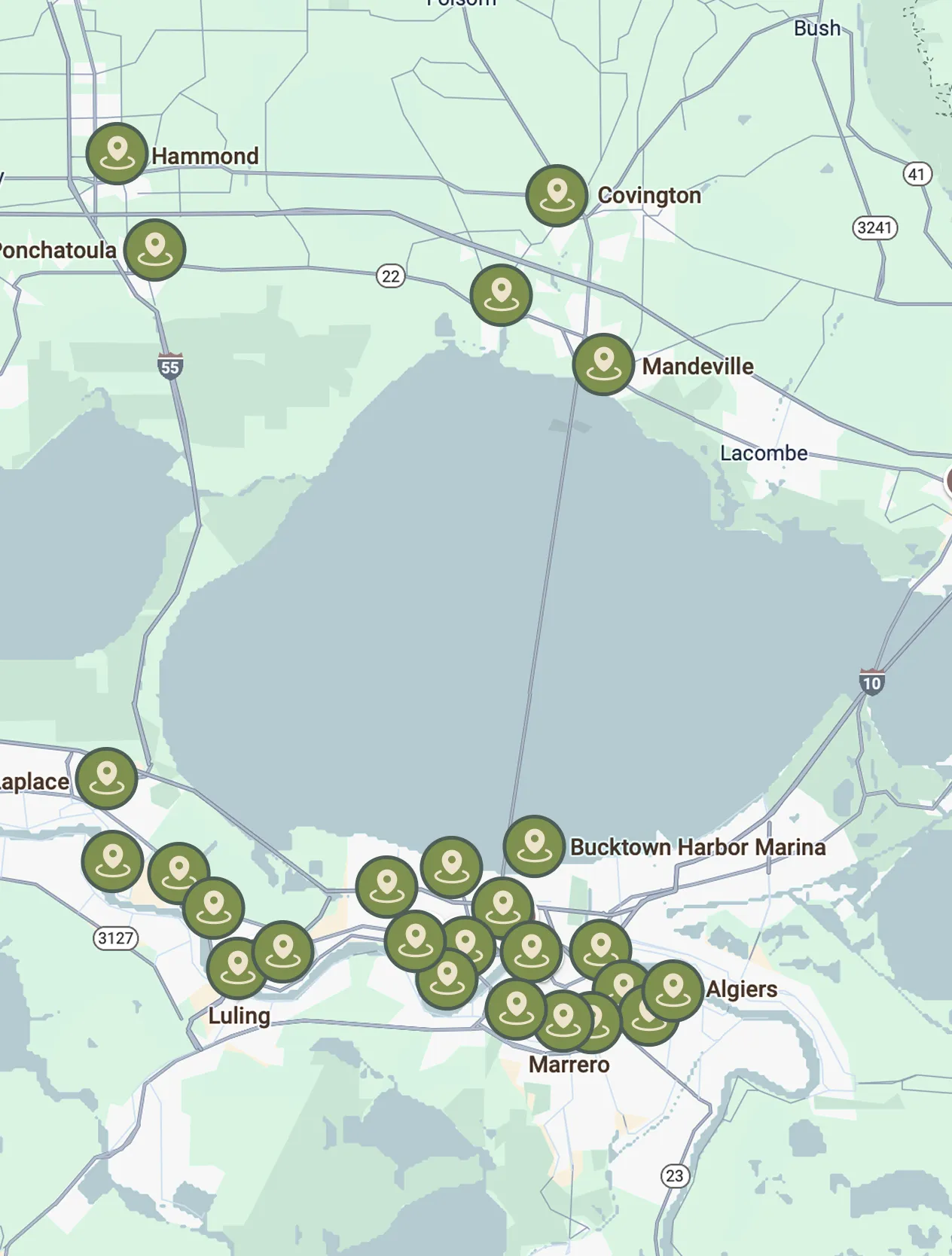
Our service areas are designed to meet the diverse needs of our clients. We focus on providing exceptional service and ensuring customer satisfaction in every location we operate.