Whole House Dehumidifiers in Metairie, LA
.webp)
Homeowners in Metairie seeking reliable humidity control can greatly benefit from a whole house dehumidifier integrated with their existing HVAC system. Cypress Cooling can help you understand how to properly size, install, and maintain a dedicated dehumidification unit in your coastal home. We'll explain how indoor humidity affects your comfort, air quality, and building materials, and guide you through drainage and wiring considerations for long term reliability. We address common Metairie specific challenges like salt air, flood risk, and duct sealing, outlining steps to achieve a steady 40–50% relative humidity for a healthier, more comfortable living space. Trust Cypress Cooling to provide the expertise you need.
.webp)
Whole House Dehumidifiers in Metairie, LA
Living in Metairie means dealing with high humidity year round. Excess indoor moisture causes mold and mildew, musty odors, sticky comfort, damaged wood floors and trim, and increased allergy symptoms. A properly sized whole house dehumidifier integrated with your HVAC is the most effective long-term solution for consistent humidity control in Metairie homes. This page explains how whole-home dehumidification works, what to expect from installation and maintenance, and why it matters for local properties.
Why whole-home dehumidification matters in Metairie, LA
Metairie’s Gulf Coast climate creates prolonged periods of 60 to 80 percent outdoor relative humidity in warm months. Even with air conditioning, indoor relative humidity (RH) frequently stays above healthy levels. High indoor RH leads to:
- Visible mold and mildew growth in closets, attics, and behind cabinets
- Warped hardwood floors, swollen doors, and peeling paint
- Condensation on windows and AC equipment, accelerating corrosion
- Increased dust mite and mold spore activity that worsens allergies and asthmaA centralized dehumidifier keeps whole-house RH in the recommended 40 to 50 percent range, reducing these issues while improving comfort and perceived cooling efficiency.
Common whole-house dehumidifier issues in Metairie homes
- Overwork in sustained high humidity conditions causing frequent cycling or reduced lifespan
- Inadequate drainage options in low-slope or slab-on-grade homes
- Corrosion from salt air on outdoor duct terminations and pumps if not properly specified
- Undersized units that cannot maintain set RH on the hottest, most humid days
- Poor integration with existing HVAC controls leading to temperature swings or short cycling
How whole-house dehumidifiers integrate with HVAC
Whole-house dehumidifiers are installed as ducted units tied into the air handler or directly in the return plenum. Integration options include:
- Inline ducted dehumidifier attached to return and supply ducts for balanced dehumidification
- Air handler-mounted dehumidifier installed at the evaporator coil for compact systems
- Standalone ducted systems that operate independently but use existing ductworkControl options range from a dedicated humidistat that maintains RH to integration with smart thermostats for coordinated temperature and humidity control. Proper installation ensures the dehumidifier runs efficiently without forcing the air conditioner to overshoot temperature setpoints.
Sizing and capacity selection
Dehumidifier capacity is commonly rated in pints per day. Key factors for selecting capacity:
- Home square footage and ceiling height
- Airtightness and duct leakage
- Number of occupants and typical indoor moisture sources (showers, cooking, laundry)
- Crawlspace or basement moisture contributionIn Metairie, choose a unit with sufficient reserve capacity to handle peak summertime humidity. Oversizing slightly for a humid climate reduces runtime stress and improves control during extreme humidity events.
Drainage and installation options
Because Metairie homes may be slab-on-grade or have elevated flood risk, consider these drainage strategies:
- Gravity drain to an existing condensate drain or floor drain when elevation allows
- Condensate pump for installations where gravity drainage is not feasible; specify corrosion-resistant components for coastal conditions
- Connection to the HVAC condensate drain pan, sanitary drain, or dedicated condensate line with backflow protectionInstallation also includes ensuring proper condensate trap, cleanouts, and protection against clogs from organic buildup. For homes in flood zones, locating components above expected flood elevation prevents damage during storms.
Maintenance and filter care
Routine maintenance keeps performance consistent and extends equipment life. Recommended tasks:
- Inspect and replace the dehumidifier intake filter every 3 to 6 months, more often during heavy use
- Clean coils and condensate pans annually to prevent biological growth and clogs
- Check condensate pump operation and clean float switches if present
- Verify humidistat calibration and wiring integration with the HVAC system
- Inspect duct connections and seals to avoid moist air bypassIn Metairie, schedule a preseason check before the high-humidity months to ensure the system starts the season operating properly.
Typical performance metrics and expected outcomes
After proper installation and commissioning, homeowners should expect:
- Indoor RH consistently held near the 45 to 50 percent range under normal conditions
- Noticeably drier air and reduced musty odors within days
- Reduced visible condensation on windows and AC components
- Lower perceived cooling demand of the home, which can allow higher thermostat settings without loss of comfortPerformance depends on home tightness and occupant behavior. In very leaky homes or with frequent open doors, maintaining precise RH is more difficult unless repairs or ventilation adjustments are made.
Cost factors, financing and maintenance plan options
Installed cost is affected by unit capacity, integration complexity, drainage distance and method, required duct modifications, and local building access. Financing options and planned maintenance agreements are commonly available to spread installation expense and ensure regular service. A maintenance plan typically includes seasonal inspections, filter changes, condensate system checks, and priority scheduling for service visits. Warranties and service coverage vary by model and installer, and selecting corrosion-resistant components is advisable for coastal Metairie conditions.
Local considerations for Metairie installations
Metairie homeowners should account for:
- Frequent, prolonged humidity spikes during summer and after storms
- Potential salt-air corrosion affecting pumps and external components; choose units with protective coatings or stainless steel parts
- Flood risk zones that may require elevated component placement and sealed electrical connections
- Older homes with legacy ductwork that may need sealing or balancing to make whole-home dehumidification effectiveAddressing these factors during design and installation improves reliability and lifespan in the local climate.
Benefits summary and long-term value
A whole-house dehumidifier in Metairie provides targeted, consistent humidity control that protects building materials, improves indoor air quality, reduces allergy triggers, and enhances comfort. Proper sizing, thoughtful drainage choices, and scheduled maintenance tailored to coastal humidity conditions deliver dependable performance and help protect your home from moisture-related damage over time. Regular upkeep and periodic reassessment of system performance ensure the dehumidifier continues to meet your home’s needs as seasons and usage change.
OUR CLIENTS HAVE TO SAY ABOUT US



Service areas
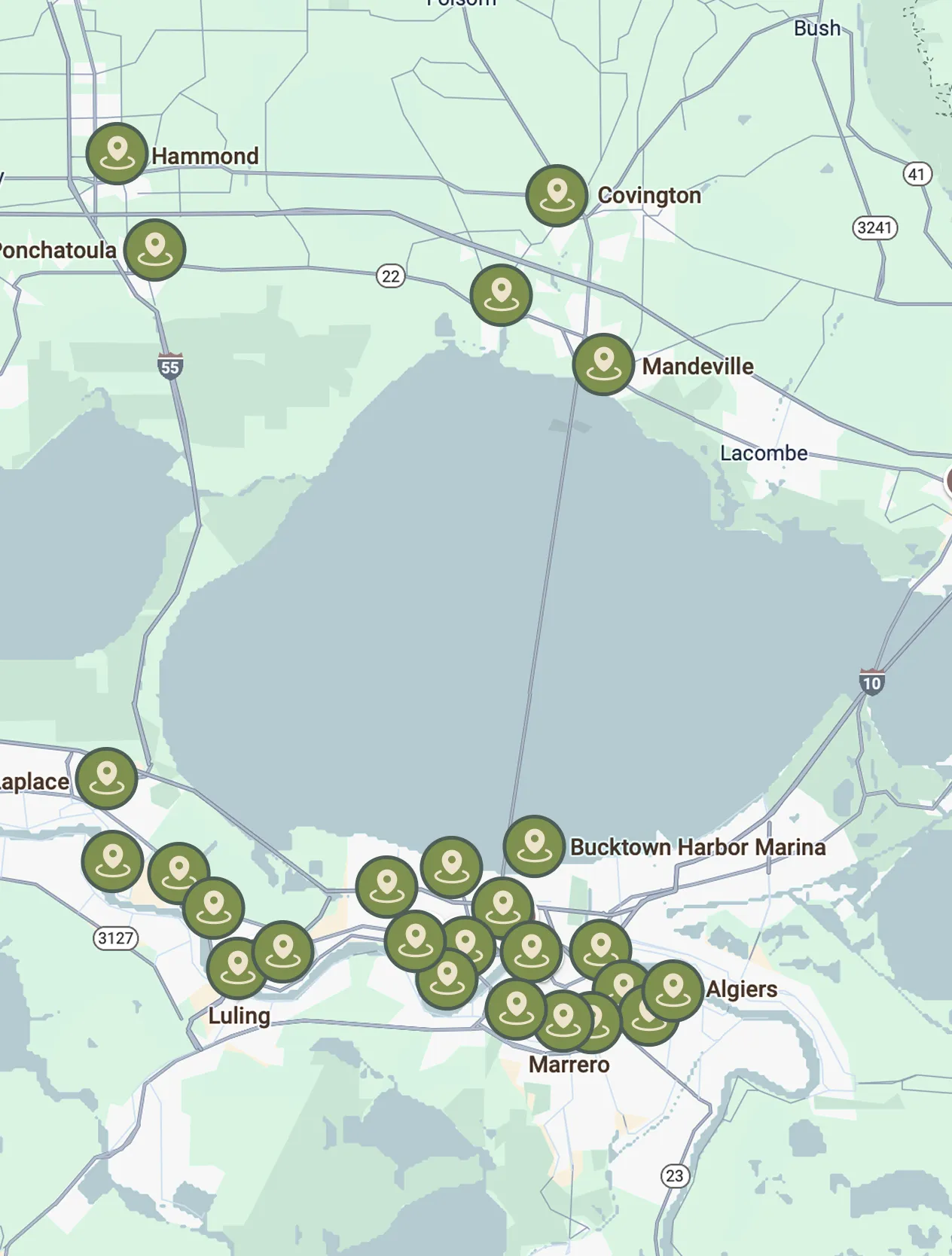
Our service areas are designed to meet the diverse needs of our clients. We focus on providing exceptional service and ensuring customer satisfaction in every location we operate.