How to Prevent Condensate Drain Clogs in Humid Climates
.webp)

Why Humidity Accelerates AC Drain Clogs in South Louisiana
Living in South Louisiana, we are all too familiar with that heavy, "wet" air that greets us the moment we step outside. This humidity isn't just a comfort issue; it is a major operational challenge for your air conditioning system. To keep your home cool, your AC acts as a massive dehumidifier. As warm, humid air passes over the cold evaporator coils, the moisture condenses into water droplets, much like a cold glass of sweet tea on a porch in July.
In our climate, an AC running constantly in Gulf Coast heat and humidity creates a continuous stream of water. While the water itself is clean, the environment inside the drain line is anything but. The combination of moisture, darkness, and the warmth of an attic or closet creates a "perfect storm" for biological growth.
The primary culprit is biofilm, often referred to by homeowners as "white slime." This is a gelatinous mass of bacteria and fungi that adheres to the inside of the PVC pipe. Unlike a simple hair clog in a bathroom sink, biofilm grows and expands, narrowing the pipe's diameter until water can no longer pass through. According to scientific research on HVAC biofilm, these colonies thrive on the tiny amounts of dust and organic matter that slip past even the best air filters. Because our systems produce 15-20 gallons of condensate daily, the water is always stagnant enough in the trap to allow these colonies to anchor and flourish.
Early Warning Signs of a Clogged AC Drain Line
Most homeowners don't think about their drain line until the AC stops working. However, your system usually tries to tell you there is a problem before a total shutdown occurs. Recognizing these signs early can be the difference between a five-minute DIY fix and an expensive afternoon of repairs.
• Musty Odors: If you notice a damp, "dirty sock" smell when the AC kicks on, it often means there is standing water and microbial growth in the drain pan or line.
• High Indoor Humidity: If the house feels "sticky" even though the temperature is right, the system may be struggling to drain the moisture it’s removing from the air.
• Gurgling Sounds: This often indicates that air is being trapped by a partial blockage, similar to a slow-draining bathtub.
• Visible Water Stains: If your air handler is in the attic, keep an eye on the ceiling. Knowing AC dripping water from ceiling what to do is vital; usually, it means the primary line is blocked and the backup system is failing.
• The "Short Cycle": Is your AC keeps turning on and off? What is wrong could be a tripped float switch. When the water level in the pan rises, the safety switch cuts power to prevent a flood, causing the unit to shut down abruptly.

Step-by-Step Guide: How to Prevent Condensate Drain Clogs in a Humid Climate
Preventing a clog is significantly easier than clearing one that has already backed up into your home. We recommend a proactive approach to maintenance, especially during the peak cooling months in South Louisiana.
Essential DIY Maintenance Tools
Before you start, gather these items:
• Distilled white vinegar (the gold standard for DIY maintenance)
• A funnel
• A wet/dry shop vacuum
• Duct tape (to create a seal for the vacuum)
• A gallon of fresh water
The Monthly Vinegar Flush
The most effective way for how to prevent condensate drain clogs in a humid climate is the monthly vinegar flush. Distilled white vinegar is acidic enough to kill algae and break down biofilm without damaging your PVC pipes or the seals in your system.
1. Turn off the AC: Always shut down the system at the thermostat before performing maintenance.
2. Locate the Access Point: Look for a T-shaped PVC pipe near your indoor air handler. It should have a removable cap.
3. Pour the Vinegar: Pour about 1/4 to 1 cup of distilled white vinegar into the opening.
4. Let it Sit: Allow the vinegar to sit for 30 minutes to an hour. This gives it time to break down any slime.
5. Flush with Water: Follow up with a bit of fresh water to ensure everything is moving freely.
The Wet/Dry Vacuum Method
If the line seems slow, you can use a shop vac on the exterior exit of the drain pipe (usually found near your outdoor condenser unit). Wrap a wet rag or duct tape around the vacuum hose to create a tight seal against the PVC pipe. Run the vacuum for about 60 seconds. You might be surprised to see a thick, gray mass of "sludge" come out—this is exactly what you want to remove before it becomes a solid plug.
Trap Priming
After cleaning your drain line, it is essential to "prime the trap." This simply means pouring a cup of water into the drain to ensure the P-trap is full. This water seal prevents humid air from being sucked back into the system and keeps sewer gases (if the line is tied to a plumbing vent) from entering your home. For more detailed steps, you can watch this video on how to unclog your AC drain line (and prevent it from happening).
Best Practices for how to prevent condensate drain clogs in a humid climate
Beyond the vinegar flush, your daily habits play a huge role in drain health.
• Filter Replacement: This is the single most important task. Dust that gets past the filter lands on the wet evaporator coil and eventually washes into the drain line, where it acts as "food" for algae. In places like Metairie or Kenner, we recommend changing filters every 30-45 days.
• Pan Tablets: You can purchase inexpensive, time-release tablets that sit in the drain pan. They slowly release a biocide that prevents "white slime" from forming.
• Dust Reduction: Regular dusting and vacuuming in your home reduces the load on your AC filter, which in turn keeps your drain line cleaner. If you live in an area with high pollen or dust, consider Air Conditioning AC Maintenance in Gretna LA to ensure your system is professionally deep-cleaned.
Following a seasonal HVAC preparation checklist for South Louisiana ensures you aren't caught off guard when the humidity spikes in May.
Professional Maintenance for how to prevent condensate drain clogs in a humid climate
While DIY steps are great for prevention, there are some things only a professional can do. At Cypress Cooling Company, we use specialized tools to ensure your lines are truly clear.
• Nitrogen Flush: Sometimes vinegar isn't enough. We use high-pressure nitrogen to "blow out" the line, which can clear clogs up to 50 feet deep that a vacuum simply can't reach.
• Camera Inspections: If you have recurring clogs, we can use a borescope camera to see if the pipe has sagged or if there is a physical obstruction like a lizard or a wasp nest.
• Industrial Biocides: We apply EPA-approved, professional-grade antimicrobial treatments that provide longer-lasting protection than household vinegar.
• Float Switch Testing: We don't just look at the switch; we test it to ensure it actually cuts power to the system if the water rises.
Scheduling annual HVAC maintenance in Covington or an Air Conditioning AC tune up in St Rose LA gives you peace of mind that your drainage system is ready for the "ticking time bomb" of summer humidity.
The Role of Float Switches and Secondary Drain Pans
Modern HVAC installations in South Louisiana are designed with multiple "layers" of protection. Understanding these can help you identify when you have a minor maintenance issue versus a potential emergency.
• Purpose — Primary Drain Line: Carries 100% of normal condensate outside. — Secondary Drain System: Acts as a safety net if the primary line fails.
• Location — Primary Drain Line: Directly connected to the evaporator coil. — Secondary Drain System: A pan underneath the unit or a secondary port.
• Safety Device — Primary Drain Line: None (usually). — Secondary Drain System: Float switch (Safety shutoff).
• Visible Sign — Primary Drain Line: Water dripping at ground level outside. — Secondary Drain System: Water dripping from a "conspicuous" location (like a window).
The float switch is a simple but vital device. It sits in the drain pan or the secondary line. If water backs up, the float rises and breaks the electrical circuit to your outdoor unit. This is why your AC keeps turning on and off during a clog—the switch is doing its job to prevent your ceiling from collapsing.
In many New Orleans homes, the air handler is in the attic. This makes the secondary drain pan essential. Per building codes, this pan must have its own drainage or a switch to stop the unit. If you see water in this pan, your primary line is 100% clogged, and you need to act immediately. For homeowners looking to reduce the load on their AC altogether, IAQ whole house dehumidifiers in New Orleans LA can significantly reduce the amount of water your AC has to process, leading to fewer clogs and better comfort.
Frequently Asked Questions about AC Drain Lines
Can I use bleach to clear my AC drain line?
While bleach is a powerful killer of algae, we generally advise against it for routine maintenance. Bleach is highly corrosive and can degrade the PVC glue used to hold your pipes together, leading to leaks inside your walls. Furthermore, the fumes from bleach can be pulled into your ductwork and distributed throughout your home. Distilled white vinegar is much safer for the equipment and your indoor air quality.
How often should I flush my drain line in a humid climate?
In a climate like ours—stretching from Laplace to Slidell—you should flush your line once a month from May through October. During the milder winter months, you can switch to every three months. Because the algae cycle in South Louisiana is so fast (4-8 weeks), skipping even one month during the summer can lead to a total blockage. If you aren't comfortable doing this yourself, regular Air Conditioning AC service in New Orleans LA can handle it for you.
Why is my secondary drain line dripping outside?
If you see water dripping from a pipe that usually stays dry—often located above a window or near the front door—this is your system's "emergency flare." It means the primary drain is blocked, and water is now using the backup route. Do not ignore this! It is a warning that your secondary pan is about to overflow. Turn off your AC and call for service immediately.
Conclusion
At Cypress Cooling Company, we believe that a little bit of education goes a long way. Knowing how to prevent condensate drain clogs in a humid climate is one of the most valuable skills a South Louisiana homeowner can have. By following a simple monthly vinegar routine and keeping your filters fresh, you can avoid the "ticking time bomb" of water damage and emergency shutdowns.
Whether you are in Metairie, Covington, or Harvey, our team is here to help when DIY methods aren't enough. We specialize in professional diagnostics and homeowner guidance—we would rather teach you how to maintain your system than see you face a costly ceiling repair. If you suspect your drain line is struggling or if it’s time for your annual check-up, reach out to us for Air Conditioning AC service in New Orleans LA.
For more tips on keeping your home cool and dry, visit our Air Conditioning service page. We are proud to serve our neighbors across the entire South Louisiana region, ensuring every home stays comfortable, no matter how high the humidity climbs.
OUR CLIENTS HAVE TO SAY ABOUT US



Service areas
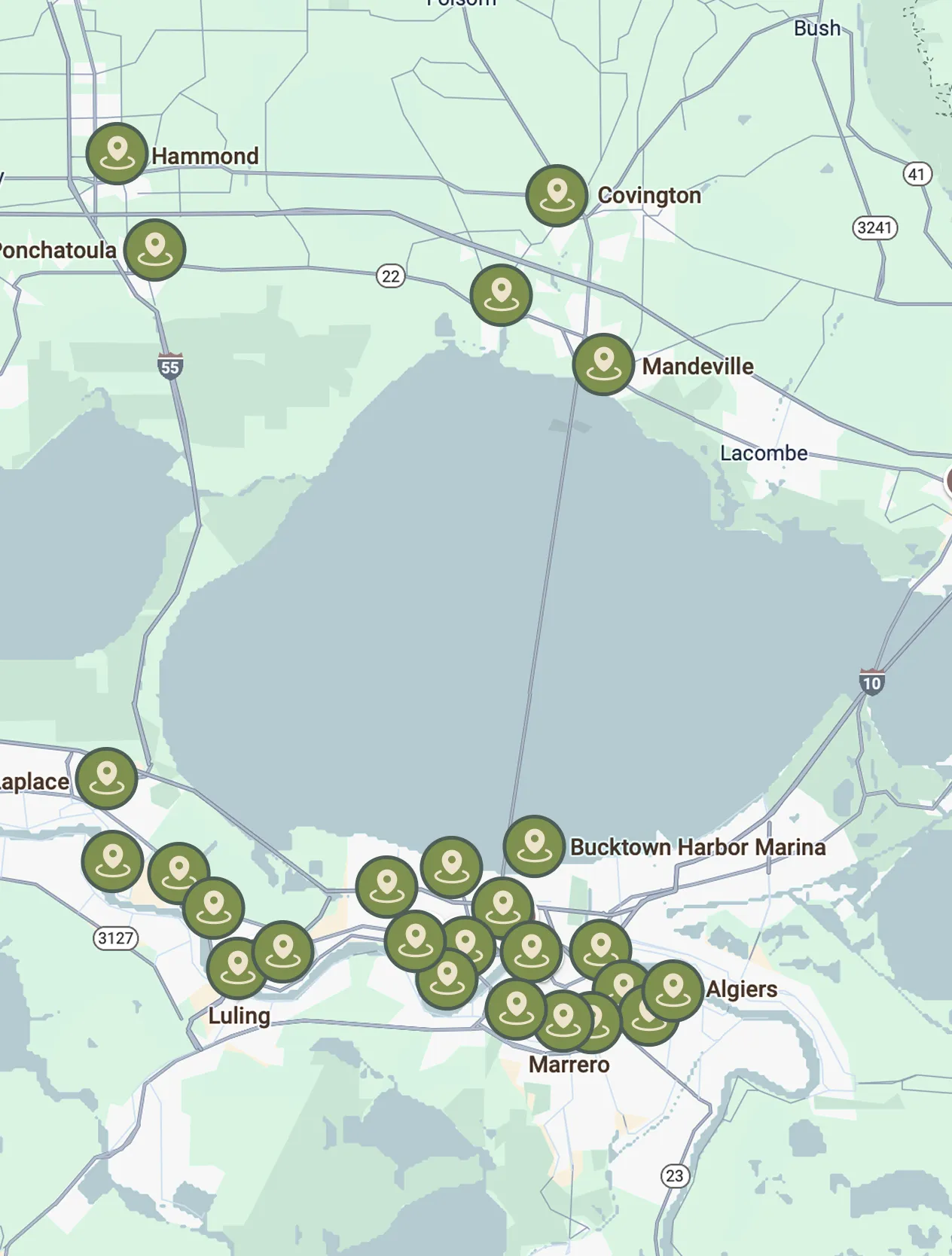
Our service areas are designed to meet the diverse needs of our clients. We focus on providing exceptional service and ensuring customer satisfaction in every location we operate.