Whole House Dehumidifiers in New Orleans, LA
.webp)
Learn how whole house dehumidifiers operate in New Orleans, including proper sizing, placement, installation, and maintenance. Cypress Cooling can help you explore expected humidity results and strategies for coordinating dehumidification with your HVAC system and filtration. We'll compare integrated ducted systems and standalone units, highlighting best practices for Gulf Coast homes, covering drainage, ducting, and control considerations. We'll also detail typical humidity targets, performance expectations in our hot, humid climate, and maintenance schedules to ensure efficiency. Additionally, Cypress Cooling can help you pair dehumidification with air quality upgrades and flood resilient strategies for lasting comfort.

Whole House Dehumidifiers in New Orleans, LA
Hot, humid air from the Gulf Coast makes indoor moisture control a year-round concern in New Orleans. Whole-house dehumidifiers in New Orleans, LA provide a reliable, centralized solution to reduce relative humidity, protect building materials, and improve indoor comfort without overworking your air conditioner. This page explains how integrated and standalone whole-home systems work, how to size and place them for New Orleans homes, installation and maintenance requirements, expected humidity results, and how to pair dehumidification with HVAC and filtration for best results.
Why whole-home dehumidification matters in New Orleans
High indoor humidity causes multiple problems that are especially common in New Orleans:
- Mold and mildew growth in basements, attics, walls, and cabinetry due to persistent moisture.
- Musty odors and allergen proliferation that worsen respiratory issues.
- Increased perceived heat, which drives up air conditioning runtime and energy use.
- Condensation on windows and cold surfaces that damages finishes and promotes rot.
- Moisture in crawlspaces and slab foundations after flooding or heavy rains, prolonging drying times.
A whole-house dehumidifier treats the entire conditioned space or ducted airflow so you get consistent humidity control across all living areas, reducing hotspots and the need for room-by-room portable units.
Types of whole-house dehumidifiers and how they work
There are two common approaches for whole-home dehumidification:
- Ducted (integrated) dehumidifiers: Installed in the HVAC return or plenum and connected to the existing duct system. They remove moisture from the air before distribution and work in concert with the furnace or air handler. This is the most seamless option for consistent humidity control in New Orleans homes with central HVAC.
- Standalone whole-house units: Larger, self-contained dehumidifiers placed in mechanical rooms, basements, or dedicated closets. These units handle the home's air without being directly tied to the HVAC, useful in properties where duct integration is impractical.
Both types use refrigeration-based dehumidification (air passes over cold coils; moisture condenses and drains away) and include controls such as humidistats and integration options for thermostats or building automation.
Sizing and placement guidance for New Orleans homes
Proper sizing is essential for reliable performance in the Gulf Coast climate. Key factors include:
- Square footage and ceiling height of conditioned space.
- Typical indoor humidity targets (New Orleans homes often need active dehumidification even when temperatures are moderate).
- Envelope tightness—older, historic homes and raised Creole cottages with leaky exteriors will have higher moisture loads.
- Areas of concern such as crawlspaces, basements, attics, and zones prone to flooding or condensation.
Best placement practices:
- For ducted systems: install in the return plenum or air handler space to treat the entire airflow evenly.
- For standalone units: place centrally in a mechanical room with an unobstructed airflow path to the rest of the house; consider ducting supply and return where practical to improve distribution.
- If crawlspace or attic moisture is a problem, address those spaces directly with dedicated dehumidification or encapsulation plus a supplemental whole-house strategy.
Installation requirements: drainage, ducting, and controls
Whole-house installation in New Orleans requires attention to a few site-specific details:
- Drainage: Condensate must be routed to a suitable drain, condensate pump, or floor drain. In flood-prone areas or where gravity drains are not available, install a reliable condensate pump and follow local code for flood resilience.
- Ducting: Duct integration should minimize pressure imbalances. Use insulated duct runs to avoid condensation and heat gain, especially in unconditioned attics where attic temperatures can drive moisture loads.
- Controls: A dedicated humidistat with adjustable setpoints lets you maintain a target relative humidity. Consider integration with existing thermostats or smart home systems for coordinated HVAC and dehumidification control.
- Electrical and clearance: Provide proper electrical service and clearance around the unit for airflow and maintenance. In New Orleans, consider elevated mounting options in areas subject to occasional basement flooding.
Expected indoor humidity results and performance
A correctly sized and installed whole-house dehumidifier will typically maintain indoor relative humidity in the mid 40s to low 50s percent range, depending on occupant preferences and outside conditions. Targeting 45% RH is often recommended in the Gulf Coast to balance comfort, mold prevention, and energy use. During extreme weather events or after flooding, additional drying or temporary measures may be needed until moisture loads stabilize.
Energy-efficient models with variable-speed fans and integrated controls will achieve consistent results with lower electricity use. Combining dehumidification with proper ventilation strategy helps avoid bringing in excess outdoor humidity during New Orleans’ muggy months.
Maintenance schedule and common service items
Regular maintenance keeps whole-house dehumidifiers running efficiently and extending their lifespan. Typical tasks and frequencies:
- Monthly: Check and clean intake grilles and accessible filters; verify condensate drain lines are clear and flowing.
- Quarterly: Inspect condensate pump (if present) and clean pump strainer; check drip pans and traps.
- Annually: Professional service to inspect refrigerant charge, check coils for debris, test electrical connections and controls, and perform leak checks.
- As needed: Replace filters per manufacturer guidance; address any unusual noises, reduced airflow, or persistent high humidity readings promptly.
In New Orleans, where airborne pollen, dust, and biological particulates are year-round, filter checks may need to be more frequent.
Pairing with HVAC and air filtration for best results
Whole-home dehumidification delivers the best results when coordinated with HVAC and indoor air quality systems:
- Pairing with the central air conditioner allows the HVAC to manage temperature while the dehumidifier focuses on moisture control for improved comfort and reduced AC runtime.
- Integrate with high-efficiency air filters or a whole-house air cleaner to capture mold spores and allergens that thrive in humid environments.
- In tight, energy-efficient homes, balance mechanical ventilation with dehumidification to supply fresh air without raising indoor humidity levels excessively.
- For homes with frequent flood exposure or chronic crawlspace moisture, combine dehumidification with crawlspace encapsulation and targeted space dehumidifiers.
Common issues and how professional service addresses them
Common whole house dehumidifier issues in New Orleans include clogged condensate lines from organic buildup, insufficient capacity for high moisture loads, improper duct integration creating uneven humidity, and condensate drainage problems in low-slope drain areas. A professional assessment will:
- Perform a moisture load calculation and recommend the right capacity and configuration.
- Address drainage and condensate pump sizing for flood-resilient operation.
- Recommend insulation and ductwork fixes to prevent condensation and heat gain.
- Set up controls and integration so dehumidification and HVAC operate efficiently together.
Whole-home dehumidification is a practical, long-term approach to combating the Gulf Coast’s persistent humidity. Proper selection, professional installation, and regular maintenance will protect your New Orleans home from mold, improve comfort, and help your HVAC system operate more efficiently.
OUR CLIENTS HAVE TO SAY ABOUT US



Service areas
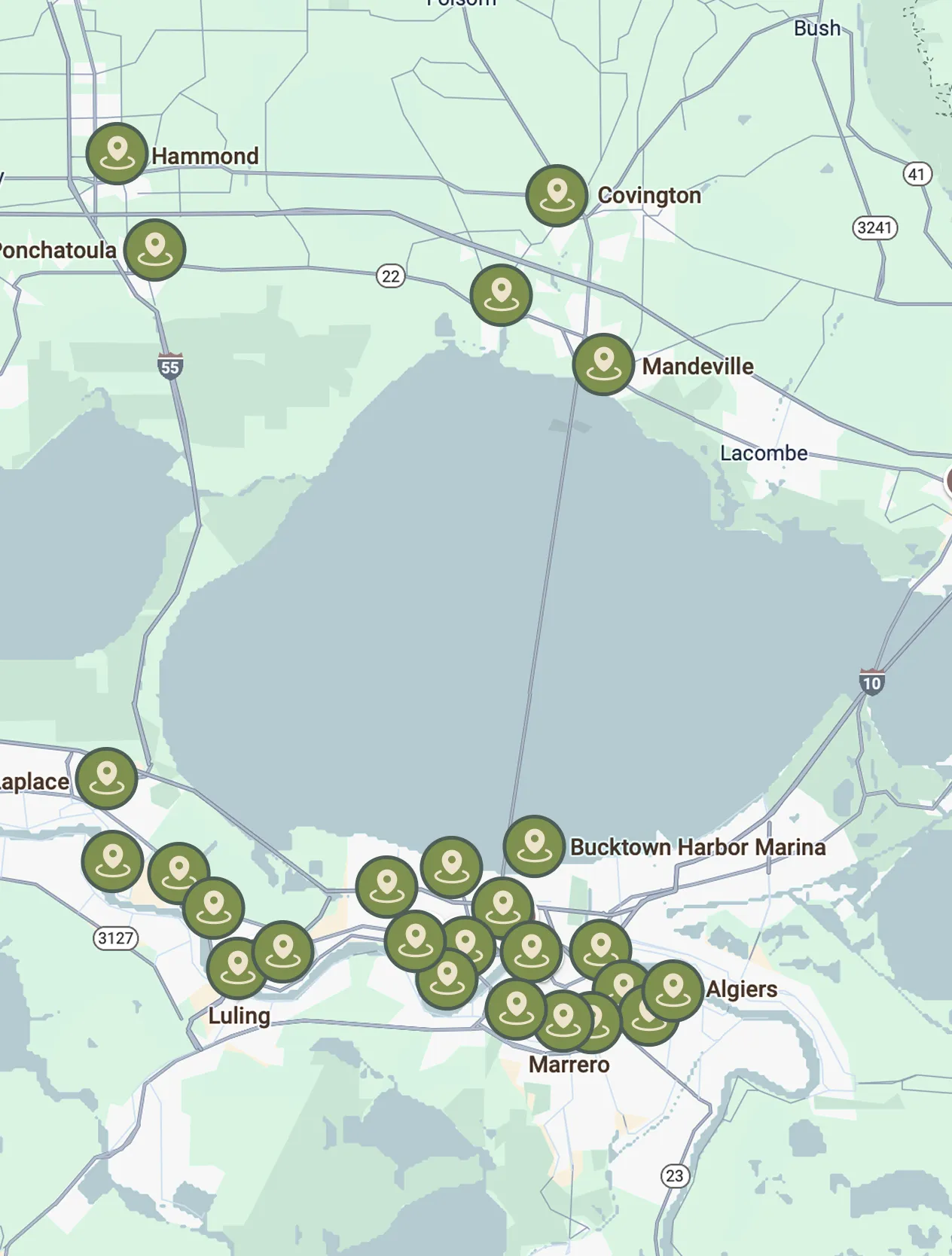
Our service areas are designed to meet the diverse needs of our clients. We focus on providing exceptional service and ensuring customer satisfaction in every location we operate.