An Essential Guide to Preventing Salt Air Corrosion
.webp)

Why Salt Air Near Lake Pontchartrain and the Gulf Is Quietly Destroying AC Units in South Louisiana
How salt air near Lake Pontchartrain and the Gulf of Mexico corrodes AC units comes down to a simple but relentless chemical process: salt particles carried on coastal winds land on your outdoor unit's metal surfaces, combine with moisture, and form an electrolyte solution that eats through aluminum fins, copper tubing, and electrical connections faster than most homeowners realize.
Here is a quick breakdown of what is happening to your system:
• Salt particles from Lake Pontchartrain and Gulf breezes settle on your outdoor condenser unit
• Moisture in the air (New Orleans averages 74% relative humidity year-round) activates those salt deposits into a corrosive electrolyte
• Metal components — especially aluminum fins and copper refrigerant lines — begin oxidizing and pitting
• Efficiency drops gradually as corroded coils struggle to transfer heat
• System lifespan shrinks from a potential 12-15 years down to as few as 5-8 years without protection
This is not a slow, invisible problem you can ignore. Homes within a mile of the shoreline can see visible corrosion within just a few years. And because South Louisiana's cooling season runs from April through October — with humidity near 100% from May through September — your AC unit almost never gets a break from the stress.
If you live near the lake, the bayous, or anywhere in the greater New Orleans area, your AC is working in one of the harshest environments in the country.

Key how salt air near lake pontchartrain and the gulf corrodes ac units vocabulary:
• how long does ac last in south louisiana
• how maintenance extends ac life in south louisiana heat
How Salt Air Near Lake Pontchartrain and the Gulf Corrodes AC Units
To understand why your air conditioner seems to age in dog years when you live in places like Mandeville, Slidell, or Bucktown, we have to look at the science of the air around us. The air sweeping off Lake Pontchartrain and the Gulf of Mexico is not just breezy and refreshing; it is heavily laden with microscopic sodium chloride (salt) particles.
When these tiny salt particles are carried by onshore winds, they settle directly onto the metallic components of your outdoor condenser unit. By itself, dry salt is relatively harmless. However, when you mix sodium chloride with South Louisiana’s legendary humidity, you create a highly conductive electrolyte solution. This liquid film coats the metal surfaces of your air conditioner, kickstarting a rapid electrochemical breakdown known as galvanic corrosion.
According to extensive Coastal HVAC corrosion research, this corrosive mist does not stop at the shoreline. Strong winds can carry microscopic salt deposits anywhere from 5 to 10 miles inland. This means that even if you live a few miles away from the lakefront in Metairie, Kenner, or Pontchartrain Gardens, your outdoor AC unit is still actively battling salt-induced decay.
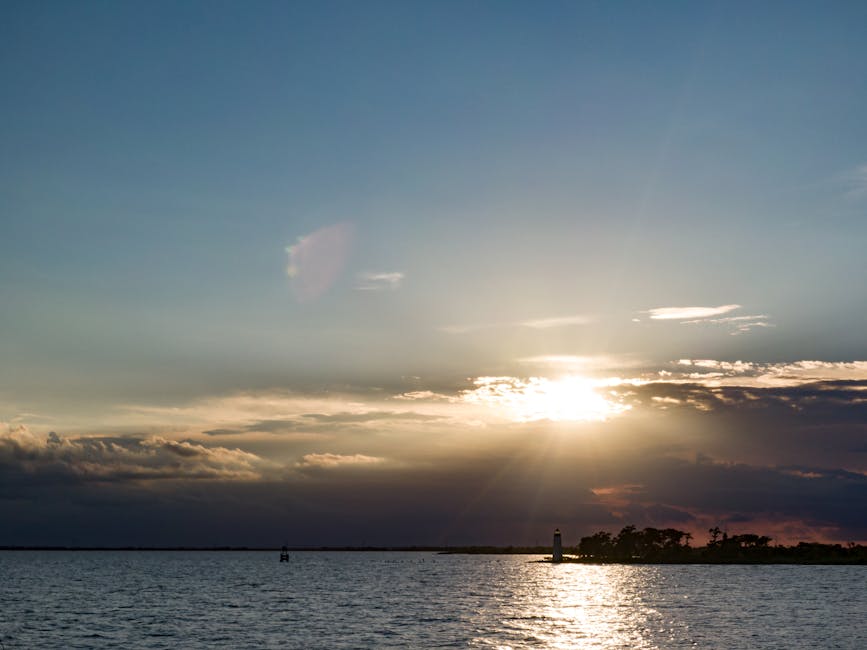
The Electrochemical Process: How Salt Air Near Lake Pontchartrain and the Gulf Corrodes AC Units
At the heart of your outdoor unit is the condenser coil, which is traditionally constructed using two different metals: copper tubing and aluminum fins. While this combination is incredibly efficient for heat transfer, it is an absolute disaster in a salty, humid environment.
When two dissimilar metals touch in the presence of an electrolyte (the salt-and-water mixture coating your unit), it creates a galvanic couple. In simple terms, your air conditioner’s coil turns into a weak, slow-motion battery. In this reaction, the aluminum fins act as a sacrificial metal to the copper tubing.
As chemical oxidation takes place, the aluminum begins to break down first. This causes the delicate, paper-thin aluminum fins to disintegrate, turn to dust, and flake away. Once these fins disappear or lose contact with the copper tubing, your system loses its ability to dump heat outside, forcing the compressor to run longer and hotter until it eventually burns out.
Why High Humidity and Coastal Winds Compound the Stress
In South Louisiana, we do not just have high humidity; we have humidity you can practically wear. This constant moisture compounds the corrosive effects of salt air through what scientists call the hygroscopic effect. Salt is naturally hygroscopic, meaning it actively attracts and binds with water molecules from the surrounding air.
When the relative humidity climbs above 65%—which is almost a constant reality in communities like Westwego, Algiers, and Destrehan—the salt deposited on your AC unit absorbs water directly from the air. This keeps the metal components damp for much longer periods than they would be in drier climates.
Additionally, high humidity represents a massive latent heat load. Your air conditioner has to work twice as hard to pull moisture out of your indoor air before it can even begin to lower the temperature. When you combine this grueling workload with a salt-crusted, corroded outdoor coil, you get a system running under extreme thermal stress. This often leads to unmistakable dirty condenser coil symptoms such as short-cycling, poor indoor humidity control, and skyrocketing utility bills.
Vulnerable Components and the Timeline of Coastal Damage
The harsh reality of living near the Gulf or Lake Pontchartrain is that standard, off-the-shelf air conditioning units simply are not built to survive here long-term. Without protective intervention, a standard residential AC unit that would easily last 15 to 20 years in an arid inland state will experience a dramatically shortened system lifespan here.
• Standard Residential Unit — Distance from Coast/Lake: Within 1 mile — Expected Lifespan (Unprotected): 5 – 7 years — Expected Lifespan (With Protection & Maintenance): 8 – 10 years
• Standard Residential Unit — Distance from Coast/Lake: 1 – 5 miles inland — Expected Lifespan (Unprotected): 7 – 10 years — Expected Lifespan (With Protection & Maintenance): 10 – 12 years
• Salt-Resistant / Coastal Model — Distance from Coast/Lake: Within 1 mile — Expected Lifespan (Unprotected): 8 – 10 years — Expected Lifespan (With Protection & Maintenance): 12 – 15 years
• Salt-Resistant / Coastal Model — Distance from Coast/Lake: 1 – 5 miles inland — Expected Lifespan (Unprotected): 10 – 12 years — Expected Lifespan (With Protection & Maintenance): 15+ years
As you can see, proximity to the water makes a massive difference. Without regular care, some coastal systems can suffer catastrophic failure in as little as five years.
Condenser Coils, Fan Motors, and Electrical Connections
While the condenser coils bear the brunt of the damage, salt air is an equal-opportunity destroyer. It aggressively attacks several key components:
• Condenser Coils: As galvanic corrosion destroys the bond between copper and aluminum, refrigerant lines develop tiny pinholes. This specific type of chemical decay, known as formicary corrosion, leads to hard-to-find refrigerant leaks that slowly starve your system of its cooling capacity.
• Fan Motors and Blades: Salt mist penetrates the bearings of your outdoor fan motor, drying out the lubrication and causing the motor to seize. The fan blades themselves can corrode and become unbalanced, putting extra strain on the motor shaft.
• Electrical Connections: Copper wiring, contactors, and capacitors are highly vulnerable. Salt buildup on electrical contacts leads to contactor pitting, voltage fluctuations, and short circuits that can instantly disable your system on a hot July afternoon.
These issues represent some of the common South Louisiana AC repairs we see on a regular basis in waterfront communities like Slidell, Mandeville, and Bucktown.
Warning Signs: How Salt Air Near Lake Pontchartrain and the Gulf Corrodes AC Units Over Time
Because salt corrosion is a gradual process, it can easily go unnoticed until your system stops cooling entirely. Keep a close eye out for these warning signs:
• White Powdery Buildup: If you notice a white, crusty, or powdery substance on your outdoor coils or copper lines, this is "white rust"—a clear indicator of active aluminum oxidation.
• Flaking Fins: Gently touch the metal fins on your outdoor unit. If they crumble like dry leaves or flake off in your hand, corrosion has already compromised the heat transfer process.
• Lukewarm Airflow: If the air blowing out of your indoor registers feels cool but not cold, your system is likely struggling to dump heat through a corroded outdoor coil.
• Rising Energy Bills: When your coils are coated in salt and corrosion, they act as an insulator rather than a conductor. Your system has to run longer to cool your home, leading to a steady climb in your monthly Entergy or local utility bills.
Salt-Resistant AC Features vs. Standard Systems
If you are facing a system replacement in a high-exposure area like Pontchartrain Gardens, Mandeville, or Madisonville, investing in a coastal-rated unit is one of the smartest decisions you can make. While these systems carry a slightly higher upfront cost, they are engineered specifically to withstand the brutal combination of salt air and high humidity.
Key Protective Technologies for Coastal Environments
What makes a salt-resistant air conditioner so much tougher than a standard model? Manufacturers utilize several advanced engineering techniques to shield vulnerable components:
• Specialized Coil Coatings: Instead of bare aluminum and copper, coastal units feature factory-applied protective coatings. These include phenolic epoxy coatings (like Heresite) or polymer-based barriers (like ElectroFin). These coatings wrap every millimeter of the coil in a physical barrier that prevents salt and water from contacting the raw metal.
• All-Aluminum Coils: Some modern systems utilize microchannel coils made entirely of aluminum. By eliminating copper from the coil design, manufacturers completely remove the "dissimilar metal" equation, preventing galvanic corrosion from ever starting.
• Stainless Steel Fasteners: Standard units often use zinc-plated steel screws that rust quickly. Coastal models use high-grade stainless steel or composite hardware that will not seize or bleed rust down the cabinet.
• Sealed Electrical Boxes: To keep salt air from pitting contacts and shorting out control boards, coastal units utilize gasket-sealed, weather-resistant electrical enclosures.
If you are trying to decide whether your current unit can handle another brutal summer or if it is time to upgrade, checking out our repair or replace guide can help you make an informed choice.
Proactive Maintenance Strategies to Protect Your Investment
Whether you have a standard air conditioner or a top-of-the-line coastal model, proactive maintenance is the absolute key to keeping your home comfortable and extending your equipment's operational life. In our harsh climate, skipping maintenance is not an option—it is a fast track to system failure.
For homeowners on the Northshore, scheduling regular AC maintenance in Mandeville ensures that salt buildup is washed away and minor corrosion is caught before it turns into a major breakdown.
DIY Maintenance Steps for South Louisiana Homeowners
While we always recommend professional inspections twice a year, there are several simple, highly effective steps you can take yourself to protect your outdoor unit:
• The Gentle Freshwater Rinse: Once a month (and immediately after major windstorms or tropical events), take your garden hose and gently rinse your outdoor condenser unit. Direct the water from the top down to flush salt deposits out of the aluminum fins. Never use a pressure washer, as the intense force will instantly bend and ruin the delicate aluminum fins.
• Maintain a Clearance Zone: Keep plants, shrubs, and weeds trimmed back at least two feet from your outdoor unit. Good airflow is critical for helping the unit dry out quickly after a rainstorm, which reduces the time salt sits in a wet, active state.
• Avoid Plastic Covers: Do not wrap your unit in a non-breathable plastic cover. This traps humidity inside, creating a "sauna effect" that accelerates rust and corrosion. If you must cover it during a storm, use a breathable, marine-grade mesh cover and remove it before turning the system back on.
Professional Care and Strategic Installation
When we perform professional maintenance, we go far beyond what can be done with a garden hose. Our team uses specialized, non-acidic coil cleaners that safely dissolve salt crust, grease, and biological growth without stripping away the metal's natural protective oxides.
If you live in Jefferson Parish, arranging for seasonal AC maintenance in Pontchartrain Gardens is a fantastic way to ensure your system is chemically cleaned, electrical connections are tightened, and capacitors are tested before the peak summer heat sets in.
Additionally, if you are installing a new system, placement matters. Positioning the outdoor unit on the leeward (sheltered) side of your home, away from prevailing wind patterns, can significantly reduce its exposure to salt spray. Installing a decorative windbreak or fence (while maintaining proper clearance) can also help deflect salt-laden breezes over and around your unit.
Frequently Asked Questions About Coastal AC Corrosion
How far inland does salt air affect my air conditioner?
Microscopic salt particles carried by coastal winds do not stop at the beach. Depending on wind speed, terrain, and local weather patterns, salt air can easily travel 5 to 10 miles inland. If you live anywhere near Lake Pontchartrain—including communities like Kenner, Metairie, Slidell, and Mandeville—your AC unit is well within the active corrosion zone.
Can I use a pressure washer to clean salt off my AC?
Absolutely not! While it is tempting to blast away dirt and salt with a pressure washer, the high-pressure stream will instantly bend and crush the paper-thin aluminum fins on your condenser coil. This restricts airflow, causes the compressor to overheat, and can permanently ruin your coil. Always use a standard garden hose with a gentle spray nozzle.
Does a standard manufacturer warranty cover salt air corrosion?
Generally, no. Most major HVAC manufacturers classify salt air corrosion as "environmental damage" or an "act of nature," similar to flood or storm damage. Because of this, standard parts warranties rarely cover the replacement of a rusted coil or corroded cabinet. However, some brands offer specialized coastal warranties if you can provide documentation of regular, professional maintenance.
Conclusion
Living near Lake Pontchartrain and the Gulf of Mexico offers incredible views, beautiful breezes, and a unique way of life—but it also demands that we take extra care of our homes' mechanical systems. Understanding how salt air near Lake Pontchartrain and the Gulf corrodes AC units is the first step in protecting one of your home's most important investments.
At Cypress Cooling Company, we are proud to serve as your South Louisiana HVAC experts. Our philosophy is simple: we diagnose, educate, and guide without high-pressure sales tactics. Whether you need a gentle, professional coil cleaning in Covington, a system check in Harahan, or expert advice on salt-resistant systems in Slidell, we are here to help you stay cool and comfortable year-round.
Ready to shield your system from the elements? Schedule professional AC services with our friendly team today!
OUR CLIENTS HAVE TO SAY ABOUT US



Service areas
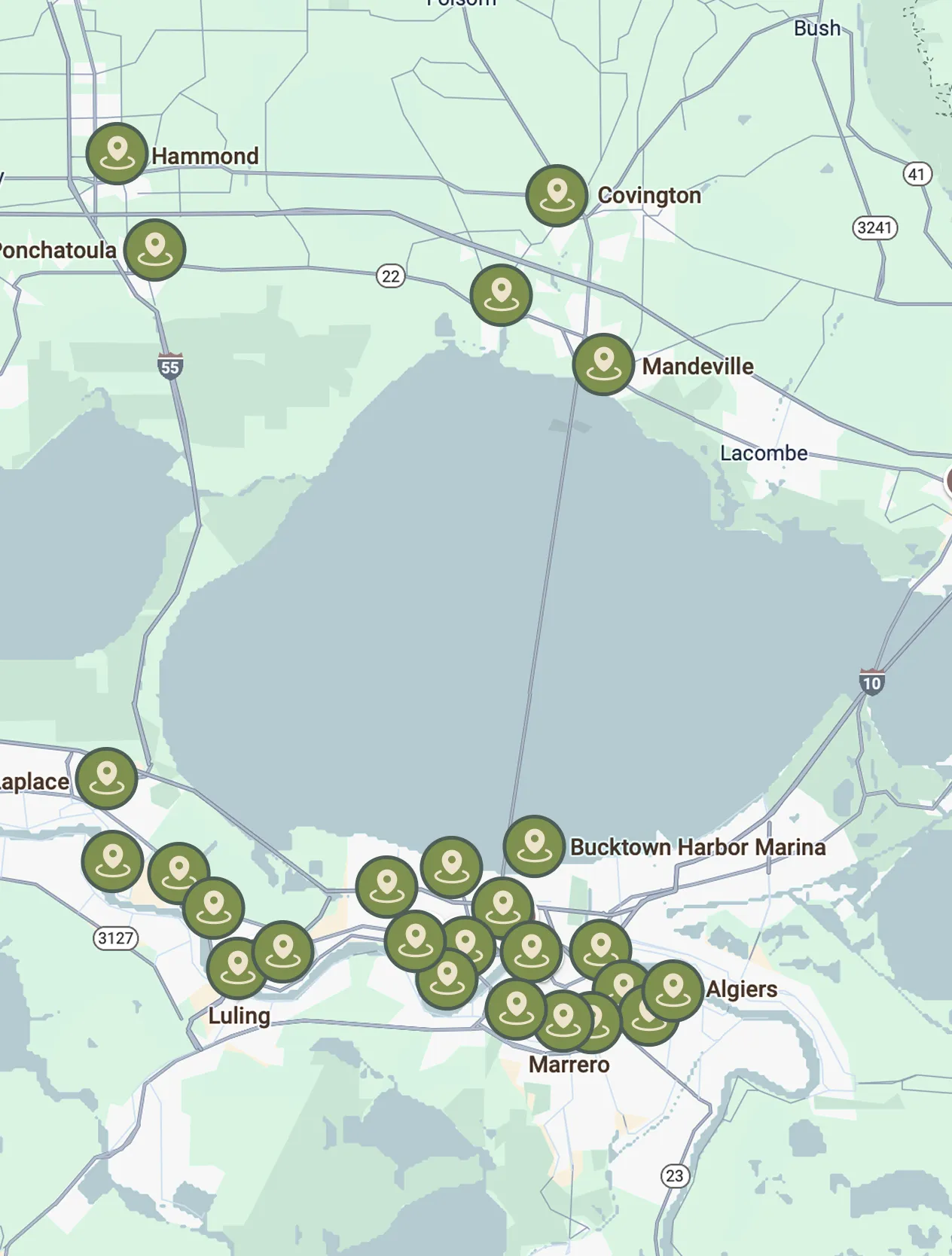
Our service areas are designed to meet the diverse needs of our clients. We focus on providing exceptional service and ensuring customer satisfaction in every location we operate.