The Definitive Guide to Heat Pump Lifespan in New Orleans
.webp)
How Long Does a Heat Pump Last in the Greater New Orleans Area?
How long does a heat pump last in the greater New Orleans area is a fair question — and the honest answer is shorter than most national guides will tell you. While the typical heat pump lasts 10 to 15 years across the United States, South Louisiana's subtropical climate changes that picture significantly. Here in the Greater New Orleans area, most air-source heat pumps realistically last 8 to 12 years due to the region's relentless humidity, extended cooling seasons, and year-round operation.
Here's a quick breakdown:
• Air-source heat pump — National Average Lifespan: 10-15 years — Greater New Orleans Estimate: 8-12 years
• Mini-split system — National Average Lifespan: 15-20 years — Greater New Orleans Estimate: 10-16 years
• Geothermal (indoor unit) — National Average Lifespan: 20-25 years — Greater New Orleans Estimate: 18-24 years
The gap between national averages and local reality comes down to a few key factors:
• High humidity — relative humidity regularly exceeds 80%, accelerating corrosion on coils and components
• Extended run time — the cooling season stretches from roughly April through October, meaning your system logs far more hours than units in cooler climates
• Year-round operation — unlike a traditional AC that sits idle in winter, a heat pump runs in both heating and cooling modes, accumulating wear in every season
• Thermal cycling — daily and seasonal temperature swings stress metal components over time
Louisiana averages 2,800 to 3,200 cooling degree days per year — two to three times the national average of 1,000 to 1,500. Think of it like mileage on a car: a heat pump in New Orleans simply racks up more hours faster than the same unit installed in a milder climate.
The good news is that lifespan isn't fixed. Consistent maintenance can push a New Orleans heat pump toward the upper end of that 8 to 12 year window — and in some cases, well-maintained systems have reached 15 years or more. The sections below walk through exactly what drives longevity here in South Louisiana, when to repair versus replace, and what you can do right now to get the most out of your system.

Environmental Stressors in South Louisiana
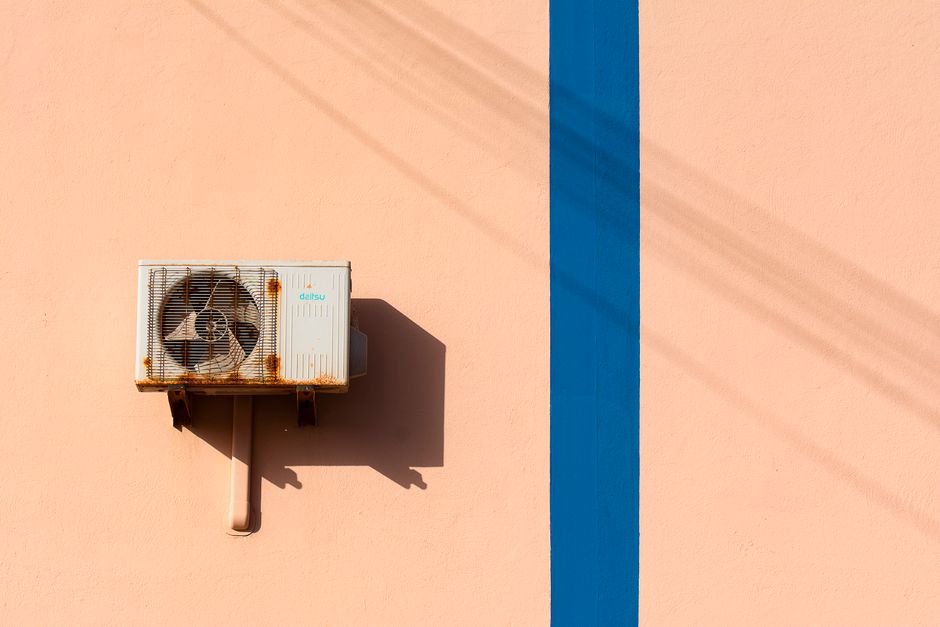
Heat pumps do well in the Greater New Orleans climate from a performance standpoint. Mild winters and a long cooling season make them a practical option for many homes. But "works well here" and "lasts a long time here" are not always the same thing.
South Louisiana puts outdoor equipment through a lot:
• High humidity keeps metal surfaces damp for long stretches
• Long summers increase compressor and fan run time
• Frequent rain and standing moisture speed up rust and corrosion
• Salt in the air, especially closer to coastal influences, can attack coils and cabinets
• Storms and flooding can damage electrical parts and controls
This is why local lifespan expectations are lower than broad national estimates you may see in general resources like Heat Pump Lifespan: How Long They Last and When to Replace.
Humidity is one of the biggest issues. When a system runs for months at a time in damp conditions, corrosion can start on coil fins, electrical connections, contactors, and cabinet fasteners. Even a well-built unit can age faster when it spends year after year in that environment.
Then there is simple runtime. A heat pump in New Orleans is often cooling for much of the year and still works in heating mode during winter. That means more wear on the compressor, blower, reversing valve, capacitors, and motors than a straight AC paired with a furnace that rests during the off-season.
Flooding deserves its own warning label. If an outdoor unit or any connected electrical component has been underwater, lifespan can drop quickly. Even if the system appears to restart, hidden corrosion and electrical damage may remain. In those cases, inspection before re-energizing is critical.
How Long Does a Heat Pump Last in the Greater New Orleans Area?
If you want the short answer, here it is again: most air-source heat pumps in the Greater New Orleans area last about 8 to 12 years.
That does not mean every system fails on its 8th birthday like it is blowing out candles. It means that in our service area, many units enter the high-repair, lower-efficiency stage earlier than national averages suggest.
Here is a useful side-by-side view:
• Air-source heat pump — National Lifespan: 10-15 years — Greater New Orleans Lifespan: 8-12 years — Why the Difference: Year-round use, humidity, corrosion
• Mini-split heat pump — National Lifespan: 15-20 years — Greater New Orleans Lifespan: 10-16 years — Why the Difference: Better zoning, but still exposed to local climate stress
• Geothermal indoor unit — National Lifespan: 20-25 years — Greater New Orleans Lifespan: 18-24 years — Why the Difference: More protected equipment, less outdoor exposure
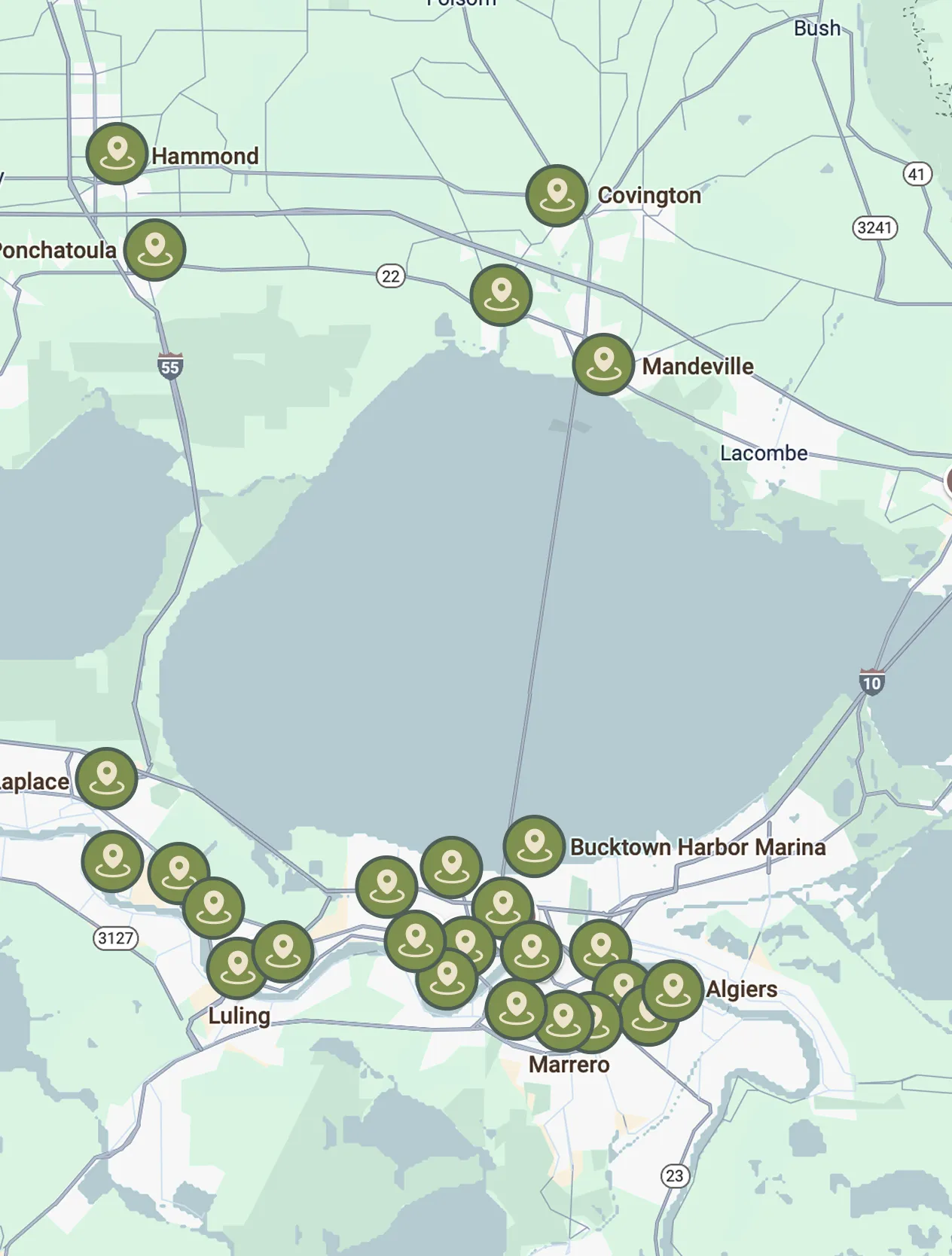
For homeowners researching Heat Pump Services, this local adjustment matters. A replacement timeline that makes sense in a drier, cooler region may be too optimistic for New Orleans, Metairie, Kenner, Gretna, Harahan, River Ridge, Slidell, Covington, Mandeville, and the rest of South Louisiana communities we serve.
How Long Does a Heat Pump Last in the Greater New Orleans Area Compared to National Averages?
National guidance usually says 10 to 15 years for a standard air-source heat pump, with some well-maintained units making it to 20. That is not wrong. It is just not tailored to our climate.
The Greater New Orleans area compresses that lifespan because systems here live a harder life:
• Cooling season commonly runs from April into October
• Humidity stays high for much of the year
• Winter is mild enough that heat pumps keep working instead of sitting idle
• Storm exposure adds risk that many inland climates do not face
In other words, New Orleans is good for heat pump efficiency but tough on heat pump longevity.
That is why local homeowners should use South Louisiana benchmarks, not just national averages. If your system is 10 years old and showing signs of decline, it may already be in the replacement conversation even if a generic article says you "should" have several years left.
If you are unsure how your home's location affects wear, our New Orleans HVAC Service Area page gives a better sense of the climate conditions we work in every day.
Maintenance Habits and How Long a Heat Pump Lasts in the Greater New Orleans Area
Climate matters, but maintenance still decides whether your system lands near the low end or high end of the range.
Two identical heat pumps can age very differently based on upkeep. One might struggle by year 8. Another might still be running well at year 12 or beyond. The difference is often boring, unglamorous stuff like filter changes and coil cleaning. HVAC lifespan is not very dramatic. It is mostly a story about doing the basics on time.
The maintenance habits that matter most include:
• Changing filters every 1 to 3 months, depending on the home, pets, and filter type
• Keeping the outdoor unit clear of leaves, grass, vines, and clutter
• Washing away dirt buildup on the outdoor coil when appropriate
• Addressing small issues before they become compressor-sized issues
• Scheduling professional tune-ups before peak cooling and heating seasons
Heat pumps especially benefit from regular care because they have to handle both heating and cooling. That means more operational hours and more opportunities for airflow, refrigerant, electrical, or defrost problems to shorten equipment life.
For more local guidance, see Optimizing Your Heat Pump in South Louisiana.
Maximizing Longevity Through Professional Care
If we had to give one simple recommendation for South Louisiana homeowners, it would be this: schedule professional maintenance twice a year.
That is more frequent than some national resources suggest, but New Orleans is not a low-demand market. A heat pump here usually needs:
• A spring visit to prepare for heavy cooling and humidity removal
• A fall visit to verify heating mode, defrost controls, and reversing valve operation
Biannual service helps us catch the quiet problems that reduce lifespan:
• Weak capacitors
• Dirty evaporator or condenser coils
• Loose electrical connections
• Refrigerant charge issues
• Drainage problems
• Airflow restrictions
• Early corrosion
Those small items are exactly the sort of things that can shave years off a system if left alone. Our Heat Pump Maintenance in New Orleans, LA page goes deeper into what regular service includes.
Essential Homeowner Maintenance Tasks
Homeowners can do a lot to help their heat pump last longer between service visits.
Start with the filter. A clogged filter reduces airflow, makes the blower work harder, and can lead to coil issues, poor humidity control, and extra strain on the compressor. In South Louisiana, where systems run for long stretches, filters can get dirty faster than many people expect.
A good basic checklist looks like this:
• Check your air filter monthly
• Replace it on schedule, usually every 1 to 3 months
• Keep 2 to 3 feet of clearance around the outdoor unit
• Remove leaves, weeds, grass clippings, and debris
• Make sure supply and return vents inside are not blocked
• Watch for unusual noises, new vibrations, or ice formation
• Keep thermostat settings steady instead of making big temperature swings
That last point matters more than people think. Large setbacks and sudden adjustments can push the system harder and may activate supplemental heat more often in winter.
For a seasonal checklist tailored to our region, visit Seasonal HVAC Preparation Checklist for South Louisiana.
The Role of Professional HVAC Maintenance Plans
A maintenance plan is not magic, but it does help people stay consistent. And consistency is what protects lifespan.
During professional maintenance, we are looking at details most homeowners should not have to wrestle with, including:
• Refrigerant levels and signs of leaks
• Electrical components and amp draw
• Contactor and capacitor condition
• Coil cleanliness
• Blower performance
• Defrost controls
• Reversing valve operation
• Drainage and moisture issues
• Thermostat calibration
This kind of testing matters because a heat pump can still "run" while quietly losing efficiency and accumulating wear. By the time comfort drops enough to be obvious, the root problem may have been there for months.
Our HVAC Maintenance Plan is built around that preventive approach. We diagnose, educate, and guide without selling, which is especially helpful when a homeowner is trying to decide whether a problem is minor, serious, or a sign of end-of-life decline.
Repair vs. Replace: Making the Right Decision for Your Home
At some point, every homeowner reaches the same crossroads: repair the heat pump again, or replace it?
There is no single age where replacement automatically becomes the right answer, but in the Greater New Orleans area, we usually look at a few big decision factors together:
• System age
• Frequency of repairs
• Cooling and heating performance
• Humidity control
• Energy use
• Refrigerant type
• Visible corrosion or flood exposure
A useful rule of thumb is the 50% rule. If a major repair approaches half the value of replacement, replacement often makes more long-term sense, especially on an older unit. Another practical guideline is to weigh age heavily once the system has passed about 75% of its expected local lifespan.
For an air-source heat pump in South Louisiana, that means the conversation often gets more serious around years 8 through 10, not just years 12 through 15.
General replacement warning signs align with broader guidance such as How Long Do Heat Pumps Last? - Trane®, but we always interpret them through a local lens.
When to Consider Heat Pump Replacement
Replacement may be the better option when you notice one or more of the following:
• The system is more than 10 years old and breaking down frequently
• It struggles to maintain temperature during normal weather
• Indoor humidity feels sticky even when the unit runs often
• Energy bills keep climbing without another obvious cause
• The outdoor unit shows significant rust or coil damage
• It uses R-22 refrigerant
• Repairs involve major components like the compressor or coil
• The system has been affected by flooding
R-22 matters because older systems that use it are harder to support over time. Even if they can still be repaired in some cases, that does not always make them the smartest long-term choice.
We also pay close attention to comfort. In New Orleans, a failing heat pump often shows up first as poor dehumidification, long run times, or uneven temperatures. Homeowners sometimes describe it as, "The house just never feels quite dry anymore." That is a real clue, not just summer complaining.
If your unit is in that gray zone, Heat Pump Replacement in New Orleans, LA can help you understand what comes next.
Comparing Heat Pumps to Traditional AC and Furnace Systems
In the Greater New Orleans area, heat pumps often make sense because our winters are mild and our cooling season is long. They also provide both heating and cooling from one system, which is convenient and efficient.
But from a lifespan perspective, heat pumps usually have one disadvantage compared to a traditional AC and furnace setup: they work year-round.
A central AC can get a seasonal break in winter. A furnace can sit idle for most of our long summer. A heat pump does not really get a vacation. It cools in summer, heats in winter, and keeps accumulating runtime.
That means:
• Heat pumps may wear out sooner than AC-only systems in our climate
• Furnaces often last longer than heat pumps because they operate less in South Louisiana
• Heat pumps can still be the better fit because they are efficient in mild winters
• Variable-speed systems can improve comfort and humidity control
• Dual-fuel setups may make sense in some homes, depending on the house and existing equipment
In short, heat pumps generally win on climate suitability and all-in-one convenience here, but not always on raw equipment lifespan. That is a normal tradeoff, not a flaw.
Frequently Asked Questions
What are the signs that my heat pump is failing?
Common warning signs include:
• Rising electric bills
• Hot and cold spots around the house
• Longer run times
• Frequent short cycling
• Strange noises like rattling, buzzing, or grinding
• Weak airflow
• Repeated repair visits
• Ice buildup that does not seem normal
• Trouble switching between heating and cooling modes
Any of these can point to aging components, airflow issues, refrigerant problems, or control failures. In New Orleans, declining humidity control is also a major red flag.
How often should I schedule professional service in New Orleans?
For most homes in the Greater New Orleans area, we recommend professional heat pump maintenance twice yearly:
• Spring, before the long cooling season
• Fall, before heating mode is needed
That schedule makes sense because heat pumps here run in both seasons and face heavy moisture load for much of the year. Annual maintenance is better than none, but biannual service is usually the better fit for South Louisiana conditions.
Does flooding affect the lifespan of my heat pump?
Yes, sometimes dramatically.
Floodwater can damage:
• Electrical connections
• Contactors and relays
• Motors
• Control boards
• Insulation
• Cabinet finishes and coil surfaces
Even if the system seems to work after the water recedes, hidden corrosion can keep developing. Equipment that has been submerged should be professionally inspected before being put back into service. Electrical safety standards matter here, and hidden damage should never be guessed at.
Conclusion
A heat pump in the Greater New Orleans area typically lasts 8 to 12 years, which is shorter than the national average because our climate is harder on equipment. High humidity, long cooling seasons, year-round operation, salt air exposure, and occasional flooding all add wear faster than many national articles account for.
The good news is that homeowners are not powerless. The biggest ways to extend lifespan are straightforward:
• Change filters regularly
• Keep the outdoor unit clean and clear
• Schedule professional maintenance twice a year
• Address small issues early
• Reassess repair decisions carefully once the system gets older
At Cypress Cooling Company, we help homeowners across South Louisiana make smart, informed decisions about heat pump care, repair, and replacement. We diagnose, educate, and guide without selling, so you can understand what your system really needs and what lifespan you can realistically expect in our climate.
If you want help evaluating your current unit or planning ahead, explore our Heat Pump Services.
OUR CLIENTS HAVE TO SAY ABOUT US



Service areas
Our service areas are designed to meet the diverse needs of our clients. We focus on providing exceptional service and ensuring customer satisfaction in every location we operate.