Heat Pump Maintenance in New Orleans, LA
.webp)
Keeping your heat pump well maintained is essential in New Orleans, where long, humid summers and occasional cold snaps place year round demand on comfort systems. Cypress Cooling provides regular heat pump maintenance in New Orleans, LA to protect performance, reduce utility costs, and extend equipment life—especially important here because coastal humidity, salt air, and seasonal storms accelerate wear and can cause hidden problems if systems go unchecked.
Heat Pump Maintenance in New Orleans, LA
Keeping your heat pump well-maintained is essential in New Orleans, where long, humid summers and occasional cold snaps place year-round demand on comfort systems. Regular heat pump maintenance in New Orleans, LA protects performance, reduces utility costs, and extends equipment life—especially important here because coastal humidity, salt air, and seasonal storms accelerate wear and can cause hidden problems if systems go unchecked.
Why routine heat pump maintenance matters in New Orleans
New Orleans homes face specific environmental challenges:
- High humidity increases coil and drain pan corrosion risk and encourages mold growth inside the system.
- Salt-laden air in coastal neighborhoods accelerates outdoor coil and component corrosion.
- Extended cooling seasons mean compressors and fans run more hours, increasing wear.
- Storms and flooding events can cause electrical issues and accelerate deterioration.
Routine maintenance addresses these factors before they become expensive failures. Well-maintained systems run more efficiently, deliver more consistent comfort, and are less likely to break down during the busiest times of year.
Common heat pump problems in New Orleans
Homeowners here commonly report:
- Reduced cooling capacity and higher utility bills due to dirty coils and clogged filters
- Short cycling or uneven temperatures from improper refrigerant charge or thermostat calibration
- Frozen evaporator coils caused by restricted airflow or low refrigerant
- Drain pan clogs and condensate line backups leading to indoor water damage and mold
- Corrosion to outdoor coil fins and electrical connections from humidity and salt
- Post-storm electrical faults or control board failures
Recognizing these trends helps target maintenance tasks that deliver the biggest benefits in this region.
Seasonal tune-up checklist — what a professional inspection includes
A comprehensive seasonal tune-up for heat pumps in New Orleans typically covers the following items:
- Visual inspection of indoor and outdoor units for corrosion, physical damage, and pest intrusion
- Filter inspection and replacement or recommendation based on usage and indoor air quality
- Coil cleaning (evaporator and condenser) to restore heat transfer efficiency
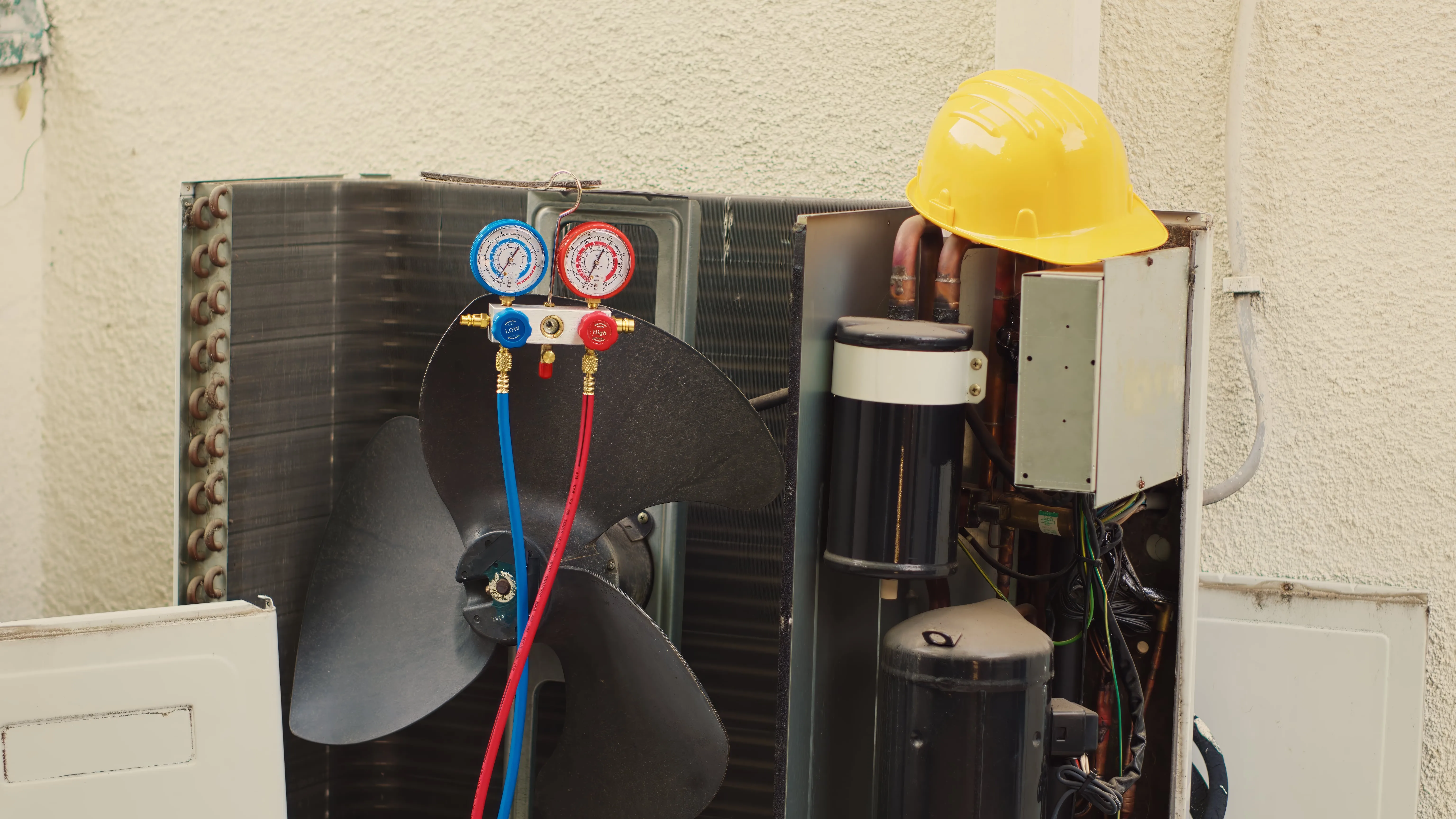
- Refrigerant level check and leak investigation; document pressures and temperatures
- Airflow assessment (blower wheel, fan motor, duct connections) and measurement of static pressure
- Thermostat calibration and control system checks, including correct heating/cooling setpoints and cycle rates
- Electrical safety inspection: tighten connections, test breakers, inspect capacitors and contactors
- Drain pan and condensate line clearing; check for proper slope and functioning trap
- Lubrication of accessible moving parts if applicable
- System performance test: start-up under load, measure temperature split, and evaluate run times
- Safety controls check (reverse valve operation, defrost cycle testing in cool months)
- Documentation of findings and recommended repairs or adjustments
Diagnostic approach and what to expect during service
A professional technician applies a methodical diagnostic process: confirm the homeowner’s comfort concerns, perform measured tests (temperature differentials, refrigerant pressures, amp draws), and inspect for environmental damage typical to New Orleans properties. Technicians prioritize safety checks first, then performance-tuning tasks that yield immediate efficiency gains.
Common diagnostic steps:
- Verify thermostat settings and establish baseline indoor/outdoor temperatures.
- Measure airflow and inspect filters and ductwork for obstructions.
- Check refrigerant pressures and superheat/subcooling to identify leaks or charge issues.
- Inspect electrical components and controls for signs of stress or corrosion.
- Run the system through a heat and cool cycle to observe defrost operation and compressor behavior.
This data-driven approach ensures repairs address root causes, not just symptoms, so you avoid repeat visits and emergency breakdowns.
Maintenance plan options (what to expect from membership)
Maintenance plans for New Orleans homeowners are typically structured to match usage patterns and environmental risks. Plans often include:
- Scheduled biannual tune-ups (spring and fall) timed to prepare the system for peak cooling and the transition into heating season
- Priority scheduling for service calls during seasonal spikes and after storms
- Routine filter replacement or supply options based on the home’s indoor air needs
- Seasonal system performance reports and documentation of work completed
- Discounts on repair parts or labor and waived diagnostic fees for members
- Optional add-ons such as coil protective treatments designed to inhibit corrosion in coastal areas
Plans are designed to reduce emergency repairs and spread care costs over the year while preserving system efficiency and reliability.
Recommended service frequency
For New Orleans conditions, the typical recommendation is:
- Biannual professional service (pre-summer and pre-winter) for most homes
- Quarterly checks for homes with high indoor pollutant loads, heavy usage, or systems in salt-exposed locations
- More frequent filter changes during high-pollen months or when indoor humidity is elevated
Regularly scheduled service ensures the system is tuned for peak performance when you need it most.
How maintenance reduces emergency repairs and utility costs
Consistent maintenance reduces risk and expense in three main ways:
- Efficiency retention: Clean coils, proper refrigerant charge, and unobstructed airflow keep energy use low, lowering monthly utility bills.
- Early detection: Small issues such as minor refrigerant leaks or failing capacitors are caught before they lead to compressor failures or major electrical faults.
- Longevity: Routine lubrication, cleaning, and tightening of electrical connections reduce wear and extend the lifecycle of major components, delaying replacement.
In a climate like New Orleans, preventing corrosion and water-related problems is particularly valuable for avoiding expensive emergency repairs after storms or during peak cooling demand.
Practical homeowner tips between tune-ups
- Replace or clean filters monthly during heavy use months; at minimum check monthly.
- Keep at least two feet of clearance around the outdoor unit; trim vegetation and rinse off salt and debris after storms.
- Set thermostats to consistent setpoints and use programmable schedules to avoid extreme cycling.
- Monitor for warning signs: increasing energy bills, unusual noises, water around indoor units, or erratic cycling.
- Record service dates and findings so technicians can track trends over time.
Regular upkeep combined with professional seasonal inspections gives the best protection against unexpected failures and keeps your heat pump performing efficiently in New Orleans’ unique climate.
OUR CLIENTS HAVE TO SAY ABOUT US



Service areas
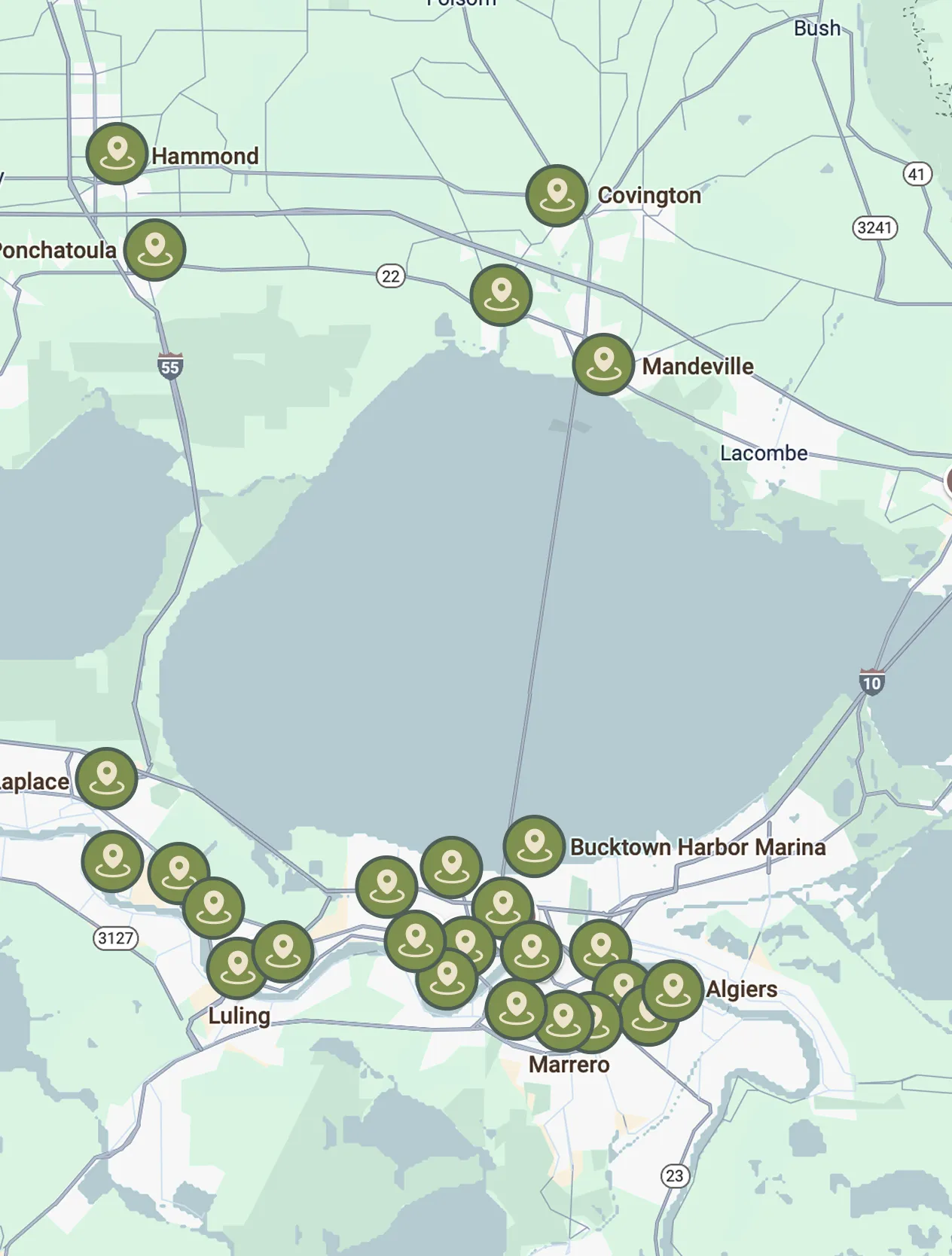
Our service areas are designed to meet the diverse needs of our clients. We focus on providing exceptional service and ensuring customer satisfaction in every location we operate.