Heat Pump Tune-Up in New Orleans, LA
.webp)
Keeping a heat pump reliable in New Orleans requires more than basic upkeep, and Cypress Cooling understands this. The Gulf Coast climate brings long cooling seasons, heavy humidity, salt-laden air, and frequent storm exposure—all of which speed up coil fouling, corrosion, and mold growth. These issues drive up energy costs and increase the risk of sudden failures. A seasonal heat pump tune-up from Cypress Cooling in New Orleans provides a focused inspection and maintenance service that restores efficiency, enhances indoor comfort, and lowers the likelihood of emergency breakdowns during peak demand.
%2520(2)-min.webp)
Heat Pump Tune-up in New Orleans, LA
Maintaining a reliable heat pump in New Orleans means addressing more than routine wear. The Gulf Coast climate combines long cooling seasons, high humidity, airborne salt, and frequent storm exposure. Those factors accelerate coil fouling, corrosion, and mold growth, which lead to higher energy use and unexpected failures. A seasonal heat pump tune-up in New Orleans homes is a targeted inspection and maintenance visit that restores efficiency, improves comfort, and reduces the risk of emergency breakdowns when you need your system most.
What a seasonal heat pump tune-up includes
A professional tune-up is a methodical, step-by-step service that covers the components most likely to affect performance and longevity. Typical tasks include:
- Visual inspection of indoor and outdoor units for corrosion, damage from wind or debris, and refrigerant line insulation condition.
- Cleaning evaporator and condenser coils to restore heat transfer and airflow.
- Checking and verifying refrigerant pressures and charge to ensure the system is operating within manufacturer specifications.
- Measuring electrical supply, tightening electrical connections, and testing capacitors and contactors for wear.
- Lubricating motors and fan bearings where applicable to reduce friction and prolong component life.
- Inspecting and cleaning the condensate drain and pan to prevent clogs and microbial growth.
- Verifying thermostat operation and recalibrating if needed to ensure accurate set points.
- Testing system controls, reversing valve operation, and defrost cycle on heat pump models to confirm reliable heating function.
- Replacing or recommending filter changes and noting airflow restrictions from ductwork or vents.
Each task is performed with tools and measurements designed to find both immediate faults and developing issues that can cause costly repairs later.
Diagnostics and performance checks
A thorough tune-up includes objective performance testing so you know how your system is performing now and what to expect going forward:
- Temperature split measurement across the evaporator coil to assess cooling efficiency.
- Voltage and amperage readings on compressors and fan motors to detect electrical stress.
- Refrigerant pressure and superheat/subcooling checks to identify leaks or incorrect charge.
- Airflow checks and static pressure testing to uncover duct restrictions or blower issues.
- Defrost and reversing valve tests to ensure dependable heat mode operation.
- Safety control verification including high/low pressure switches and float switches for condensate.
These diagnostics produce a clear baseline that helps determine whether cleaning and adjustments are sufficient or whether targeted repairs are needed.
Expected duration and reporting
- Typical duration for a tune-up on a standard split-system heat pump is 60 to 90 minutes. Larger systems, packaged units, or homes with difficult access may require 90 to 120 minutes.
- After testing and service, you should receive a written tune-up report that documents the inspection findings, measured values (temperatures, pressures, electrical readings), and recommended next steps. The report prioritizes safety or efficiency items and explains the potential consequences of delaying repairs.
A clear report helps homeowners compare performance between seasons and supports warranty compliance for many manufacturers.
Common heat pump issues in New Orleans homes
New Orleans presents some recurring challenges that tune-ups are designed to catch early:
- Coil corrosion and reduced heat transfer from salt-laden air and humid conditions.
- Clogged coils and filters due to extended cooling seasons, mold, and airborne pollen.
- Refrigerant leaks from corrosion or vibration loosening fittings.
- Fan motor or capacitor failures from electrical stress and high run-hours.
- Condensate drain clogs leading to indoor humidity problems and microbial growth.
- Control board damage and electrical connection corrosion after storms or high humidity events.
- Frozen coils caused by low airflow or refrigerant imbalance, leading to intermittent or reduced cooling.
Addressing these issues during a tune-up avoids efficiency losses and the higher repair costs that follow neglected maintenance.
Recommended scheduling for New Orleans
For year-round reliability in New Orleans, schedule tune-ups seasonally:
- Spring tune-up: before peak cooling demand, to prepare for prolonged air conditioning use and to remove winter grime or storm debris.
- Fall tune-up: before cooler months to verify heat mode performance and defrost cycle operation.
Because New Orleans can experience severe weather and salt spray during hurricane season, inspect outdoor equipment after major storms. Regular seasonal service is especially important for homes near the river or Gulf where corrosion risk is higher.
Energy, indoor air quality, and longevity benefits
Regular tune-ups deliver measurable benefits for New Orleans homeowners:
- Improved energy efficiency from clean coils and correct refrigerant charge results in lower utility use during extended cooling seasons.
- More consistent comfort and fewer temperature swings because airflow, thermostat accuracy, and control functions are optimized.
- Longer equipment life since motors, bearings, and electrical connections are maintained to reduce premature failure.
- Better indoor air quality through clean coils, clear condensate drains, and timely filter changes, which reduces mold and allergen circulation in humid climates.
- Reduced frequency of emergency repairs and replacements, which is particularly valuable during hot-and-humid stretches when contractor availability is limited.
Routine maintenance also helps validate warranty requirements for many manufacturers, preserving coverage for major components.
How often and what to do between services
- Schedule professional tune-ups at least once a year, with seasonal visits (spring and fall) preferred for heat pumps used year-round.
- Replace or inspect filters every 1 to 3 months depending on occupancy, pets, and indoor air quality needs.
- Keep the outdoor unit clear of leaves, mulch, and vegetation; rinse salt accumulation if your property is near the water.
- Check the condensate drain visually for slow drainage or signs of overflow, especially during heavy use.
- After storms, visually inspect the outdoor unit for bent fins, debris, or water intrusion and note any unusual noises during operation.
Regular homeowner checks plus professional seasonal tune-ups create a proactive maintenance rhythm that preserves performance and avoids surprises.
Regular tune-ups in New Orleans are a practical investment in system reliability and energy savings. By focusing on coil cleanliness, correct refrigerant charge, electrical integrity, and proper airflow, seasonal maintenance protects comfort and extends equipment life so your heat pump performs efficiently through the citys unique climate challenges.
OUR CLIENTS HAVE TO SAY ABOUT US



Service areas
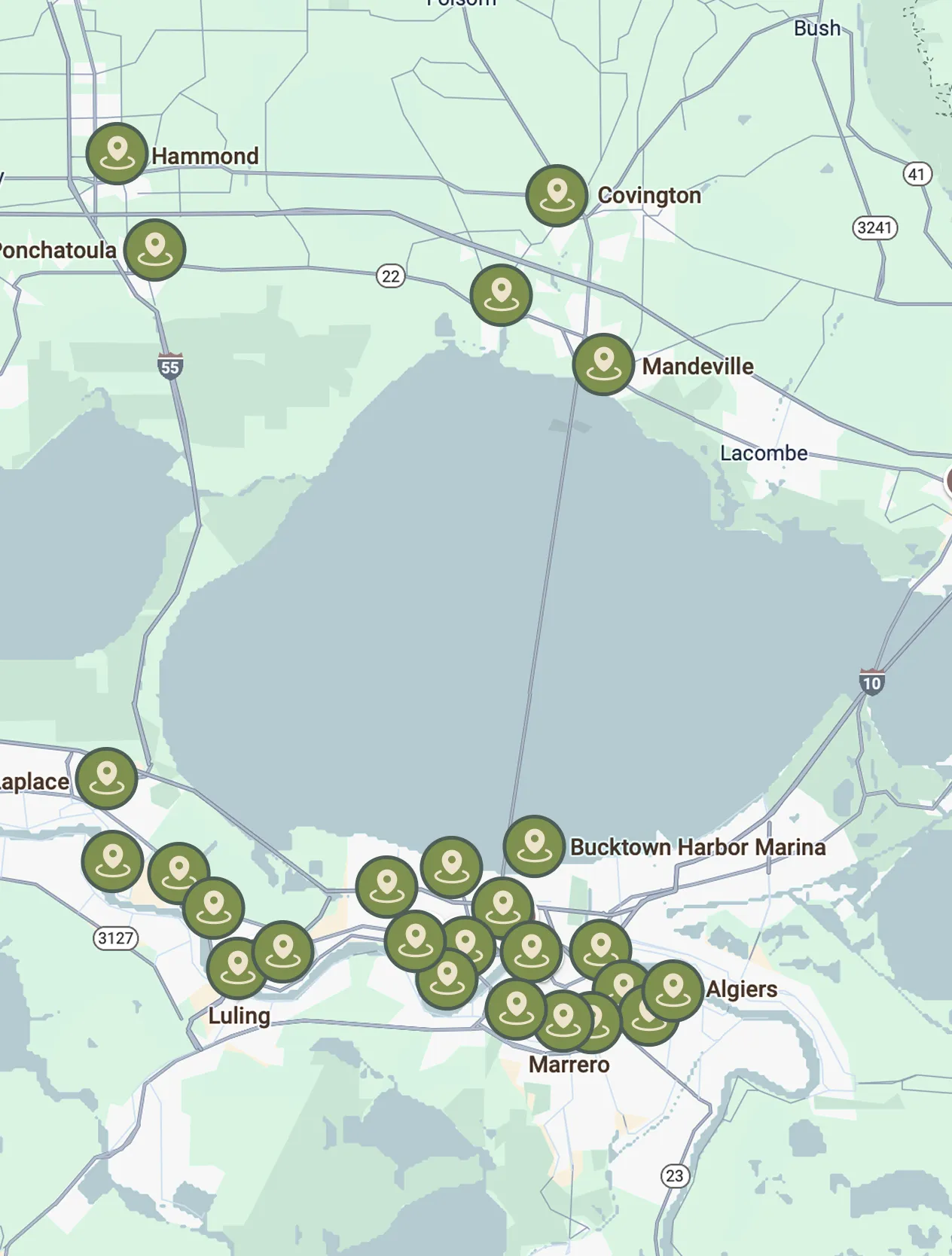
Our service areas are designed to meet the diverse needs of our clients. We focus on providing exceptional service and ensuring customer satisfaction in every location we operate.