Heat Pump Repair in New Orleans, LA
.webp)
Cypress Cooling's heat pump repair services in New Orleans, LA, are specifically designed to address the challenges posed by humid subtropical conditions, coastal corrosion, and storm related power events. We outline common symptoms, a structured diagnostic approach, and practical repair options. Cypress Cooling explains typical response times, emergency availability, and financing pathways, along with estimates, warranties, and parts information. We also cover technician credentials, safety standards, and the scheduling process homeowners follow to obtain diagnosis, approval, and timely repair or replacement when needed. Our goal is to help homeowners plan proactive maintenance to keep their systems running smoothly.
%2520(9)-min.jpeg)
Heat Pump Repair in New Orleans, LA
Keeping a heat pump running reliably in New Orleans requires attention to humid subtropical conditions, coastal corrosion risk, and frequent storm-related power events. If your system shows signs of failing to heat or cool, short cycling, strange noises, or visible refrigerant issues, timely professional heat pump repair can prevent higher costs and uncomfortable indoor conditions. This page explains common symptoms, the diagnostic approach technicians use, typical repair solutions, expected response times and emergency options, estimate and pricing guidance, warranty and parts information, technician credentials, and the steps homeowners typically follow to schedule service or apply for financing.
Why New Orleans homes need prompt heat pump repair
New Orleans weather combines high humidity, salt air, and frequent temperature swings that stress heat pump components. Moisture and salt accelerate coil corrosion and electrical connector deterioration. Heavy summer use and mild winters mean many systems run year round, increasing wear. Storms and power fluctuations can cause control board or compressor damage. All of these factors make rapid diagnosis and repair essential to restore comfort and avoid costly compressor failures.
Common heat pump symptoms in New Orleans
- Loss of heating or cooling: Unit runs but indoor temperature does not change, or system does not switch between modes.
- Short cycling: System turns on and off frequently, which increases energy use and shortens component life.
- Refrigerant leaks: Reduced cooling capacity, ice on coils, or oily residue around refrigerant lines.
- Odd noises: Grinding, screeching, humming, or rattling can indicate motor, compressor, or fan problems.
- Poor airflow: Weak vents or warm return air point to blower or duct issues.
- Frozen outdoor coil or indoor evaporator: Insects, pollen, dirty coils, or low refrigerant can cause icing.
- Electrical issues: Tripped breakers, visible burn marks, or complete lack of power to the unit.
- Frequent defrost cycles: Excessive frost that does not clear suggests defrost control failure or sensor fault.
Diagnostic process technicians use
A systematic diagnostic approach reduces guesswork and targets the root cause.
- Initial inspection
- Visual check of outdoor unit, indoor coil, air filter, and access panels.
- Look for corrosion, oil stains, debris, animal nests, and drain blockages.
- Operational tests
- Verify modes, thermostat function, and observe a full cycle.
- Measure supply and return temperatures to calculate temperature split.
- Electrical testing
- Check voltage and amperage at compressor and fan motors.
- Inspect capacitors, contactors, relays, and control boards for wear or failure.
- Refrigerant evaluation
- Use gauges to check pressures and subcooling or superheat.
- Perform leak detection with electronic sniffers or dyes when needed.
- Airflow and drainage checks
- Measure static pressure and airflow; inspect blower wheel and filters.
- Confirm condensate pan and drain line condition.
- Component-level diagnostics
- Test motors, compressors, reversing valves, and thermostatic devices.
- Verify defrost controls and sensors in cold-weather cycles.
Technicians document findings, note safety concerns, and present repair options aligned with the system condition.
Typical repair solutions
Repairs focus on restoring performance safely and efficiently while addressing local environmental impacts.
- Electrical repairs and replacements
- Replace failing capacitors, contactors, relays, or damaged wiring caused by corrosion or power surges.
- Refrigerant service
- Locate and repair leaks, evacuate and recharge to manufacturer specifications, and verify proper pressures.
- Fan and blower repairs
- Replace or rebalance fan motors and blower wheels that are noisy or underperforming due to moisture or debris buildup.
- Compressor and reversing valve
- Replace failed compressors or reversing valves when necessary; in New Orleans, prolonged salt exposure can increase failure risk.
- Control board and thermostat fixes
- Update or replace control boards damaged by voltage spikes; recalibrate thermostats and control sensors.
- Coil cleaning and corrosion protection
- Clean condenser and evaporator coils to restore heat transfer; apply protective coatings when appropriate to reduce future corrosion.
- Drain and condensate solutions
- Clear or replace drain lines, install or repair condensate pumps, and treat for mold or clogs common in humid climates.
- Temporary emergency fixes
- Bypass faulty components to restore limited operation until full repairs are completed when needed for comfort or safety.
Major replacements may trigger local permit requirements for significant system changes. Technicians typically advise on compliance and handle permit coordination when required.
Expected response times and emergency repair options
- Typical response windows: Residential heat pump repairs are often scheduled within 24 to 72 hours depending on workload, part availability, and severity.
- Same-day or next-day service: For loss of heating or cooling during extreme conditions or vulnerable occupants, many providers prioritize faster response.
- Emergency repairs: During storms or system failures that pose health or safety risks, emergency crews may be available 24/7 to diagnose and perform temporary or permanent repairs.
- Parts availability: Response times can extend if specialized parts are required. Local stocking and good supplier networks reduce delays.
Estimates and pricing guidance
Heat pump repair costs vary by the faulty component, labor complexity, refrigerant type, and parts availability. Factors that influence price include:
- Age and model of the heat pump
- Whether refrigerant leak repair is required
- Need for major components such as compressor or control board
- Accessibility of the unit and extent of corrosion or secondary damage
- Permit or code compliance work
Professional estimates typically begin with a diagnostic fee covering the inspection and tests. After diagnosis, homeowners receive a written estimate outlining parts, labor, and warranty terms. Estimates commonly present repair options: repair now, replace component later, or full system replacement if repair is not cost effective.
Warranty and parts information
- Manufacturer warranties: Many components are covered under manufacturer parts warranties; labor is usually separate.
- Aftermarket parts: When aftermarket parts are used, warranty terms vary by supplier and installer.
- Labor warranties: Reputable technicians provide labor warranties for a defined period after repair. Duration and coverage should be documented in the estimate.
- Registration and documentation: Keep manufacturer paperwork and invoices to facilitate warranty claims. Technicians can help verify whether a repair is covered.
Technician credentials and safety standards
- Technicians should hold appropriate state licensing and carry EPA Section 608 certification for refrigerant handling.
- Look for industry credentials such as NATE certification and manufacturer-specific training for certain equipment lines.
- Proper safety practices include lockout tagout procedures, use of personal protective equipment, and adherence to local electrical and mechanical codes.
- Background-checked and trained technicians reduce the risk of improper repair and ensure code-compliant work in New Orleans homes.
How scheduling and financing typically work
- Scheduling usually follows a short call or online booking, where the customer provides system make, model, and symptoms. An initial appointment window is set, and technicians arrive prepared with common diagnostic tools.
- After on-site diagnosis, a written estimate is provided showing repair options and timelines. The estimate includes parts and labor and specifies warranty coverage.
- Financing options are often available for larger repairs or replacements through third-party lenders. The typical process includes an application, approval based on credit, and structured repayment terms. Technicians or service advisors usually explain financing steps and documentation required.
- For emergency work, temporary measures may be applied immediately with a follow-up plan for full repair or replacement.
ConclusionHeat pump repair in New Orleans, LA requires attention to local climate stresses, corrosion risk, and storm-related electrical issues. A clear diagnostic process, transparent estimates, appropriately certified technicians, and proper warranty coverage are essential for restoring reliable heating and cooling. Understanding common symptoms and the typical repair pathway helps homeowners make informed decisions when service is needed.
OUR CLIENTS HAVE TO SAY ABOUT US



Service areas
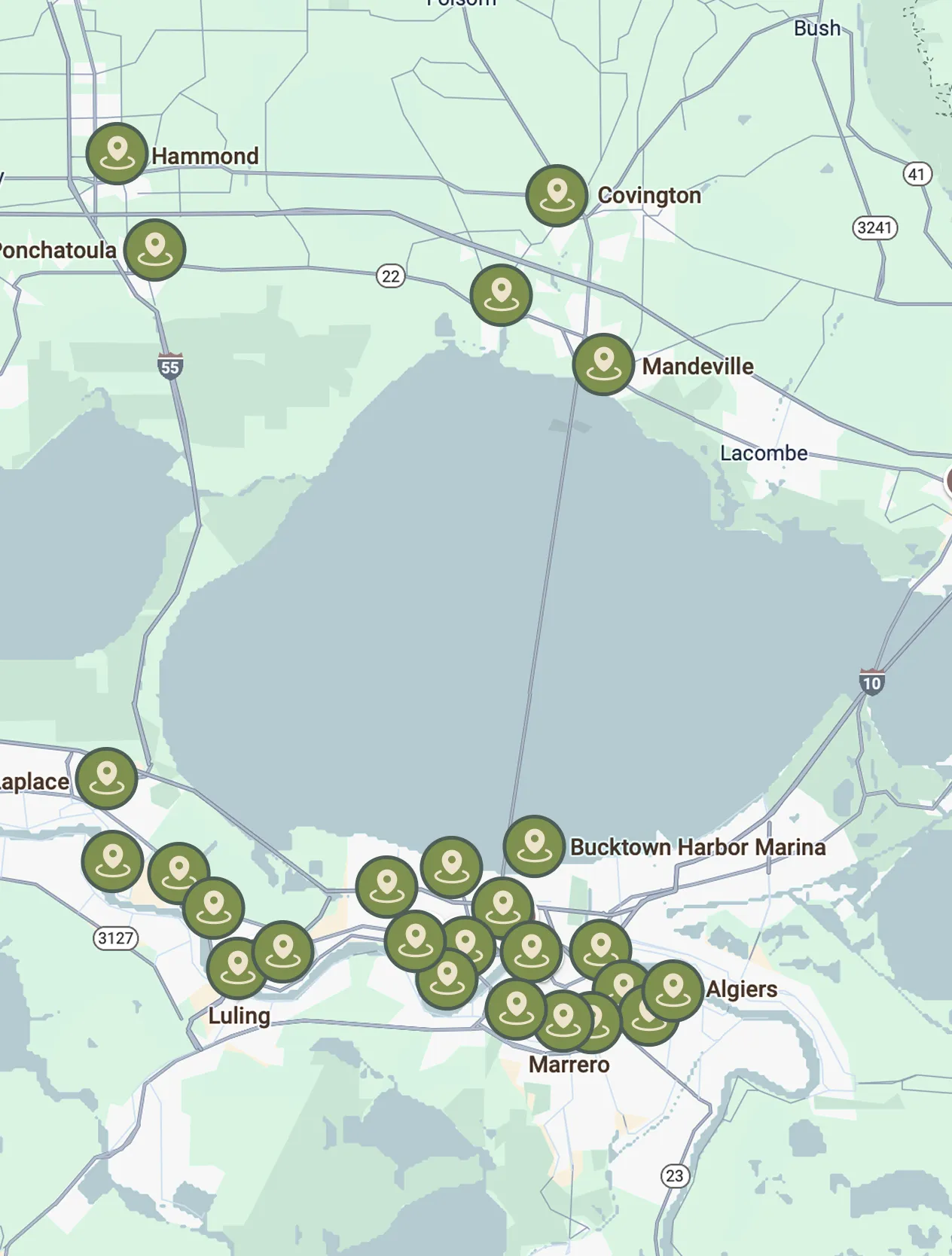
Our service areas are designed to meet the diverse needs of our clients. We focus on providing exceptional service and ensuring customer satisfaction in every location we operate.