How to Diagnose Why AC Not Cooling But Running
.webp)

When Your AC Is Running But Your Home Won't Cool Down
If you're dealing with ac not cooling but running, here's what to check first — in order:
1. Thermostat — Make sure it's set to Cool mode, the fan is on Auto, and the target temperature is lower than the current room temperature.
2. Air filter — Pull it out and hold it up to a light. If you can't see light through it, replace it now.
3. Supply and return vents — Make sure nothing is blocking them. Furniture, rugs, and closed registers all restrict airflow.
4. Outdoor condenser unit — Check that the fan is spinning and that there's no debris packed around the unit.
5. Circuit breaker — Check your panel for a tripped breaker and reset it once if needed.
6. Ice on the refrigerant line — If you see ice on the copper line near the indoor unit, turn the system off and let it thaw before restarting.
If those six checks don't fix it, the problem is likely low refrigerant, a failing compressor, or a duct issue — and that's when you call a professional.
There's nothing quite as frustrating as hearing your air conditioner humming away while your living room stays stuffy and warm. In South Louisiana, where summer heat and humidity push systems hard for months on end, a running AC that isn't actually cooling isn't just uncomfortable — it's a sign something in the cooling process has broken down. The cause might be something simple you can fix in five minutes, or it might need a trained technician. Either way, knowing where to start saves you time, protects your equipment, and gets your home comfortable again faster.
This guide walks you through every check in a logical order — from the easiest fixes to the issues that need professional hands.

Easy ac not cooling but running what to check first glossary:
• ac keeps turning on and off what is wrong
• ac troubleshooting before calling a pro
AC not cooling but running what to check first
Start with the simple stuff before assuming the worst. A lot of “my AC is running but not cooling” calls come down to settings, airflow, or power. We like to follow a symptom ladder: thermostat, filter, vents, breaker, outdoor unit, then ice. That order catches the most common problems first and avoids making a small issue into a bigger one.

Check thermostat settings before anything else
This is always first because it is fast, free, and surprisingly often the culprit.
Check these thermostat basics:
• Set the mode to Cool
• Set the fan to Auto, not On
• Lower the set temperature below the current room temperature
• Make sure no schedule override is pushing it back up
• Replace batteries if your thermostat uses them
• For smart thermostats, confirm the app and the wall unit agree
Why does fan setting matter? If the fan is set to On, the blower can keep moving air even when the cooling cycle is not running. That can make it feel like the AC is blowing warm air when really it is just circulating room air. Auto is the normal cooling setting for most homes.
If you recently had a power flicker, thermostat settings can also reset or schedules can behave strangely. In South Louisiana, storm season and summer electrical blips make this more common than people think.
Check airflow restrictions if the system runs but the house stays warm
If your thermostat looks right, move to airflow. Air conditioners need steady airflow across the indoor coil to remove heat and humidity. When airflow drops, cooling drops too.
Look at:
• The air filter
• Supply vents in each room
• Return grilles
• Furniture, curtains, or rugs blocking airflow
• Closed bedroom doors that reduce circulation in some layouts
A dirty filter is the biggest offender. Pull it out and hold it to the light. If light barely passes through, replace it. Many homeowners wait too long here, especially during peak summer use. Most homes need a filter check every month and replacement every 1 to 3 months, sometimes more often with pets, dust, or allergy concerns.
Also open all supply registers. Closing vents in unused rooms usually does not help. It can increase static pressure, reduce airflow where you do need it, and contribute to coil freezing. Your AC is a whole-house system, not a “pick your favorite room” system.
Check power and do a simple reset
Sometimes part of the system is running and part is not. For example, the indoor blower may run while the outdoor unit does not fully start. That leaves you with airflow but little or no cooling.
Check:
• Your main electrical panel for a tripped AC breaker
• The breaker for the indoor air handler if separate
• The outdoor disconnect box if accessible and safe to inspect visually
If a breaker has tripped, reset it once only. Then:
1. Turn the thermostat Off
2. Reset the breaker
3. Wait about five minutes
4. Turn the thermostat back to Cool
5. Set the fan to Auto
If it trips again, stop there. Repeated breaker trips point to an electrical or equipment problem, not something to keep wrestling with in flip-flops.
The most common reasons an AC runs but doesn’t blow cold air
Here are the most common causes we see when an AC runs but the house does not cool:
• Wrong thermostat settings
• Clogged air filter
• Blocked or dirty outdoor condenser
• Frozen evaporator coil
• Low refrigerant from a leak
• Leaky or disconnected ducts
• System undersized for the home or recent additions
• Heavy South Louisiana humidity load
A quick way to think about it: if air is moving but not cooling, the issue is usually airflow, heat transfer, refrigerant, or air loss.
• Air blowing but not cold — Likely cause: Thermostat setting, low refrigerant, outdoor unit issue
• Weak airflow from vents — Likely cause: Dirty filter, frozen coil, blower or duct restriction
• Ice on line or indoor unit — Likely cause: Airflow restriction or refrigerant problem
• Some rooms warm, some cool — Likely cause: Duct leaks, blocked vents, airflow imbalance
• System runs all day — Likely cause: Dirty filter, dirty coil, low refrigerant, humidity load, undersized system
Why a dirty air filter can stop cooling
A dirty filter chokes the system. Less air moves across the evaporator coil, which means less heat is absorbed from your home. That can make the coil get too cold and start freezing. Once that happens, cooling drops even more. It is a bad feedback loop.
A clogged filter can also increase energy use. Research consistently shows that replacing a dirty filter with a clean one can cut energy consumption by about 5% to 15%. In a region where AC already accounts for a major chunk of household electricity use, that matters.
General filter timing:
• Every 1 to 3 months for most homes
• Monthly during heavy summer use
• More often with pets, renovation dust, or allergy sensitivity
If your power bill spikes when comfort drops, this guide on AC bill spikes in a Louisiana summer may help connect the dots.
What to inspect on the outdoor condenser unit
Your outdoor unit has one job: dump the heat collected inside your home. If it cannot release heat well, your AC will run and run without cooling properly.
Check the outdoor condenser for:
• Grass clippings
• Leaves
• Mud, lint, or dirt packed in the fins
• Shrubs or fencing too close to the unit
• A fan that is not spinning
Keep about 2 feet of clearance around the unit. If the fins look dirty, you can gently rinse the coil with a garden hose from the outside. Do not use a pressure washer. Those thin fins bend easily, and bent fins reduce airflow.
Also listen. A steady operating sound is one thing. Buzzing, clicking without starting, or a fan that is not moving are signs to stop DIY and call us.
For a broader homeowner walkthrough, this third-party reference is useful: AC Not Cooling House: How to Fix It Today.
Why vents, returns, and ducts matter
Even if your equipment is producing cool air, that cooling can get lost before it reaches your rooms.
Inspect:
• Supply vents for blockages
• Return grilles for dust buildup or furniture in front of them
• Rooms that are always warmer than the rest
• Attic duct issues if you have accessible ductwork
In older homes and humid Gulf Coast conditions, duct leaks can pull hot attic air into the system or lose cooled air before it gets to the room. That creates hot spots, uneven temperatures, and long runtimes.
If your AC seems to run constantly in our climate, read AC running constantly in Gulf Coast heat and humidity. Sometimes the issue is a fault. Sometimes it is weather plus airflow plus humidity all teaming up against you.
ac not cooling but running what to check first if you see ice or weak airflow
If you see ice anywhere on the refrigerant line or indoor equipment, stop cooling mode. Ice is not a sign that your AC is “working extra hard.” It is a sign the system is not operating correctly.
How to tell if the evaporator coil is frozen
You may not be able to see the coil itself, but you can often spot the symptoms:
• Ice on the larger copper refrigerant line
• Weak airflow from the vents
• Air that feels less cool or not cool at all
• Water around the indoor unit after ice starts melting
• Long runtimes with poor dehumidification
• Higher indoor humidity and a clammy feel
In South Louisiana, a frozen coil often shows up as “the house feels muggy and the vents are barely blowing.” The moisture load here is high, so once airflow gets restricted, the system can freeze even on very hot days.
What to do if your AC coil is frozen
If you suspect a frozen coil:
1. Turn the thermostat from Cool to Off
2. Set the fan to On so air can help thaw the coil
3. Replace the dirty filter if needed
4. Open all vents and clear return blockages
5. Let the system thaw completely before restarting
Do not chip at the ice. Do not scrape it. Do not attack it with a hair dryer like you are de-icing a freezer from 1997. Let it melt naturally.
Once thawed, restart the system only after airflow issues have been addressed. If it freezes again, the problem is likely beyond a simple DIY fix.
Signs of low refrigerant or a refrigerant leak
Refrigerant does not get “used up” under normal operation. If the level is low, there is usually a leak.
Common signs include:
• Hissing or bubbling sounds
• Ice returning even after you changed the filter
• Barely cool air at the vents
• AC runs a long time without lowering temperature
• Poor humidity removal
• Warm air even though the indoor blower runs
Low refrigerant is one of the main reasons we tell homeowners to stop after the basic checks. Leak diagnosis, repair, evacuation, and recharge are professional jobs. Running an AC low on refrigerant can damage the compressor, which is one of the parts you really do not want to push.
For a plain-language overview of why warm air can happen while the system still runs, see Why warm air can happen while your AC still runs.
When DIY troubleshooting should stop and it’s time to call a professional
DIY is great for filters, settings, and debris removal. It is not great for refrigerant, electrical faults, or repeated freeze-ups.
Here is the do-not-DIY list:
• Breaker keeps tripping
• You smell burning or hot electrical odor
• The outdoor fan is not running
• The system freezes again after thawing
• You hear buzzing, grinding, or loud clicking
• You suspect a refrigerant leak
• Water is leaking heavily around the indoor unit
• The system runs but there is no meaningful temperature drop indoors
Symptoms that need an HVAC technician now
Call for service sooner rather than later if you notice:
• Warm air continues after thermostat and filter checks
• No outdoor unit operation or no fan movement outside
• Ice forms more than once
• Electrical smell or unusual noise
• The house temperature does not fall after 30 to 60 minutes of operation
• Humidity stays high even while the AC runs
If your system is older or this problem keeps returning, it may also be worth reviewing Should I Repair or Replace My Air Conditioner in South Louisiana and AC Repair vs Replace Decision Guide.
What to tell the technician to speed up diagnosis
A little information can save time. Before you call, note:
• Thermostat mode and set temperature
• Fan setting
• When the filter was last changed
• Whether you saw ice
• Whether airflow feels weak or normal
• Whether the breaker tripped
• Whether the outdoor fan was spinning
• How long the system has been running without cooling
• Any recent repairs or recurring issues
You can also review AC Troubleshooting Before Calling a Pro to organize what you have already checked.
What a normal cooling result looks like after the fix
Once the issue is resolved, normal performance usually looks like this:
• Noticeably cooler supply air
• Indoor humidity starts dropping
• The home reaches set temperature more predictably
• Runtime becomes more normal instead of endless
• The temperature difference between return air and supply air is often around 15 to 20 degrees in typical operation
That last number is a useful rule of thumb, not a DIY diagnostic certification. It simply helps explain what “proper cooling” tends to look like when the system is working well.
How regular maintenance prevents an AC from running without cooling
Regular maintenance is the best way to avoid the whole “it’s running but why does my house feel like soup?” experience.
That matters because AC use is huge. About 88% of U.S. homes have air conditioning, and cooling uses roughly 12% of household electricity, costing homeowners about $29 billion each year. In South Louisiana, where cooling seasons run long and humidity stays high, neglect shows up fast.
A simple maintenance routine homeowners can follow
A good homeowner routine includes:
• Check the filter monthly
• Replace filters every 1 to 3 months as needed
• Keep 2 feet of clearance around the outdoor unit
• Rinse loose debris from the condenser gently
• Keep return grilles open and unblocked
• Make sure supply vents are open
• Close blinds on sunny windows during peak heat
• Use ceiling fans to help air feel cooler
• Pay attention to rising humidity or longer runtimes
Those steps will not fix every problem, but they prevent a lot of the common ones.
Why annual service matters in South Louisiana
Our region is hard on cooling systems. Long cooling seasons, heavy moisture, and constant runtime mean more opportunity for:
• Coil buildup
• Drain line clogs
• Airflow problems
• Wear on blower and outdoor components
• Reduced dehumidification
Annual service helps catch those issues before they become mid-summer breakdowns. A good tune-up typically includes inspection of airflow, coils, drain, electrical components, and overall cooling performance.
If you want help staying ahead of problems, visit AC Maintenance New Orleans LA and AC Tune Up New Orleans LA.
For general industry reading, these resources also cover similar first-step checks:
• AC Running But Not Cooling? What to Check First
• Air Conditioner Troubleshooting: 5 Common Issues
FAQs about ac not cooling but running what to check first
Should I turn off AC if it’s not cooling?
Yes, especially if you see ice, hear unusual noises, or smell anything electrical. Continuing to run a malfunctioning AC can strain the compressor and make the repair more involved. If there is no ice and you are just checking thermostat or filter issues, brief operation is fine during troubleshooting.
How often should I replace my AC filter?
For most homes, every 1 to 3 months. In South Louisiana, monthly checks are smart during heavy summer use. Homes with pets, higher dust, or allergies often need more frequent replacement.
How do I reset my central AC if it’s blowing warm air?
Try this basic reset:
1. Set thermostat to Off
2. Turn off the AC breaker
3. Wait five minutes
4. Turn breaker back on
5. Set thermostat to Cool
6. Set fan to Auto
If the breaker trips again or the system still does not cool, stop troubleshooting and call for service.
What to do next if your AC still isn’t cooling
If you have worked through the list and your system still is not cooling, it is time for a proper diagnosis. That is where we come in.
At Cypress Cooling Company, we diagnose, educate, and guide without selling. We help homeowners across South Louisiana figure out whether the issue is airflow, refrigerant, electrical, duct-related, or something else entirely, and we explain what we find in plain language.
If you need help now, start here:
If your ac not cooling but running what to check first search led you here, the short answer is still the right one: thermostat, filter, vents, outdoor unit, breaker, and ice. If those checks do not solve it, do not keep forcing the system to run. Let us help you find the real cause and get your home comfortable again.
OUR CLIENTS HAVE TO SAY ABOUT US



Service areas
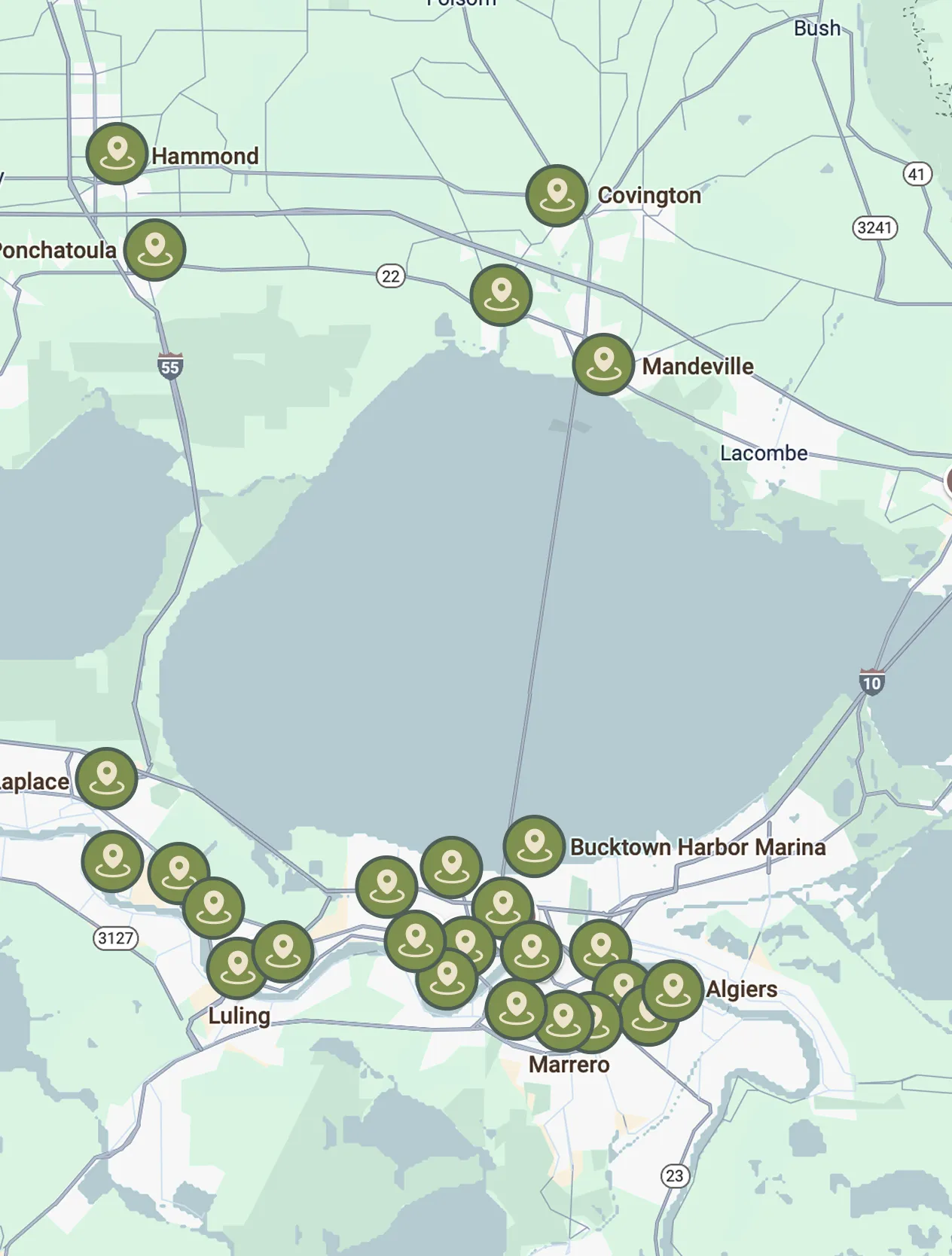
Our service areas are designed to meet the diverse needs of our clients. We focus on providing exceptional service and ensuring customer satisfaction in every location we operate.