AC Tune-Up in New Orleans, LA
.webp)
New Orleans, LA, residents know that coastal humidity, salt exposure, and yearround cooling demands put a strain on AC systems. Cypress Cooling's AC TuneUp service delivers preventive maintenance to combat these challenges. We diagnose and address issues like dirty coils, refrigerant leaks, electrical wear, and airflow problems, all while restoring cooling capacity and improving dehumidification. Our stepbystep checklist covers safety, refrigerant, controls, electricals, lubrication, filters and coils, duct inspection, condensate drainage, performance testing, and a final service report. Expect our Cypress Cooling technicians to be onsite for roughly 60–120 minutes, depending on your system's size and condition.
%2520(1)-min.jpeg)
Air Conditioning Tune-up in New Orleans, LA
A seasonal Air Conditioning Tune-up in New Orleans, LA keeps your system running reliably through long, humid summers and helps prevent breakdowns during peak demand. In New Orleans homes, where high humidity, coastal salt air, and nearly year-round cooling needs stress HVAC equipment, a thorough tune-up is not just convenience—it is preventive maintenance that improves comfort, reduces energy use, and limits emergency repairs.
Why tune-ups matter in New Orleans
New Orleans climate factors that affect AC systems:
- High humidity increases run times and promotes mold and coil fouling.
- Salt and coastal corrosion accelerate wear on outdoor components.
- Frequent storms and power fluctuations can strain electrical components.
- Pollen and airborne debris increase filter and coil load during spring and summer.
A seasonal tune-up addresses these local challenges, restoring cooling capacity, improving dehumidification, and protecting components that are more likely to corrode or fail in coastal, humid conditions.
Common AC tune-up issues in New Orleans
Homeowners scheduling an air conditioning tune-up in New Orleans, LA often face:
- Reduced cooling capacity and long run cycles from dirty coils and filters.
- Moisture and mold buildup in drain lines and evaporator coils.
- Refrigerant loss from undetected leaks causing compressor strain.
- Corroded electrical connections and capacitors from salt exposure.
- Poor thermostat calibration or airflow problems due to blocked returns or duct issues.
- Condensate drain clogs that lead to water damage or system shutdowns.
Addressing these issues during a tune-up prevents short-cycling, lowers the risk of mid-summer failures, and improves indoor air quality.
Standard tune-up checklist - Step by step
A complete seasonal tune-up typically follows a standardized checklist to ensure safety and performance. Key items include:
- Safety checks
- Verify proper power shutoff and inspect breakers and fuses.
- Check for obvious signs of damage, leaks, or corrosion on outdoor unit.
- Confirm safe access and clearances around equipment.
- Refrigerant level verification
- Measure refrigerant pressures and compare to factory specs.
- Identify signs of low refrigerant and potential leaks.
- Recommend leak repair if levels are below specification.
- Thermostat calibration and controls
- Confirm thermostat accuracy and setpoint response.
- Inspect wiring and control sequences for consistent operation.
- Test system cycles to validate proper start, run, and stop behavior.
- Electrical component inspection
- Tighten and inspect electrical connections, contactors, and capacitors.
- Test motors for proper current draw and starting behavior.
- Look for corrosion or heat damage common in coastal environments.
- Lubrication and moving parts
- Lubricate motors and bearings where applicable.
- Inspect blower wheel and fan blades for balance and damage.
- Filter, coil, and condenser cleaning
- Replace or recommend replacement of air filters; clean reusable filters.
- Clean evaporator and condenser coils to restore heat transfer.
- Remove debris from the outdoor unit and straighten bent fins.
- Airflow and duct inspection
- Measure airflow where possible and inspect return grills.
- Check for blocked returns, disconnected ducts, or damp insulation.
- Condensate drain and pan check
- Clear condensate drain lines and verify proper drainage.
- Clean and disinfect condensate pan to reduce mold and odors.
- Performance testing
- Measure temperature split across evaporator coil.
- Monitor run-time and system pressures during steady operation.
- Assess noise levels and overall system behavior.
- Service report and recommendations
- Provide a clear summary of findings and recommended next steps.
- Note any immediate safety concerns or items that will require future follow up.
Expected time on site
Typical residential tune-up duration:
- Standard modern split system: 60 to 90 minutes.
- Older, larger, or multi-zone systems: 90 to 120 minutes.Time varies with system access, degree of cleaning required, and whether diagnostic testing or small repairs are performed during the visit.
Performance improvements you should expect
After a full tune-up in New Orleans homes, customers usually notice:
- Faster, more consistent cooling and improved comfort.
- Better humidity control as coils and refrigerant are optimized.
- Quieter operation from balanced fans and tightened mounts.
- Improved airflow and circulation after filter and duct checks.
- Lower energy use; routine maintenance commonly reduces energy consumption by noticeable percentages because the system does not have to run as long to reach setpoints.
- Fewer mid-season failures thanks to early detection of worn electrical parts or refrigerant issues.
Recommended frequency
- Standard recommendation: Annual tune-up before the cooling season (spring).
- For New Orleans specific conditions: consider biannual service for older systems, properties within a mile of the coast, or homes with heavy pollen, pets, or mold concerns.
- Change disposable filters every 1 to 3 months during heavy use and clean reusable filters as directed.
How tune-ups reduce emergency repairs and improve efficiency
Regular tune-ups prevent emergency repairs by catching small problems before they become major failures. Examples:
- Detecting low refrigerant early prevents compressor burnout.
- Cleaning coils and filters reduces compressor and fan workload, lowering the chance of overheating.
- Tightening electrical connections and testing capacitors reduces sudden motor or control board failures during peak use.
- Clearing condensate drains avoids water damage and safety shutdowns.
Efficiency gains come from restored heat transfer, correct refrigerant charge, and optimized airflow. When systems operate closer to original design conditions, they achieve target temperatures faster and run for shorter periods, translating to lower utility bills and less wear over time.
Maintenance tips for New Orleans homes
- Schedule your tune-up in spring before the hottest weeks begin.
- Replace filters more frequently during pollen season and after storms.
- Consider protective covers or corrosion-resistant coatings for outdoor equipment if your property is near the coast.
- After severe storms or extended power outages inspect the outdoor unit for debris and damage before restarting.
- Keep outdoor units clear of landscaping, leaves, and standing water to reduce humidity-driven corrosion.
Regular seasonal maintenance tailored to New Orleans conditions preserves comfort, extends system life, and reduces the likelihood of costly emergency repairs while keeping your home cooler and healthier throughout the year.
OUR CLIENTS HAVE TO SAY ABOUT US



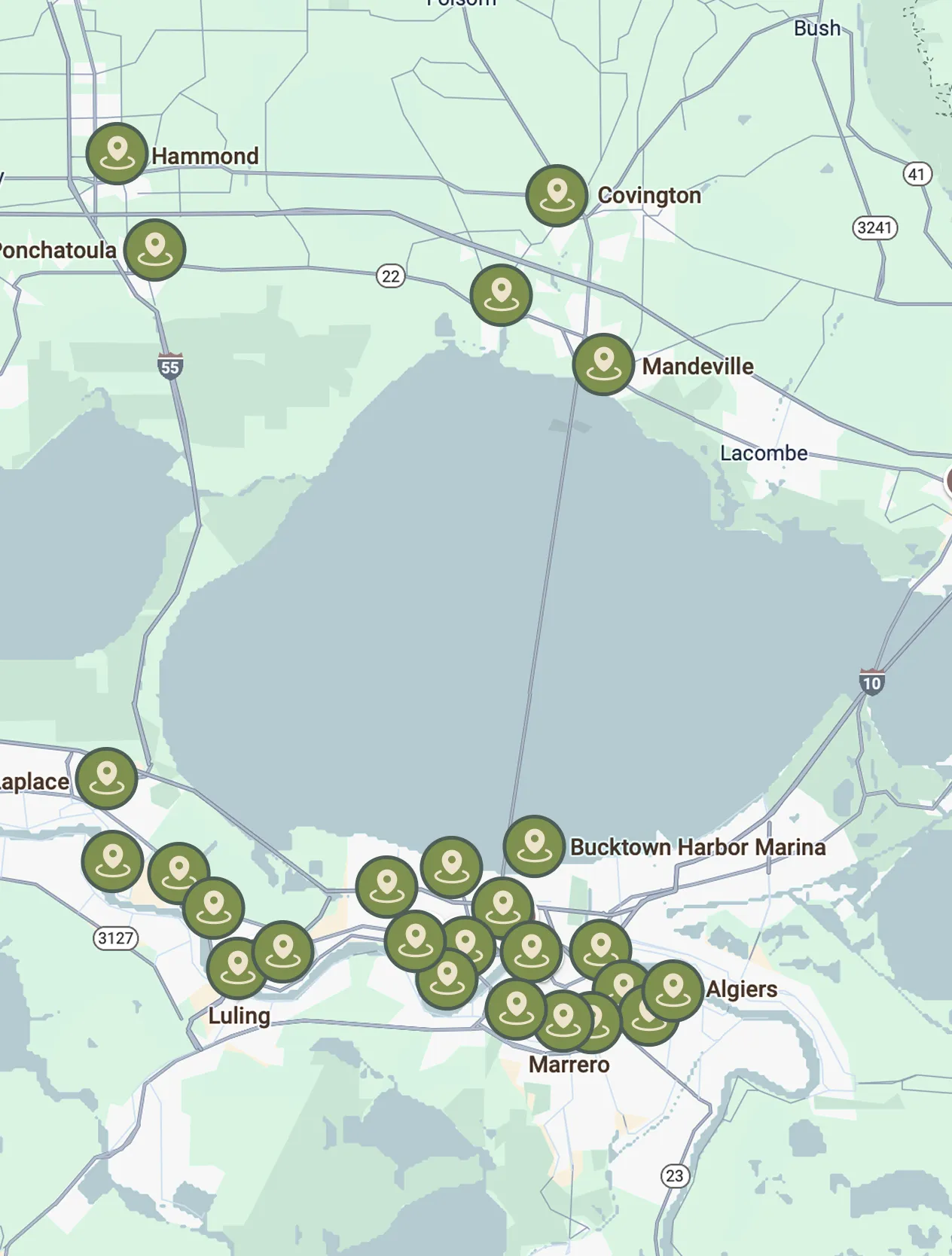
Service areas
Our service areas are designed to meet the diverse needs of our clients. We focus on providing exceptional service and ensuring customer satisfaction in every location we operate.