AC Replacement in New Orleans, LA
.webp)
AC replacement in New Orleans demands a comprehensive approach – from accurate load calculations and proper unit sizing to safe removal, professional installation, and thorough startup testing. Cypress Cooling carefully considers local factors like high humidity, salt air corrosion, and flood risk. We clearly explain warranty coverage, financing options, and expected energy savings. With the right sizing and high efficiency equipment, homeowners can enjoy reliable comfort, better indoor air quality, and a strong return on investment throughout the system’s lifespan. Let's make your home a cool oasis.
%2520(7)-min.webp)
Air Conditioning Replacement in New Orleans, LA
Replacing an air conditioning system is one of the most impactful home upgrades for comfort, indoor air quality, and energy bills—especially in New Orleans where long, hot, humid summers and coastal conditions place heavy demands on cooling systems. This page outlines the full air conditioning replacement process for New Orleans homes: how systems are sized and selected, what to expect during removal and installation, warranty and financing considerations, and realistic energy savings and ROI projections tailored to the local climate.
Why replace your air conditioner now
Older or failing systems can cause uneven cooling, poor humidity control, rising energy bills, frequent repairs, and comfort problems during peak heat. In New Orleans, particular concerns include:
- High cooling loads and persistent humidity that require superior dehumidification performance
- Coastal salt air that speeds corrosion of outdoor units
- Flood risk in low-lying areas that affects placement and mounting decisionsTimely replacement restores reliable comfort, reduces operating cost, and helps avoid emergency failures during the hottest months.
Common air conditioning replacement reasons in New Orleans
- Unit is more than 10–15 years old and uses outdated refrigerant or lower efficiency
- Recurring compressor or refrigerant leaks
- System short-cycles or never reaches setpoint because of incorrect sizing or failing components
- Excessive humidity indoors despite running the AC
- Duct leaks, inconsistent airflow, or poor indoor air quality tied to an aging system
Home energy/load assessment and correct unit sizing
A professional replacement begins with a detailed home energy and load assessment:
- Manual J load calculation to determine accurate cooling requirements based on square footage, insulation, window exposure, occupancy, and shading
- Duct evaluation and Manual D recommendations when needed for duct sizing and airflow balance
- Inspection for insulation gaps, attic ventilation, and local shading that impact loadCorrect sizing is essential in New Orleans homes: oversized units short-cycle and fail to control humidity; undersized units struggle on peak days. A properly sized, high-efficiency system balances temperature control with humidity management for comfort and efficiency.
Comparing energy-efficient models
When choosing a replacement, prioritize features that matter in New Orleans:
- Higher SEER ratings for improved seasonal efficiency; modern systems typically range from mid to high SEER levels. Look for systems with improved part-load performance.
- Variable-speed or two-stage compressors and variable-speed blowers for better humidity control and quieter operation
- Enhanced coil materials and protective coatings to resist salt air corrosion on outdoor condensers
- Compatible smart thermostats that support humidity control and scheduling
- Consider heat pump options for efficient year-round performance in the Gulf Coast climateEnergy-efficient upgrades can reduce energy use substantially compared with 10–15 year old systems. Model comparisons should weigh long-term operational savings, not only sticker SEER ratings.
Removal of old equipment and site preparation
Proper removal follows local regulations and best practices:
- Safe recovery and disposal of refrigerants in compliance with federal and local rules
- Removal of condensers, evaporator coils, line sets, and old electrical components
- Assessment of the existing pad or mounting; consideration for elevating the outdoor unit in flood-prone areas
- Inspection of indoor air handler and ductwork; recommendations for sealing, insulation, or replacement if deteriorated
- Preparation for new equipment placement that balances airflow, noise, access, and exposure to salt and sun
Professional installation steps
A quality installation typically includes:
- Final site verification and permit acquisition per local code
- Duct sealing and modifications as required for airflow balance
- Placement of outdoor unit on a stable, elevated pad or bracket if flood risk exists
- Installation of indoor coil and matched refrigerant line sets, electrical connections, and drain lines
- Proper refrigerant charging using measured superheat/subcooling rather than guesswork
- Commissioning with airflow measurements, thermostat setup, and refrigerant leak tests
- System startup and an owner walkthrough explaining operation, maintenance needs, and warranty registrationCorrect commissioning is critical to system longevity, energy performance, and warranty coverage.
Warranty and manufacturer information
Warranty structures vary but typically include:
- Limited manufacturer warranties on compressors and parts (parts warranties often 5–10 years; some compressors 10 years)
- Optional extended or labor warranties offered by installers
- Warranty validity often depends on proper installation, registration, and regular maintenanceWhen comparing replacements, review manufacturer warranty terms and ask how warranty claims are handled and what maintenance is required to keep coverage valid.
Financing options and expected ROI through energy savings
Replacement financing is commonly available through home improvement loans, HVAC-specific financing programs, and local energy-efficiency incentives or rebates. Energy savings and payback depend on the efficiency gap between the new system and the old one, local electricity rates, and usage patterns. Typical outcomes:
- Replacing a decade-old system with a modern high-efficiency unit can reduce cooling energy use noticeably, commonly yielding 20 to 40 percent lower cooling costs depending on prior equipment and household habits
- Payback periods often fall in the range of a few to several years, with longer-term savings accumulating over the 12–20 year life span of well-maintained systems
- Improved humidity control and reduced repair costs add non-energy returns that enhance overall ROI
Choosing the best system for New Orleans climate
Focus on solutions that address heat, humidity, and coastal exposure:
- Prioritize systems with strong latent capacity and variable-speed operation for better humidity control during long cooling seasons
- Select corrosion-resistant outdoor coils and protective coatings for salt-air durability
- Consider elevated or flood-resistant mounting in neighborhoods with known flood risk
- Evaluate whole-house dehumidifiers or enhanced drainage when humidity is persistent even with appropriate AC sizing
- Combine replacement with duct sealing, attic insulation, and shading strategies to lower the overall cooling load and improve comfort
Ongoing maintenance and long-term benefits
After replacement, regular preventive maintenance keeps performance optimal:
- Annual tune-ups including refrigerant check, filter replacement, coil cleaning, and airflow measurement
- Prompt attention to minor issues prevents major breakdowns and maintains efficiencyLong-term benefits of a properly replaced system include consistent comfort, reduced humidity-related issues, lower energy bills, fewer repair visits, and increased home value.
Replacing an air conditioner in New Orleans requires careful attention to local climate demands, correct sizing, corrosion resistance, and certified installation practices. A thoughtful replacement delivers reliable comfort during the hottest months, improved indoor air quality, and measurable energy savings over the life of the system.
OUR CLIENTS HAVE TO SAY ABOUT US



Service areas
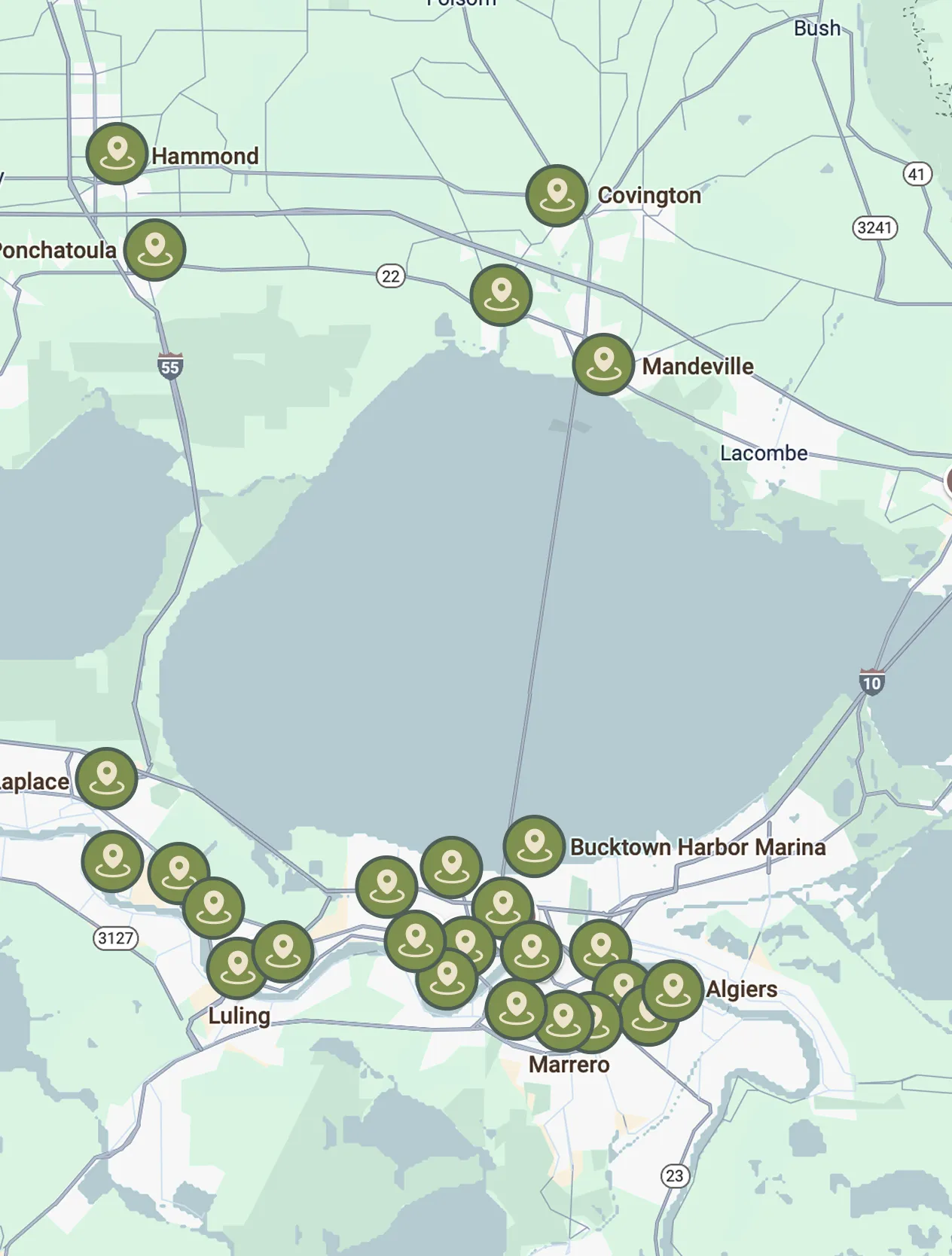
Our service areas are designed to meet the diverse needs of our clients. We focus on providing exceptional service and ensuring customer satisfaction in every location we operate.