AC Installation in New Orleans, LA
.webp)
AC installation in New Orleans with Cypress Cooling takes a climatefocused approach, from site evaluation and proper equipment sizing to ductwork planning and stepbystep installation. We recommend highefficiency units with corrosion protection to effectively handle humidity, flood risks, and coastal conditions. Our process includes thorough commissioning, warranty registration, homeowner preparation guidance, and tailored maintenance strategies, along with exploring financing options. Cypress Cooling helps New Orleans residents achieve reliable comfort and energy efficiency throughout our hot, humid summers.
%2520(7)-min.webp)
Air Conditioning Installation in New Orleans, LA
A properly installed air conditioning system is essential for comfort, indoor air quality, and energy efficiency in New Orleans homes. With hot, humid summers, frequent storms, and many older houses with unique layouts, a new air conditioner installation in New Orleans, LA should be planned carefully to control humidity, reduce energy bills, and resist coastal wear. This page explains the installation process, common local issues, equipment selection, ductwork needs, commissioning, warranty registration, homeowner preparation, maintenance advice, and financing considerations so you can make an informed decision.
Why a tailored installation matters in New Orleans
New Orleans climate is characterized by high temperatures and persistent humidity. That increases sensible and latent cooling loads and raises the risk of mold and corrosion. Many local homes have older or poorly sealed duct systems, elevated foundations, tight attics, or limited outdoor space for condensers. All of these factors influence equipment selection, placement, and routing so the system performs reliably and efficiently year after year.
Common air conditioning installation types and local issues
- Split system installations for central forced-air homes, including options with variable-speed compressors for better humidity control.
- Ductless mini-split systems for historic or room-by-room solutions where ducts are impractical.
- Heat pump installations for year-round comfort in milder winters.
- Replacement of existing equipment when repairs are no longer cost effective.
Common AC installation issues in New Orleans homes:
- Undersized equipment that cannot manage humidity or peak heat.
- Corrosion of outdoor units in coastal or salt-exposed areas.
- Poorly sealed or undersized ducts causing low airflow and mold growth.
- Improper condensate management in high-humidity environments.
- Inadequate system airflow and incorrect refrigerant charge, reducing efficiency.
Initial consultation and site evaluation
A thorough initial consultation and site evaluation are the foundation of a successful installation. Key steps include:
- Inspecting the home layout, attic, crawlspace, and existing ductwork to determine routing and access.
- Recording square footage, ceiling heights, window orientation, insulation levels, and occupancy patterns.
- Identifying moisture sources, mold-prone areas, and flood elevation for outdoor unit siting.
- Reviewing electrical service capacity, breaker sizing, and any required upgrades.
- Discussing preferences for humidity control, zoning, and noise levels.
Expect a professional load assessment to follow. This evaluation informs equipment sizing and system design to match New Orleans heat and humidity profiles.
Equipment selection and sizing
Proper sizing and equipment choice are critical in New Orleans:
- Manual J load calculations should be used to size equipment based on heat gain, not rule-of-thumb tonnage. Oversizing leads to short cycling and poor humidity control.
- Choose systems with high SEER ratings and good latent capacity for dehumidification. Variable-speed or two-stage compressors help maintain humidity and comfort.
- For coastal exposure, consider units and components with enhanced corrosion protection and coated coils. Elevated condenser pads can reduce flood risk during storms.
- If ductwork is limited or intrusive, evaluate ductless mini-splits or multi-zone heat pumps as alternatives.
Equipment selection should balance upfront cost, efficiency, humidity control, and resilience to local environmental stresses.
Installation procedures and testing
A professional installation follows a methodical process to ensure longevity and performance:
- Safe electrical shutdown and removal of old equipment where applicable.
- Proper placement and secure mounting of the outdoor condenser on an elevated pad or bracket, considering drainage and airflow clearance.
- Running refrigerant lines and wiring with correct insulation, slope, and protection against corrosion and pests.
- Installing indoor components, coils, and connections with attention to condensate drain routing and traps to prevent backups.
- Completing duct connections or mounting indoor mini-split air handlers.
Testing and quality checks include:
- Verifying refrigerant charge by weight and pressure with temperature split measurements.
- Measuring airflow and static pressure to confirm duct and fan performance.
- Checking electrical connections, breaker sizing, and safety devices.
- Confirming condensate flow and trap integrity.
- Verifying thermostat calibration and control sequences.
Ductwork considerations for New Orleans homes
Duct condition often determines system performance:
- Inspect ducts for leaks, disconnected runs, or insulation gaps; sealing and insulating ducts reduces energy loss and humidity infiltration.
- In crawlspaces and attics, ensure ducts are raised above flood levels where possible and insulated to meet local climate demands.
- Replace heavily corroded or collapsed duct sections; use materials appropriate for humid conditions.
- Consider zoning dampers or multiple small ducts for large, multi-level or older homes to balance comfort and airflow.
Addressing duct issues during installation avoids repeated callbacks and improves indoor air quality.
Post-install commissioning and warranty registration
After installation, commissioning verifies the system meets design targets:
- Perform a full system startup sequence and monitor performance under load.
- Document temperature drops across the coil, humidity reduction, airflow rates, and electrical consumption.
- Provide homeowners with operation orientation including thermostat settings, filter access, and condensate care.
- Register equipment warranties promptly to activate manufacturer coverage and clarify what is included under parts and labor. Proper registration and documentation protect long-term investment and ensure eligibility for manufacturer support.
Homeowner preparation and maintenance recommendations
Preparing your home and following a maintenance plan will maximize system life:
- Before installation, clear the outdoor unit area of vegetation and debris and ensure access for installers.
- Replace or upgrade disconnect boxes and electrical panels if needed prior to startup.
- Schedule annual tune-ups, ideally before peak summer, to check refrigerant, clean coils, inspect drains, and test performance.
- Change filters regularly; in New Orleans, more frequent filter changes help manage high humidity and airborne particulates.
- Keep condensate lines clear and consider installing an alarm or safety float in areas where backups could cause damage.
- Prepare for hurricane season by documenting equipment location, elevating outdoor units when possible, and ensuring secure fastenings.
Financing options and long-term benefits
Financing options are commonly available to spread the upfront cost of a new air conditioner installation. Typical choices can include flexible payment plans, low monthly payments, and energy-efficiency financing tied to higher SEER equipment. Investing in a correctly sized, well-installed system delivers year-round benefits: reduced energy bills, better humidity control, improved comfort, and fewer emergency repairs—particularly important in New Orleans where heat, humidity, and storms challenge HVAC performance.
A thoughtful installation tailored to New Orleans conditions protects comfort and investment while improving indoor air quality and operational efficiency for years to come.
OUR CLIENTS HAVE TO SAY ABOUT US



Service areas
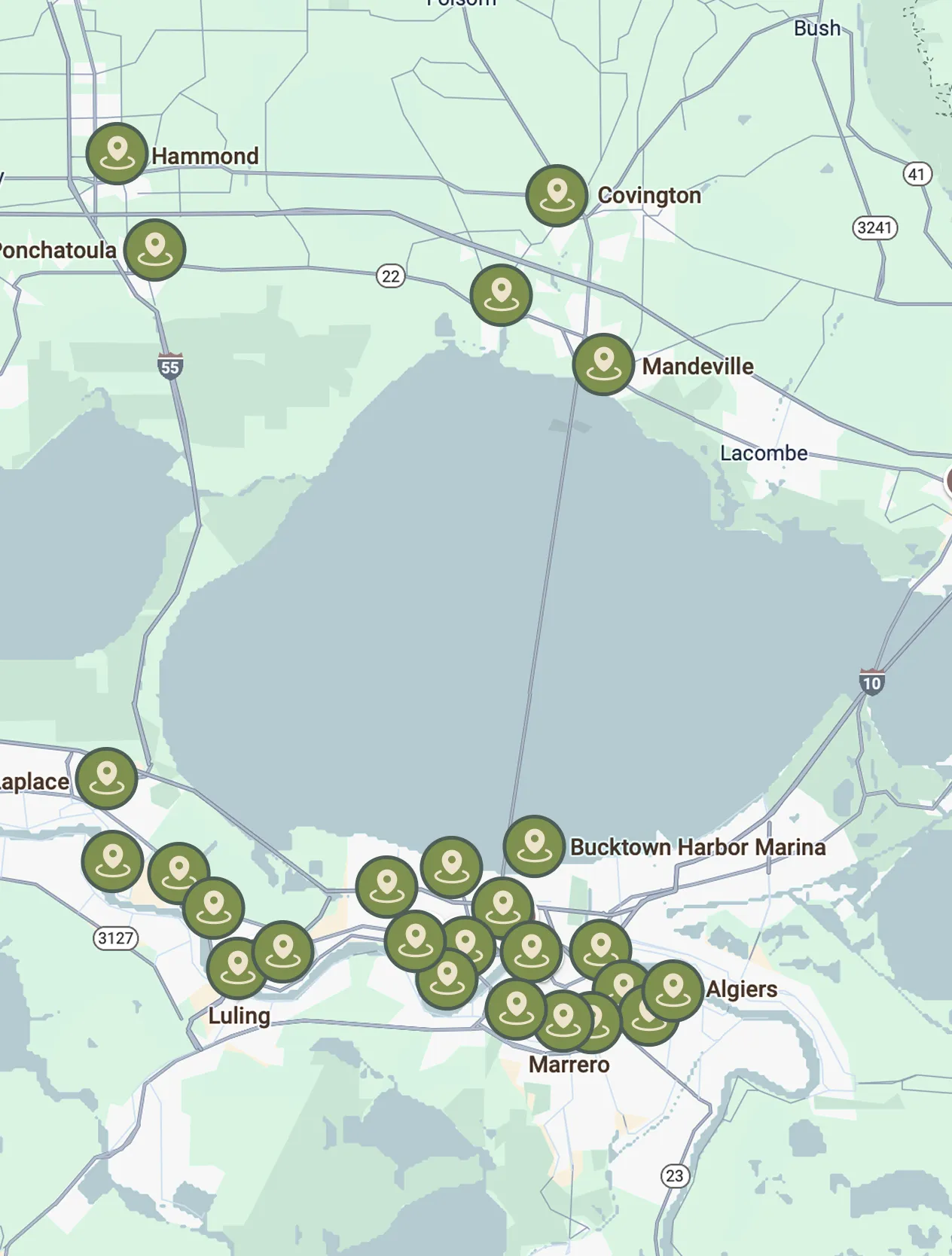
Our service areas are designed to meet the diverse needs of our clients. We focus on providing exceptional service and ensuring customer satisfaction in every location we operate.