Why We Recommend Checking Your Breaker Before Calling for AC Repair in Metairie
.webp)

Sudden AC Shutdowns: Should You Call a Tech or Check the Box First?
Did your cooling system just abruptly stop working during the hottest part of the day? If you are wondering exactly why we recommend checking your breaker before calling for AC repair in Metairie, the answer often comes down to saving you an immediate and unnecessary expense. When the house is rapidly warming up and the vents go completely silent, the immediate reaction is usually panic. Facing a potential cooling breakdown during peak July heat brings an undeniable dread, especially when you start mentally calculating the cost of an emergency service fee.
Before you pick up the phone to request an emergency dispatch, there is one highly specific, completely safe step every homeowner should take. While an unresponsive cooling system often does require the intervention of a licensed professional, a surprising number of summer "breakdowns" are actually just a flipped switch. The fix might be entirely free, requiring no tools, and located just a few steps away in your garage or hallway.
If your system refuses to turn back on after you follow the steps below, you will likely need professional AC repair or other comprehensive HVAC services to safely restore your cooling.
Understanding South Louisiana's Summer Grid Strain
To understand why a perfectly healthy air conditioner might suddenly shut down, you have to look at the environment outside your home. South Louisiana's extreme July heat places an immense burden on the local power grid. When temperatures soar, every single cooling unit in your neighborhood is running at maximum capacity, creating a massive, sustained draw on the utility infrastructure. This grid strain is the hidden culprit behind many sudden system shutdowns.
Air conditioning compressors require a massive surge of electricity upon startup—often pulling three to four times their normal running amperage just to get the motor turning. When neighborhood grid demand is exceptionally high in Metairie, the local utility infrastructure can experience temporary voltage drops. Because your air conditioner requires a specific amount of total power (wattage) to operate, a drop in voltage forces the equipment to pull more amperage to compensate. When that amperage exceeds the safe limit of your home's electrical wiring, the breaker trips.
This means the breaker tripping is actually a safety mechanism working exactly as intended. It is actively protecting your home's wiring from overheating and preventing a potential electrical fire. A tripped switch does not automatically mean your equipment has failed; it often just means the system experienced a temporary grid-induced overload.
Why Does High Heat Cause Electrical Overloads?
The relationship between high outdoor temperatures, constant system cycling, and electrical resistance is a simple matter of physics. As temperatures rise, the electrical components inside your condenser get hotter, which increases their natural electrical resistance. This forces the unit to work harder and draw more power. Local utility grids experience their maximum strain during the late afternoon hours—right when your home is absorbing the most solar heat and your cooling equipment is fighting its hardest battle.
• Timing of the Shutdown — Grid-Induced Overload: Usually during late afternoon peak heat hours. — True Equipment Failure: Can happen at any time of day or night.
• Breaker Reset Behavior — Grid-Induced Overload: System turns on and runs normally after a proper reset. — True Equipment Failure: Breaker trips again instantly or within a few minutes.
• Prior Performance — Grid-Induced Overload: System was cooling perfectly before the sudden shutdown. — True Equipment Failure: System may have been making strange noises or blowing warm air beforehand.
• Other Home Electronics — Grid-Induced Overload: Lights may have flickered right before the shutdown. — True Equipment Failure: No other electrical anomalies in the house.
Step-by-Step: How to Safely Locate and Check Your Electrical Panel
If you suspect a tripped breaker is the cause of your shutdown during peak July heat, you can verify this yourself. However, dealing with your home's electrical system requires strict adherence to safety protocols. Never attempt to check your panel if you are standing in water or if the panel itself appears damaged, scorched, or wet.
1. Ensure absolute safety: Before approaching the panel, verify that your hands are completely dry. Stand on a dry surface, preferably wearing rubber-soled shoes. If your panel is located outside and it is currently raining, do not attempt to open it.
2. Locate the main electrical panel: Your breaker box is typically a gray metal rectangular box mounted on a wall. Common locations include the garage, a dedicated utility room, a hallway interior wall, or on the exterior of the house near your utility meter.
3. Open the panel door and inspect visually: Do not touch any switches yet. Simply look at the rows of breakers. You are looking for a switch that has moved out of alignment with the rest. A tripped breaker will not be in the fully "ON" position, but it also won't be in the fully "OFF" position. It rests in a middle, neutral position.
4. Identify the correct label: Look at the index card or labels next to the switches. You are looking for a double-pole breaker (which looks like two switches joined together by a metal or plastic bar) labeled "AC," "HVAC," "Condenser," "Air Handler," or "Furnace."
5. Test the switch physically: If you spot a breaker in the middle position, lightly press it. A tripped switch will feel slightly springy or loose, unlike the firm resistance of a switch that is fully engaged.

The Correct Way to Reset a Tripped AC Breaker
Finding a tripped switch is only half the battle; resetting it incorrectly can actually prevent your system from turning back on. One of the most common mistakes homeowners in Metairie make is simply trying to push a tripped switch directly back to the "ON" position. Because of the internal spring mechanism inside the breaker, a tripped switch cannot be forced directly into the on position—it will just spring right back to the middle.
To reset it properly, you must first push the switch firmly to the "OFF" position. You need to apply enough pressure to hear and feel a distinct mechanical click. This action resets the internal spring. Once it is fully in the "OFF" position, you can then push it firmly in the opposite direction to the "ON" position. It should stay firmly in place.
The critical waiting period: Once the breaker is back on, do not immediately rush to your thermostat and demand cold air. You must wait 15 to 30 minutes before turning the thermostat back to cool. When an air conditioner shuts down unexpectedly, the refrigerant inside the system remains highly pressurized. If you try to force the compressor to start against that high pressure immediately, the motor will struggle, pull excessive "locked rotor amps," and instantly trip the breaker again. Giving the system time allows those internal pressures to equalize.
When you finally turn the thermostat on, listen closely to the vents and, if possible, the outdoor unit. You should hear the familiar hum of the compressor engaging and the steady sound of the fan starting up. If you hear a loud buzzing or clicking sound but no fan movement, turn the system off immediately. If you are dealing with a circuit breaker tripping when AC turns on repeatedly, you have moved past a simple grid issue and into a mechanical fault.
Warning Signs: When to Stop Resetting and Call a Professional
While checking the panel is a highly recommended first step, it comes with a strict boundary: a breaker should only be reset exactly ONCE. If you follow the correct reset procedure, wait the required time, turn the system on, and the breaker instantly trips again, you must stop immediately. You are no longer dealing with a temporary nuisance trip caused by peak July heat.
A breaker that trips immediately upon resetting is the primary indicator of a hard short, a grounded compressor, or a severe electrical fault within the equipment. A hard short means that electricity is bypassing its intended path and flowing directly to the ground or another wire, creating an uncontrolled surge of power.
Red Flags You Shouldn't Ignore:
• Instant tripping: The switch flips back to the middle the second the outdoor unit attempts to start.
• Burning odors: A distinct smell of melting plastic or ozone near the electrical panel or the outdoor condenser.
• Scorched panel: Any black marks, soot, or melted plastic around the breaker switch itself.
• Hot switches: The breaker switch feels unusually hot to the touch (warm is normal, hot is dangerous).
Repeatedly forcing a breaker back on is incredibly dangerous. Every time you force it, you are sending a massive surge of uncontrolled electricity through compromised wiring. This bypasses the safety controls and rapidly increases the risk of an electrical fire or total equipment meltdown. Internal electrical troubleshooting inside the high-voltage cabinet is never a DIY task; it requires the specialized tools and training of a licensed professional.
Why We Want to Save You an Unnecessary Dispatch Fee
You might wonder why an HVAC company is actively providing instructions that could talk you out of an immediate service call. The reasoning is rooted in how we view our relationship with the local community. Every summer, a significant percentage of emergency "no-cooling" calls in Metairie turn out to be nothing more than a flipped switch in the garage.
Charging a local family a premium emergency dispatch fee just for a technician to walk to the garage and flip a breaker goes against honest business practices. We know how stressful it is when the house is heating up, and we know that money is tight for many families. We would much rather empower you to safely check the simplest solution first. If a quick reset restores your comfort for free, that is the best possible outcome.
Our goal is to build long-term trust. We want you to know that when you do need Metairie AC technicians, you are calling a team that prioritizes your best interests over collecting an easy fee for a simple misunderstanding. If your system truly is broken and a reset doesn't work, you can trust that our diagnosis will be honest, transparent, and focused on genuine solutions.
Frequently Asked Questions About AC Breakers and Power Surges
How do I know if my AC breaker is tripped?
The most obvious sign of a tripped breaker is a switch resting in the middle position, rather than firmly in the "ON" or "OFF" position. Physically, the switch will feel slightly loose or springy if you press it gently. Inside your home, the symptoms usually manifest as a completely blank thermostat screen (if it runs on system power rather than batteries) or a cooling system that is completely silent and unresponsive to any temperature adjustments.
Is it safe to reset a tripped AC breaker?
Yes, it is completely safe to reset a tripped breaker exactly once, provided you follow basic electrical safety precautions. You must ensure that your hands are dry, you are standing on a dry surface, and the electrical panel itself shows no signs of water damage or scorching. The breaker is designed to be easily reset by the homeowner after a temporary overload, but it should never be forced if it immediately trips a second time.
How long should I wait before resetting my AC breaker?
You should wait 15 to 30 minutes after resetting the breaker before turning your thermostat back to the cool setting. This waiting period is critical because an unexpected shutdown leaves the refrigerant inside your compressor highly pressurized. Waiting allows those internal pressures to safely equalize, ensuring that the compressor motor does not have to fight against extreme resistance when it attempts to start back up.
What happens if my AC breaker keeps tripping?
Continuous tripping indicates a severe electrical fault, a short circuit, or a failing compressor that requires immediate professional intervention. If the breaker trips a second time, it is doing its job to protect your home from a massive electrical surge and potential fire hazard. You must leave the breaker in the "OFF" position and contact a licensed technician to diagnose the internal wiring and components.
Can a power surge cause the AC breaker to trip?
Yes, external power surges from summer thunderstorms or significant grid fluctuations can easily cause your breaker to trip. When a surge hits the home's electrical system, the breaker detects the unsafe spike in voltage and severs the connection to protect the sensitive motors and circuit boards inside your cooling equipment. During peak July heat, these grid fluctuations are incredibly common as neighborhood power demand peaks and valleys throughout the afternoon.
Expert Help When a Simple Reset Isn't Enough
While a simple reset often solves a sudden shutdown, persistent electrical issues require expert eyes. A tripped breaker is a safety mechanism doing exactly what it was designed to do—protecting your home from dangerous electrical overloads. If you have followed the safe reset procedure and your system still refuses to stay on, it is time to stop troubleshooting and let a professional take over.
Safety should always be your primary concern when dealing with high-voltage cooling equipment. Never compromise your home's electrical integrity by forcing a failing system to run. If your air conditioner is struggling to survive the Metairie heat, schedule a thorough inspection with our local experts to find a safe, permanent solution that restores your comfort and protects your home.
OUR CLIENTS HAVE TO SAY ABOUT US



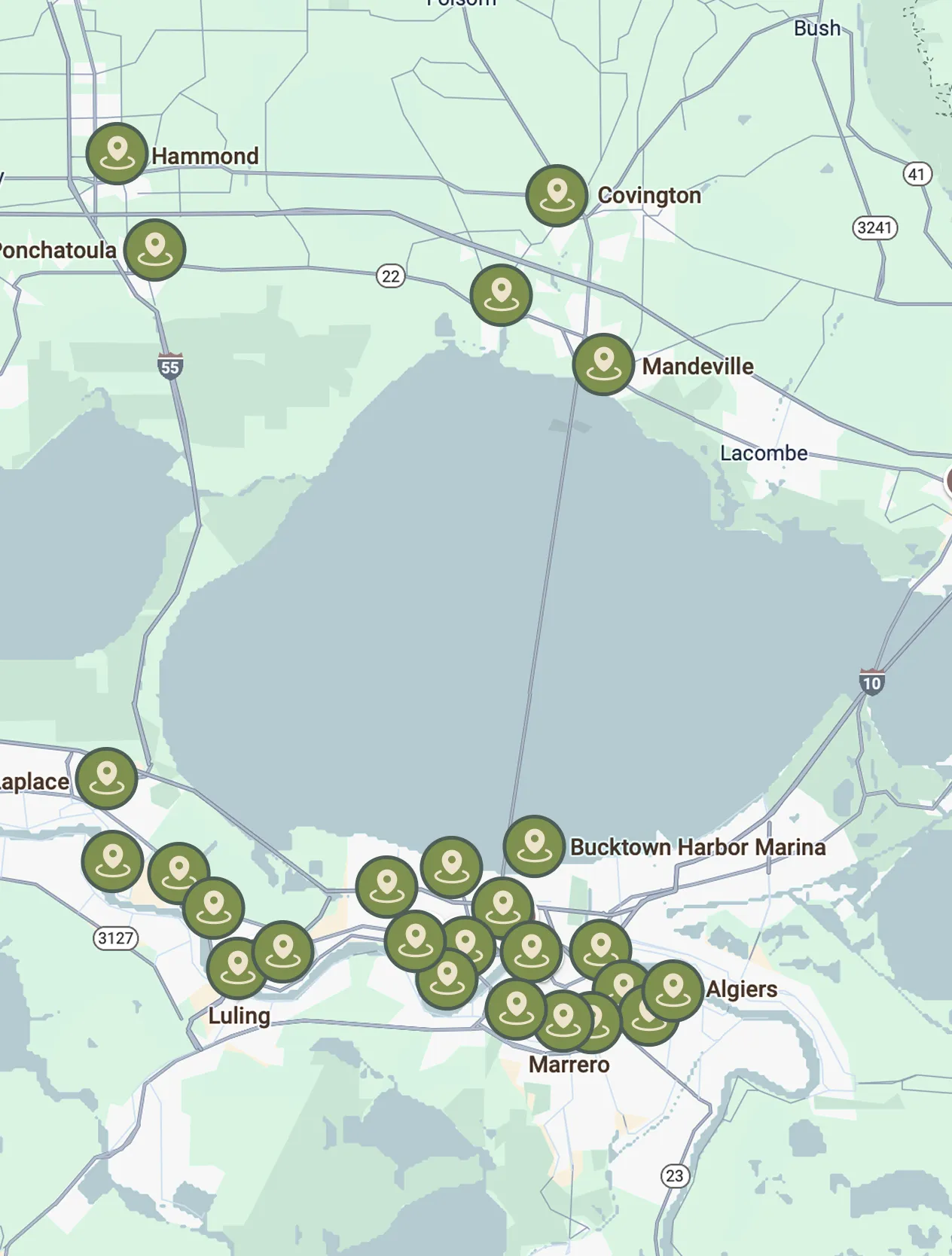
Service areas
Our service areas are designed to meet the diverse needs of our clients. We focus on providing exceptional service and ensuring customer satisfaction in every location we operate.