The Essential Seasonal Home Maintenance Checklist for the October Heating-Startup


Navigating the Shift from Cooling to Heating
October in South Louisiana brings a welcome shift in the weather, making it the perfect time to finalize your seasonal home maintenance checklist. As nighttime temperatures finally begin to drop, your thermostat is preparing for a major transition. The biggest priority on your list shouldn't just be cleaning gutters or checking weatherstripping—it is safely transitioning a heavily used HVAC system from cooling to heating. In our region, the extended, highly humid Gulf Coast cooling season forces air conditioning systems to run for thousands of hours before the heating elements are ever engaged. This creates a concrete problem: significant wear and tear on the system, coupled with months of dust accumulation on dormant heating components.
As a homeowner, you face an important decision point. Do you simply switch the thermostat to "heat" and ignore the initial burning odors, or do you schedule a licensed professional to inspect and clean the system prior to the October heating-startup? In our years of serving Metairie, we've seen firsthand that proactive preparation always outweighs reactive fixes when it comes to system safety and longevity. If you are looking for expert support during this transition, our air conditioning services team is ready to help you prepare your system for the months ahead.
The Hidden Toll of a Long Cooling Season on Dual-Purpose Systems
The Problem: Surviving a brutal summer does not guarantee a seamless transition to fall heating. Dual-purpose HVAC systems endure immense mechanical stress during the summer months. Continuous high-capacity cooling pushes electrical components, blower motors, and refrigerant lines to their absolute limits.
The Cause: While the cooling side of your equipment is working overtime to combat the heat, the heating components sit completely dormant. These unused parts remain exposed to airborne particles, humidity, and temperature fluctuations inside the cabinet. Furthermore, restricted airflow from a dirty summer filter or low refrigerant levels can mask underlying inefficiencies that only become apparent when the system changes modes. Our team frequently sees the delayed effect of this summer strain. Just last fall, our dispatchers took a frantic call from a Metairie homeowner whose worn capacitor finally gave out on a Saturday night, leaving the house without air conditioning. One of our technicians arrived on Sunday and safely installed a temporary alternative to get the system running and provide relief until the permanent part arrived. This illustrates how hard components work before the season even changes.
The Solution: Recognizing this hidden toll is the first step in protecting your equipment. Before the weather turns truly cold, having a professional evaluate the electrical draw and mechanical health of your system is critical. If you suspect your system took a beating this summer, scheduling AC repair in Metairie for a thorough tune-up ensures those stressed components are replaced before they trigger a complete breakdown.
Why Dormant Heating Components Pose a Hidden Risk
The most critical phase of the October heating-startup involves the heat exchanger. This component is responsible for safely transferring heat from the combustion chamber to the air blowing through your vents. Because it sits idle for over six months during the cooling season, it becomes a magnet for airborne debris.
Over the summer, dust, pet dander, and microscopic lint bypass the air filter and settle directly onto the heat exchanger and surrounding burners. When you ignite the furnace for the first time, all of that accumulated debris instantly incinerates. Beyond the unpleasant smell, an uninspected heat exchanger poses severe safety risks. If the metal has developed hairline cracks due to age or previous thermal expansion, dangerous combustion gases—including carbon monoxide—can leak into your breathing air.
Additionally, the safety controls and flame sensors designed to shut the system down in an emergency can become coated in grime. A dirty flame sensor may fail to register that the burners are lit, causing the system to shut down prematurely, or worse, fail to trigger during an unsafe condition.
• Heat Exchanger — Cooling Season Status: Dormant, accumulating dust — Heating Season Risk if Uninspected: Cracks causing carbon monoxide leaks, fire hazards
• Flame Sensor — Cooling Season Status: Coated in airborne grime — Heating Season Risk if Uninspected: Fails to detect flame, system short-cycles
• Limit Switches — Cooling Season Status: Inactive — Heating Season Risk if Uninspected: Fails to prevent system overheating
• Blower Motor — Cooling Season Status: Running at high capacity — Heating Season Risk if Uninspected: Electrical failure upon switching speeds for heating
In our experience performing hundreds of fall tune-ups across South Louisiana, validating the health of these components requires a professional cleaning and inspection before the system is forced to ignite. Ignoring this step turns a routine seasonal shift into a potential safety hazard.
Understanding the 'Burning Smell' During Your First Fall Heating Cycle
At Cypress Cooling Company, our front office fields dozens of calls every October from residents anxious about the distinct burning odor that fills the house when the thermostat is first switched to heat. While it alarms many, our team knows this is a highly predictable mechanical reaction, though it still requires careful attention.
The mechanics are straightforward: the sudden incineration of the settled dust and dander on the heat exchanger creates a distinct, dusty burning smell. In a healthy system, this odor is brief. It typically dissipates within the first 15 to 30 minutes of operation as the debris burns off completely.
However, you must be able to differentiate between a normal dust-burnoff smell and a persistent odor that indicates severe danger. If the smell does not go away, or if it changes in character, you need to take immediate action.
• Electrical burning: A smell resembling melting plastic or burning wire indicates an electrical short, a failing motor, or melting insulation.
• Sulfur or rotten eggs: This is a clear indicator of a natural gas leak.
• Persistent smoky odor: If the smell resembles a wood fire and continues for hours, debris may be trapped in the ductwork or near the combustion chamber.
The safest course of action: If the smell persists beyond a few minutes, or if you detect an electrical or gas odor, turn the system off immediately at the thermostat and consult a licensed professional. Do not attempt to let it "run its course" if the odor is severe.
Your HVAC-Focused Seasonal Home Maintenance Checklist
To ensure your home is fully prepared for the temperature drop, your fall maintenance routine needs to prioritize mechanical safety. Use this structured, HVAC-focused seasonal home maintenance checklist to guide your preparations for the October heating-startup.
1. Schedule a professional heat exchanger inspection: A licensed technician will visually inspect the heat exchanger for cracks, rust, and structural integrity to prevent carbon monoxide risks.
2. Address dormant dust buildup: Have a professional safely clean the interior cabinet, burners, and ignition assemblies to minimize the burning smell and improve efficiency.
3. Test system safety controls: Ensure that all limit switches and flame sensors are calibrated and functioning correctly.
4. Inspect and seal ventilation pathways: Verify that your ductwork is free of leaks and blockages so that warm air reaches every room efficiently.
Verifying System Safety Controls
Limit switches act as the primary safety net for your furnace. If the internal temperature of the unit gets too high—often due to restricted airflow—the limit switch automatically shuts down the burners to prevent a fire or cracked heat exchanger. Because these switches sit idle all summer, a licensed technician must test them to ensure they haven't failed in the closed position. This is not a task for a homeowner, as it requires manipulating live electrical circuits and understanding specific voltage drops.
Evaluating Airflow and Ventilation
Unobstructed vents are vital for preventing strain on the newly engaged heating elements. If furniture or rugs were moved over floor vents during the summer, clear them away now. Additionally, replacing your air filter is critical. A clogged filter forces the blower motor to work harder, which can easily cause a furnace to overheat and trip those limit switches we just discussed. If you suspect your air distribution is uneven, our team's professional ductwork inspection can identify disconnected runs or leaks in the attic.


Managing Post-Summer Air Quality and Humidity
The Problem: The shift in seasons significantly alters indoor humidity levels, but in Metairie, the moisture doesn't disappear overnight. A system might run effectively to warm the air, but still leave the home feeling damp, sticky, or uncomfortable.
The Cause: South Louisiana's persistent humidity requires the HVAC system to balance temperature and moisture control simultaneously. During the fall, your system runs for shorter cycles because the outside temperature is milder. Shorter cycles mean the system doesn't run long enough to pull excess moisture out of the air. Furthermore, the condensate drain line—which works overtime all summer to carry away water—may be partially clogged with algae or debris, causing moisture to back up into the system.
The Solution: We often tell our Metairie customers that managing indoor air quality during this transition is essential. Have your condensate drain line flushed and treated to prevent backups. If you continually struggle with damp indoor air during the fall, exploring why your AC is running but the house still feels humid can help you identify whether you need a dedicated dehumidifier or a simple fan speed adjustment. Professional indoor air quality assessments during the seasonal transition ensure your home stays comfortable, not just warm.
When to Call for Emergency Service During the Switchover
While routine maintenance covers most issues, certain warning signs require immediate professional intervention rather than a scheduled checkup. Knowing when to shut the system down can save you from catastrophic damage during the October heating-startup.
Red flags include persistent burning odors that last longer than an hour, strange grinding or screeching noises from the blower motor, or immediate system shutdowns right after ignition. Electrical failures are also a significant risk, particularly within zoned or complex systems when switching operational modes. During a previous fall switchover, our emergency repair crew responded to a local customer with a zoned system that experienced a sudden failure. Our technician identified a complex electrical fault within the zoning controls that only triggered when the heating mode engaged. We successfully diagnosed the fault, repaired the wiring, and restored the heat safely.
Attempting to force a malfunctioning system to heat by repeatedly resetting the thermostat is highly dangerous. If your system exhibits any of these red flags, shut it down at the thermostat and switch off the breaker. Working with a team that offers 24/7 emergency repair availability and same-day dispatch means you don't have to wait in the cold if your first heating cycle results in an alarming failure.
Ensuring a Safe and Efficient Transition to Fall
Addressing dormant heating components before the cold sets in is the most important step in protecting your home this season. The transition from cooling to heating places unique stress on dual-purpose systems, and ignoring the dust, wear, and mechanical fatigue from a long Metairie summer only invites breakdowns.
Professional inspections mitigate severe safety risks, prevent unexpected electrical failures, and drastically improve system longevity. By taking action now, you secure your system's health for the upcoming season and gain peace of mind knowing your heat exchanger and safety controls are fully operational. Furthermore, federal tax credits or local utility incentive programs may apply to qualifying high-efficiency heat pump upgrades if a replacement is needed—be sure to verify current programs with your utility or tax professional. To keep your system running safely year-round, enroll in a preventative maintenance plan and make your seasonal home maintenance checklist a seamless part of your home care routine.
Frequently Asked Questions
What should be on a fall home maintenance checklist?
A comprehensive fall maintenance checklist should prioritize preparing your HVAC system for the heating season. This includes scheduling a professional heat exchanger inspection, cleaning dormant dust from the furnace cabinet, and testing all safety controls. You should also replace your air filters, clear debris from around the outdoor unit, and ensure all indoor vents are unobstructed.
How do you prepare your HVAC for winter?
Preparing your HVAC for winter starts with a professional tune-up to address the wear and tear from the summer cooling season. A technician will inspect the heat exchanger for cracks, test the limit switches, and clean the burners. Additionally, you should replace your air filter and verify that your thermostat is correctly calibrated for heating.
Why does my heater smell like burning when I turn it on for the first time?
The burning smell is caused by the incineration of dust and dander that settled on the heat exchanger during the dormant summer months. When the burners ignite for the first time, this debris burns off, creating a distinct dusty odor. While this is normal and should dissipate within 30 minutes, persistent smells or odors resembling melting plastic require immediate professional attention.
Should I have my HVAC serviced before winter?
Yes, having your HVAC serviced before winter is critical for safety and efficiency. A dual-purpose system endures heavy mechanical stress during the summer, and dormant heating components must be evaluated before they are forced to operate. A pre-winter service ensures that safety controls are functioning and the heat exchanger is free of dangerous cracks.
What is included in HVAC fall maintenance?
HVAC fall maintenance typically includes a comprehensive cleaning and safety check of the heating components. Technicians will inspect the heat exchanger, test the flame sensor and limit switches, check electrical connections, and measure the blower motor's amperage. They will also clear the condensate drain line and calibrate the thermostat for the upcoming season.
Is it safe to run my heater if it smells like dust?
It is generally safe to run your heater if it produces a brief, dusty smell during the first cycle of the season. This is simply the normal burn-off of accumulated summer dust on the internal components. However, if the smell lasts longer than an hour, grows stronger, or smells like electrical wire, you should shut the system down immediately and call a technician.
OUR CLIENTS HAVE TO SAY ABOUT US



Service areas
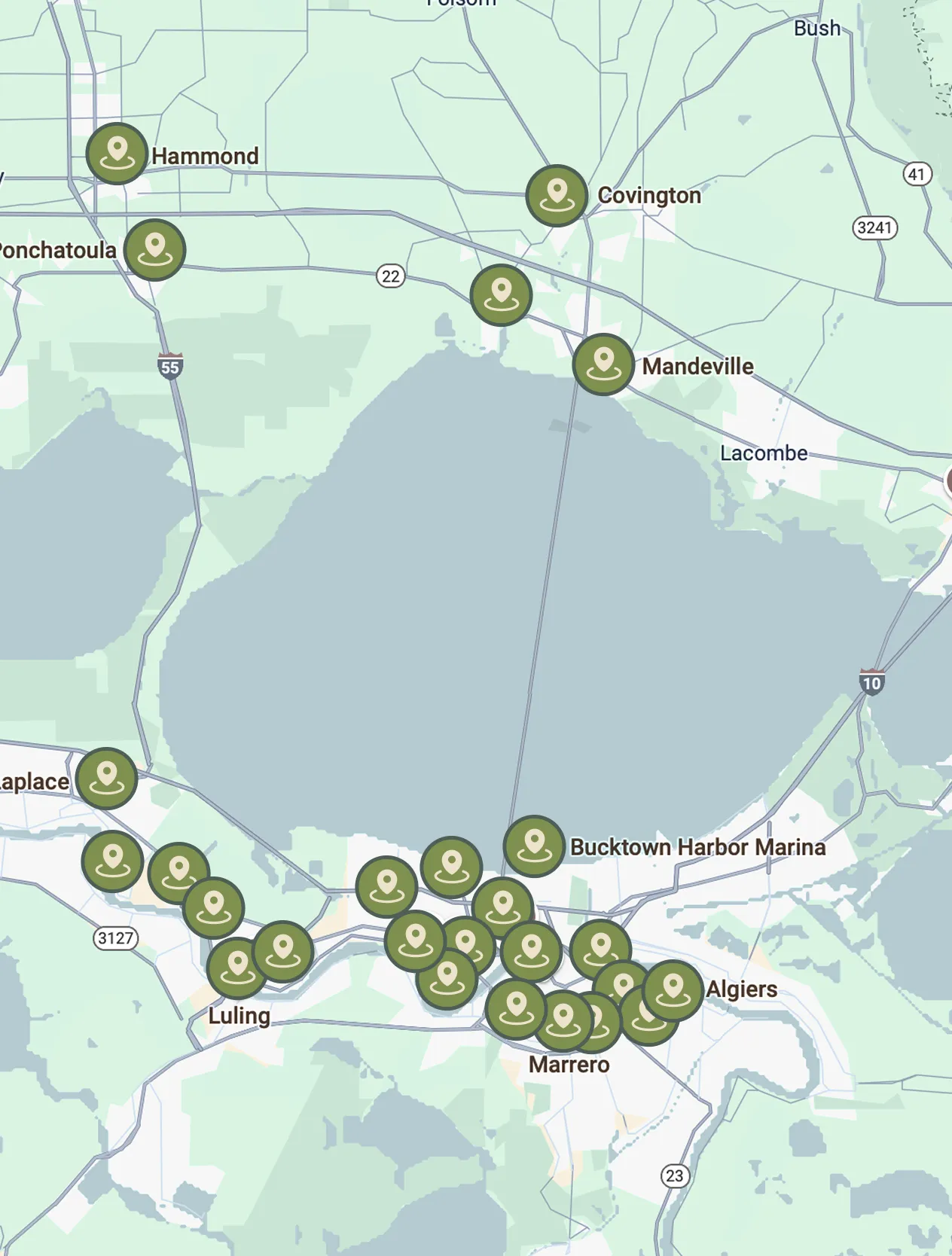
Our service areas are designed to meet the diverse needs of our clients. We focus on providing exceptional service and ensuring customer satisfaction in every location we operate.