
ductwork
.webp)
Ductwork service in Metairie, LA is essential for homes and businesses that rely on dependable heating, ventilation, and air conditioning in a hot, humid coastal climate. At Cypress Cooling Company, we offer complete ductwork solutions for Jefferson Parish properties, addressing common challenges caused by humidity, salt air, aging systems, and older construction methods. Proper duct design, sealing, insulation, and balancing not only enhance comfort but also reduce energy waste, prevent moisture-related problems, and help maintain healthy indoor air quality in Metairie homes and commercial spaces.
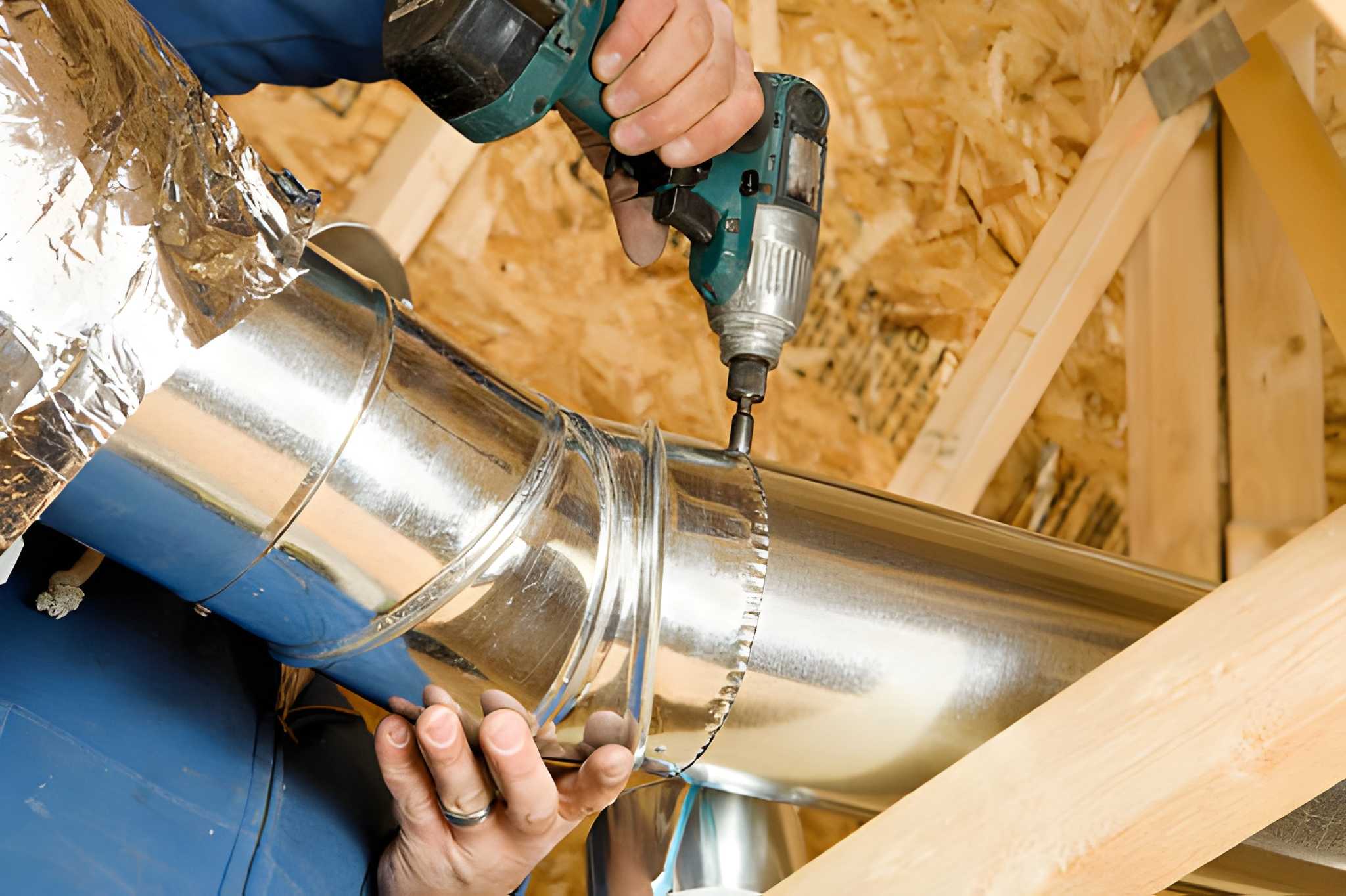
Ductwork Service in Metairie, LA
Ductwork service in Metairie, LA is essential for homes and businesses that need reliable heating, ventilation, and air conditioning performance in a hot, humid coastal climate. Cypress Cooling Company provides comprehensive ductwork services tailored for Jefferson Parish properties, addressing frequent problems caused by humidity, salt air, aging systems, and older construction methods. Proper duct design, sealing, insulation, and balancing improve comfort, reduce energy waste, limit moisture-driven issues, and protect indoor air quality.
Why Ductwork Matters in Metairie, LA
Metairie experiences hot, humid summers, frequent thunderstorms, and proximity to the Gulf of Mexico, which increases ambient humidity and salt exposure. Well-designed and maintained ductwork is critical because:
- High humidity can lead to condensation in uninsulated or leaky ducts, promoting mold and microbial growth
- Attic and crawlspace ducts in poorly insulated homes lose cooling capacity quickly, raising energy bills
- Salt-laden air accelerates corrosion in low-grade metal ducts, reducing lifespan and increasing leakage
- Old or poorly zoned systems struggle to maintain even temperatures across connected living spaces
Cypress Cooling Company focuses on practical, long-term solutions: sealed transitions, corrosion-resistant materials, proper insulation, and designs that control moisture and airflow effectively.
Common Ductwork Problems in Metairie Homes and Businesses
Typical issues include:
- Leaky duct joints and fittings allowing conditioned air to escape
- Collapsed or crushed flex-ducts reducing airflow capacity
- Undersized ducts restricting system performance after HVAC upgrades
- Poorly designed duct layouts causing uneven room temperatures and short cycling
- Insufficient insulation on ducts running through hot attics
- Corroded sheet metal ducts creating holes and air loss
- Inadequate return-air paths lowering efficiency and increasing dust accumulation
- Duct systems with no zoning or poorly implemented zoning, leading to wasted energy
Each of these problems harms comfort, increases operating costs, and negatively affects indoor air quality if not addressed promptly.
Full Scope of Ductwork Services Offered
Cypress Cooling Company provides a complete range of ductwork services in Metairie, including design, installation, repair, and ongoing maintenance:
- Duct system design and on-site evaluations for new systems and retrofits
- Hard-pipe and flex-duct installation and replacement
- Custom fabrications: boots, plenums, adapters, and transitions
- Duct repair and sealing using mastic, metal tape, and gasketed connections
- Zoning system design and installation with dampers and thermostats
- Airflow balancing and leak detection
- Insulation and material recommendations with proper R-values and vapor barriers
All services follow local codes and Gulf Coast best practices.
How We Diagnose Duct Issues
Our evaluation process includes:
- Free ductwork evaluation to identify leaks, insulation problems, and layout issues
- Visual inspection and documentation of runs, fittings, and access points
- Pressure and leakage testing using blower door or duct blower tests
- Airflow measurements with anemometers and flow hoods
- Moisture and mold assessment for condensation and humidity damage
- Thermal imaging to find thermal losses or poorly insulated sections
- System sizing review to confirm duct capacity matches HVAC unit
- Detailed report and recommendations for repair, replacement, or upgrades
Proposal and Sizing
Right-sizing ductwork is as important as HVAC sizing:
- Load-calculated outcomes using Manual J and Manual D
- Sizing and friction loss calculations to maintain efficient airflow
- Comparison of repair, partial replacement, and full replacement options
- Material and insulation specifications for location and exposure
- Clear timeline and scope for all work, materials, and access requirements
Installation and Repair Process
Installation and repair follow a quality-driven workflow:
- Preparation and containment to protect floors and surfaces
- Old duct removal or cleaning
- Fabrication and fitting of sheet metal and transitions
- Sealing and insulation with mastic, metal tape, and vapor barriers
- Zoning and control integration
- Register and grille adjustment for balanced airflow
- Testing and commissioning with post-installation leakage testing
- Customer walkthrough and documentation
Airflow Balancing and Leak Detection
- Room-by-room balancing to match calculated CFM
- Return-path optimization to minimize drafts and dust infiltration
- Leak localization using acoustic or tracer gas techniques
- Pressure testing to quantify leakage reduction
Balanced airflow improves comfort, reduces run time, and enhances indoor air quality.
Insulation, Materials, and Recommendations
- Insulation R-values: Attic duct insulation with proper R-values
- Vapor barriers: Prevent condensation and mold growth
- Corrosion-resistant materials: Galvanized or coated ductwork in coastal areas
- Flex-duct: Acceptable for short runs if properly supported
- Hard-pipe ducts: Recommended for long runs or areas needing durability
- Access panels and cleanouts: For future cleaning and inspections
Typical Timelines
- Minor repairs and sealing: Often completed in a day
- Partial replacement or targeted upgrades: 1 to 3 days
- Full duct replacement and new zoning installations: 3 to 7 days
- Testing and commissioning performed immediately after installation
Pricing Factors
Project costs depend on:
- System size and layout
- Extent of repairs
- Material choices
- Accessibility of duct runs
- Zoning and control complexity
- Permits and inspections
- Testing and commissioning requirements
Transparent proposals explain all cost factors.
Maintenance Options and Warranties
- Seasonal inspections before peak cooling and heating seasons
- Regular duct cleaning options combined with improved filtration
- Service agreements for airflow, motor, damper, and humidity checks
- Workmanship and material warranties with documented coverage
- Post-installation support for re-balancing
Indoor Air Quality and Health Considerations
- Sealed ducts reduce infiltration of dust, insulation particles, and pollutants
- Proper insulation and vapor barriers prevent mold growth
- Balanced ventilation maintains consistent pressure and reduces allergens
- Zoning allows targeted filtration and humidity control
- Access panels and cleanouts make duct cleaning possible
Choosing Between Repair and Replacement
- Repair: Isolated leaks with intact insulation
- Partial replacement: Damaged or undersized runs
- Full replacement: Widespread corrosion, leakage, or incorrect sizing
Decisions consider energy savings, comfort, and mold mitigation.
Implementation Standards and Code Compliance
- Proper insulation and vapor barrier ratings
- Fire-stopping and penetration protection
- Correct return air placement and dampers
- Electrical and control work to code
Documentation and Performance Verification
- As-built duct diagrams and zoning configurations
- Pre- and post-repair leakage reports and airflow measurements
- Material and insulation specifications
- Warranty documentation
Frequently Asked Questions
Q: How do I know if my ducts need sealing or replacement?
A: Uneven room temperatures, rising energy bills, visible mold, cold spots, and unusual dust accumulation. Professional testing confirms the need.
Q: Will insulating ducts in the attic reduce energy bills?
A: Yes. Proper insulation reduces thermal gain and prevents condensation and mold.
Q: Are flex-ducts okay for my home?
A: Yes for short runs and tight spaces if properly installed. Long runs perform better with sheet metal.
Q: What is duct airflow balancing and why is it necessary?
A: Adjusts dampers and registers so each room gets correct airflow, eliminating hot and cold spots.
Q: How long does a typical duct repair or replacement take?
A: Minor repairs: 1 day; partial replacement: 1–3 days; full replacement or zoning projects: 3–7 days.
Q: Do you test ducts before and after work?
A: Yes. Pre-work diagnostics and post-work testing verify improvements.
Q: What warranties and maintenance options are available?
A: Warranties cover workmanship and materials; maintenance plans include inspections, cleaning, and re-balancing.
Q: How does the local climate in Metairie affect duct material choices?
A: High humidity and salt air make corrosion-resistant materials, insulation, and vapor barriers critical.
Cypress Cooling Company provides professional ductwork evaluation, repair, and replacement in Metairie, LA, ensuring energy efficiency, comfort, and indoor air quality for homes and businesses throughout Jefferson Parish.
OUR CLIENTS HAVE TO SAY ABOUT US



Service areas
Our service areas are designed to meet the diverse needs of our clients. We focus on providing exceptional service and ensuring customer satisfaction in every location we operate.

