Fall AC Repair Guide: Troubleshooting the October Heating Transition With Local Service Expertise and Area Tips


Navigating the Shift from Cooling to Heating in South Louisiana
Are you dreading the moment you finally switch your thermostat from cool to heat, wondering if you need local service expertise and area tips to navigate the transition smoothly? At Cypress Cooling Company, our team understands that the relief of cooler weather arriving in the region is undeniable, but we also know firsthand that the sudden shift from extreme cooling to heating places immense stress on an HVAC system. During a mid-fall October heating startup, this abrupt change forces components that have been running one way for months to suddenly operate entirely differently.
You face a concrete decision point right now: address the accumulated summer wear-and-tear immediately, or risk poor indoor air quality and unexpected breakdowns when you need comfort the most. Catching these transitional issues before they escalate saves time and frustration. For comprehensive support, explore our HVAC services to ensure your equipment is fully prepared for the changing seasons.
The Toll of an 8-Month Cooling Season on Your System
Constant running from spring through early fall exhausts system components in ways that aren't always immediately visible. In the Metairie and Greater New Orleans area, our technicians regularly observe how an 8-month cooling season means your air conditioner rarely gets a day off. That relentless operation takes a heavy toll on moving parts, electrical connections, and airflow pathways. If you are looking for reliable Metairie AC services, understanding this regional wear-and-tear is the first step toward protecting your investment.
High humidity forces the system to work overtime not just to cool the air, but to dehumidify it. This dual workload accelerates the degradation of internal components. When the first cold snap arrives, this accumulated stress often manifests as sluggish performance or complete system failure.
Stressed Electrical Components
Continuous operation weakens critical electrical parts over the long summer months. The contactors that signal the unit to turn on, and the capacitors that provide the energy burst to start the motors, endure thousands of cycles. By the time fall arrives, these components are highly vulnerable to failure during rapid temperature fluctuations.
• Worn contactors: Pitted or burned electrical contacts can cause the system to short-cycle or fail to start entirely.
• Degraded capacitors: Heat and constant use drain the capacitor's ability to hold a charge, leading to hard starts.
• Overheated wiring: Continuous heavy loads can cause wire insulation to become brittle and degrade.
Airflow Restrictions
Months of heavy use inevitably lead to the accumulation of dust, pet dander, and debris within the unit. Clogged filters from extended summer operation severely restrict the amount of air pulling through the system. When you eventually switch modes, this reduced airflow cripples efficiency and forces the blower motor to strain against the blockage, increasing the likelihood of an unexpected breakdown.
Why Does My Heater Smell Like Burning Dust?
We field dozens of calls about this every fall. The short answer is: dust settles on your heating elements during the summer, and when you activate the system for a mid-fall October heating startup, that dust simply burns off. It is one of the most common concerns homeowners have during the seasonal shift. While alarming, this specific odor is usually a normal part of the transition.
However, distinguishing between a harmless dust burn-off and a dangerous electrical issue requires paying close attention to the type of smell and how long it lasts.
The Mechanics of the First Heating Cycle
Throughout the long cooling season, your heat strips or heat exchangers sit completely dormant. Over those eight months, household dust, pet hair, and airborne particles settle on these cold components. When you finally trigger the heating cycle, those elements rapidly heat up to high temperatures, incinerating the accumulated debris. This brief burn-off period typically lasts between 15 and 30 minutes.
When to Worry About Burning Odors
While a dusty smell is expected, other odors signal an immediate problem. Identifying acrid, electrical, or persistent burning smells can prevent a catastrophic failure.
• Dry, dusty burning — Likely Cause: Normal dust burn-off on heating elements — Required Action: Monitor for 30 minutes; it should fade.
• Melting plastic or rubber — Likely Cause: Overheating wires or failing electrical components — Required Action: Turn off the system immediately and call a professional.
• Acrid, electrical sparking — Likely Cause: Short circuit or failing blower motor — Required Action: Shut down power at the breaker; do not operate.
If you ever see visible smoke coming from your vents or the unit itself, the rule is simple: shut the system down completely and seek professional help. Never let a severe electrical odor go unchecked.
The Hidden Danger of Residual Summer Condensate
Excessive summer humidity in southeast Louisiana leads to heavy condensate production. Your air conditioner pulls gallons of water out of the indoor air every single day. Over an 8-month period, this leftover moisture creates the perfect environment for algae and mold to thrive inside the drain line. If this buildup is ignored during the Metairie and Greater New Orleans area transition to fall, you risk severe water damage and compromised air quality.
Our team at Cypress Cooling Company recently responded to a local homeowner who experienced the consequences of condensate issues firsthand during the summer when a faulty drip pan caused an emergency water leak right through their ceiling. A technician diagnosed the problem, ordered a new drip pan, and had it installed before the end of the day, restoring their air conditioning. While that scenario happened in peak cooling season, the exact same leftover moisture causes massive blockages when the system sits idle in the fall.
How Condensate Lines Become Blocked
Algae and mold growth thrive in warm, damp environments. The primary drain line, usually a PVC pipe leading outside, stays constantly wet from spring through early fall. Sediment, dust, and biological growth build up into a thick sludge. When the weather cools and the AC runs less frequently, this sludge can dry out slightly and harden, creating a stubborn blockage that prevents future drainage.
Indoor Air Quality (IAQ) Risks
Switching your system to heat with a clogged, moldy drain line introduces serious indoor air quality risks. When the blower activates, it can circulate mold spores and musty odors throughout your living space. The EPA guidelines on preventing mold emphasize the critical need for proper drainage and moisture control. Clearing this line as part of your seasonal recovery stops these contaminants from spreading into your breathing air.
Common High-Humidity AC Failures Before Winter
Late October weather in our region is notoriously unpredictable, often featuring a sudden heatwave immediately following a cold snap. This requires rapid switching between cooling and heating modes, which stresses the system intensely. These transitional failures often happen unexpectedly, leaving you without climate control when the weather shifts.
Our dispatch crew saw this exact pattern of component stress when a local customer's AC stopped working on a sweltering July 4th holiday due to a blown capacitor. A technician arrived promptly, diagnosed the blown capacitor, and fixed it for a reasonable price while performing preventive maintenance. That identical stress occurs during a mid-fall October heating startup when the system is forced to rapidly cycle back and forth to accommodate wild temperature swings.
If you are wondering why your AC keeps turning on and off during these fluctuating weeks, the root cause usually points to one of two major components.
Capacitor Burnout
The capacitor acts as a powerful battery, delivering a jolt of electricity to start the compressor and fan motors. Rapid cycling between heat and cool forces the capacitor to charge and discharge continuously without adequate time to cool down. This excessive thermal stress causes the internal fluids to expand, eventually leading the capacitor to bulge, leak, or fail completely.
Frozen Evaporator Coils
Dirty filters leftover from summer use severely restrict airflow across the evaporator coil. When you combine this restricted airflow with cooler fall nights, the refrigerant inside the coil drops below freezing. Moisture in the air then freezes directly onto the coil, encasing it in solid ice. This compounding effect blocks all cooling capacity and can permanently damage the compressor if left running. Because these failures happen abruptly, our 24/7 emergency dispatch availability ensures you are never left stranded during a sudden breakdown.
Safe Troubleshooting vs. Calling for Professional AC Repair
Knowing the boundary between safe homeowner maintenance and dangerous DIY is critical for your safety and the longevity of your equipment. Modern HVAC systems require specialized diagnostic tools, and proper professional intervention ensures compliance with active warranties. If you need professional AC repair, it is always better to rely on trained experts rather than risking personal injury.
In our years of serving the Metairie and Greater New Orleans area, we always advise our customers to stick to the safe troubleshooting steps below before making a service call.
Safe Homeowner Maintenance Steps
• Verify thermostat settings: Ensure the system is actually set to "Heat" and the fan is set to "Auto" rather than "On."
• Replace heavy-duty summer filters: Swap out the clogged, dust-filled filter for a clean one to restore proper airflow.
• Check the circuit breaker: Look for a tripped breaker in your main electrical panel and reset it once if necessary.
• Ensure vents are unblocked: Walk through every room and confirm that rugs, furniture, or curtains are not covering the supply and return registers.
When to Call a Licensed Technician
Some tasks are strictly off-limits for homeowners. Attempting complex mechanical fixes can result in severe electrical shocks or accidental refrigerant leaks.
• Handling electrical panels: Never open the service panel on the indoor or outdoor unit to inspect wiring.
• Checking refrigerant levels: Handling refrigerant requires EPA certification and specialized gauges.
• Persistent burning smells: If an odor lasts longer than 30 minutes or smells like melting plastic, shut the system down and call for backup.


The Importance of Pre-Winter HVAC Recovery
Shifting the focus from reactive troubleshooting to proactive system recovery is the smartest move you can make before the serious cold sets in. We highly recommend thinking of fall service as a recovery from the brutal summer rather than just basic prep for winter. A mid-fall October heating startup is much smoother when the equipment has been properly evaluated and cleaned.
The Department of Energy (DOE) guidelines clearly outline the efficiency benefits of seasonal maintenance, noting that neglected systems consume significantly more energy to produce the same level of comfort. A professional inspection goes far beyond a simple filter change. A technician will clear the condensate lines of algae, test the electrical limits of the capacitors and contactors, and precisely calibrate the thermostat for the upcoming season. Additionally, federal tax credits or local utility incentive programs may apply to qualifying high-efficiency heat pump upgrades, so we advise readers to verify current programs with their utility or a tax professional. Securing preventative AC maintenance provides the peace of mind that comes with knowing your system has been fully vetted by an expert.
Frequently Asked Questions About Fall HVAC Transitions
Why does my heater smell like it's burning when I turn it on?
We receive numerous questions about this during the first cold snap. The burning smell happens because dust and debris settle on the heating elements during the long summer months. When you turn on the heater for the first time in the fall, those elements get extremely hot and incinerate the accumulated dust. This is a normal part of the seasonal transition in the Metairie and Greater New Orleans area and should dissipate within 15 to 30 minutes. If the smell is acrid, smells like melting plastic, or persists longer than half an hour, turn the system off and call a professional immediately.
How do I know if my AC condensate line is clogged?
Signs of a clogged condensate line include water pooling around the base of your indoor unit or damp spots on the ceiling if your unit is in the attic. You might also notice musty odors blowing through the vents when the system runs. In many modern systems, a clogged line will trigger a float switch that shuts the entire HVAC system down unexpectedly to prevent water damage.
How do I clear my AC condensate line safely?
Homeowners can safely pour a quarter cup of white vinegar down the condensate drain access pipe to help break up minor algae growth. However, if the line is completely blocked and water is backing up, you should not attempt to force it open with coat hangers or high-pressure air. A licensed technician uses specialized vacuums and safe clearing methods to remove the blockage without cracking the PVC pipe.
Should I get my HVAC serviced before winter?
Yes, getting your HVAC serviced before winter is critical to recover the system from the extreme stress of the cooling season. Preventive maintenance addresses worn electrical components and clears restricted airflow before they cause a mid-winter breakdown. It ensures that the transition to heating mode is safe, efficient, and won't trigger unexpected failures during the first real cold snap.
Why did my AC stop working in the fall?
AC units often stop working in the fall due to the accumulated wear-and-tear from running constantly all summer. The stress from rapid temperature fluctuations—switching between cooling during a hot afternoon and heating on a chilly night—can cause weakened capacitors to finally blow. Additionally, dirty filters leftover from summer use can restrict airflow enough to freeze the evaporator coil during cooler fall evenings.
What happens if I run my heater with a clogged condensate drain?
Running your heater with a clogged condensate drain creates a warm, stagnant pool of water inside the unit that acts as a breeding ground for mold and bacteria. When the blower motor turns on to distribute heat, it can pick up mold spores and musty odors, circulating them throughout your home. This severely degrades your indoor air quality and can trigger respiratory irritation for your family.
Why is fall HVAC maintenance important in Louisiana?
Fall HVAC maintenance is uniquely important in Louisiana because it clears out the high-humidity mold and algae buildup that accumulates during our long, wet summers. It also ensures that the system can safely handle the erratic late-fall weather where rapid switching between heat and cool is required. Proper maintenance recovers the system's efficiency and prevents minor summer wear from turning into major winter repairs.
Secure Your Comfort for the Changing Seasons: Local Service Expertise and Area Tips
Safely transitioning from cooling to heating requires more than just flipping a switch on the wall. Addressing the initial burning dust smell, clearing out residual condensate buildup, and replacing worn electrical parts demands professional attention. When you need local service expertise and area tips for your home, relying on our knowledgeable technicians ensures your equipment operates safely through every mid-fall October heating startup.
Do not wait for a sudden cold snap to reveal the hidden damage left behind by the summer heat. At Cypress Cooling Company, we encourage you to schedule a comprehensive inspection today to guarantee a safe, efficient winter for your household. With our 24/7 emergency dispatch availability, you can rest easy knowing expert local support is always ready to handle any unexpected transition failures, delivering clear, regionally accurate guidance when you need it most.
OUR CLIENTS HAVE TO SAY ABOUT US



Service areas
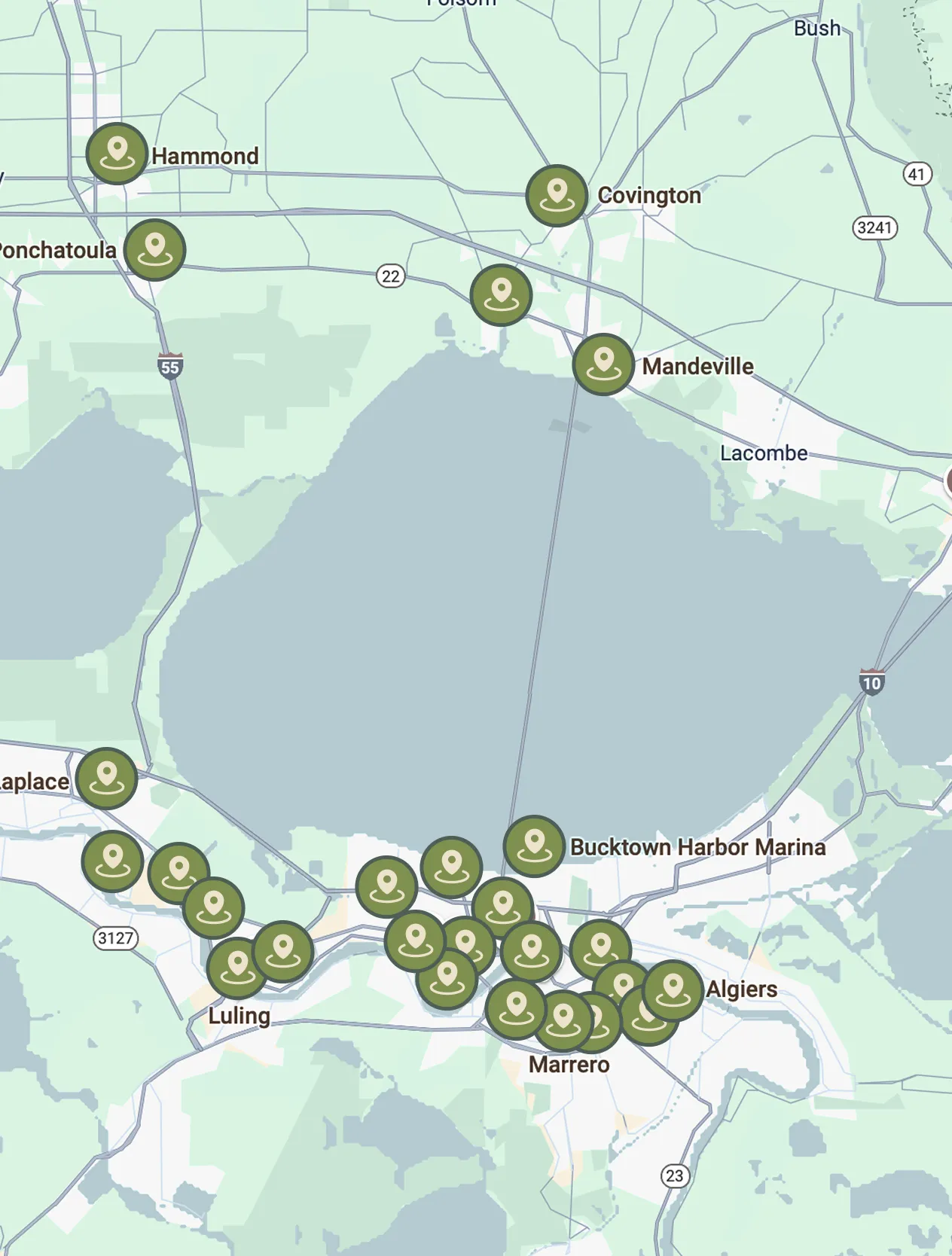
Our service areas are designed to meet the diverse needs of our clients. We focus on providing exceptional service and ensuring customer satisfaction in every location we operate.