Why Is My AC Compressor Tripping Breaker on Startup During Fall?


Are You Facing Heating and Cooling Issues This Fall?
Are you searching for reliable home maintenance tips and troubleshooting to get your system through the sudden shift from intense cooling to the first fall chill? The transition from heavy summer air conditioning to heating mode places an immense amount of stress on your entire HVAC system. After months of running almost continuously to battle the heat, components are worn, filters are loaded with debris, and electrical connections have endured thousands of cycles. When you turn on your heater for the first time, you might be greeted by a burning dust smell or a sudden blast of cold air instead of the warmth you expect.
For homeowners in Metairie LA, understanding how your system reacts to this seasonal shift is essential for maintaining a comfortable home. In our years of servicing local HVAC systems, the team at Cypress Cooling Company has found that the most critical decision you will make during this period is knowing which basic pre-winter checks are safe to handle yourself and when a symptom indicates a serious internal failure. Setting a neutral, safety-first boundary protects both your property and your family. Preventive maintenance always outweighs the cost and stress of reactive emergency repairs. If you are unsure about the sounds or smells coming from your unit, reaching out for professional HVAC services is the safest next step.
Why the AC Compressor Tripping Breaker on Startup is a Red Flag
A circuit breaker tripping is a vital safety mechanism designed to prevent electrical fires, melted wiring, and further catastrophic equipment damage. When your AC compressor or heat pump attempts to start, it requires a massive surge of electricity—often called inrush current. If the breaker trips immediately upon this startup demand, it means the system is pulling significantly more amperage than the electrical panel can safely handle. This is never a nuisance trip; it is a definitive warning sign that an electrical fault exists within the heavy machinery of your system.
During an October heating-startup, this issue frequently traces back to components that have degraded over a long, brutal summer. A failing run capacitor, for example, loses its ability to store and deliver the electrical jolt the compressor needs to start turning. Without that assistance, the compressor pulls too much power directly from the grid, overloading the circuit. Alternatively, the compressor itself may have become grounded, meaning its internal electrical windings have broken down and are touching the metal casing, creating a direct short circuit.
In one recent service call, our technicians worked with a homeowner who faced persistent cooling and heating problems that had gone unresolved for months. Our team finally identified the root cause as an underlying electrical fault causing these exact startup failures, and we were able to fully repair the system on the same day. This highlights why accurate, professional diagnosis is so important.
You must strictly avoid the dangerous habit of repeatedly flipping the breaker back on. Forcing the system to run under these conditions can destroy a compressor that might have otherwise been saved by a simple component replacement. If you are wondering what to do if your circuit breaker trips when the AC turns on, the answer is to leave the breaker off and call a licensed professional. A technician can safely determine if a hard start kit or a capacitor replacement will resolve the issue.
The Danger of Ignoring Electrical Surges
The underlying mechanics: Breakers trip specifically because the electrical draw exceeds the physical capacity of the wires in your wall. If a 30-amp breaker trips, the system is pulling more than 30 amps. If a homeowner bypasses this safety feature or repeatedly resets the breaker, the wires can overheat, melting their insulation and potentially sparking a fire inside the walls.
The risk to equipment: Beyond the fire hazard, forcing electricity into a grounded or locked compressor generates extreme heat within the unit. This heat burns the refrigerant oil and creates acid within the sealed system. Once a system becomes acidic, replacing the compressor becomes significantly more complicated and expensive, often requiring a complete system replacement.
Normal Fall Odors vs. Dangerous Electrical Smells
When you switch your thermostat to heating mode for the first time in months, it is incredibly common to notice a distinct odor spreading through your home. Knowing the difference between a harmless seasonal startup smell and a dangerous electrical fault is a vital part of seasonal home ownership in Metairie LA. During the long summer months, dust, pet dander, and microscopic household debris settle on the cold heat exchanger or heating elements inside your indoor unit. When these components heat up to several hundred degrees for the first time, that accumulated debris simply burns off.
This normal "burning dust" odor is often described as smelling slightly like a dusty radiator or a warm hairdryer. It typically dissipates entirely within 15 to 30 minutes of continuous operation as the physical dust is cleared away. If you notice this smell during your first fall test run, simply open a few windows to ventilate the house and let the system run its course.
However, you must heavily contrast this normal occurrence with the sharp, acrid smells of an electrical failure. If you detect the scent of ozone, melting plastic, burning rubber, or scorching wires, you are dealing with a severe electrical fault. These odors do not dissipate; they grow stronger as the system runs. If you encounter any of these dangerous smells, immediately shut down the system at the thermostat, turn off the breaker, and contact a professional.
• Burning Dust / Musty — Common Causes: Dust burning off heat exchangers, settling debris from summer — Duration: 15 to 30 minutes — Required Action: Ventilate the home and monitor. Normal operation.
• Melting Plastic / Rubber — Common Causes: Overheating wires, failing capacitors, seized blower motors — Duration: Persistent / Worsens — Required Action: Shut off system immediately. Call a professional.
• Ozone / Electrical Spark — Common Causes: Short circuits, grounded compressors, failing relays — Duration: Persistent / Worsens — Required Action: Shut off breaker immediately. Call a professional.
Why Your System Might Blow Cold Air During the First Cold Snap
Another frequent issue during an October heating-startup is feeling cold air blowing from your vents when the system should be producing heat. Before assuming the worst, check your thermostat settings. Often, the system has simply not been properly switched from cooling to heating mode, or a programmable schedule is overriding your manual inputs. Verify that the fan setting is on "Auto" rather than "On." If the fan is set to "On," it will blow continuously, circulating unheated room-temperature air between active heating cycles, which feels cold to the touch.
If you utilize a heat pump, you might be experiencing a normal defrost cycle. Heat pumps extract heat from the outside air. During colder weather, moisture in the air can freeze on the outdoor condenser coils. To prevent a block of ice from forming, the heat pump temporarily reverses its operation, sending hot refrigerant back outside to melt the frost. During this brief 5-to-15-minute window, the system is technically in air conditioning mode. Most modern systems activate auxiliary heat strips during this cycle to warm the indoor air, but if those strips fail, you will feel a temporary blast of cold air.
In our experience serving Metairie LA, we see firsthand how Louisiana's extended high-humidity cooling season puts extra strain on HVAC components, increasing the risk of startup failures during the first fall cold snap. This heavy usage can cause the reversing valve—the mechanical component that switches a heat pump from cooling to heating—to become stuck. If the internal solenoid fails, the valve cannot shift, and the system will remain permanently locked in cooling mode regardless of what the thermostat requests. Additionally, low refrigerant levels reduce the system's ability to transfer heat effectively, resulting in lukewarm or cool air.
Persistent cold air that lasts longer than a standard defrost cycle requires professional diagnostic tools to resolve safely. Technicians must check refrigerant pressures, test the reversing valve solenoid, and verify the operation of auxiliary heat strips. For thorough diagnostics and reliable air conditioning repair and service, relying on a trained technician ensures the underlying mechanical failure is addressed correctly.
Safe Pre-Winter HVAC Checks for Homeowners
While internal repairs are off-limits, there are several highly effective, safe maintenance steps you can take to prepare your home for the changing seasons. Performing these checks in Metairie LA before the severe cold arrives helps ensure proper airflow and reduces unnecessary strain on your equipment.
• Replacing air filters: A clogged filter is the leading cause of poor airflow, which forces the blower motor to work harder and can cause the system to overheat. Check your filter monthly and replace it with a clean, appropriately sized pleated filter to ensure proper static pressure.
• Checking thermostat settings: Take a moment to update your programmable thermostat schedules to reflect your fall and winter routines. Test the heating mode early in the season to verify the system responds to temperature adjustments.
• Clearing outdoor debris: The outdoor condenser unit requires unrestricted airflow to function efficiently. Clear away any fallen leaves, overgrown branches, grass clippings, or debris from the base and sides of the unit. Maintain a minimum clearance of two feet around the entire perimeter.
• Testing the heater early: Do not wait for the first freezing night to turn on your heat. Run the system for a full cycle on a mild fall day. This allows you to safely burn off accumulated dust and identify any strange noises or performance issues while technicians are still readily available.


Strict Safety Boundaries: When to Call a Professional
Establishing definitive safety boundaries is the most important part of any October heating-startup routine. As a homeowner, you must never open electrical panels, test capacitors, or attempt internal system repairs without proper licensing and training. HVAC systems operate on high-voltage electricity—typically 240 volts—which is more than enough to cause severe injury or death. Even when the power is disconnected at the breaker, components like run capacitors store a lethal electrical charge that can discharge instantly if touched improperly.
Complex electrical diagnostics require specialized tools, such as digital multimeters and megohmmeters, to accurately read voltage, amperage, and internal resistance. Identifying a grounded compressor or a failing contactor is not a matter of visual inspection; it requires technical training to interpret electrical readings safely. For example, during a previous winter, our emergency crew responded to a homeowner who experienced a sudden system failure due to an electrical issue within a zoned setup. Our technician identified the complex electrical fault, explained the necessary safety boundaries clearly, provided safe maintenance tips, and successfully repaired the system without putting the homeowner at risk.
If your system is repeatedly tripping breakers, making grinding noises, or failing to produce heat, it is time to step back. At Cypress Cooling Company, our team offers 24/7 emergency repair availability and technical expertise in diagnosing complex electrical HVAC issues safely. Trusting Metairie AC repair professionals ensures that your home remains safe and comfortable.
Furthermore, if your system is aging and experiencing severe electrical faults, pouring money into a failing compressor may not be the wisest investment. Upgrading a failing or unsafe system may qualify for generally applicable energy rebates or federal tax credits. Always verify current programs with your local utility provider or a qualified tax professional to see how upgrading to a modern, energy-efficient system can offset replacement costs. A professional tune-up and inspection remain the safest ways to evaluate your equipment's reliability and efficiency through the winter.
Frequently Asked Questions About Fall HVAC Troubleshooting
Why does my heater smell like burning dust when first turned on?
The burning dust smell is a normal result of accumulated debris heating up for the first time. During the summer, dust and pet dander settle on the cold heat exchanger inside your unit. When you switch to heating mode, these components reach high temperatures and safely burn off the settled dust. This harmless odor typically dissipates within 15 to 30 minutes of continuous operation. If the smell resembles melting plastic or electrical burning, shut the system off immediately and call a professional in Metairie LA.
Why is my heating system blowing cold air?
Your heating system may blow cold air due to incorrect thermostat settings, a stuck reversing valve, or a normal defrost cycle. Heat pumps periodically enter a brief defrost mode to melt ice off the outdoor coils, which can temporarily push cooler air into the home. However, if the cold air persists for more than 15 minutes, it usually indicates a mechanical failure, such as low refrigerant or a faulty compressor. Persistent cold air requires a licensed technician to diagnose the internal components safely.
What HVAC maintenance is safe for homeowners to do?
Homeowners can safely perform external maintenance tasks that do not involve electrical panels or refrigerant lines. You should regularly replace your indoor air filters to maintain proper airflow and reduce system strain. Additionally, keeping the outdoor condenser unit clear of leaves, branches, and debris ensures the system can breathe properly. Testing your thermostat and running the heater early in the season are also safe, proactive steps to catch issues before freezing temperatures arrive.
How do I prep my HVAC for winter?
Preparing your HVAC for winter starts with a fresh air filter and a clear outdoor unit. You should test the heating function on a mild fall day to ensure the system engages correctly and to allow the normal burning dust smell to clear out while you can easily open windows. Verify that your thermostat schedules are updated for cooler weather. Finally, scheduling a professional fall tune-up ensures that all internal electrical components and safety switches are tested before the heavy winter workload begins.
Can a bad capacitor cause the breaker to trip on startup?
Yes, a degraded or completely failed run capacitor is a leading cause of tripped breakers during startup. The capacitor provides the massive surge of stored energy required to get the heavy compressor motor turning. When it fails, the compressor struggles to start and pulls an excessive amount of amperage directly from your home's electrical panel. This sudden overload causes the circuit breaker to trip immediately to prevent the wires from overheating and causing a fire.
Ensure a Safe Transition to Heating This Season
Understanding the difference between normal operational behaviors and dangerous electrical faults is the key to a safe October heating-startup. While a brief burning dust smell or a short defrost cycle is nothing to worry about, tripped breakers and persistent cold air demand immediate, professional attention. Remember that upgrading outdated, failing equipment may qualify for generally applicable energy rebates, making a system replacement more accessible than you might think. Our team at Cypress Cooling Company encourages you to schedule a professional inspection to handle any complex electrical or startup issues safely, ensuring your home stays warm and secure all winter long.
OUR CLIENTS HAVE TO SAY ABOUT US



Service areas
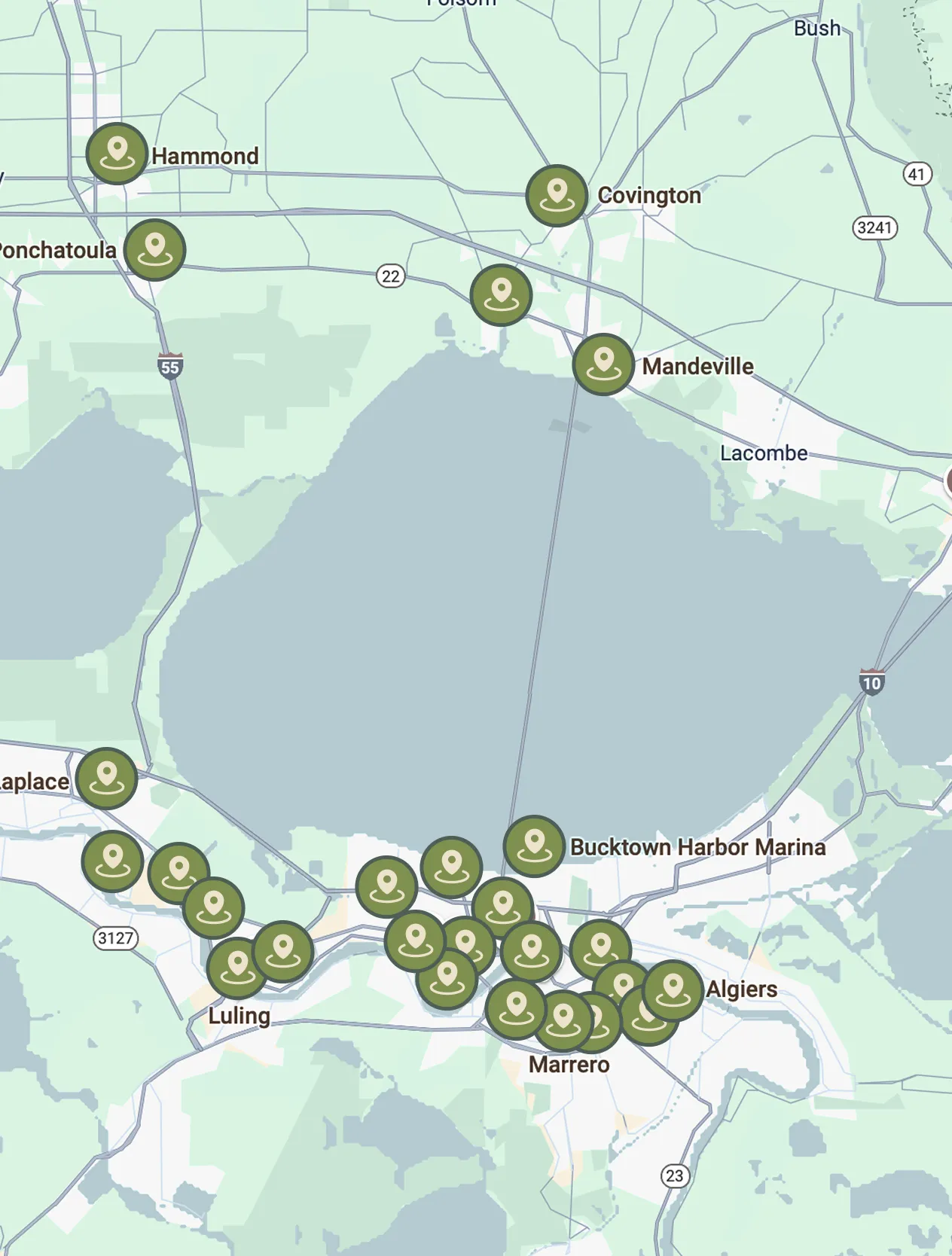
Our service areas are designed to meet the diverse needs of our clients. We focus on providing exceptional service and ensuring customer satisfaction in every location we operate.