Air Condition Repair: 5 Safe Things to Check Before Calling a Professional


The Toll of Summer Heat: Preparing for the October Fall Transition
Your HVAC system has been running nonstop for months, and now that strange noise or sudden lack of airflow has you searching for home maintenance tips and troubleshooting. At Cypress Cooling Company, we know firsthand the heavy toll a South Louisiana summer takes on cooling equipment. The internal components have cycled thousands of times, pushing air through your home while battling extreme outdoor temperatures. When the seasons begin to shift, we consistently see that accumulated stress reveal itself in the form of unexpected breakdowns or sluggish performance.
The October fall transition brings a unique set of challenges for your climate control system. During this period, your equipment must frequently switch back and forth between heavy cooling during warm afternoons and sudden heating during chilly nights. This rapid switching places maximum stress on electrical components, reversing valves, and blower motors. If the system is already fatigued from summer, our team often finds this transition is when a sudden furnace startup failure occurs.
As a homeowner, you face an important decision point: knowing which basic checks you can safely perform yourself versus when a professional is required to prevent a complete system failure. Safe home maintenance tips and troubleshooting never involve opening sealed electrical panels or handling high-voltage refrigerant components. Instead, we recommend focusing on simple, external verifications that ensure your system has the baseline conditions it needs to operate.
Before you assume the worst about your equipment, reviewing a few safe operational checks can save you time and frustration. If these basic steps do not restore normal function, it is time to explore professional HVAC services to safely get your home comfortable again.
Step 1: Verifying Thermostat Settings During Unpredictable Weather Shifts
In our years of serving Metairie, we've seen how unpredictable weather shifts are a hallmark of the season. When the temperature drops suddenly overnight and spikes again by mid-afternoon, it is incredibly easy for thermostat settings to become confusing or misaligned with the actual needs of your home. Before assuming your system is broken, verifying the control center is the most practical first step.
1. Check the System Mode
Sudden temperature drops in the fall often cause confusion regarding thermostat modes. Many homeowners leave their systems set to "auto" during the transition months. Unfortunately, an ambiguous auto setting can cause the system to cycle improperly, turning the heat on for ten minutes and then switching back to cooling. Instruct your thermostat explicitly by setting it to "heat" or "cool" so the equipment knows exactly what is expected.
2. Inspect the Power Supply and Batteries
A blank screen or an unresponsive thermostat does not automatically mean your compressor has failed. Check the thermostat batteries. A dying or dead battery can perfectly mimic a complete system failure. Replacing standard AA or AAA batteries is a safe, simple task that instantly resolves many assumed air condition repair emergencies.
3. Avoid Drastic Temperature Adjustments
When the house feels uncomfortable, the natural reaction is to drop the cooling setting by ten degrees or crank the heat up dramatically to force the system to run. Do not drastically alter temperatures to force a cycle. This adds unnecessary stress to an already fatigued system. Adjust the temperature by just one or two degrees and wait fifteen minutes to see if the system responds normally.
Step 2: Inspecting Air Filters to Prevent Airflow Restrictions
One of the most vital home maintenance tips and troubleshooting steps involves a component that costs only a few dollars but dictates the health of your entire system. Proper airflow is the lifeblood of your HVAC equipment, and restricting that airflow causes a domino effect of mechanical failures.
The Problem: Restricted Airflow
According to U.S. Department of Energy data, dirty air filters are a primary cause of system failure and reduced efficiency. Over months of heavy summer usage, your filter becomes heavily loaded with dust, pet dander, and airborne allergens. When the filter material clogs, the blower motor has to work twice as hard to pull air through the return vent.
The Cause: Summer Accumulation
During the October fall transition, that accumulated summer debris finally reaches a tipping point. The restricted airflow causes cooling coils to drop below freezing temperatures, turning the indoor unit into a block of ice. If your system is short-cycling, a blocked filter is often the culprit. In fact, during hot daytime conditions, one of our Metairie customers noticed their house was uncomfortably warm, and the thermostat temperature did not match the room. One of our technicians went into the attic, reattached a disconnected vent, and strongly recommended regular air filter replacements to dramatically improve home cooling efficiency.
The Solution: Safe Replacement
Locate your standard return filters, which are usually found in wall grilles, ceiling returns, or right at the indoor air handler. Turn the system off at the thermostat, remove the old filter, and slide a clean one in, ensuring the airflow arrows point toward the equipment. Proper airflow is absolutely critical before starting the heating cycle for the first time. If you have replaced the filter and your AC keeps turning on and off, the issue has likely progressed beyond basic maintenance.
Step 3: Checking for Heavy Condensation and Clogged Drain Lines
South Louisiana's extreme summer humidity and high dew points create maximum condensation loads for cooling equipment. As your system pulls moisture out of the muggy Metairie air, that water has to go somewhere. By mid-fall, we frequently see this high-moisture environment lead to maintenance issues that perfectly mimic a major mechanical failure.
The Threat of Algae Growth: Excessive condensation from heavy summer usage often leads to biological buildup in your drain lines. Warm, dark, and wet environments are perfect breeding grounds for algae. As this sludge thickens, it slowly chokes off the narrow PVC piping designed to carry water away from your home.
Safety Switches and System Shutdowns: Modern HVAC systems are equipped with safety float switches. When a clogged condensate drain causes water to back up into the indoor drip pan, the float switch rises and triggers an automatic shutdown. This brilliant safety feature prevents catastrophic water damage to your ceilings and floors, but it also leaves you without climate control. What looks like a dead motor is often just a clogged pipe.
Safe Homeowner Checks: You can safely check the indoor unit's drip pan for standing water. If you see water pooling around the indoor AC unit in the fall, a blockage is almost certainly present. However, clearing a severely clogged line or handling existing water damage requires professional tools. In one instance, our team at Cypress Cooling Company helped a local resident deal with persistent AC problems that remained unresolved after several prior attempts. When our technicians thoroughly investigated, we determined the root cause of the ongoing failure and resolved the complex drainage and operational issues on the same day. We always warn our customers: never use coat hangers or harsh chemical drain cleaners in your HVAC lines, as this can severely harm the equipment.
• Drip Pan Status — Normal Operation: Slightly damp but actively draining — Potential Drain Clog: Standing water filling the pan
• System Operation — Normal Operation: Runs full cycles normally — Potential Drain Clog: Abruptly shuts off; thermostat goes blank
• Outdoor Drain Pipe — Normal Operation: Steady dripping while AC runs — Potential Drain Clog: Bone dry while system runs, or dripping inside
Step 4: Safely Checking Circuit Breakers and Power Sources
Electrical interruptions are incredibly common during the October fall transition. Between late summer thunderstorms and the high electrical loads demanded by neighborhood cooling systems, power surges happen frequently. Providing safe instructions for verifying electrical power is a critical part of home maintenance tips and troubleshooting, but our team stresses that it must be done with strict boundaries to prevent dangerous DIY attempts.
1. Locate the Main Electrical Panel: Find your home's main breaker box, usually located in a garage, utility room, or on an exterior wall. Open the door and ensure your hands are completely dry.
2. Look for a Tripped Breaker: Scan the rows of switches for the one labeled "HVAC," "AC," or "Furnace." A tripped breaker will not be fully in the "ON" or "OFF" position; it will be resting somewhere in the middle, often with a small red indicator window showing.
3. Perform a Single Reset: If you find a tripped breaker, firmly push the switch all the way to the "OFF" position until you feel it click. Then, push it firmly back to the "ON" position. This is the safe procedure for resetting a tripped breaker exactly once.
4. Stop and Observe: If the breaker immediately trips again, or if it trips a few minutes after the system turns on, stop immediately. We strictly warn against repeatedly resetting a breaker or opening the HVAC cabinet to inspect wiring. A breaker that refuses to stay on is doing its job by protecting your home from a serious electrical short, which requires a licensed professional to diagnose safely.
Step 5: Inspecting the Outdoor Unit for Storm Debris and Blockages
While the indoor components handle airflow and condensation, the outdoor condenser unit is responsible for exhausting heat away from your Metairie home. If the outdoor unit cannot breathe, the entire system suffocates.
The Problem: Blocked Heat Exhaust
The outdoor unit needs adequate airflow to exhaust heat properly. When the aluminum fins on the outside of the unit are smothered, the compressor has to work overtime to push the heat out. This raises the internal temperature of the equipment, reduces energy efficiency, and eventually causes the system to overheat and shut down on a thermal limit switch.
The Cause: Seasonal Accumulation
Over the summer and into early fall, your yard undergoes significant changes. High winds from late summer storms blow leaves, dirt, and branches against the condenser. Our technicians often find overgrown vegetation, tall grass, and creeping vines wrapped around the base of the unit, silently choking off the air intake.
The Solution: Visual Inspection and Clearing
Perform a visual inspection of the outdoor condenser unit. Safely clear away fallen leaves, branches, or overgrown vegetation that accumulated over the summer. We advise maintaining at least two feet of clearance around the entire unit for optimal performance. You can use a soft-bristle brush to gently wipe away loose grass clippings. However, we strictly warn against using high-pressure water or power washers to clean the delicate condenser fins. High pressure will instantly bend the thin aluminum, restricting airflow permanently and causing expensive damage.

Recognizing When You Need Professional Air Condition Repair
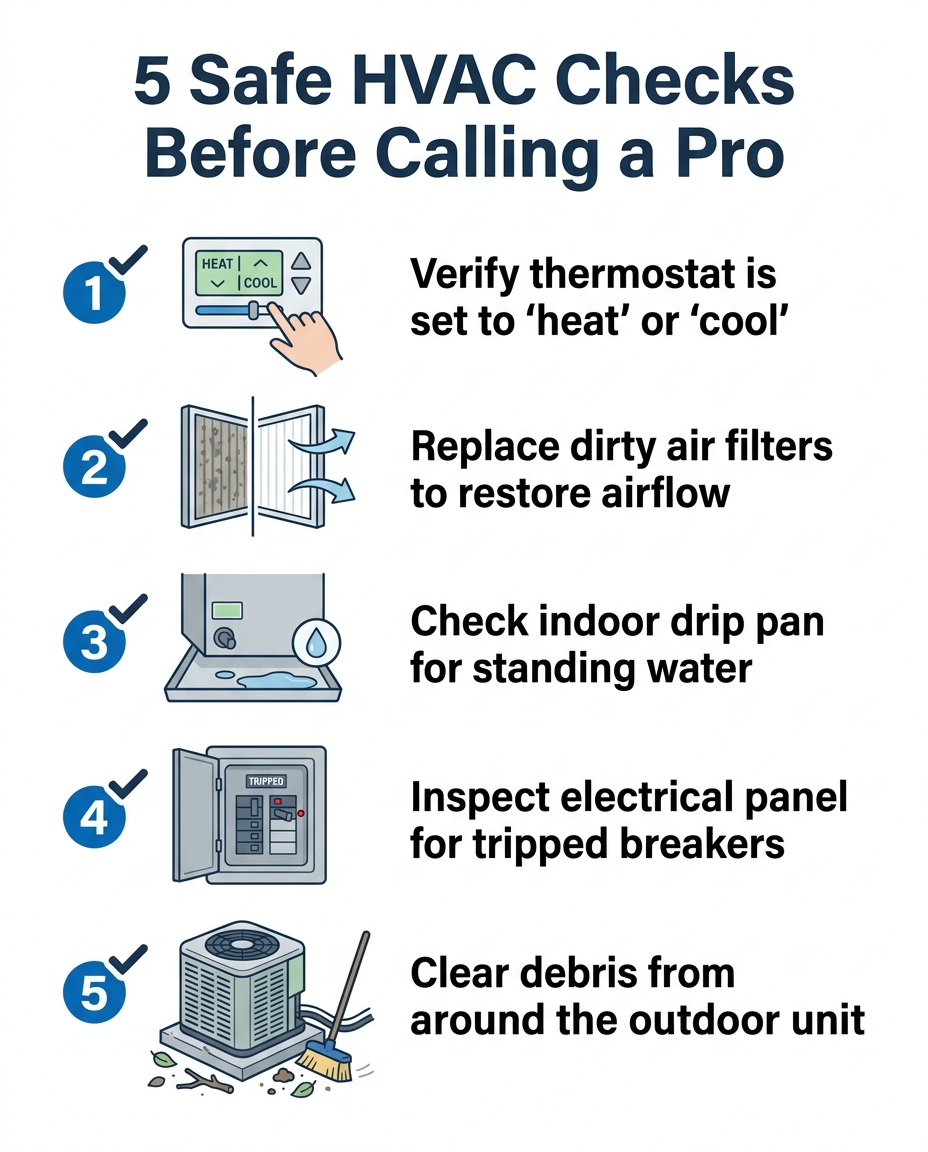
There is a clear boundary between safe homeowner troubleshooting and the need for a licensed technician. If you have completed the five basic checks above—verifying the thermostat, changing the filter, checking the drain pan, resetting the breaker once, and clearing the outdoor unit—and the system still refuses to operate correctly, you have reached the limit of safe DIY maintenance. At this point, the system has experienced a mechanical or electrical failure that requires specialized knowledge.
Critical signs that demand a professional include: unusual grinding or squealing noises from the motors, electrical burning smells coming from the vents, or a completely unresponsive system that trips the breaker repeatedly. Attempting DIY repairs on refrigerant lines or high-voltage components is incredibly dangerous. Modern cooling equipment operates under high pressure and utilizes voltages that can cause severe injury if mishandled.
When unpredictable fall weather hits during the October fall transition, having a reliable team available for immediate dispatch is crucial. For example, when a sudden AC failure occurred early on a Sunday morning, our Cypress Cooling Company dispatch team responded promptly, arriving on site within an hour. We were able to completely diagnose and fix the problem within an hour of arrival. This level of 24/7 emergency dispatch and same-day capability serves as a reliable safety net when safe troubleshooting reveals a true system failure. Knowing you have fast access to professional Metairie AC service takes the stress out of sudden equipment breakdowns.
The Value of a Comprehensive Pre-Winter Heating Inspection
Surviving a brutal Metairie summer is only half the battle; your system must now be properly prepped for safe heating. Transitioning from reactive troubleshooting to proactive fall maintenance is the best way to protect your investment. A comprehensive pre-winter heating inspection goes far beyond basic filter changes and thermostat checks.
What our professional fall inspection entails: A licensed Cypress Cooling Company technician will thoroughly test the reversing valves that switch the system from cooling to heating. We will inspect electrical contactors for pitting or burn marks, verify the integrity of the heat exchanger, and test all heating safety limits. This deep-dive evaluation ensures that every internal component is operating within safe manufacturer specifications.
Routine professional maintenance prevents unexpected breakdowns during the first major cold snap. Instead of waking up to a freezing house in December, you enter the winter season with total peace of mind. Furthermore, properly maintained systems operate much more efficiently. Clean coils, calibrated blowers, and optimized electrical draws all contribute to lowering your seasonal utility costs. Enrolling in a preventative maintenance plan ensures these crucial tune-ups happen on schedule, year after year.
Ensure Your System is Ready for the Cold Snap
Basic homeowner checks are a great first step, but professional oversight guarantees safety and reliability. As we move deeper into the October fall transition, do not wait for a complete breakdown to give your equipment the attention it deserves. Addressing lingering summer wear-and-tear now ensures you will not be left shivering when the temperature suddenly drops.
If your system is struggling, or if you simply want the peace of mind that comes with a clean bill of health, applying these home maintenance tips and troubleshooting steps will point you in the right direction. When you are ready to secure your comfort for the season, explore our professional air conditioning repair and maintenance options to keep your home perfectly balanced all winter long.
Frequently Asked Questions
What should I check before calling for AC repair?
Start by checking your thermostat settings, air filter, and circuit breaker. Ensure the thermostat is set to the correct mode, replace any clogged filters that might restrict airflow, and verify that a power surge hasn't tripped your main breaker.
Why is my AC running but not cooling?
This often happens when airflow is restricted or the outdoor unit cannot exhaust heat. A severely dirty air filter, a clogged indoor coil, or debris blocking the outdoor condenser can all cause the system to run continuously without actually lowering the temperature in your home.
How do I prepare my HVAC system for fall?
Begin by clearing away summer yard debris from the outdoor unit and installing a fresh air filter. Once those basic steps are complete, scheduling a professional fall tune-up is the best way to ensure the internal heating components are safe and ready to operate.
When should I call a professional for HVAC maintenance?
You should call a professional twice a year: once in the spring before heavy cooling begins, and once in the fall before the heating season. Additionally, call a pro immediately if you smell burning odors, hear grinding noises, or if the system repeatedly trips the circuit breaker.
Can a dirty air filter cause my system to shut down completely?
Yes, a clogged filter severely restricts airflow, which can cause the indoor evaporator coil to freeze solid. Once the coil freezes or the blower motor overheats from the strain, the system's safety limits will shut the entire unit down to prevent further damage.
Why is there water pooling around my indoor AC unit in the fall?
Pooling water usually indicates a clogged condensate drain line. After months of heavy summer humidity, algae and dirt can build up inside the drain pipe, causing water to back up into the drip pan and eventually spill over if the safety float switch fails.
OUR CLIENTS HAVE TO SAY ABOUT US



Service areas
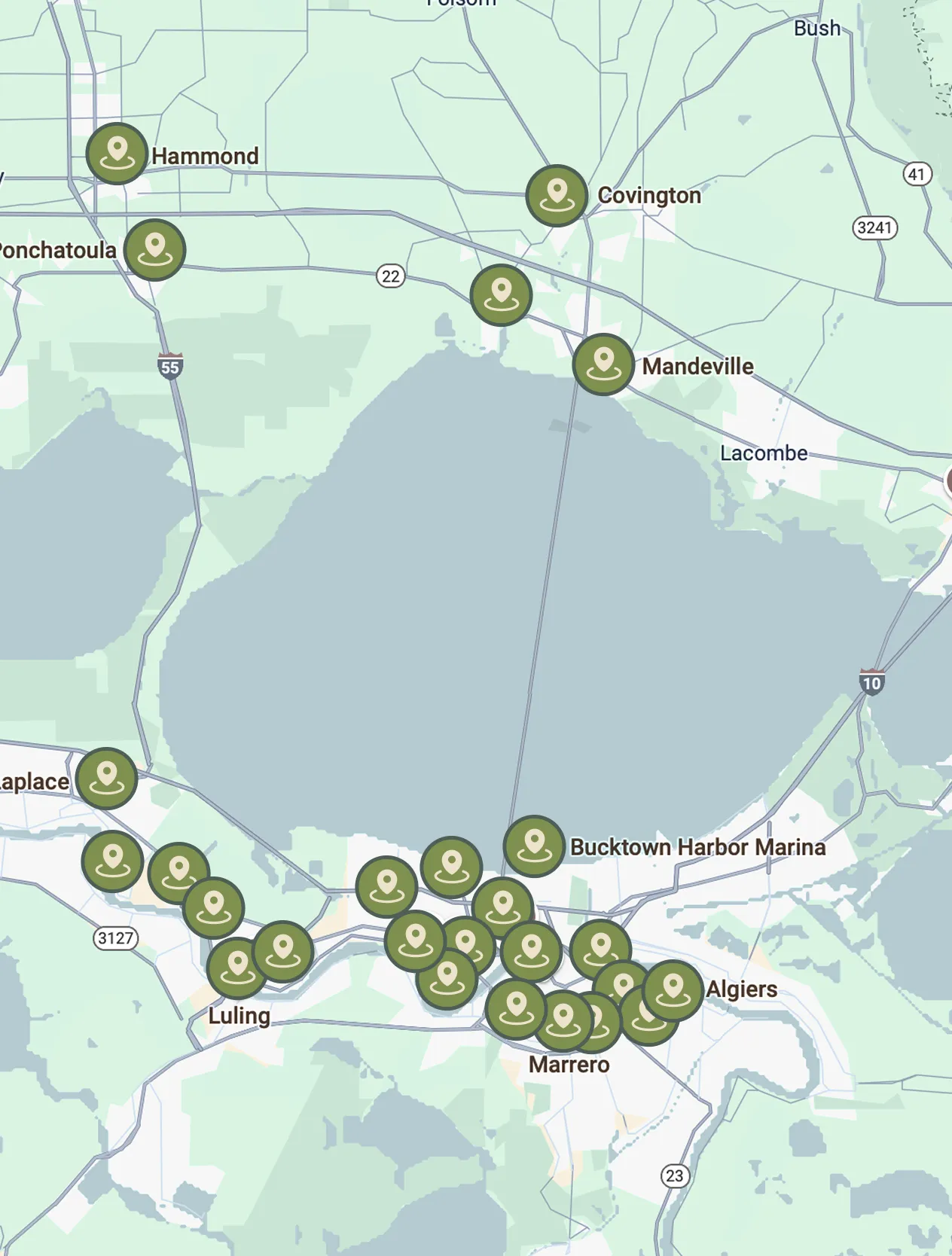
Our service areas are designed to meet the diverse needs of our clients. We focus on providing exceptional service and ensuring customer satisfaction in every location we operate.