Deciding Between a 24/7 Emergency AC Repair or Waiting for Morning in Hammond
.webp)

Waking Up to a Broken AC: Is Immediate Action Required?
Is your air conditioner actually broken, or did the breaker just trip in the middle of the night? Deciding between a 24/7 emergency AC repair or waiting for morning in Hammond can feel overwhelming when the house is quickly warming up and you are losing sleep. A midnight AC failure during high-humidity weather creates an immediate sense of panic. You check the vents, feel nothing but warm air, and look at the thermostat as the indoor temperature begins to climb. The immediate question is clear: do you pay a premium for a 24/7 emergency dispatch right now, or use temporary cooling methods to wait for standard morning routing?
If you need immediate help, explore our air conditioning services or schedule AC repair in Hammond right now.
Making this choice requires a clear, objective framework rather than a reaction based on frustration. Homeowners often rush to call an after-hours line for a problem that could safely wait a few hours, incurring unnecessary premium fees. Conversely, some wait too long when there is a genuine electrical hazard or a severe health risk to a vulnerable family member. By understanding the specific thresholds for temperature, health, and equipment safety, you can make the most cost-effective and secure choice for your household.
The Go/No-Go Checklist for Emergency AC Service
To determine if your situation warrants an immediate after-hours call, you need a definitive framework. Not every uncomfortable night is a true emergency, but certain conditions absolutely require immediate professional intervention. The most critical factor is the health and safety of the people inside the home. According to guidelines from the Centers for Disease Control and Prevention (CDC), sustained indoor temperatures above 90°F significantly increase the risk of heat-related illness. However, that threshold changes based on who lives in the house.
Vulnerable household members are a primary trigger for emergency service. Infants, the elderly, and individuals with compromised immune systems or respiratory conditions cannot regulate their body temperature as effectively as healthy adults. If you have vulnerable individuals in the home, the threshold for an emergency drops significantly. A house sitting at 85°F might be manageable for a healthy adult with a ceiling fan, but it can quickly become dangerous for a newborn.
During typical Louisiana summer nights, the outside air offers no relief, meaning you cannot simply open a window to cool the house down. You must evaluate the situation based on hard data rather than just discomfort. Here is a clear breakdown to help you make the decision:
• Indoor Temperature — Safe to Wait for Morning: Under 85°F and holding relatively steady. — Requires Emergency Call: Approaching or exceeding 90°F rapidly.
• Household Members — Safe to Wait for Morning: Healthy adults and older children. — Requires Emergency Call: Infants, elderly, or medically vulnerable individuals.
• System Symptoms — Safe to Wait for Morning: Blowing warm air, unit won't turn on, minor noises. — Requires Emergency Call: Burning smells, sparking, severe water leaks.
• Time of Failure — Safe to Wait for Morning: 4:00 AM (Morning routing is only a few hours away). — Requires Emergency Call: 11:00 PM (A long, hot night lies ahead).

Recognizing Immediate HVAC Hazards That Can't Wait
While indoor temperature is a major factor, the physical condition of your HVAC equipment can force an immediate emergency call regardless of how cool the house feels. Certain signs of system failure pose an immediate danger to the home and require you to shut the system off entirely. If you encounter any of these hazards, the decision is made for you: the system must be powered down at the breaker, and professional help is required.
Electrical Warning Signs
Your air conditioning system uses a massive amount of high-voltage electricity. If you notice a distinct burning plastic smell, the scent of ozone, or visible sparking near the indoor air handler or the outdoor condenser, you have an electrical emergency. A typical pattern we see is a failing capacitor or a melting wire harness that begins to smolder. Furthermore, if your air conditioner keeps tripping the circuit breaker immediately after you reset it, the system is drawing too much amperage. This is a built-in safety mechanism preventing an electrical fire. Do not keep resetting the breaker. Leave it off and call for emergency repair in Hammond.
Severe Water Leaks
Air conditioners remove gallons of moisture from the air every day. Normally, this water drains safely outside. However, if the primary condensate drain line clogs and the backup safety switches fail, that water has nowhere to go but into your home. A severe water leak from an attic-mounted unit can saturate insulation, destroy drywall, and collapse a ceiling within a matter of hours. If you see water actively dripping through your ceiling or pooling rapidly around an indoor closet unit, shut the system off immediately. The cost of an emergency dispatch fee is minor compared to the cost of replacing flooded hardwood floors and collapsed drywall.
How Indoor Humidity Impacts the Wait-or-Call Decision
Temperature is only half of the equation when determining if a broken AC is an emergency. The other half is humidity, and it plays a massive role in heat exhaustion and indoor comfort. High dew points prevent homes from naturally cooling down overnight. In dry climates, a homeowner might open their windows at night when the AC breaks, letting in the cool desert air. That strategy does not work when the outside air is completely saturated with moisture.
During July, South Louisiana's extreme overnight humidity means the climate actually accelerates the need for cooling solutions compared to dry climates. The outside temperature might drop to 75°F at 3 AM, but with 90% humidity, that air feels heavy, sticky, and suffocating. High humidity drastically increases the indoor heat index. When the air inside your home is highly humid, your body's primary cooling mechanism—sweating—stops working effectively because the sweat cannot evaporate. This makes an 82-degree house feel significantly hotter and much more dangerous.
To assess how humidity is impacting your specific situation, follow these steps:
1. Check the thermostat temperature reading: Note the actual temperature, not just the set point. Is it climbing rapidly or holding steady?
2. Assess the indoor humidity level: If you have a smart thermostat, check the relative humidity percentage. Anything above 60% will start to feel uncomfortable; anything above 70% will feel oppressive.
3. Monitor physical comfort: Are you and your family members sweating heavily while sitting still? Do you feel lethargic or nauseous? These are early signs that the heat index is too high.
4. Evaluate natural ventilation options: Check the outdoor weather app for the current dew point. If the dew point is above 65, opening windows during Louisiana summer nights will only bring more moisture into the house, making the situation worse.
Understanding Emergency Dispatch Fees vs. Standard Morning Routing
One of the biggest hesitations homeowners have when calling for service at 2 AM is the fear of the unknown cost. Building trust requires transparently explaining the logistical differences between after-hours dispatch and standard routing. An emergency dispatch entails waking up an on-call technician, having them drive to the shop to gather necessary parts, and routing them directly to your home in the middle of the night. Because this requires overtime pay and disrupts normal operations, it carries a premium dispatch fee. This fee covers the immediate, drop-everything response required to secure your home.
Transparent pricing on 24/7 emergency dispatch fees versus standard morning routing is a core part of reliable local availability. You should always know what the initial dispatch fee will be before a technician arrives. If you decide that your home is safe and the temperature is manageable, waiting for standard morning routing is a highly cost-effective alternative. Standard routing means your call is placed into the regular daytime schedule, and you pay the normal, non-premium service fee.
If you call the after-hours line and explain your situation, a dispatcher can often help you decide. If it is 4:00 AM and your house is at 78°F, they might advise you to wait until the 8:00 AM shift begins to save you money. Empowering yourself to make an informed financial decision based on transparent operational practices gives you control over the situation. If you want to understand potential repair costs better, you can estimate your repair costs using standard industry baselines.
Safe Troubleshooting Steps to Try Before Calling a Tech
Before you incur any dispatch fee—whether emergency or standard—there are several safe, non-technical checks you should perform. Sometimes, a system stops cooling due to a minor issue that you can resolve yourself in five minutes. However, it is vital to explicitly warn against opening the HVAC unit or attempting any repairs that require a licensed professional. Touching high-voltage components or handling refrigerant without certification is highly dangerous and illegal.
Stick to this safe troubleshooting checklist to ensure the issue isn't a simple fix:
• Verify thermostat settings: Ensure the system is actually set to "cool" and that the fan is set to "auto." If the thermostat screen is blank, change the batteries. A dead thermostat battery is one of the most common causes of a midnight "breakdown."
• Check the electrical panel: Locate your home's main electrical panel and look for a tripped breaker labeled "AC" or "HVAC." If it is tripped, flip it fully off, then firmly back on. Important rule: Only reset a breaker once. If it trips again immediately, leave it off and call a professional.
• Inspect the air filter: A completely clogged air filter restricts airflow so severely that the indoor coil can freeze solid, stopping all cold air production. If the filter looks like a thick gray blanket, replace it immediately.
• Check the outdoor unit: Look at the outdoor condenser. Is it completely covered in leaves, debris, or overgrown bushes? Clear a two-foot perimeter around the unit to ensure it can pull in air.
• Look for ice: Check the copper lines running to your outdoor unit. If you see ice building up on typical Louisiana summer nights, turn the system off immediately to let it thaw. You can read more about how to check if your AC refrigerant is low, which is a common cause of freezing.
Bridging the Gap: Temporary Cooling and Long-Term Prevention
If you have run through the checklist, determined there are no immediate hazards, and decided your family is healthy enough to wait for standard morning routing, your next goal is bridging the gap safely. You need actionable strategies for waiting out the night without being miserable. Start by utilizing ceiling fans in the bedrooms you are occupying. Remember that fans cool people, not rooms, by creating a wind-chill effect on your skin. Turn them off in empty rooms to save energy.
Temporary cooling strategies: Close the doors to unused rooms, bathrooms, and closets to reduce the square footage your remaining cool air has to cover. Keep all blinds and curtains tightly closed to trap whatever cool air remains in the house. Most importantly, stay hydrated. Drinking ice water helps lower your core body temperature even when the ambient air is warm.
Once morning comes and your system is repaired by a Hammond technician, it is time to transition the discussion from reactive emergency response to proactive system care. Midnight breakdowns rarely happen out of nowhere; they are usually the final result of a component that has been struggling for weeks. Routine seasonal maintenance drastically reduces the risk of unexpected after-hours failures during peak cooling months. A technician checking the system in the spring will catch a weak capacitor, a failing contactor, or a clogged drain line long before it causes a crisis in July. Enrolling in a preventative maintenance plan ensures these checks happen automatically, giving you reliable comfort all summer long.
Frequently Asked Questions About After-Hours AC Failures
What is considered an AC emergency?
An AC emergency is defined by health risks and property hazards rather than just discomfort. Indoor temperatures exceeding 90°F with high humidity create a dangerous environment, especially if vulnerable individuals like infants or the elderly are present. Additionally, electrical burning smells, sparking from the unit, or severe water leaks threatening your ceiling or floors require immediate emergency intervention.
How hot is too hot in a house without AC?
According to CDC guidelines, sustained indoor temperatures above 90°F significantly increase the risk of heat-related illness. When this temperature is combined with high indoor humidity, the body cannot cool itself properly. If your home approaches this threshold, it is generally considered unsafe to wait, and you should seek emergency cooling or relocate until repairs are made.
Can a broken AC wait until morning?
Yes, a broken AC can often wait until morning if the indoor temperature remains manageable and steady. As long as there are no immediate electrical hazards, no severe water leaks, and all household members are healthy adults or older children, waiting for standard morning routing is a safe and cost-effective choice. Utilizing fans and staying hydrated can help bridge the gap during Louisiana summer nights.
Is a leaking AC an emergency?
It depends entirely on the severity and location of the leak. A minor drip outside near the condenser can wait until morning for a standard inspection. However, a severe leak from an attic unit that is threatening to collapse drywall, ruin flooring, or short out electrical components requires immediate attention to prevent thousands of dollars in property damage.
How does humidity affect the indoor temperature during an outage?
High humidity reduces the body's ability to cool itself through sweat, making the indoor heat index feel much hotter and more dangerous than the actual temperature reading on the thermostat. Because humid air holds heat longer, a house with high humidity will not cool down naturally overnight, accelerating the need for professional AC repair.
Make the Right Call for Your Comfort and Safety
Deciding whether to call for a 24/7 emergency dispatch or wait for standard morning routing ultimately comes down to household health, indoor temperature thresholds, and physical safety hazards. If you smell burning plastic, see severe water damage, or have vulnerable family members in a rapidly heating house, paying the premium for immediate dispatch is the right choice. If the house is just a bit warm and everyone is healthy, waiting for morning routing is a smart, cost-saving decision.
Whether you need immediate dispatch at 2 AM or prefer to be the first stop on the standard morning route, local experts are ready to restore your comfort safely and efficiently. Do not let a broken AC compromise your family's well-being. Assess your situation using this framework, and reach out to schedule an inspection or request emergency service in Hammond today.
OUR CLIENTS HAVE TO SAY ABOUT US



Service areas
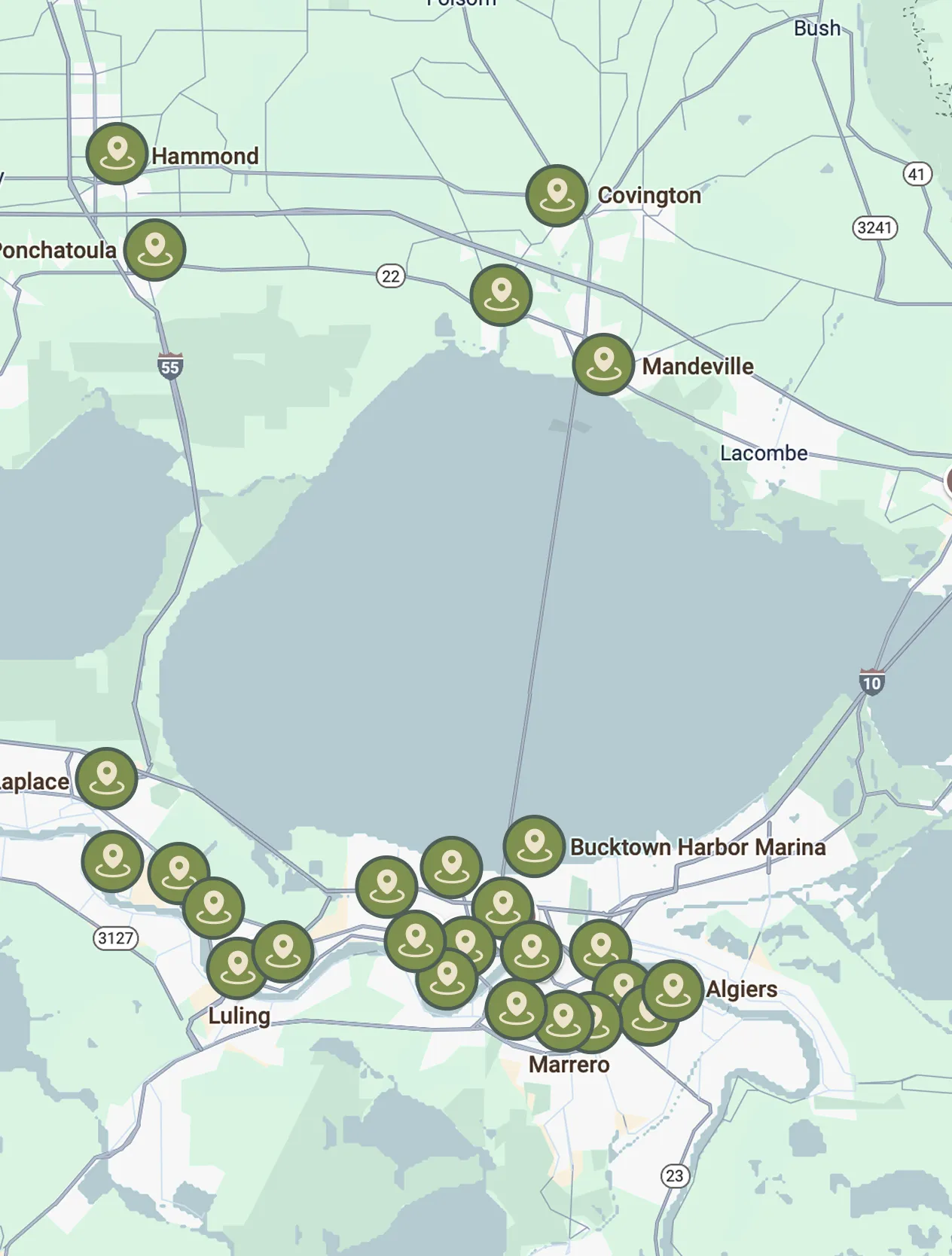
Our service areas are designed to meet the diverse needs of our clients. We focus on providing exceptional service and ensuring customer satisfaction in every location we operate.