How to Optimize Thermostat Settings to Save Money This Louisiana Summer
.webp)
Why the Best Thermostat Settings to Save Money During a South Louisiana Summer Are Different From Everywhere Else
The best thermostat settings to save money during a South Louisiana summer are not the same as what works in Dallas or Atlanta — and if you've been following generic advice, your energy bill is probably proof of that.
Here's a quick answer if you need it now:
• Home and awake — Recommended Setting: 78°F
• Sleeping — Recommended Setting: 74-76°F
• Away from home — Recommended Setting: 82-85°F (no higher than 85°F)
• Fan mode — Recommended Setting: AUTO (not ON)
South Louisiana summers are brutal. Average temperatures top 90°F, humidity regularly hits 89-92%, and your AC isn't just fighting heat — it's fighting moisture. That combination means your system has to work harder, run longer, and handle a cooling load that most national guides never account for.
The good news? A few smart adjustments to how you set and manage your thermostat can make a real difference on your monthly utility bill without making your home feel like a sauna.

Finding the Best Thermostat Settings to Save Money During a South Louisiana Summer
Finding that perfect balance between personal comfort and financial sanity is the ultimate summer goal for homeowners from Metairie to Mandeville. In our region, heating and cooling make up about 52% of the average home’s annual energy consumption. When June, July, and August roll around, that percentage climbs even higher.
The U.S. Department of Energy (DOE) famously recommends setting your thermostat to 78°F when you are at home and awake during the summer. While 78°F might sound like an absolute sweatbox to someone used to keeping their home at a brisk 70°F, it is widely considered the optimal baseline for energy savings.
Every single degree you raise your thermostat above 72°F can save you up to 3% on your monthly cooling costs. If you are currently holding your home at 72°F and you gradually adjust your baseline up to 75°F, you could see a quick 9% reduction in your cooling energy usage. Taking it all the way to 78°F can save you up to 18% compared to keeping it on ice. To learn more about how these baseline recommendations are calculated for our unique climate, check out this guide on What should I set my AC thermostat to during summer in Louisiana? .
The secret to surviving 78°F is gradual acclimation. If you try to jump from 71°F to 78°F overnight, your family might stage a mutiny. Instead, try raising the temperature by just one degree every two or three days. This allows your body’s natural thermostat to adjust to the change, making a higher indoor temperature feel surprisingly comfortable.
Daytime and Nighttime Targets for South Louisiana Homes
When the sun goes down in South Louisiana, the outdoor temperature drops, but the humidity often spikes to near-saturation levels. This is why daytime and nighttime thermostat strategies must differ.
For sleeping, most people find 78°F too warm because our bodies naturally need to cool down to initiate deep sleep. A recommended compromise for South Louisiana nights is to set the thermostat between 74°F and 76°F. Because the outdoor temperature is lower at night, your air conditioner won't have to work nearly as hard to maintain a 75°F setting as it does to maintain 78°F during the heat of the afternoon.
Of course, finding a setting that everyone in the house agrees on can be its own battle. The "thermostat wars" are a legendary part of local culture, with some family members wanting a crisp mountain climate and others watching the utility meter spin. For a lighthearted look at this classic struggle, read about The Louisiana Thermostat War: Where Do You Set Yours? .
Away-from-Home Setpoints to Prevent Energy Waste
One of the biggest opportunities to save money on your utility bills is adjusting your thermostat when the house is empty. Leaving your air conditioner running at 74°F or even 78°F when everyone is at work or school is like leaving all the lights on in an empty house.
When you are away from home for four or more hours, the ideal strategy is to raise your thermostat by 7 to 10°F. For most South Louisiana homes, this means setting the thermostat to 82°F or 85°F. Doing this for eight hours a day can cut your annual cooling costs by up to 10%.
For a deeper dive into how adjusting your system during unoccupied hours benefits different types of HVAC setups, see the Recommended Thermostat Settings For Summer and Winter - Carrier resource.
To make this effortless, a smart or programmable thermostat is a game-changer. Instead of having to remember to adjust the temperature before you head out the door to beat the morning traffic in Baton Rouge or New Orleans, you can program a schedule that does it for you. Many smart thermostats even use geofencing to detect when your phone leaves the neighborhood, automatically shifting your system into an energy-saving "away" mode.
Managing High Humidity and Latent Load in South Louisiana
In South Louisiana, temperature is only half the battle. The real culprit behind summer discomfort is humidity. Air conditioners have two main jobs: lowering the air temperature (sensible cooling) and removing moisture from the air (latent cooling).
When relative humidity inside your home exceeds 55%, sweat cannot evaporate efficiently from your skin. This makes a 74°F room feel sticky, stuffy, and warmer than it actually is. Conversely, if your indoor humidity is kept around 45% to 50%, a 78°F room will feel incredibly comfortable. To understand how your system struggles to keep up with this heavy moisture load, read our guide on AC Running Constantly in Gulf Coast Heat and Humidity.
Why Overcooling is the Wrong Way to Fight Humidity
A common mistake homeowners in places like Kenner, Laplace, and River Ridge make is turning the thermostat down to 70°F or lower to get rid of that "sticky" feeling. While this does force the AC to run longer and pull out more moisture, it is an incredibly expensive and inefficient way to dehumidify your home.
Overcooling your home to fight humidity can also lead to short cycling. This occurs when an oversized or struggling system cools the air temperature down so rapidly that it shuts off before it has a chance to complete a full dehumidification cycle. The result is a cold but damp house — the perfect breeding ground for mold and mildew.
To prevent this, ensure your thermostat is placed correctly on an interior wall, away from direct sunlight, drafts, or register vents that can trick the sensors into shutting the system down prematurely. You can find more tips on avoiding these common control mistakes in this article on Best Thermostat Settings for Summer Comfort & Savings .
The Role of Fan Settings in Moisture Control
Your thermostat has a setting for the indoor blower fan, typically labeled ON and AUTO.
• ON Mode: The fan runs continuously, even when the outdoor compressor shuts off.
• AUTO Mode: The fan only runs while the system is actively cooling the air.
In South Louisiana, you should almost always keep your fan set to AUTO.
When your air conditioner runs a cooling cycle, moisture condenses on the cold indoor evaporator coil and drips down into the condensate pan to drain away. If your fan is set to ON, the blower will continue to push warm air across that wet coil after the cooling cycle ends. This re-evaporates the moisture right back into your home's air, rapidly spiking the indoor humidity. Keeping the fan on AUTO ensures that the moisture stays on the coil and drains out of your home.
Practical Habits to Support Your Thermostat Settings
You don't have to rely solely on your air conditioner to stay comfortable this summer. By adopting a few simple daily habits, you can keep your home naturally cooler, reducing the workload on your HVAC system and making those higher thermostat settings feel great.
How Ceiling Fans Help with the Best Thermostat Settings to Save Money During a South Louisiana Summer
Ceiling fans are your best friend during a Gulf Coast summer. While fans do not actually lower the temperature of the room, they create a "wind chill" effect on your skin. The air movement accelerates the evaporation of sweat, making you feel up to 4 degrees cooler than the actual thermostat setting.
With a ceiling fan running, a 78°F room can feel like a comfortable 74°F. However, keep these two rules in mind:
1. Check the direction: Ensure your fan blades are rotating counterclockwise in the summer to push a cool breeze straight down.
2. Turn them off when you leave: Fans cool people, not rooms. Running a ceiling fan in an empty room is just wasting electricity.
Reducing Heat Gain with Strategic Home Habits
About 30% of an average home's unwanted heat enters through the windows. You can dramatically reduce this heat gain by closing your blinds, shades, or drapes — especially on south- and west-facing windows during the peak afternoon sun. Completely closed blinds can reduce heat gain by up to 45%.
Here are a few other easy habits to implement:
• Postpone heat-generating appliances: Avoid using your oven, stove, dishwasher, or clothes dryer during the hottest parts of the day (usually between 2 PM and 8 PM). These appliances can easily raise your indoor temperature by several degrees. Opt for outdoor grilling or use the microwave instead.
• Seal air leaks: Use caulk and weatherstripping to seal drafts around doors and windows. This keeps your expensive, conditioned air inside and blocks the hot, humid outdoor air from seeping into your home.
• Upgrade your window treatments: Consider installing solar screens or reflective window films, which can block up to 70% of solar heat before it ever enters your living space.
Maintaining HVAC Efficiency for Maximum Savings
No thermostat setting will save you money if your air conditioning system is struggling against dirty components or restricted airflow. To keep your utility bills low, you must keep your system running at peak efficiency.
Before the summer heat peaks in places like Covington, Slidell, and Hammond, it's wise to review our Seasonal HVAC Preparation Checklist for South Louisiana to make sure your system is ready for the long road ahead.
The Importance of Regular Air Filter Changes
The single most important maintenance task you can perform as a homeowner is changing your air filter. Your AC system needs a steady, unrestricted flow of air to function correctly. When a filter becomes clogged with dust, pet dander, and pollen, the blower motor has to work twice as hard to pull air through, which spikes your energy consumption.
In South Louisiana’s humid climate, filters can get dirty quickly. We recommend checking your air filter every 30 days during the summer. If you have pets, allergies, or a busy household, you should expect to replace it monthly. A clean air filter can improve your system’s efficiency by 5% to 15%, translating directly to savings on your monthly bill.
Scheduling Professional Maintenance for the Best Thermostat Settings to Save Money During a South Louisiana Summer
While changing your filter is an easy DIY task, your system also requires professional attention to maintain maximum efficiency. Over time, your outdoor condenser coils collect dirt, grass clippings, and debris, which insulates the coil and prevents it from releasing heat.
A professional tune-up ensures that your coils are clean, your refrigerant levels are correct, and your electrical connections are secure. A well-maintained system can run up to 15% more efficiently than a neglected one, preventing unexpected breakdowns on a 100°F July afternoon.
If you want to know exactly what our technicians look for during a visit, check out What is Included in a Professional AC Tune-Up in South Louisiana. If you live on the Northshore, you can easily schedule your AC Tune-Up in Slidell, LA to keep your utility costs under control. We also provide top-tier service across the lake, so don't hesitate to book an AC Service in Metairie, LA if your system needs a professional eye.
Frequently Asked Questions About Louisiana Summer Thermostat Settings
Does turning the thermostat off when away save more money?
Generally, no. While it might seem logical that turning your system completely off would save the most energy, it often backfires in South Louisiana.
When you turn your AC off for eight hours during a 95°F day, the temperature inside your home can easily climb into the upper 80s or low 90s, and the humidity will skyrocket. Your walls, furniture, flooring, and bedding will absorb all that heat and moisture, acting like a giant thermal battery.
When you turn the system back on, it has to run continuously for hours at maximum capacity to remove that massive "latent load" of moisture and cool down the physical structure of your home. This long, stressful recovery run can erase any savings you gained while the system was off. Instead, it is much better to raise the thermostat to 82°F or 85°F, allowing the system to cycle occasionally to keep humidity under control. To see how these principles apply to year-round home comfort, take a look at the advice in Best Thermostat Settings for Winter: Save Energy All Year Long .
How much can I save by raising my thermostat by just a few degrees?
You can save a surprising amount! Industry standards show that you save roughly 3% on your cooling costs for every single degree you raise your thermostat above 72°F.
For example, if your average summer electric bill is $200 and you currently keep your thermostat at 72°F, raising it to 75°F (a 3-degree increase) could save you up to 9%, or about $18 a month. If you raise it to the recommended 78°F (a 6-degree increase), you could save up to 18%, putting an extra $36 back in your pocket every month. Over the course of a long Louisiana summer, those savings add up fast. If your old system is simply too inefficient to achieve these savings, you might want to read about How Energy Savings from a New AC Offset Replacement in Louisiana.
What are the risks of setting my thermostat too high in Louisiana?
While setting your thermostat high saves money, you should never set it above 85°F when you are away.
In our humid subtropical climate, setting the thermostat too high allows indoor relative humidity to climb above 65%. This creates an ideal environment for mold and dust mites to thrive, which can ruin drywall, upholstery, and trigger severe allergy or asthma attacks. Additionally, extremely high indoor temperatures can be dangerous for indoor pets, sensitive electronics, and can cause food in your pantry to spoil much faster.
Conclusion
Optimizing your thermostat settings is one of the easiest and most effective ways to lower your energy bills this summer. By keeping your home at 78°F when you are awake, lowering it slightly at night, and using a smart setback temperature of 82°F to 85°F when you are away, you can keep your hard-earned money in your wallet instead of sending it to the utility company. Pairing these settings with strategic habits like using ceiling fans, managing window treatments, and keeping your air filters clean will ensure a comfortable, budget-friendly summer.
At Cypress Cooling Company, we serve homeowners throughout South Louisiana, including New Orleans, Metairie, Kenner, Harahan, Slidell, Covington, and Mandeville. Our philosophy is simple: we diagnose, educate, and guide you toward the best choices for your home without high-pressure sales tactics.
Whether you need to schedule routine AC Maintenance in New Orleans, LA or want to discuss upgrading to a highly efficient smart thermostat, we are here to help. Contact us today through our Air Conditioning Services page to keep your home running efficiently all summer long!
OUR CLIENTS HAVE TO SAY ABOUT US


Service areas
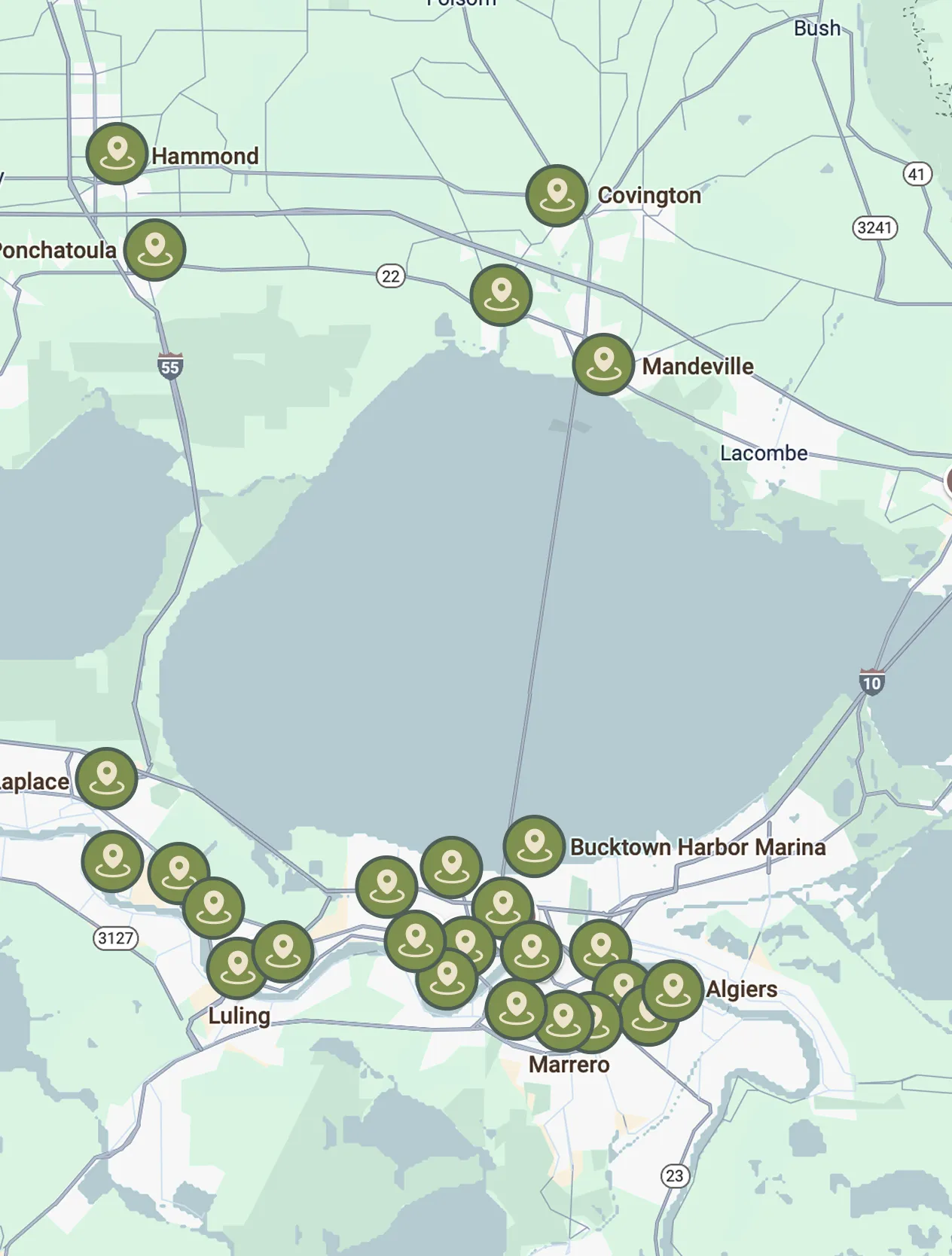
Our service areas are designed to meet the diverse needs of our clients. We focus on providing exceptional service and ensuring customer satisfaction in every location we operate.