AC Service in Jefferson, LA
.webp)
For homeowners in Jefferson, LA, maintaining a comfortable home environment is crucial, especially during the extended hot seasons. That's why Cypress Cooling offers comprehensive AC services, from diagnostics and repairs to new installations and preventive maintenance, all tailored to our unique local climate. We understand how important seasonal tuneups, accurate load calculations, and proper refrigerant management are to your system's efficiency and longevity. Let Cypress Cooling help you protect your comfort, health, and home value with our timely and regionally informed AC services.
-min.webp)
Air Conditioning Service in Jefferson, LA
When Jefferson summers push temperatures and humidity to the limit, a dependable air conditioning system is essential for comfort, health, and protecting your home. This page explains comprehensive air conditioning service in Jefferson, LA — from diagnostics and repairs to installations, maintenance plans, emergency response, and financing — so you can make an informed decision about the right solution for your home.
Why local AC service matters in Jefferson, LA
Jefferson’s subtropical climate means long cooling seasons, high humidity, frequent thunderstorms, and occasional storm surge or salt air exposure. Those local conditions increase system runtime, accelerate corrosion, make mold and indoor air quality concerns more likely, and often lead to earlier component wear. Local technicians understand these regional stresses and tailor diagnostics, equipment selection, and maintenance recommendations to Jefferson homes.
Common air conditioning issues in Jefferson, LA
- Insufficient cooling: Often caused by low refrigerant, dirty coils, blocked airflow, or undersized equipment for the home and high humidity loads.
- Frequent cycling or short cycling: Can be caused by thermostat issues, oversized units, or failing compressors.
- Refrigerant leaks: A persistent problem, especially in older systems that use phased-out refrigerants.
- Noisy operation: Loose components, failing motors, or failing bearings create disruptive sounds.
- Frozen evaporator coils: Typically from poor airflow or refrigerant issues; in high-humidity climates this can happen quickly.
- Condensate drain problems and mold: Humid climates lead to clogged drains and biological growth that affect indoor air.
- Corrosion and storm damage: Salt air and storm debris accelerate coil and electrical corrosion common near coastal Louisiana.
- Ductwork and airflow problems: Leaky or improperly insulated ducts reduce efficiency and comfort.
Comprehensive service types
- Diagnostics and tune-ups: Full-system evaluation including refrigerant pressures, electrical integrity, airflow, and safety controls.
- Repairs: From capacitors and contactors to compressors and leak repairs.
- Installations and replacements: Equipment selection, load calculations, duct modifications, and professional installation.
- Preventive maintenance plans: Scheduled inspections and seasonal tune-ups to reduce breakdown risk.
- Emergency repairs: Rapid response for system failures during extreme heat.
- Indoor air quality solutions: UV lights, upgraded filtration, dehumidification, and duct cleaning.
- Thermostat upgrades and zoning: Smart thermostats and zoning add comfort and efficiency for larger homes or multi-zone needs.
Diagnostic process — what to expect
A thorough diagnostic follows a logical sequence:
- Initial history and symptom review — technician documents what you’re experiencing and prior repairs.
- Visual inspection — outdoor unit condition, coil corrosion, and visible ductwork issues.
- Performance testing — measure temperatures, airflow, refrigerant pressures, and electrical loads.
- Leak detection and moisture checks — identify refrigerant or condensate issues and mold risk.
- Report and estimate — clear explanation of findings with repair versus replacement options, estimated completion time, and potential energy impacts.
Diagnostics usually take one to two hours for typical residential systems and longer if ductwork or complex zoning are involved.
Repairs and when replacement makes sense
Common repairs include refrigerant leak sealing and recharge, capacitor and contactor replacement, blower motor or fan repair, condensate line clearing, and coil cleaning. Replacement is often the best choice when:
- The unit is older than 10 to 15 years and facing major component failure.
- Repairs would approach or exceed a substantial percentage of replacement cost.
- The system uses discontinued refrigerant (like R-22) making future service costly.
- Energy bills remain high despite repairs, indicating systemic inefficiency.
In Jefferson, replacing older systems with higher SEER-rated equipment is often justified due to extended cooling seasons and frequent usage.
Installation and replacement approach
Professional replacements begin with a proper load calculation (Manual J) to match equipment size to your home, not just replace like-for-like. Installation best practices include:
- Right-sizing the system for cooling and humidity control.
- Proper refrigerant charging and airflow balancing.
- Duct evaluation and sealing or resizing if needed.
- Thermostat and control integration, including smart options for efficiency.
- Post-installation testing and homeowner orientation so you understand operation and maintenance needs.
Correct installation has a major effect on long-term performance and warranty validity.
Maintenance plans and seasonal tune-ups
Regular maintenance preserves efficiency and lowers emergency repair risk. Typical tune-up tasks:
- Replace or clean filters.
- Clean and inspect coils and fins.
- Check refrigerant levels and electrical connections.
- Verify thermostat calibration and safety controls.
- Clear condensate drains and inspect ducts for leaks.
For Jefferson homes, a spring tune-up before peak heat is essential; a second check in fall helps prepare for the offseason. Maintenance plans often include priority scheduling, seasonal reminders, and discounted diagnostic fees.
Emergency service and response expectations
During heat waves or after storms, emergency AC failures are common. Typical industry response options include prioritized dispatch with same-day or next-business-day arrival during peak season, and after-hours emergency coverage for critical failures. Emergency service focuses first on restoring cooling safely, then scheduling a permanent repair or replacement if needed.
Financing and repair guarantees
Many homeowners prefer financing to spread the cost of larger repairs or replacements. Typical options include flexible payment terms, credit-based plans, and tailored monthly payment structures. Repairs and installations are commonly backed by manufacturer warranties for equipment and parts, plus workmanship guarantees for labor. Make sure you receive written details on parts and labor warranty periods and what they cover.
How to prepare for a quote or service visit
When requesting a quote, having the following information speeds diagnosis and provides accurate estimates:
- Unit make, model, and approximate age.
- Description of symptoms and when they occur.
- Recent maintenance history or prior repairs.
- Home size and number of zones or thermostats.
- Access notes, like gate codes or preferred appointment windows.
On-site assessments produce the most reliable quotes and will include options for repairs, replacements, efficiency upgrades, and projected energy savings.
Why timely air conditioning service matters in Jefferson
Prompt, local air conditioning service protects your family’s comfort and health, reduces energy bills, prevents costly emergency replacements, and keeps your home ready for summer storms. For Jefferson homeowners, addressing humidity-related issues, corrosion risk, and heavy seasonal loads with professional, regionally informed service extends system life and improves comfort when it matters most.
OUR CLIENTS HAVE TO SAY ABOUT US


Service areas
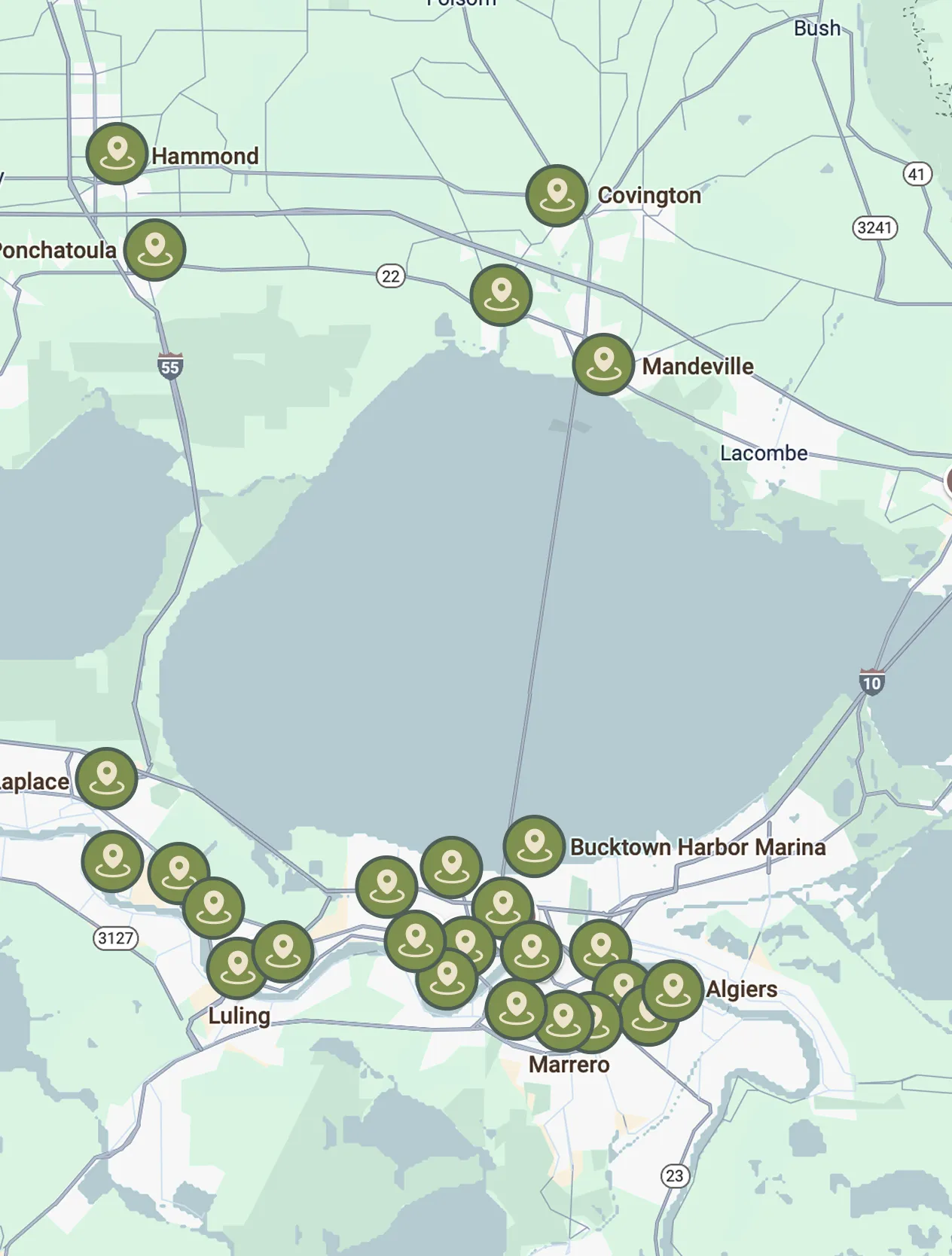
Our service areas are designed to meet the diverse needs of our clients. We focus on providing exceptional service and ensuring customer satisfaction in every location we operate.