AC Repair in Jefferson, LA
.webp)
Experiencing AC trouble in Jefferson, LA? Cypress Cooling tackles common issues like weak airflow, faulty thermostats, short cycling, leaks, and strange noises. Our technicians use a systematic approach to pinpoint the root cause, replace any failing parts, and restore your AC's performance. We always provide clear cost estimates upfront. We offer emergency services, warranty support, and detailed documentation of all repairs. Plus, Cypress Cooling provides homeowners with essential maintenance tips, such as regular filter changes, seasonal tune ups, and keeping your unit clean, to prevent future breakdowns and ensure reliable cooling for years to come.
-min.webp)
Air Conditioning Repair in Jefferson, LA
When your air conditioner fails in Jefferson, LA, the consequences go beyond discomfort. High summer temperatures, persistent humidity, and coastal salt air can turn a minor fault into a major problem quickly. Our Air Conditioning Repair in Jefferson, LA content explains common symptoms, how professional diagnostics work, typical repairs and parts replacement, response expectations, emergency service availability, warranty protections, and practical maintenance tips so you can make a confident decision about getting service.
Common air conditioning problems in Jefferson, LA
Homeowners in Jefferson frequently see the following symptoms. Recognizing them early helps prevent larger failures.
- No cooling or weak cooling: Unit runs but delivers warm or lukewarm air. In Jefferson’s humid climate this becomes noticeable fast and increases indoor discomfort.
- Strange noises: Grinding, rattling, or high-pitched squeals often signal motor, blower, or compressor issues worsened by age or corrosion from salt air.
- Thermostat issues: System won’t start, cycles erratically, or temperatures don’t match settings. Faulty sensors, wiring, or improper thermostat configuration are common causes.
- Short cycling: System turns on and off frequently. Causes include refrigerant imbalances, compressor problems, or airflow restrictions.
- Leaking or excessive condensation: Clogged condensate drains, frozen evaporator coils, or split drain lines. In humid South Louisiana, condensate problems show up quickly.
- Reduced airflow: Weak vents caused by a failing blower motor, clogged filters, or duct leaks — older Jefferson homes may have deteriorated ductwork.
- Electrical failures and tripped breakers: Storm-related power fluctuations and aging electrical components can lead to repeated breaker trips or failed capacitors.
- Unpleasant odors: Mold, mildew, or burned electrical components create odors — high indoor humidity and infrequent maintenance increase risk.
How diagnostics and troubleshooting work
A reliable repair begins with a systematic diagnosis that isolates the root cause rather than just masking symptoms.
- Initial inspection: Visual check of outdoor unit, indoor evaporator, drain lines, filters, and thermostat. Technicians look for obvious corrosion, debris, and damage from coastal exposure.
- System start-up and monitoring: Measure refrigerant pressures, airflow, voltage, and temperature differentials across the evaporator. Observing the system under load reveals intermittent faults common in hot, humid conditions.
- Thermostat and control testing: Verify thermostat wiring, sensor calibration, and control board inputs to rule out communication errors.
- Electrical and component testing: Test capacitors, contactors, motors, and compressors for proper electrical characteristics. Corroded electrical connections are a frequent local issue.
- Leak detection and refrigerant check: Use approved leak detection techniques to find refrigerant loss and determine whether recharge or part replacement is required.
- Drain and coil inspection: Check for blockages, algae, or frozen coils caused by restricted airflow or low refrigerant.
Technicians document findings and explain repair options in plain language so you understand the cause, the recommended fix, and expected results.
Typical repairs and parts replacement
Common, effective repair solutions that restore performance and extend equipment life include:
- Capacitor and contactor replacement: Frequent causes of startup failures and erratic operation.
- Compressor repair or replacement: Compressor failure is serious; replacement restores full cooling capacity when repair is not viable.
- Refrigerant leak repair and recharge: Locate and repair leaks, then evacuate and recharge with manufacturer-approved refrigerant.
- Blower motor and fan replacement: Restores airflow and resolves noisy operation or weak ventilation.
- Thermostat replacement or recalibration: Upgrading to a reliable thermostat often fixes control and comfort issues.
- Evaporator or condenser coil cleaning and replacement: Improves heat transfer efficiency and prevents freeze-ups, especially where coastal salt and debris have accumulated.
- Drain line clearing and condensate pump repair: Prevents water damage and indoor humidity issues.
- Duct sealing and repair: Addresses leaks and improves system efficiency in older Jefferson homes.
All replacement parts used should meet OEM specifications to preserve efficiency and warranty coverage.
Estimated response times and emergency availability
Rapid response is important during Jefferson’s hottest months. Typical service timelines:
- Diagnostic visits: Many repairs begin with a same-day or next-business-day diagnostic visit, depending on call volume and weather conditions.
- Standard repairs: Minor repairs (filter, capacitor, contactor, thermostat) are often completed the same day as diagnosis when parts are on hand.
- Major repairs: Compressor or coil replacement may require ordering parts; timeline ranges from 24 hours to several days depending on availability.
- Emergency service: 24/7 emergency repair availability is important when systems fail during extreme heat, when leaks threaten water damage, or when electrical faults present safety risks. Emergency technicians prioritize safety checks and temporary measures when full repairs require ordering parts.
Response times can vary during peak heat or post-storm periods. Technicians prioritize health and safety issues like total loss of cooling during extreme temperatures or active refrigerant leaks.
Warranty, guarantees, and quality assurance
Professional repairs should come with clear protections that preserve your investment.
- Parts and labor coverage: Reputable providers back repairs with a parts-and-labor guarantee for a defined period. Ask technicians which components carry manufacturer warranties and which are covered by the contractor warranty.
- System testing and verification: After repairs, thorough testing confirms proper airflow, temperature differential, electrical safety, and thermostat calibration.
- Corrosion and environment considerations: In coastal areas like Jefferson, technicians may recommend corrosion-resistant parts or protective coatings to extend equipment life.
- Documentation: Detailed service reports explain what was repaired, replaced, and tested — useful for future maintenance and warranty claims.
Why timely repair matters in Jefferson, LA
Delaying AC repair in Jefferson increases risks and costs:
- Increased energy use and higher bills as inefficient systems strain to cool your home.
- Greater chance of complete system failure during heat waves.
- Elevated indoor humidity and mold growth risk, especially in older homes.
- Potential water damage from condensate backups.
- Shortened equipment lifespan and more expensive replacement down the road.
Practical maintenance tips to reduce breakdowns
Simple homeowner actions reduce repair frequency and improve comfort:
- Change filters regularly during heavy-use months.
- Keep outdoor unit clear of debris, foliage, and loose salt buildup.
- Schedule seasonal tune-ups before peak cooling months.
- Monitor thermostat settings and battery health.
- Ensure vents are unobstructed and registers are closed only in unused rooms to maintain balanced airflow.
Regular professional maintenance complements these steps and addresses issues caused by Jefferson’s unique climate.
ConclusionIn Jefferson, LA, effective air conditioning repair is about fast, accurate diagnosis, quality parts, and repairs tailored to coastal and humid conditions. Professional service restores comfort, improves efficiency, and protects your home from humidity-related damage. When your system shows signs of trouble, expect a transparent diagnostic process, clear explanations of repair options, and workmanship backed by warranty protections.
OUR CLIENTS HAVE TO SAY ABOUT US



Service areas
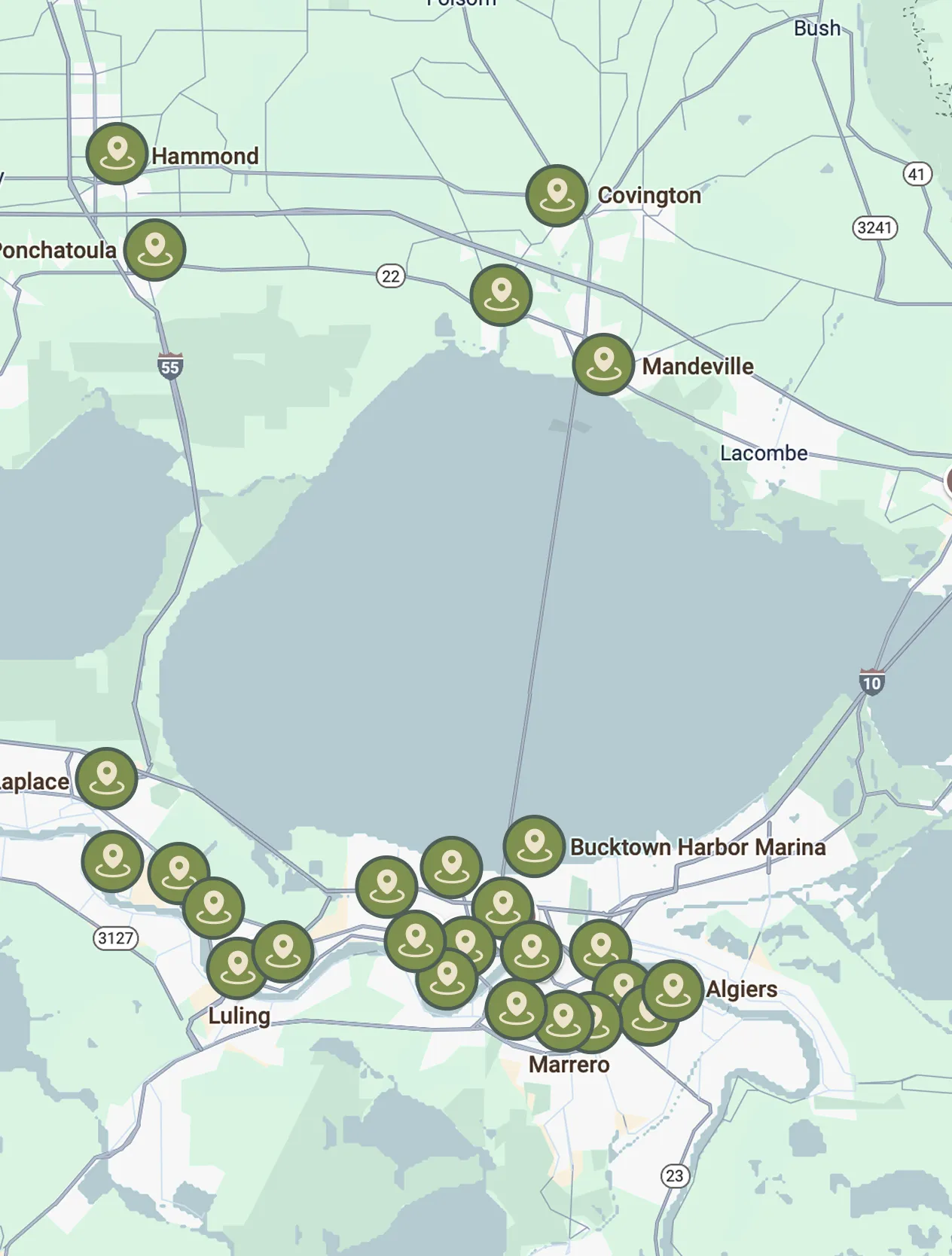
Our service areas are designed to meet the diverse needs of our clients. We focus on providing exceptional service and ensuring customer satisfaction in every location we operate.