AC Replacement in Jefferson, LA
.webp)
Is your AC struggling to keep your Jefferson, LA home cool? It might be time for a replacement. Cypress Cooling can guide you through the entire process, from recognizing the signs of an aging system to understanding energyefficient options. We'll help you explore highSEER systems, heat pumps, ductless minisplits, and even corrosionresistant finishes designed for our Louisiana climate. Proper sizing is crucial, and we use Manual J/D/S to ensure your new system is a perfect fit. We'll also walk you through the removal and installation process, permits, testing, warranty details, and essential maintenance tips, along with realistic timelines and cost considerations. Plus, we'll help you navigate rebates, financing, and postinstallation checks to protect your comfort and investment.
%2520(1)-min.webp)
Air Conditioning Replacement in Jefferson, LA
Replacing an aging air conditioning system is one of the most important investments a Jefferson home can make. With hot, humid summers and coastal exposure, old or undersized systems lead to high energy bills, poor humidity control, frequent breakdowns, and uneven comfort. This page explains how a full air conditioning replacement works in Jefferson, LA, how to choose the right energy-efficient option, what to expect during the process, and the post-installation testing and warranty protections that preserve performance and value.
When to consider a full air conditioning replacement
Watch for these common signs that replacement is the better option than repair:
- Age over 10-15 years: Older compressors and refrigerant types are less efficient and harder to service.
- Rising energy bills despite similar usage: Reduced efficiency and refrigerant loss commonly cause higher utility costs.
- Frequent or costly repairs: When annual repair costs approach the value of a new system, replacement is typically more economical.
- Inadequate cooling or uneven rooms: Undersized equipment or failing components can’t handle Jefferson’s high latent loads (humidity).
- Poor humidity control or condensate issues: If your system never seems to dry the air, you may need a properly sized unit that manages latent heat.
- Rust or corrosion on outdoor unit: Coastal and riverine air in Jefferson accelerates corrosion; severe damage often requires replacement.
Energy-efficient unit options for Jefferson homes
Selecting equipment that performs well in South Louisiana’s climate is essential. Energy-efficient options include:
- High-SEER central split systems: Look for systems with high Seasonal Energy Efficiency Ratio (SEER) and variable-speed compressors for better humidity control and lower operating costs.
- Heat pumps (electric): Modern heat pumps perform well year-round and may qualify for efficiency incentives; they also reduce fossil fuel dependence.
- Ductless mini-splits: Good for room additions or homes with limited ductwork; provide zoned control and efficient cooling.
- Two-stage or variable-speed air handlers: These improve comfort and dehumidification by running longer at lower speeds.
- Corrosion-resistant finishes and elevated pad options: Valuable in Jefferson to protect outdoor coils from salt and flood exposure.
System sizing and load calculations
Proper sizing is critical for comfort and efficiency. Oversized systems cycle too quickly, reducing dehumidification and increasing wear; undersized systems run constantly and fail to maintain setpoints. Professional sizing involves:
- Manual J load calculation: Determines the heating and cooling load based on home orientation, insulation, windows, occupancy, appliances, and local climate data.
- Manual D duct design review: Ensures ductwork can deliver required airflow; often includes recommendations for sealing, insulation, and balancing.
- Manual S equipment selection: Matches the load with appropriate equipment capacity and performance features.
- Latent load considerations: In Jefferson, high humidity raises the importance of accounting for latent cooling needs to avoid clammy indoor conditions.
Step-by-step replacement and removal process
A full replacement typically follows these stages:
- Site inspection and diagnostic review: Evaluate the existing system, ductwork, electrical service, refrigerant type, and any moisture or structural concerns.
- Load calculation and equipment selection: Choose a right-sized system and options that address humidity and local exposure.
- Permitting and scheduling: Secure any required Jefferson Parish permits and schedule the installation window.
- Old system decommissioning: Recover refrigerant per federal and state regulations and remove the outdoor condenser and indoor air handler/coil safely.
- Ductwork and electrical prep: Repair, seal, or modify ducts; ensure electrical service and disconnects meet the new equipment’s requirements.
- Installation of new equipment: Set the condensing unit on a stable, elevated pad, mount the air handler or coil, connect refrigerant lines, electrical, and control wiring.
- Evacuation and charge: Evacuate the refrigerant lines, perform a vacuum, and charge to manufacturer specifications.
- Start-up, balancing, and testing: Verify airflow, refrigerant pressures, thermostat operation, and steady-state efficiency. Adjust as needed.
- Disposal and cleanup: Remove and responsibly dispose of old equipment and debris.
- Documentation: Provide written equipment specs, warranty information, and recommended maintenance schedule.
Typical timeline and cost considerations
- Timeline: Most straightforward single-family replacements are completed in 1 to 3 days. Complex projects involving duct replacement, electrical upgrades, or structural access can take several days to a week.
- Cost drivers:
- Equipment efficiency and capacity (SEER rating, variable-speed components).
- Ductwork condition and necessary repairs or redesign.
- Access to outdoor unit location and need for structural or pad work due to flood risk.
- Electrical upgrades such as new breakers, subpanels, or service increases.
- Local permitting and inspection requirements.
- Ballpark range: Replacement costs vary by equipment and scope. Typical residential central system replacements in the region often fall into a broad range; final pricing depends on the factors above and detailed on-site estimates.
Rebates, incentives, and financing
Homeowners in Jefferson may be eligible for multiple savings opportunities:
- Federal and state efficiency incentives: High-efficiency equipment and certain heat pumps may qualify for federal tax credits or state programs.
- Local utility rebates: Providers sometimes offer rebates for ENERGY STAR systems, high-efficiency upgrades, or duct improvements.
- Manufacturer promotions and extended warranty offers: Periodic manufacturer incentives can lower equipment costs.
- Financing options: Many homeowners use HVAC financing programs to spread investment costs over time. Always verify current incentive programs and eligibility before purchase.
Post-installation testing and warranty details
After installation, rigorous testing is essential to ensure long-term performance:
- Start-up checklist: Confirm correct refrigerant charge, airflow, electrical connections, and thermostat calibration.
- Performance metrics: Measure supply/return temperatures, superheat and subcooling, and static pressure to validate manufacturer specs.
- Humidity and IAQ checks: Verify the system meets dehumidification expectations and check condensate drainage.
- Written warranties: Expect manufacturer warranties on compressors and coils (often 5 to 10 years) and separate parts and labor warranties from the installer. Extended warranties or maintenance agreements are available; always get coverage details in writing.
- Maintenance recommendations: Annual tune-ups, filter changes, and regular condensate inspections preserve efficiency and warranty compliance.
Why timely replacement matters for Jefferson homeowners
Replacing an inefficient or failing system delivers clearer benefits in Jefferson’s climate: lower monthly energy bills, improved humidity control and indoor comfort, fewer emergency repairs during peak heat, and better indoor air quality. Properly spec’d, installed, and tested equipment also resists coastal corrosion and flood risks better, protecting your investment and home comfort for years.
Practical maintenance tips after replacement:
- Change filters on the schedule recommended by the manufacturer.
- Keep the outdoor unit clear of debris and allow air circulation.
- Monitor condensate lines and secondary drains, especially during heavy storms.
- Schedule annual professional maintenance before peak cooling season.
This guidance is intended to help Jefferson, LA homeowners understand the full replacement process, choose equipment that fits South Louisiana’s climate, and know what to expect from timeline, costs, testing, and warranty protection.
OUR CLIENTS HAVE TO SAY ABOUT US



Service areas
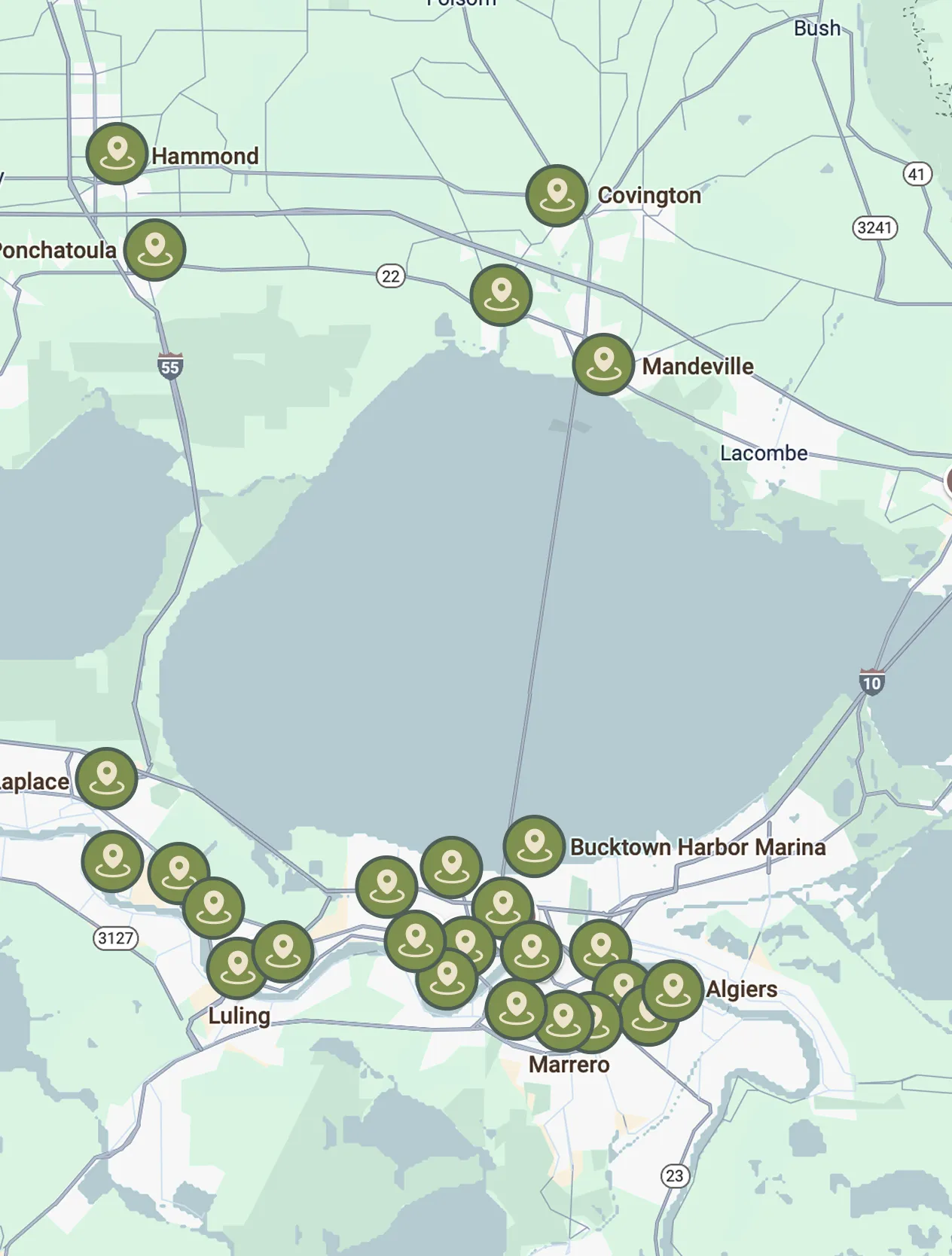
Our service areas are designed to meet the diverse needs of our clients. We focus on providing exceptional service and ensuring customer satisfaction in every location we operate.