AC Installation in Jefferson, LA
.webp)
When it comes to professional AC installation in Jefferson, LA, Cypress Cooling takes a comprehensive approach. We begin with a thorough site evaluation to determine the precise system sizing needed for your home. Our team meticulously plans the ductwork and refrigerant lines, handles all necessary permitting, and executes a step by step installation process, followed by rigorous testing. After installation, Cypress Cooling provides detailed commissioning, documentation, and recommends service plans and warranties to ensure your system's long term performance. We specialize in selecting the right equipment for coastal climates, focusing on humidity management and addressing the unique challenges of flood prone areas. Our best practices include proper insulation, electrical work, and a safe startup procedure. We also emphasize regular maintenance routines to protect your investment and optimize efficiency, ensuring your comfort for years to come.
-min.webp)
Air Conditioning Installation in Jefferson, LA
Installing a new air conditioner is one of the most important investments you can make for comfort and energy efficiency in Jefferson, LA. With hot, humid summers and occasional storm-driven flooding, proper air conditioning installation in Jefferson, LA requires more than swapping an old unit for a new one. This page explains what to expect from a professional installation: site evaluation, correct unit sizing, ductwork and refrigerant line considerations, permitting and code compliance, step-by-step installation and testing, post-install commissioning, and recommended service plans and warranties for long-term performance.
Why proper AC installation matters in Jefferson homes
Jefferson’s subtropical climate places a premium on dehumidification and continuous cooling. An improperly installed system will run longer, struggle to control indoor humidity, and cost more to operate. Common consequences of poor installation include:
- Short cycling from incorrect unit sizing, reducing comfort and lifespan
- Inadequate dehumidification when airflow or refrigerant charge is wrong
- Higher energy bills due to poor duct sealing or inefficient equipment placement
- Corrosion and premature failure of outdoor components in coastal or high-salt areas
Addressing these risks up front ensures your new system meets comfort needs, controls humidity, and resists local environmental stresses.
Common air conditioning installation issues in Jefferson, LA
Understanding typical problems helps you evaluate proposed work:
- Incorrect sizing - oversizing cools quickly but fails to remove humidity, undersizing runs continuously and cannot keep up in peak heat
- Poor ductwork - leaks, undersized trunks, and lack of insulation reduce efficiency and cause uneven rooms temperatures
- Improper refrigerant line routing or length, causing pressure and performance problems
- Inadequate electrical capacity or improper disconnect and wiring
- Outdoor unit placement too low in flood-prone areas or too close to vegetation, reducing airflow and increasing corrosion risk
- Lack of proper permits and inspections which can cause insurance and resale complications
Site evaluation and unit selection
A thorough installation starts with a detailed site evaluation tailored to Jefferson homes. Key steps include:
- Load calculation - A Manual J style calculation or equivalent determines cooling needs based on square footage, insulation, window orientation, occupancy, and local climate conditions.
- System type decision - Choose between split systems, heat pumps, or packaged units. In Jefferson, consider heat pumps with efficient cooling and heating capabilities for mild winters, and variable-speed compressors for better humidity control.
- Equipment selection - Factor in SEER ratings, two-stage or variable-speed compressors, coil materials and corrosion-resistant coatings for coastal or high-humidity environments.
- Location planning - Determine optimal outdoor unit placement for airflow, noise control, and elevation above potential flood or standing water levels.
Ductwork and refrigerant line considerations
Ductwork and refrigerant lines are critical to performance:
- Ductwork: Inspect for leaks, proper sizing, balanced registers, and insulation. Sealing and adding insulation can often pay for itself in energy savings.
- Refrigerant lines: Proper diameter and length, correct routing, professional brazing, and insulation are required. Long line sets may need special refrigerant charge adjustments and oil management.
- Airflow: Aim for manufacturer-specified cubic feet per minute (CFM) per ton. Too low or too high airflow causes comfort and humidity issues.
- Drainage: Ensure condensate drains are slope-correct, trapped correctly, and routed to safe disposal to prevent water damage and mold.
Permitting and code compliance in Jefferson, LA
Installations must comply with local building codes and require permits and inspections. Typical compliance items:
- Local building permits and documented inspections for mechanical and electrical work
- Proper electrical breaker sizing and disconnects per code
- Licensed technicians handling refrigerant per certification requirements
- Equipment installation meeting manufacturer specifications to preserve warranties
- Documentation for insurance and resale including permit sign-offs and installation records
Step-by-step installation and testing procedures
A professional installation follows a consistent process:
- Site prep - Protect flooring, access points, and landscaping. Confirm equipment placement and clearances.
- Remove old equipment - Safely recover refrigerant if present and disconnect electrical and duct connections.
- Install indoor and outdoor units - Level and secure outdoor pad or platform above flood elevation if needed. Mount indoor coil or air handler and connect to ductwork.
- Refrigerant line and electrical work - Run line sets, vacuum the system, brazing and pressure testing for leaks, then charge to manufacturer specifications.
- Duct sealing and insulation - Seal seams and add insulation where needed. Balance supply and return dampers.
- Startup tests - Verify airflow, measure temperature split, check superheat/subcooling, confirm proper refrigerant charge, test electrical loads, and verify thermostat sensing and programming.
- Final safety checks - Condensate drain operation, electrical grounding, refrigerant leak inspection, and manufacturer checklist completion.
Post-install commissioning and documentation
After startup, commissioning includes:
- Demonstrating system operation and modes and how to change thermostat settings for cooling and humidity control
- Delivering installation paperwork: equipment serial numbers, permit copies, and manufacturer warranty information
- Recording performance numbers such as static pressure, CFM, and refrigerant charge for future reference
- Recommending thermostat programming strategies for comfort and efficiency in Jefferson’s climate
Service plans, warranties, and maintenance recommendations
To protect your investment, consider ongoing plans and warranty strategies:
- Manufacturer warranty and registration - Ensure the equipment is registered and installation documentation meets warranty terms.
- Labor warranty - Understand coverage periods for workmanship separate from the equipment warranty.
- Maintenance plans - Annual or semiannual tune-ups that include coil cleaning, refrigerant checks, airflow measurement, electrical inspection, and drain cleaning. In Jefferson’s humid environment, at least annual maintenance is critical; consider twice-yearly service if the system also handles high dehumidification loads.
- Priority and diagnostic plans - Plans that include priority scheduling, discounted parts, and seasonal tune-ups help maintain system efficiency.
- Filter and humidity management - Use high-quality filters and change them every 1 to 3 months depending on occupancy and pets. For persistent humidity, variable-speed equipment or a dedicated dehumidifier may be recommended.
Final considerations for Jefferson homeowners
A correctly installed air conditioning system improves comfort, lowers energy use, and extends equipment life. In Jefferson, LA, prioritize proper sizing, humidity control, corrosion resistance, elevated outdoor placement, and regular maintenance to handle heat, humidity, and local weather risks. Proper permitting and professional commissioning protect warranties and future property value. The right installation plan will keep your home cool and healthy through the region’s long summers while optimizing long-term operating costs.
OUR CLIENTS HAVE TO SAY ABOUT US



Service areas
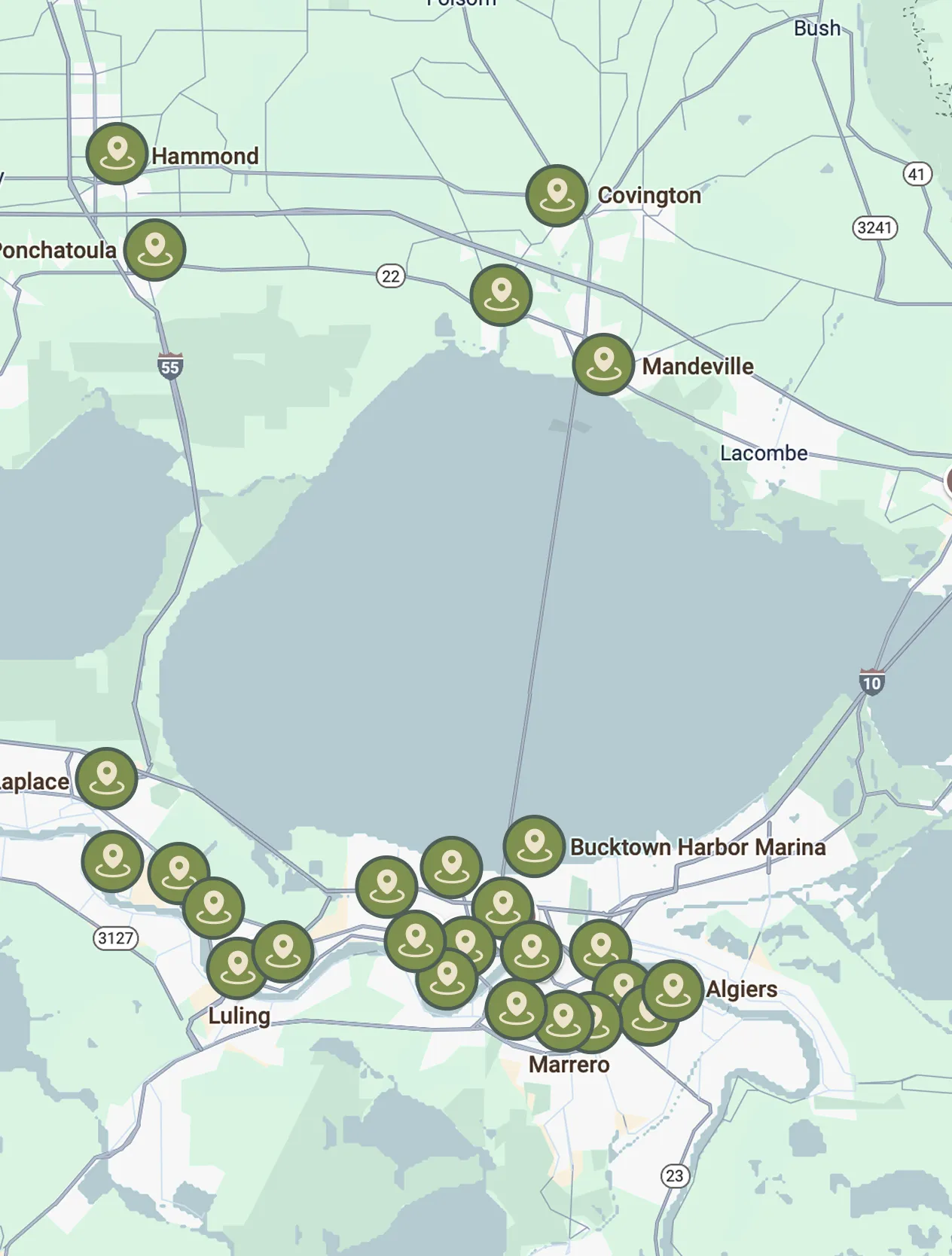
Our service areas are designed to meet the diverse needs of our clients. We focus on providing exceptional service and ensuring customer satisfaction in every location we operate.