Heating Replacement in New Orleans, LA
.webp)
New Orleans homeowners facing aging heating systems can plan a comprehensive replacement with Cypress Cooling that maximizes comfort, efficiency, and indoor air quality. We'll explain the signs that your system is nearing its end of life, compare energy efficient options (heat pumps, gas furnaces, ductless systems), and emphasize the importance of accurate load calculations, proper sizing, and safe removal. We'll outline a step by step installation process, explain warranties, rebates, and financing, and present a realistic timeline from quote to commissioning, highlighting coastal climate considerations, corrosion protection, and humidity control. Cypress Cooling offers practical tips to help homeowners plan budgets and avoid downtime.

Heating Replacement in New Orleans, LA
When a heating system reaches the end of its reliable life, replacement is about more than swapping equipment. In New Orleans homes, where winters are mild but humidity and salt air create unique challenges, a properly planned heating replacement improves comfort, reduces energy bills, and protects indoor air quality. This page explains how to determine equipment end-of-life, compares energy-efficient system options, outlines load calculations and proper sizing, describes safe removal and disposal, walks through the step-by-step installation process, and summarizes warranties, incentives, financing options, and a realistic project timeline from quote to commissioning.
Recognizing end-of-life for heating equipment
Common signs a heating system needs replacement:
- Frequent repairs or rising repair costs over 2-3 seasons.
- Age beyond typical lifespan: gas furnaces ~15-20 years, heat pumps 10-15 years, packaged units 12-15 years.
- Declining efficiency: higher energy bills for the same comfort level.
- Uneven heating, short cycling, or persistent indoor humidity problems.
- Frequent refrigerant leaks, noisy operation, or rust and corrosion from salt air.
- Safety concerns: cracked heat exchangers, repeated ignition failures, or carbon monoxide alarms linked to the unit.
In New Orleans, corrosion from coastal humidity can accelerate deterioration, and mold or mildew in ductwork is a common companion to aging systems. If multiple symptoms appear, replacement is usually more cost-effective than ongoing repairs.
Energy-efficient system options for New Orleans homes
- High-efficiency air-source heat pumps: Now the top choice for mild southern climates. Modern heat pumps offer strong heating performance during cool snaps, excellent dehumidification, and high cooling efficiency for year-round use.
- Cold-climate or enhanced-capacity heat pumps: If your home experiences occasional cold spells, these units maintain capacity at lower outdoor temperatures.
- Hybrid systems (heat pump + gas furnace): Combine the efficiency of a heat pump with the backup heat of a gas furnace for homes that prefer fossil fuel backup during extreme cold.
- High-efficiency gas furnaces: For homes without suitable outdoor space for a heat pump or those on natural gas, high AFUE furnaces remain an option.
- Ductless mini-splits: Ideal for zoned heating, additions, or homes with limited ductwork. They provide targeted comfort and reduce energy waste from duct losses.
- Packaged units: Useful for combo systems in attic or rooftop installations in multi-story or elevated homes.
Energy metrics to compare: SEER and SEER2 for cooling, HSPF for heat pumps, and AFUE for furnaces. Look for ENERGY STAR qualified equipment and variable-speed compressors/blowers for better humidity control and comfort in humid climates.
Load calculations and proper sizing
Proper sizing is critical. Oversized units short cycle, reduce humidity control, and raise operating costs. Undersized units fail to maintain comfort.
- Manual J load calculation: A site-specific heating and cooling load analysis should be performed. This accounts for home orientation, insulation, windows, air leakage, occupant count, and local climate data for New Orleans.
- Duct evaluation: If you have ducts, perform a Manual D duct design and a Manual T for supply-air balancing when replacing the system. Leaky or undersized ducts in attics or crawlspaces common in the region can negate efficiency gains.
- Distribution considerations: Elevated homes and slab foundations affect airflow and insulation needs. Crawlspaces may require special sealing and insulation to prevent moisture entry.
Removal and disposal of old units
Safe, code-compliant removal is part of replacement:
- Refrigerant recovery: Certified refrigerant recovery is mandatory for HVAC systems with refrigerant. Technicians must capture and recycle or reclaim refrigerant per regulations.
- Gas and oil safing: Properly disconnect and cap gas lines. Oil-fired components require handling of residual fuel and safe disposal.
- Hazardous materials: Older units may contain asbestos insulation or PCB-containing ballasts; licensed abatement is used when encountered.
- Responsible disposal: Metal and component recycling, furnace oil recycling, and certificate of disposal are standard practice. Salt-influenced corrosion debris should be cleaned to avoid contamination.
Step-by-step installation process
- Site assessment and inspection: Evaluate existing equipment, ductwork, electrical service, and structural constraints in New Orleans homes.
- Load calculation and system selection: Perform Manual J and present options that prioritize efficiency, humidity control, and durability in coastal conditions.
- Permitting and scheduling: Secure local building permits and schedule the work. Historic districts or flood zones may have additional requirements.
- Pre-install prep: Upgrade electrical service or gas piping if needed, repair or seal ducts, and protect flooring and landscaping.
- Removal of old equipment: Recover refrigerant, disconnect utilities, and remove the old unit with safe handling.
- Installation of new equipment: Mount outdoor units on elevated pads if required for flood zones, install indoor units, connect refrigerant lines or gas lines, and set up proper venting and combustion air for furnaces.
- Ductwork and airflow balancing: Seal and insulate ducts, install new filters, and balance supply and return airflow per the design.
- System charging and safety checks: Charge refrigerant to specification, test gas connections, verify ignition and combustion safety, and test electrical loads.
- Commissioning and homeowner orientation: Perform a full performance test, document system settings, and demonstrate operation and filter maintenance to homeowners.
- Final inspection and paperwork: Complete municipal inspections and provide warranty documentation.
Warranties, rebates, and financing options
- Warranties: Manufacturer warranties typically cover parts (10 years on many high-efficiency units is common when registered). Look for labor warranties and options for extended coverage. Understand what voids warranties, such as improper installation or lack of maintenance.
- Rebates and incentives: Energy-efficient equipment, particularly heat pumps and high-efficiency HVAC systems, often qualify for local utility rebates, state incentives, and federal tax credits. Eligibility depends on equipment type and installation details, so documentation of model numbers and contractor certification is important.
- Financing: Many homeowners use HVAC financing or energy-improvement financing to spread costs. Options often cover equipment, installation, and related ductwork or insulation improvements.
Typical project timeline: quote to commissioning
- Initial consultation and quote: 1-3 business days for standard visits, up to a week for detailed proposals.
- Design and permitting: 1-3 weeks depending on local permitting cycles and complexity.
- Equipment lead time: In-stock systems may be available within days; special-order or high-efficiency models can take 2-6 weeks.
- Installation: Most standard replacements complete in 1-3 days. Complex projects with duct redesign, structural work, or special permitting can extend to 1-2 weeks.
- Final commissioning and inspection: Same day as installation for functional checks; municipal inspections may follow within a few days to 2 weeks.
Long-term benefits and maintenance advice
Replacing an aged heating system delivers:
- Lower energy bills and improved year-round comfort, including better humidity control in New Orleans’ humid climate.
- Improved indoor air quality and reduced risk of breakdowns during cold snaps.
- Reduced long-term maintenance costs and increased home value.
Maintenance tips to preserve your investment:
- Schedule annual tune-ups, especially for heat pumps before the fall and for furnaces before winter.
- Replace filters regularly and keep outdoor units clear of vegetation and salt buildup.
- Inspect ductwork and insulation in attics and crawlspaces for moisture, mold, or leaks.
- Keep thermostat settings and controls optimized for humidity and comfort.
Selecting the right heating replacement for a New Orleans home requires attention to local climate impacts, humidity control, corrosion protection, and proper sizing. A thoughtful approach that includes load calculations, careful equipment selection, compliant removal, and professional installation will deliver reliable comfort and energy savings for years to come.
OUR CLIENTS HAVE TO SAY ABOUT US



Service areas
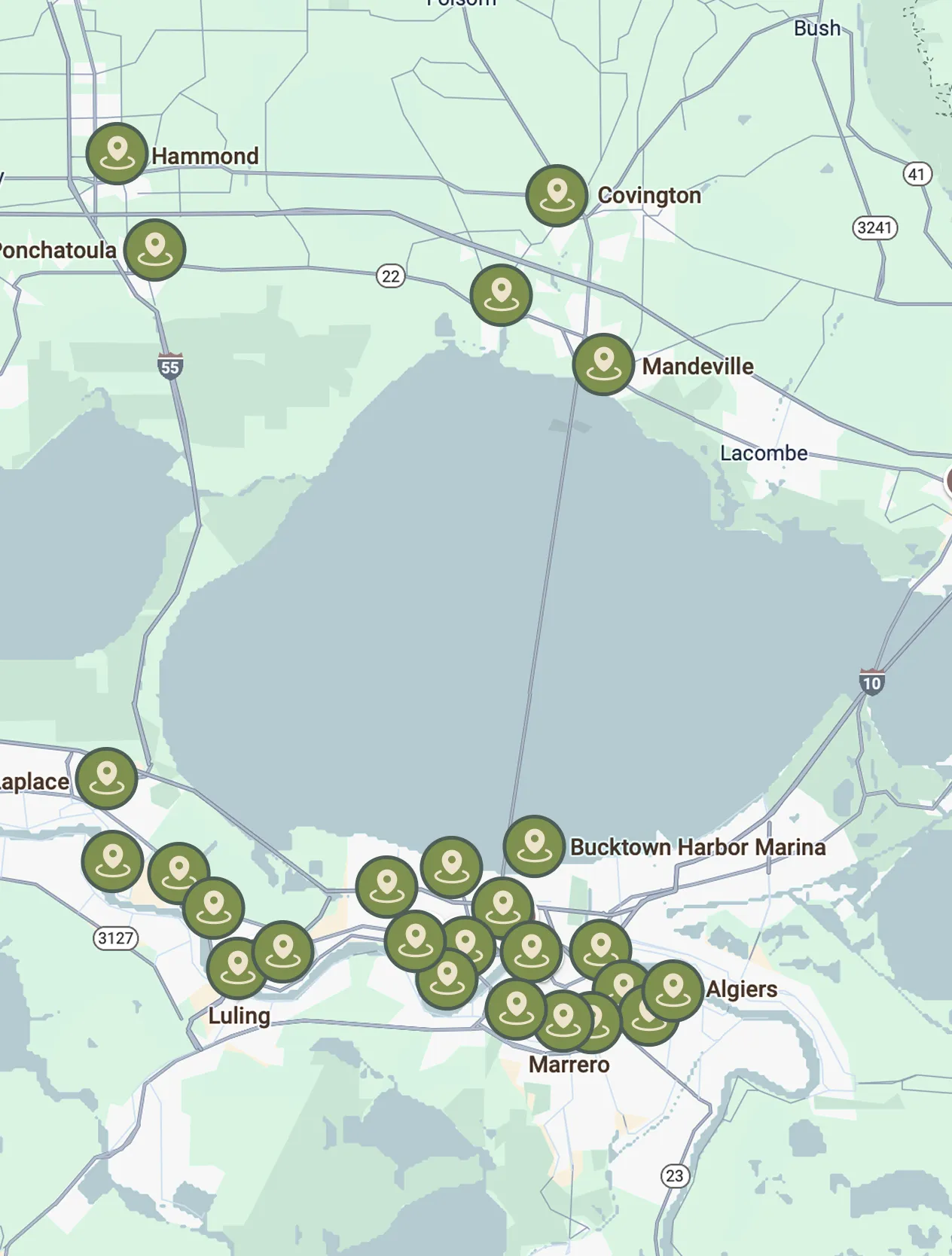
Our service areas are designed to meet the diverse needs of our clients. We focus on providing exceptional service and ensuring customer satisfaction in every location we operate.