
Heating Installation in New Orleans, LA
.webp)
Heating installation in New Orleans, LA, requires a tailored, code compliant approach that balances our mild winters, high humidity, and unique historic homes. Cypress Cooling understands these challenges. Our process begins with a thorough assessment, load calculations, and system recommendations – heat pumps, hybrids, furnaces, or ductless options – designed for efficiency and comfort. We handle permitting, flood considerations, ductwork, and precise installation, then test start up performance and provide homeowner orientation. With clear timelines, competitive lead times, and maintenance guidance, Cypress Cooling ensures you gain reliable warmth, energy savings, and long term peace of mind.
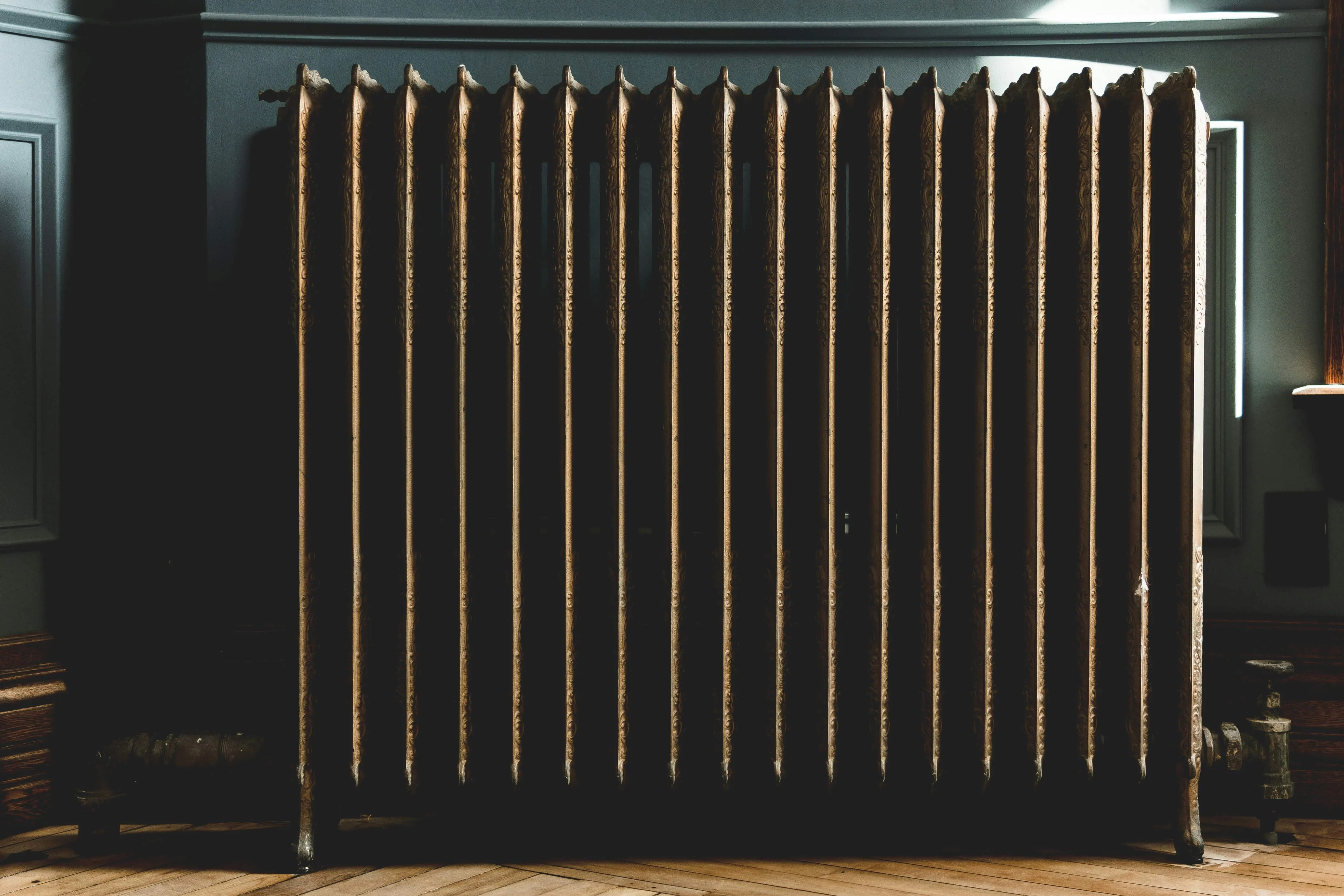
Heating Installation in New Orleans, LA
Upgrading or installing a heating system in New Orleans, LA requires choices that balance mild winter temperatures, high humidity, and the unique characteristics of older homes in the region. Whether you are replacing an aging furnace, switching to a heat pump, or considering a ductless solution for a historic property, a professional heating installation begins with a thorough assessment and ends with a system that delivers consistent comfort, efficiency, and code compliance.
Why tailored heating installation matters in New Orleans
New Orleans winters are generally mild but humid, with occasional cold snaps and temperatures that can dip unexpectedly. That climate profile makes heat pumps and hybrid systems particularly effective because they provide efficient year-round performance and dehumidification benefits. At the same time, many New Orleans homes are older, have inconsistent insulation, or sit in flood-prone areas, which affects equipment placement, ductwork condition, and permitting requirements. A location-specific installation plan avoids common problems like moisture issues, inefficient operation, and noncompliance with local building codes.
Typical heating systems for New Orleans homes
- Heat pumps: Highly efficient for mild climates, they provide both heating and cooling and help control indoor humidity. Modern variable-speed and inverter-driven models excel in energy savings and comfort.
- Hybrid systems: Combine a heat pump with a gas furnace for backup heat during rare lower-temperature events. Useful if you want insurance against prolonged cold while maximizing heat pump efficiency most of the season.
- Gas or electric furnaces: Less common as primary systems in New Orleans because of moderate winters, but still appropriate where existing ductwork and fuel supply are already optimized.
- Ductless mini-split systems: Ideal for historic homes, additions, or rooms without existing ductwork. They offer zoned comfort, minimal disruption during installation, and strong humidity control.
Common heating issues in New Orleans homes
- Undersized or oversized equipment because of missing load calculations
- Leaky, uninsulated ductwork in attics and crawlspaces reducing efficiency
- Moisture and corrosion concerns for equipment located in flood-prone or humid areas
- Inadequate insulation or air sealing that increases heating demand
- Poor humidity control leading to discomfort even when temperature is maintained
Our assessment and system selection process
- Initial home assessment
- Visual inspection of the property, equipment location, and existing ductwork or potential mounting sites for ductless heads.
- Evaluation of insulation, windows, and potential air leaks that impact system sizing.
- Review of flood zone or elevation requirements affecting placement of outdoor units and condensate routing.
- Load calculation and recommendations
- Accurate Manual J style calculation to determine correct system capacity for the home, not an estimate based on square footage alone.
- Consideration of humidity control needs and preferred system type (heat pump, hybrid, furnace, or ductless).
- Comparison of efficiency levels and lifecycle costs to recommend the best match for comfort and utility costs in New Orleans.
- Permitting and code compliance
- Guidance on local permitting requirements in Orleans Parish and city jurisdictions, including necessary inspections and documentation.
- Proper elevation and installation practices when equipment must be protected from potential flooding or meet local code for condensation and drainage.
- Ensuring refrigerant handling, electrical connections, and venting (if applicable) meet current mechanical and safety codes.
Installation procedures you can expect
- Pre-install preparation
- Site protection and planning to minimize disruption to floors, landscaping, and finishes.
- Removal and responsible disposal of the old system when applicable.
- Equipment installation
- Proper placement and secure mounting of outdoor units with clearance for airflow and service.
- Seamless integration with existing ductwork or installation of new ducts when required, with attention to sizing and airflow balancing.
- For ductless systems, strategic placement of indoor heads for efficient zoning and low-visibility installation.
- Mechanical, refrigerant, and electrical work
- Correct refrigerant charging and leak testing for heat pump and ductless systems.
- Professional electrical connections, breaker sizing, and thermostat wiring per code.
- Condensate line routing with secondary drains or safety switches where needed to prevent water damage.
- Ductwork considerations
- Inspection and repair of existing ducts including sealing, insulation, and re-routing if necessary.
- Options presented when ducts are impractical: full ductless conversion or a hybrid approach.
- Start-up, balancing, and testing
- System commissioning including airflow measurement, temperature rise verification for furnaces, and refrigerant superheat/subcooling checks for heat pumps.
- Safety checks and verification of controls, defrost cycles, and humidity performance.
Post-installation testing and homeowner orientation
After installation the system should be fully tested and explained. Typical orientation includes:
- Demonstration of system operation and thermostat programming tailored to New Orleans climate patterns.
- Explanation of filtration, humidity control strategies, and any zoning features.
- Documentation of equipment specifications, warranty information, and recommended maintenance schedule.
- Instruction on basic troubleshooting steps and how to prevent moisture or flood-related issues that could affect the system.
Expected lead times and project timeline
- Initial assessment: often scheduled within 3 to 7 business days.
- System selection and quote: 1 to 3 business days after assessment for standard jobs.
- Permits and inspections: typically 1 to 4 weeks depending on local processing times and any special floodplain requirements.
- Equipment lead time: common models usually ship within 1 to 3 weeks; specialty or high-efficiency models may take longer.
- Installation time: a standard single-family home replacement or new heat pump install normally takes 1 to 3 days. Complex retrofits, duct replacements, or multi-zone ductless installations can take 3 to 7 days.
Long-term benefits and maintenance guidance
Properly installed heating systems provide consistent comfort, lower energy bills, and improved indoor air quality. In New Orleans, selecting systems that also address humidity control reduces mold risk and improves perceived comfort. Regular maintenance keeps efficiency high and extends equipment life:
- Replace or clean filters every 1 to 3 months depending on use.
- Annual professional tune-ups for heat pumps or furnaces to verify refrigerant charge, electrical safety, and airflow.
- Periodic duct inspections and resealing, especially after storms or renovations.
- Keep outdoor units clear of debris and ensure condensate lines remain unobstructed.
Choosing the right heating installation for your New Orleans home means matching system type, size, and installation practices to the local climate and building characteristics. A methodical assessment, code-compliant permitting, and careful installation deliver reliable comfort and energy performance tailored to the specific needs of homes in New Orleans, LA.
OUR CLIENTS HAVE TO SAY ABOUT US



Service areas
Our service areas are designed to meet the diverse needs of our clients. We focus on providing exceptional service and ensuring customer satisfaction in every location we operate.

