Heating Maintenance in New Orleans, LA
.webp)
Heating maintenance in New Orleans, LA, from Cypress Cooling outlines a proactive approach to keep residential heating systems safe, efficient, and dependable through humid coastal conditions and storm seasons. We explain why regular tune ups matter—from preventing breakdowns and lowering repair costs to improving efficiency and indoor air quality. Cypress Cooling details typical tune up steps, safety inspections, and diagnostic checks, plus maintenance plan options that offer ongoing protection and priority service. Regular visits extend equipment life and help maintain warranty coverage while reducing downtime during cold spells.
Heating Maintenance in New Orleans, LA
Routine, preventative heating maintenance in New Orleans, LA keeps your home safe, reliable, and efficient throughout the cooler months and protects equipment from the region’s humidity, salt air, and storm-related wear. Even though winters here are milder than in northern climates, local conditions — high humidity, coastal salt exposure, older historic homes, and frequent power fluctuations during hurricane season — create specific risks for heating systems. Regular maintenance reduces breakdowns, lowers operating costs, and extends equipment life so your heater is ready when you need it.
Why heating maintenance matters in New Orleans homes
- Improved reliability during sudden cold snaps or overnight temperature drops.
- Lower repair costs by catching small problems before they become major failures.
- Better efficiency and lower energy waste, especially important in mixed climate homes using heating less frequently.
- Enhanced safety through combustion, carbon monoxide, and gas leak checks.
- Reduced corrosion and moisture-related issues common to coastal, humid environments.
- Better indoor air quality by controlling mold and debris in ducts and filters.
Common heating maintenance issues in New Orleans
- Corrosion of metallic components from salt air and coastal humidity.
- Condensate and moisture buildup in flue and drain lines that can encourage rust or mold.
- Clogged filters and reduced airflow from higher-than-average indoor humidity and airborne particulates.
- Ignition faults and intermittent burners from power surges during storms.
- Thermostat calibration drift in older homes or after renovations.
- Duct leaks and detached ductwork in older or historic properties, reducing efficiency and comfort.
What a seasonal tune-up includes
A professional seasonal tune-up is a systematic inspection, clean, and tune designed to restore safe, efficient operation. Typical steps include:
- Visual inspection of the entire heating system and accessible ductwork.
- Filter inspection and replacement or recommendation of proper filter type and schedule.
- Cleaning of burners, pilot assembly, and ignition components for reliable startup.
- Inspection of the heat exchanger for cracks, corrosion, or signs of stress.
- Combustion analysis or flue inspection to confirm safe ventilation and combustion efficiency where applicable.
- Gas line and connection checks for tightness and leaks (using non-invasive leak detection).
- Electrical checks including control wiring, fuses, and startup/shutoff cycles.
- Blower motor inspection, belt check, and lubrication where serviceable.
- Thermostat calibration and verification of correct temperature differentials.
- Airflow measurement and duct check to identify obstructions or leaks.
- Safety device tests including limit switches, rollout sensors, and carbon monoxide detectors.
- Condensate drain and trap inspection and cleaning (for systems with condensate).
- Documented performance readings and recommendations for repairs or improvements.
Safety inspections and efficiency checks
Safety inspections are central to any maintenance visit. Technicians will test combustion safety, carbon monoxide levels, and ensure the heat exchanger and venting are intact. Efficiency checks look at how well your system converts fuel to heat and moves that heat through your home. Simple adjustments like cleaning coils and replacing filters can restore lost efficiency and reduce run times.
Filter and component replacement
- Filters: Replacing or upgrading filters can improve airflow and indoor air quality. In New Orleans, higher humidity and indoor contaminants may require more frequent changes.
- Wear parts: Igniters, belts, capacitors, and sensors often wear before major components fail. Routine replacement before failure prevents emergency service calls.
- Corrosion-prone parts: In coastal areas, paying attention to corrosion on fasteners, burners, and exterior components prevents accelerated deterioration.
How maintenance extends equipment life
Consistent tune-ups keep moving parts lubricated and clean, reduce operating stress, and preserve heat exchanger integrity. Addressing minor leaks, worn bearings, and electrical issues early prevents secondary damage to major components. A maintained system runs cooler and more evenly, which slows wear and often delays replacement by several years.
Typical maintenance plan tiers and member benefits
Maintenance plans are structured to match different needs and budgets. Typical plan tiers might include:
- Basic Plan
- Annual seasonal tune-up and safety inspection
- Filter check and one basic filter replacement
- Service history log for warranty compliance
- Standard Plan
- Biannual inspections (fall heating tune-up plus spring check)
- Two filter replacements per year
- Priority scheduling for service visits
- Small discount on diagnostic fees and repairs
- Premier Plan
- Biannual comprehensive tune-ups with combustion analysis
- Unlimited minor filter replacements during the membership period
- Priority scheduling and same-week service guarantees
- Member discounts on parts and labor for repairs
- Annual HVAC system performance report and efficiency recommendations
Member benefits that often accompany maintenance plans:
- Priority scheduling during peak cold or post-storm periods
- Reduced emergency diagnostic fees or discounted repair rates
- Planned maintenance reminders and documentation that may protect manufacturer warranties
- Discounts on system upgrades or replacement parts
When to schedule maintenance in New Orleans
- Schedule a heating tune-up in late fall, before extended cool weather arrives. That timing ensures your system is ready for any early cold snaps.
- Consider a spring follow-up check if your system handled heavy use during an unseasonal cold spell or if storms affected your property.
- After major storms or extended power outages, schedule an inspection to check electrical components, gas valves, and safety controls.
Final considerations and long-term value
Regular heating maintenance in New Orleans, LA protects your comfort, safety, and wallet. The unique local factors — humidity, salt air, older housing stock, and seasonal storms — make proactive maintenance especially valuable here. Well-maintained systems operate more efficiently, reduce the chance of mid-winter failures, preserve indoor air quality, and extend equipment life. Choosing an appropriate maintenance plan and keeping documented service records also supports warranty coverage and predictable household energy spending.
OUR CLIENTS HAVE TO SAY ABOUT US



Service areas
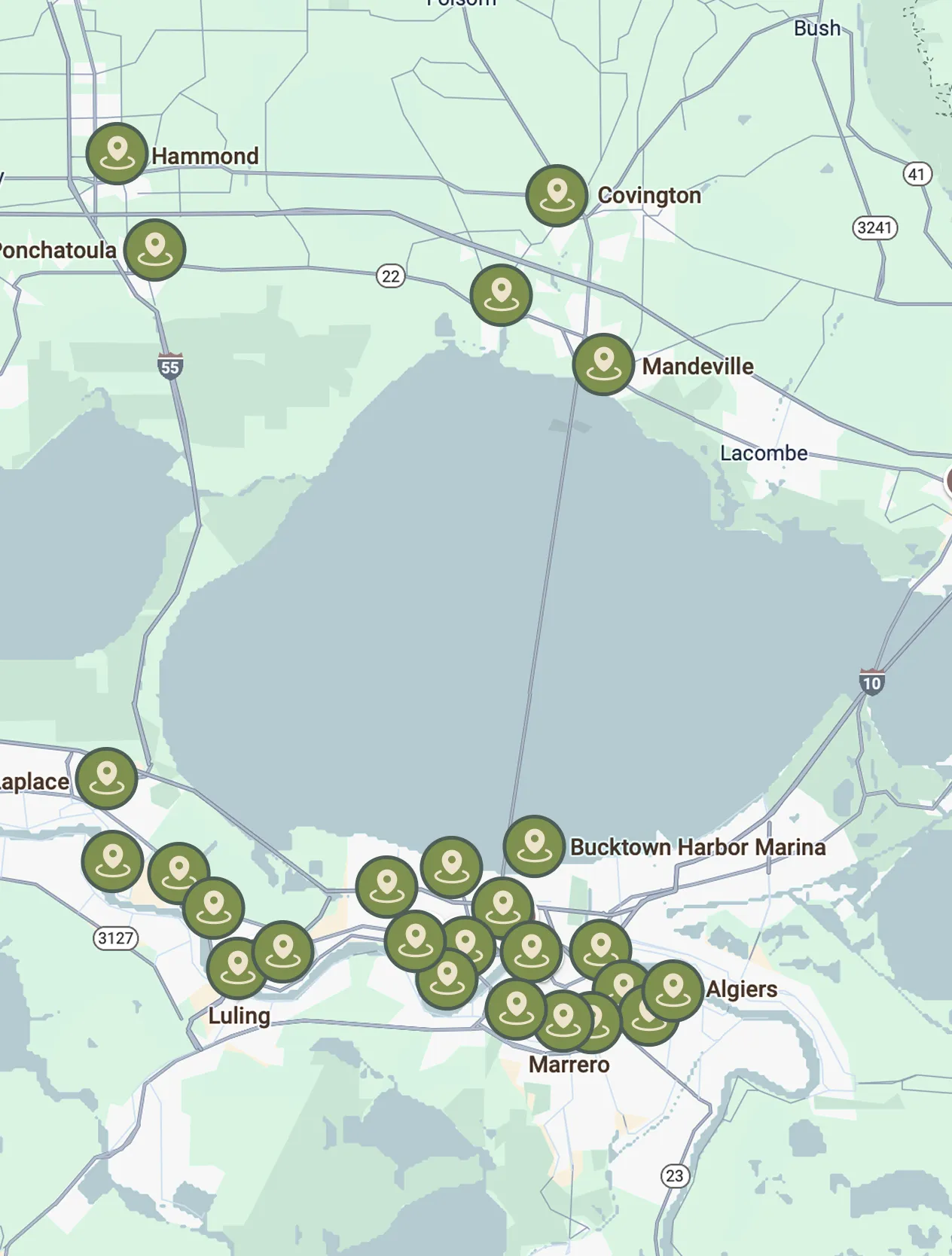
Our service areas are designed to meet the diverse needs of our clients. We focus on providing exceptional service and ensuring customer satisfaction in every location we operate.