Heating Replacement in Luling, LA
.webp)
Cypress Cooling provides heating replacement services in Luling, LA, following a transparent and efficient process from the initial assessment to professional installation and warranty handoff. Each project begins with a thorough on site evaluation, Manual J load calculations, and ductwork diagnostics to ensure proper sizing and optimal airflow. Homeowners can choose from high efficiency heat pumps, gas furnaces, dual fuel systems, or boilers based on their climate, energy goals, and budget. Cypress Cooling clearly explains each step of the installation process, provides realistic timelines, explores financing options, and offers ongoing maintenance plans to maximize performance. Benefits include consistent comfort, improved humidity control, reduced energy costs, and increased home value. Our warranty coverage and scalable solutions allow for easy upgrades in the future.
.webp)
Heating Replacement in Luling, LA
Replacing a heating system is a decision that affects comfort, energy bills, and long-term home value. In Luling, LA, where winters are typically mild but humidity and occasional cold snaps matter, the right replacement can also improve year-round comfort by integrating heating and cooling efficiency. This page explains the full heating replacement process—from initial evaluation and system selection to installation, warranties, and the practical benefits you’ll notice after the swap.
Why homeowners in Luling replace heating systems
Common reasons Luling homeowners pursue a full heating replacement:
- Equipment older than 15 years with frequent breakdowns and rising repair costs
- Uneven temperatures between rooms, indicating undersized or failing equipment
- High energy bills despite routine maintenance
- Desire to switch to a more efficient, dual-purpose system (heating + cooling)
- Ductwork issues, indoor air quality concerns, or repeated refrigerant leaks
Local climate factors to consider: Luling’s humid subtropical climate means systems that provide efficient dehumidification and consistent cooling performance are valuable. For homes in flood-prone areas or lower elevations, outdoor equipment placement and corrosion-resistant components are important.
Initial home evaluation and load calculations
A proper replacement begins with an on-site evaluation, not a guess based on square footage. Typical evaluation steps:
- Inspect attic, crawlspace, ducts, insulation, windows, and existing equipment condition
- Record orientation, insulation levels, and typical occupancy patterns
- Perform a Manual J load calculation to determine the exact heating and cooling capacity your home needs
- Run ductwork diagnostics (static pressure, leakage, and airflow) and evaluate return/exhaust pathways
Why load calculations matter: Oversized equipment short-cycles, reducing comfort and dehumidification; undersized equipment runs continuously and fails to reach set temperatures. The Manual J and duct analysis ensure the replacement provides even temperatures, efficient operation, and proper humidity control for Luling homes.
Choosing the right system: types and comparisons
Select a system that matches your home’s heating needs, energy goals, and local conditions. Main options:
- Heat pumps (air-source, cold-climate, ducted or ductless mini-splits)
- Pros: High seasonal efficiency, strong cooling performance, can reduce total energy use in Luling’s mild winters
- Cons: Performance decreases in extreme cold (consider cold-climate models or dual-fuel systems)
- Efficiency metrics: SEER (cooling), HSPF (heating)
- High-efficiency gas furnaces
- Pros: Reliable heat during cold snaps, high AFUE ratings for winter performance
- Cons: Requires natural gas supply and proper venting; less useful for dehumidification than heat pumps
- Dual-fuel systems
- Pros: Combine heat pump efficiency with gas furnace backup for best of both worlds in fluctuating temperatures
- Cons: More complex controls and installation
- Boilers (hydronic systems)
- Pros: Comfortable radiant heat, efficient in some layouts
- Cons: Less common in Luling; may require piping and space for hydronic components
- Packaged systems (rooftop units)
- Pros: Space-saving for certain properties and can serve several zones
- Cons: Exposure to elements requires robust mounting and protection, especially in storm-prone areas
Key efficiency and performance features to prioritize:
- Variable-speed or two-stage compressors and fans for improved comfort and dehumidification
- Modulating gas valves for furnaces to avoid abrupt on/off cycling
- High SEER/HSPF or AFUE ratings for lower energy use
- Compatible thermostats with zoning or smart control for finer temperature management
Guidance on brands and models
Choose reputable manufacturers known for reliability and parts availability. Look for:
- Models with strong local parts support and documented warranties
- Equipment rated for humid climates and elevated corrosion resistance if your property is in an area prone to flooding or heavy storms
- Matched system components (indoor coil and outdoor unit) to preserve manufacturer warranties and peak efficiency
Detailed installation steps
A professional, methodical installation ensures performance and warranty compliance. Typical stages:
- Pre-install preparation: Obtain permits, schedule utilities disconnection, and site-protect floors and landscaping
- Removal of old equipment: Safe disconnect, refrigerant recovery, and proper disposal or recycling
- Ductwork adjustments and airflow balancing:
- Patch or replace damaged ducts
- Add returns or improve sealing and insulation
- Install or adjust dampers for zoning if needed
- Equipment placement and secure mounting:
- Elevate outdoor units if flooding risk exists and anchor for storm events
- Ensure proper clearance around units for airflow and service access
- System connections:
- Refrigerant lines, gas lines, electrical, and condensate drainage installed and tested
- Commissioning and testing:
- Evacuation and correct refrigerant charge
- Verify airflow, static pressure, temperature splits, and thermostat controls
- Run full startup sequence and document performance
- Final walkthrough:
- Explain operation and basic maintenance to the homeowner
- Provide warranty and equipment documentation
Expected project timeline
Most whole-system replacements for single-family homes are completed in 1 to 3 days once permits and equipment selection are finalized. Complex jobs involving duct replacement, zoning, or structural modifications may extend to a week or more. Lead times for equipment can vary seasonally; planning ahead reduces delay risk during high-demand periods.
Incentives and financing options
Energy-efficiency incentives can make higher-efficiency systems more affordable. Potential sources to explore:
- Federal energy credits for qualifying heat pumps and equipment
- Utility rebates or trade-in programs that may be available through local electricity providers
- Manufacturer promotional programs and extended warranty options
- Financing plans that spread installation costs over time
Check local utility and state energy offices for current incentive details and qualifying equipment criteria.
Warranty coverage and maintenance recommendations
Typical warranty components:
- Manufacturer limited warranty for compressors, coils, and heat exchangers (length varies by model)
- Labor warranty from the installing contractor covering workmanship for a set period
- Optional extended warranties and maintenance agreements for ongoing coverage
Recommended maintenance to protect your investment:
- Annual professional tune-up, ideally in fall for heating systems
- Change filters every 1–3 months depending on household conditions
- Keep outdoor units free of debris, vegetation, and standing water
- Inspect ducts and insulation every few years or after major home changes
Before-and-after benefits you’ll notice
After a proper heating replacement in Luling, LA, homeowners typically experience:
- More consistent, even temperatures throughout the home
- Improved humidity control, improving comfort and reducing mold risk
- Lower energy consumption and more predictable utility bills from higher-efficiency operation
- Fewer emergency repairs and greater system reliability
- Enhanced indoor air quality with updated filtration and sealed ducts
- Increased home value and appeal to buyers looking for efficient systems
A well-sized, correctly installed system matched to Luling’s climate delivers year-round comfort and long-term savings. Regular maintenance and attention to local conditions—like humidity and storm exposure—prolong performance and protect warranty coverage.
OUR CLIENTS HAVE TO SAY ABOUT US



Service areas
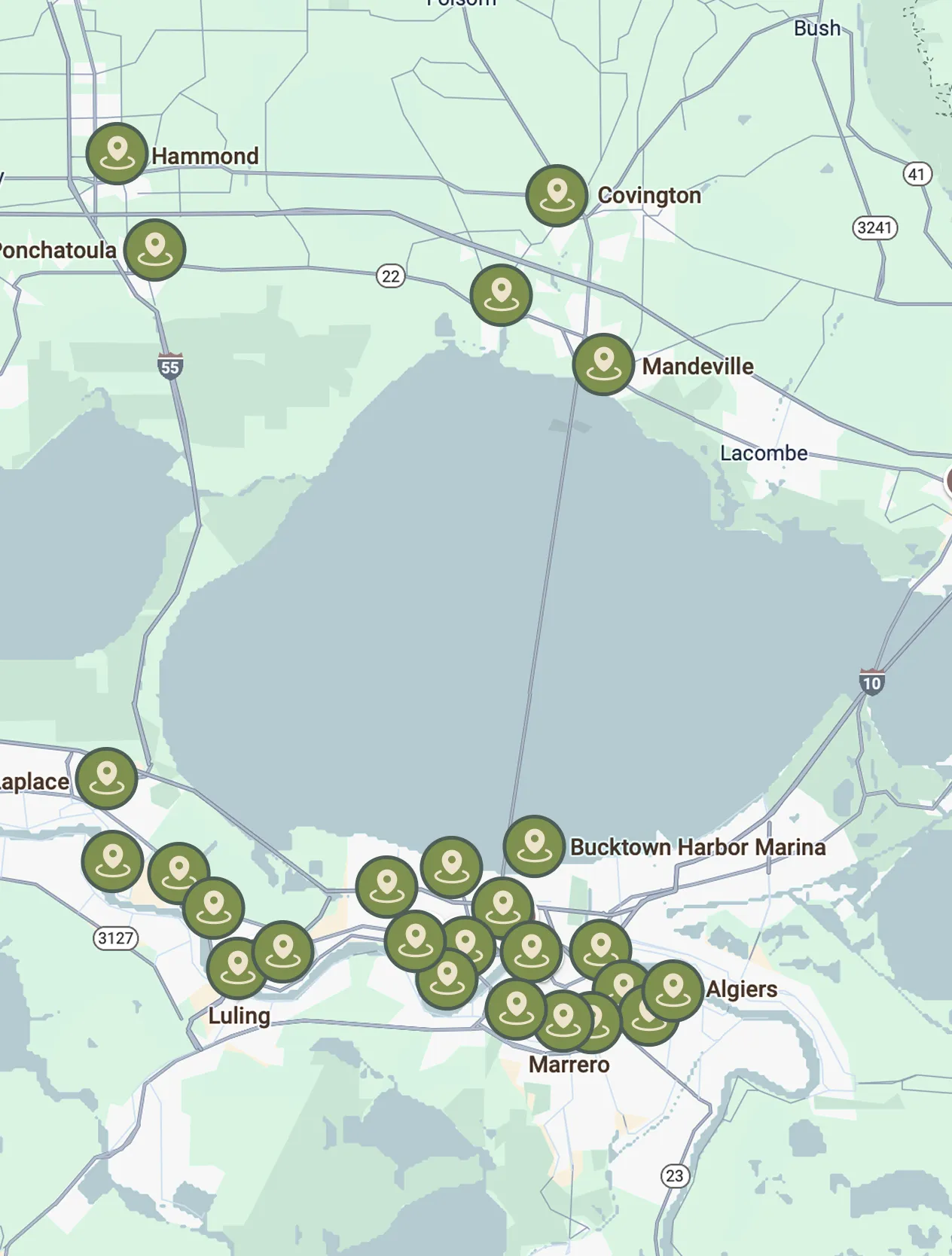
Our service areas are designed to meet the diverse needs of our clients. We focus on providing exceptional service and ensuring customer satisfaction in every location we operate.