Heating Installation in Luling, LA
.webp)
An efficient, properly sized heating system from Cypress Cooling keeps your Luling, LA, home comfortable through occasional cold snaps while working with the Gulf Coast climate to avoid excess energy use and humidity issues. Cypress Cooling explains the full process for new heating system installation in Luling, LA — from pre install consultation and system selection to permits, professional installation steps, post install testing, warranties, timelines, homeowner preparation, and common financing options. The goal is to help you understand what to expect so you can make an informed decision and get reliable heating that fits local needs.

Heating Installation in Luling, LA
An efficient, properly sized heating system keeps your Luling, LA home comfortable through occasional cold snaps while working with the Gulf Coast climate to avoid excess energy use and humidity issues. This page explains the full process for new heating system installation in Luling, LA — from pre-install consultation and system selection to permits, professional installation steps, post-install testing, warranties, timelines, homeowner preparation, and common financing options. The goal is to help you understand what to expect so you can make an informed decision and get reliable heating that fits local needs.
Why local climate and home factors matter
Luling experiences mild winters but high humidity and salt-air exposure due to proximity to the Mississippi River and Gulf influences. These factors affect system selection and installation decisions:
- Heat pumps are often the most energy-efficient choice in mild-climate Luling homes because they both heat and cool effectively.
- Gas furnaces remain an option for homes with existing gas infrastructure or for homeowners preferring combustion heating during rare cold spells.
- Corrosion-resistant outdoor equipment and proper drainage are important because of humidity and occasional flooding risk.
- Ductwork sealing and insulation help prevent moisture-related efficiency losses and maintain indoor air quality.
Common heating installation types in Luling, LA
- Ducted heat pump systems (split systems)
- High-efficiency gas furnaces (paired with existing ductwork)
- Mini-split heat pump systems for homes without ducts or for zoned heating
- Hybrid systems (heat pump with gas furnace backup)
- Packaged rooftop or packaged terminal systems for certain home configurations
Typical pre-install consultation and sizing
A thorough pre-install consultation includes:
- Home walkthrough to review existing equipment, duct layout, utility connections, and site conditions
- Assessment of insulation levels, window performance, and typical occupancy/usage patterns
- Manual J load calculation to determine accurate heating capacity needs (not just relying on square footage)
- Discussion of system types, energy efficiency ratings (SEER and HSPF for heat pumps, AFUE for furnaces), expected operating costs, and indoor comfort goals
Accurate sizing is critical. Oversized units short-cycle, reducing comfort and equipment life. Undersized units struggle during cold snaps. Manual J and ductwork evaluations ensure the correct system size and airflow.
Ductwork, ventilation, and indoor air considerations
Proper ductwork and ventilation are essential for performance and indoor comfort:
- Duct inspection and modification: sealing leaks, repairing damaged sections, and adding insulation where ducts run through unconditioned spaces
- Return-air pathways: ensuring adequate returns in each major zone to balance airflow
- Vent placement: optimizing supply registers to reduce drafts and cold spots
- Ventilation and humidity control: pairing heating with proper ventilation or a dehumidification strategy to manage Gulf Coast humidity
- Combustion air and venting for gas systems: correct venting and combustion air supply to meet safety codes
Permits and code compliance in Luling
New installations must comply with local and state building codes and may require permits issued by St. Charles Parish or other jurisdictional authorities. Typical permit-related steps:
- Submitting equipment specifications and load calculations for permit review
- Ensuring installation meets Louisiana mechanical, gas, and electrical codes
- Scheduling local inspections for gas piping, electrical connections, and final HVAC workProfessional installers coordinate permitting and inspection scheduling to ensure safe, code-compliant work.
Professional installation procedures
A standard professional installation sequence typically includes:
- Finalizing system selection and ordering equipment based on site-specific requirements
- Site preparation: protecting floors, clearing work areas, and verifying access
- Removing old equipment safely and disposing of it in accordance with local regulations
- Installing new equipment: mounting outdoor units, setting indoor air handlers or furnaces, running refrigerant lines or gas and electrical connections
- Duct modifications and sealing, plus adding necessary insulation and supports
- Electrical work and thermostat installation, including smart or zoning thermostats if selected
- Combustion testing and vent checks for gas systems
- System startup, refrigerant charge verification (for heat pumps), and airflow balancing
Installers follow manufacturer specifications and local codes throughout to protect warranties and ensure long-term reliability.
Post-install testing and homeowner walkthrough
After installation, expect thorough commissioning and a homeowner orientation:
- Performance testing: verifying temperature rise for furnaces, correct refrigerant charge and pressures for heat pumps, and adequate airflow
- Safety checks: carbon monoxide testing and venting verification for combustion systems
- Thermostat programming: setting schedules and demonstrating energy-saving modes or zoning controls
- Walkthrough: reviewing system components, filter locations and replacement schedules, maintenance recommendations, and warranty terms
A clear walkthrough ensures you know how to operate the system and what maintenance keeps performance optimal.
Warranties and service plans
New systems typically include:
- Manufacturer parts and compressor warranties (vary by brand and model)
- Limited labor warranties from professional installers (coverage terms and durations vary)
- Optional extended warranties or annual service plans that include seasonal tune-ups, priority scheduling, and discounted repairs, Confirm what is covered, any required maintenance to keep warranties valid, and the process for service visits.
Expected timelines and homeowner preparation
Typical timeline:
- Pre-install consultation and sizing: 1 to 7 days depending on scheduling
- Permit approval: a few days to 2 weeks depending on parish processing
- Installation: 1 to 3 days for most residential systems; complex projects (duct replacement or multi-zone systems) may take longer
- Final inspection and commissioning: usually completed on the final day of installation or within a few days
Homeowner preparation checklist:
- Clear access to equipment and work areas
- Secure pets and valuables
- Ensure parking access for service vehicles
- Plan for brief interruptions of heating or cooling during installation
Financing options to make installation affordable
Common financing pathways that homeowners explore include:
- Low-interest home improvement loans or personal loans
- Manufacturer financing programs for qualified buyers
- Contractor financing with fixed monthly payments
- Energy-efficient incentives or utility rebates that reduce upfront costs (availability varies; check local St. Charles Parish and utility programs)
- Spreading payments via home equity options for larger projects
Ask your chosen installer or financing provider about eligibility, terms, and documentation required for application.
Long-term benefits and maintenance advice
A properly installed, correctly sized heating system delivers:
- Improved comfort with fewer temperature swings and more consistent indoor conditions
- Lower energy bills when matched to home needs and climate
- Extended equipment life and fewer breakdowns with routine maintenance priorities:
- Replace or clean filters regularly
- Schedule annual or biannual tune-ups (heat pump maintenance both fall and spring is common in mild climates)
- Keep outdoor unit clear of debris and maintain proper drainage
- Seal and insulate ductwork and keep vents unobstructed
Choosing the right system and installer for Heating Installation in Luling, LA reduces operating costs, improves comfort, and ensures compliance with local codes and environmental conditions.
OUR CLIENTS HAVE TO SAY ABOUT US



Service areas
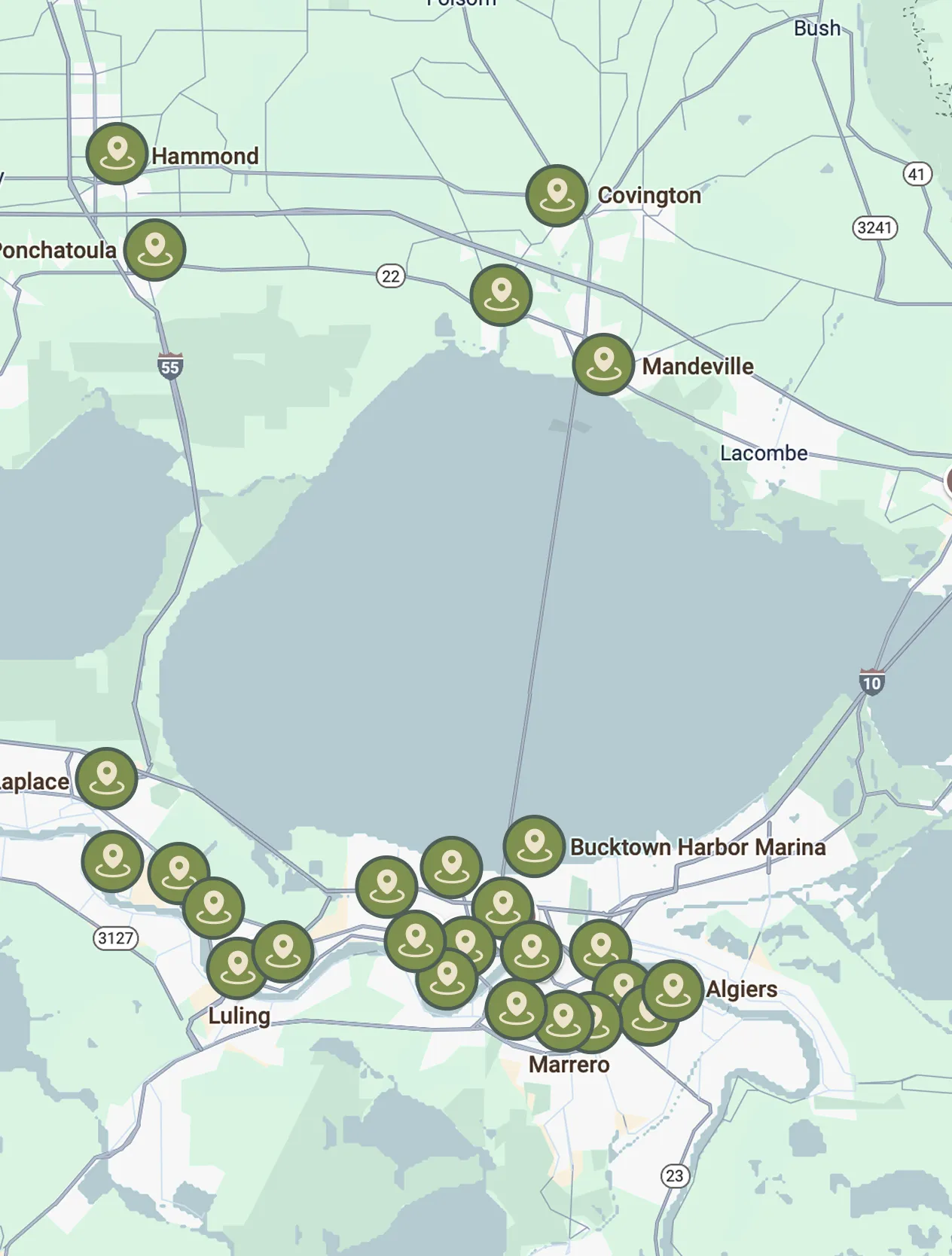
Our service areas are designed to meet the diverse needs of our clients. We focus on providing exceptional service and ensuring customer satisfaction in every location we operate.