Heating Repair in Luling, LA
.webp)
Cypress Cooling offers comprehensive heating repair services in Luling, LA, addressing common issues in gas furnaces, heat pumps, and ductwork with clear, step by step diagnostics and practical repair solutions. We understand how coastal conditions contribute to corrosion and will explain what to expect during our on site assessments, including typical timelines for parts availability and emergency response. Cypress Cooling employs highly credentialed technicians who adhere to strict safety protocols. We'll also discuss warranty considerations and provide preventive maintenance tips to minimize future breakdowns. Trust Cypress Cooling for timely diagnostics and informed repair decisions to maintain reliable, efficient heating through cold snaps, saving you energy and reducing costs.
Heating Repair in Luling, LA
Keeping your home or light-commercial property comfortable during Luling winters and cool snaps depends on timely, accurate heating repair. Whether you have a gas furnace, heat pump, ductless mini split, or packaged unit, diagnosing the real cause of a malfunction and applying the correct repair stops small issues from turning into complete system failures. This page explains common heating problems seen in Luling, LA homes and businesses, how technicians diagnose them step by step, typical repairs and parts replaced, expected timelines, emergency response practices, technician credentials and safety checks, warranty considerations, and practical tips to reduce future breakdowns.
Why local factors in Luling matter
Luling’s mild winters still include occasional cold snaps and high humidity year-round. Many homes use heat pumps and packaged systems that must handle humid air and near-coastal conditions. Salt air and persistent moisture accelerate corrosion on outdoor components, and older homes in St. Charles Parish can have dated ductwork or undersized systems. These local influences change which repairs are most common and why routine inspections are essential.
Common heating issues in Luling, LA
- Thermostat problems: incorrect calibration, dead batteries, wiring faults, or failing smart thermostats causing short cycling or no heat.
- Ignition failures and pilot issues: electronic igniters, hot surface igniters, or pilot assemblies failing to light in gas furnaces.
- Airflow problems: dirty filters, blocked returns, failing blower motors, or collapsed/leaky ducts causing weak heat delivery.
- Strange noises: rattling, squealing, knocking, or loud vibrations pointing to worn bearings, loose panels, or failing blower wheels.
- Refrigerant and heat pump faults: low refrigerant, reversing valve issues, or failed defrost controls causing poor heating performance.
- Electrical failures: blown capacitors, relays, control board faults, or tripped breakers interrupting operation.
- Safety/combustion concerns: cracked heat exchangers, improper venting, or carbon monoxide risks requiring immediate attention.
Step-by-step diagnostic procedure
- Initial symptom intake: technician documents observed symptoms, system age and model, recent maintenance, and any error codes reported by the controller.
- Visual and safety inspection: inspect air intakes, outdoor unit, condensate drains, venting and flue, and look for obvious signs of damage or corrosion.
- Power and control verification: confirm thermostats, breakers, fuses, and control board functionality. Check wiring and communication signals.
- Ignition and combustion testing (gas systems): test ignitor or pilot, gas valve operation, flame quality, and perform carbon monoxide checks where appropriate.
- Airflow and distribution testing: measure return and supply airflow, inspect filters, examine duct connections and dampers, and listen for abnormal blower sounds.
- Refrigerant and heat pump checks: attach gauges to assess pressures, test compressor and reversing valve operation, and check defrost cycle performance.
- Component-level testing: test motors, capacitors, contactors, limit switches, sensors and safety interlocks with meters and diagnostic tools.
- Diagnosis and estimate: technician documents failed components, explains repair options, parts needed, and provides a timeline for repair.
Typical repairs and parts replaced
- Thermostats and control modules: recalibration or replacement of older controls.
- Igniters, flame sensors, pilot assemblies, and gas valves for furnace ignition issues.
- Blower motors, capacitors, belts, and blower wheels to restore airflow.
- Control boards, relays, and limit switches to correct electrical faults.
- Heat exchangers or repairs to flue assemblies when corrosion or cracks are detected (safety-first approach).
- Refrigerant leak repair, compressor replacement, reversing valves, and defrost controls for heat pump systems.
- Duct sealing and return improvements to fix pressure imbalances and reduce energy loss.
- Condensate drain cleaning and replacement of clogged traps or PVC lines.
Expected timelines and response details
- On-site diagnostic visit: typically 30 minutes to 1 hour for straightforward residential systems; larger or commercial systems may take longer.
- Common repairs (thermostat, filter, capacitor, basic blower work): often completed during the same visit when parts are in stock.
- Parts-ordered repairs (specialty control boards, compressors, heat exchangers): commonly 1 to 3 business days depending on availability.
- Complex or commercial jobs: may require coordination and multiple visits; allow several days for planning and parts procurement.
- Emergency and after-hours response: many service operations provide after-hours triage and emergency dispatching to diagnose urgent safety-related failures and secure the site. Response time depends on severity, technician availability, and weather conditions.
Technician credentials and safety protocols
- Certifications: look for technicians with recognized HVAC certifications such as NATE or equivalent, and EPA 608 certification for refrigerant handling.
- Gas safety and licensing: competent handling of gas appliances requires licensed technicians experienced with local gas codes and pressure testing.
- Safety checks: carbon monoxide testing, combustion analysis, pressure checks, and verification of venting integrity are standard for gas systems.
- Jobsite protocols: technicians should use personal protective equipment, secure power isolation before repairs, follow electrical lockout-tagout best practices, and document all safety checks and test results.
- Background and training: ongoing technical training, manufacturer-specific training for controls and heat pump systems, and routine competency assessments help ensure high-quality repairs.
Warranty and parts information
- OEM vs aftermarket parts: OEM parts generally maintain manufacturer warranties; aftermarket parts may vary in quality and warranty length.
- Parts and labor warranties: many repairs include a limited parts warranty and a separate labor warranty. Verify what is covered and any conditions that void coverage (for example, improper maintenance).
- Manufacturer warranties: some components (compressors, heat exchangers) may still be under original manufacturer warranty, especially in newer installations. Technicians can help document and submit warranty claims when applicable.
- Documentation: always retain service records, part numbers, and diagnostic notes to support warranty claims and future service decisions.
Preventive tips to avoid future breakdowns
- Change or clean air filters regularly, typically every 1 to 3 months depending on use and indoor air quality.
- Schedule an annual heating tune-up before the cold season; in Luling, consider a late fall inspection to prepare for cold snaps.
- Keep outdoor units clear of debris, foliage, and standing water; coastal humidity increases corrosion risk.
- Maintain proper thermostat settings and consider programmable or smart thermostats to reduce cycling.
- Seal and insulate ductwork in crawlspaces and attics to prevent energy loss and reduce strain on the system.
- Address odd noises or performance changes early; small symptoms often predict larger failures.
What to expect when arranging service
When you request service, a technician will typically ask for system details (make, model, age), a description of symptoms, and whether the issue is ongoing or intermittent. Expect a pre-visit triage to prioritize safety concerns. On arrival, the technician will perform diagnostics, explain findings in plain terms, and outline repair options with expected timelines. Documentation of tests and replaced parts should be provided at the end of the visit for your records.
Proper heating repair protects comfort and safety while extending equipment life. In Luling, LA, addressing humidity-related corrosion, aging ductwork, and heat pump-specific issues with regular diagnostics and timely repairs is especially important to avoid inconvenient breakdowns during cold snaps. Regular maintenance coupled with targeted repairs keeps systems efficient, safe, and reliable.
OUR CLIENTS HAVE TO SAY ABOUT US



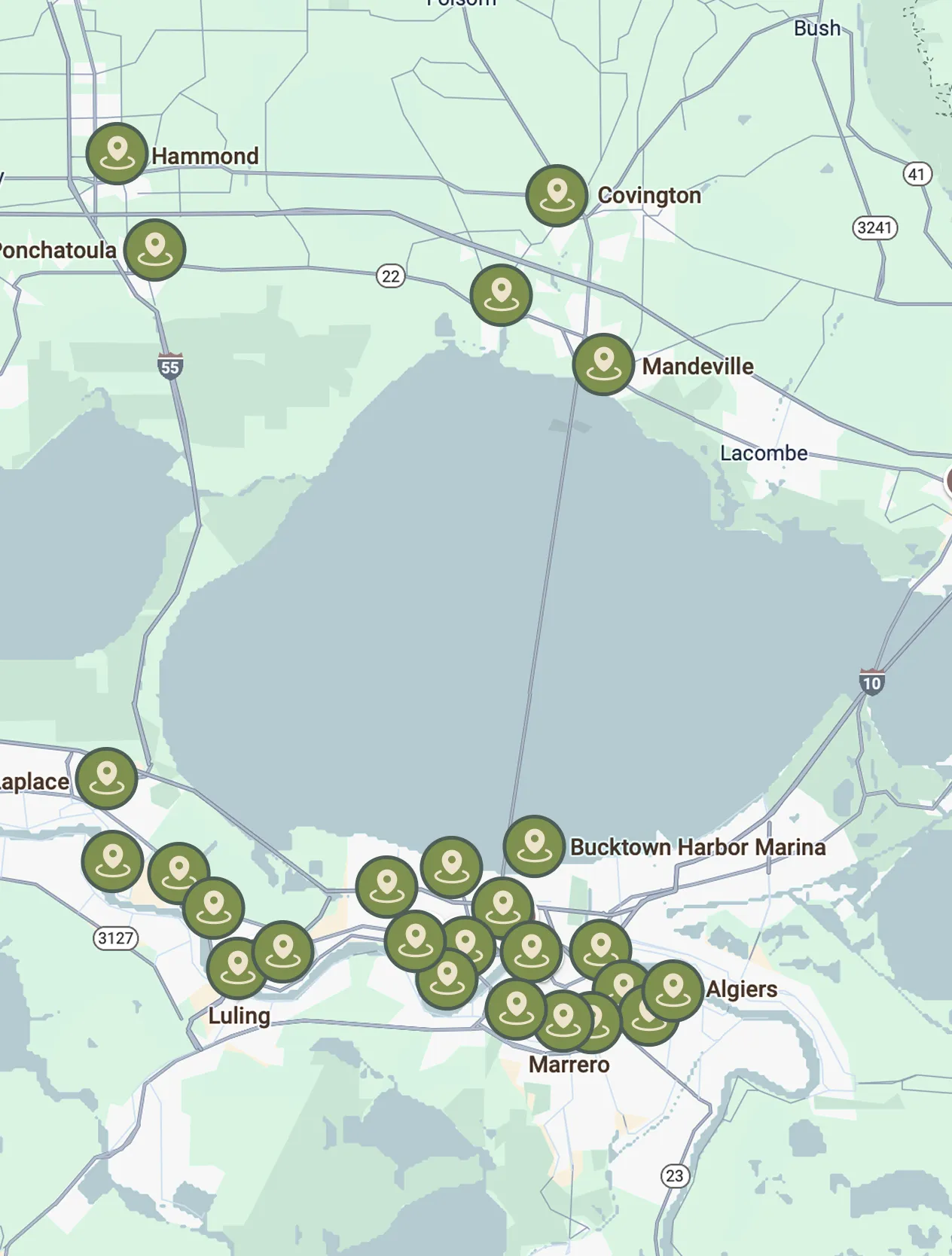
Service areas
Our service areas are designed to meet the diverse needs of our clients. We focus on providing exceptional service and ensuring customer satisfaction in every location we operate.