Heating Repair in Harahan, LA
.webp)
Cypress Cooling offers Heating Repair in Harahan, LA, providing fast diagnostics and meticulous repairs for residential and commercial heating systems, including furnaces, heat pumps, rooftops, and boilers. We outline common symptoms, a structured diagnostic process, and typical repair procedures, including filter changes, heat exchanger and blower replacements, as well as the parts most often used. Cypress Cooling also covers technician qualifications, warranties, emergency options, scheduling expectations, and preventive maintenance benefits, emphasizing the coastal climate considerations that impact corrosion and reliability in Harahan.
%2520(6)-min.jpeg)
Heating Repair in Harahan, LA
When your heating system fails, you need fast, reliable diagnostics and repairs that restore comfort and protect safety. Heating Repair in Harahan, LA covers residential and commercial systems, from furnaces and heat pumps to packaged rooftop units and hydronic boilers. Because Harahan experiences humid subtropical weather with mild winters but occasional cold snaps and corrosive coastal air, heating systems here face unique stresses that can lead to premature wear, efficiency loss, and safety concerns. This page explains common symptoms, what a thorough diagnostic looks like, typical repair procedures, technician qualifications, warranty expectations, emergency response options, and what to expect when scheduling service.
Common heating problems in Harahan homes and businesses
Recognizing symptoms early reduces risk and repair costs. Common heating repair issues in Harahan include:
- No heat at all - system fails to turn on or runs but produces no warm air
- Uneven heating - hot and cold rooms, or thermostats that do not match actual temperatures
- Short cycling - system starts and stops frequently, increasing wear and energy use
- Strange noises - banging, rattling, squealing, or pinging coming from the unit or ductwork
- Weak airflow - reduced output from registers despite the fan running
- Persistent odors - burning or chemical smells, which can indicate electrical faults or blocked combustion
- Pilot or ignition failures - intermittent pilot light or electronic ignition problems on gas systems
- Elevated energy bills - known baseline use rises without changes in occupancy
- Carbon monoxide concerns - malfunctioning combustion equipment that triggers alarms or produces symptoms like headaches or nausea
Harahan’s humidity and occasional salt-laden breezes can accelerate corrosion on outdoor units, flues, and electrical connections, making visual inspection and corrosion-resistant parts important.
Diagnostic process: how technicians identify the problem
A systematic diagnostic separates quick fixes from deeper faults. A typical diagnostic for Heating Repair in Harahan, LA includes:
- Safety checks
- Verify power, fuel supply, and that carbon monoxide and smoke detectors are functional
- Inspect for gas odor, water leaks, or visible flame instability
- Control and thermostat evaluation
- Confirm thermostat settings and wiring
- Check control board codes and sequence of operation
- Visual and mechanical inspection
- Inspect burners, heat exchanger, pilot or ignition assembly, blower, belts, and motors
- Examine filters, ductwork, vents, and condensate drains
- Performance testing
- Measure temperature rise across the heat exchanger or coils
- Test airflow and static pressure, and confirm safe combustion with flue draft checks
- Electrical diagnostics
- Check capacitors, relays, transformers, and wiring for continuity and voltage
- Diagnostic report
- Provide a clear description of findings, prioritized repair options, estimated time, and parts likely needed
A comprehensive diagnostic reduces guesswork and helps property owners understand immediate safety fixes versus long-term solutions.
Typical repair procedures and common replacement parts
Repairs focus on restoring safe, efficient operation. Typical procedures include:
- Replacing clogged filters, cleaning burners, and adjusting fuel-air mixture to restore combustion efficiency
- Repairing or replacing ignition modules, pilot assemblies, or gas valves on gas furnaces
- Replacing or rebuilding blower motors, belts, pulleys, and fan assemblies to restore airflow
- Repairing or replacing heat exchangers when cracked or compromised; note that heat exchanger replacement is a major repair due to safety implications
- Fixing control boards, relays, capacitors, and thermostats to restore reliable sequencing
- Sealing or repairing duct leaks, insulating ducts, and balancing airflow to eliminate uneven heating
- Servicing heat pumps: reversing valve repairs, compressor work, and refrigerant leak detection and repair
- Addressing condensate drain clogs and corrosion-related issues on outdoor components
Common parts used in Heating Repair in Harahan, LA: filters, igniters, thermocouples, gas valves, control boards, blower motors, capacitors, belts, heat exchangers, pilot assemblies, thermostats, zone valves, and duct sealing materials.
Technician qualifications and certifications
Qualified technicians follow standards for safety and performance. Look for technicians with credentials such as:
- NATE certification (North American Technician Excellence) indicating hands-on competency
- HVAC Excellence or similar industry certifications for technical proficiency
- EPA Section 608 certification for refrigerant handling, required for heat pump work
- Local licensing where applicable and proof of continuing education on code and safety updates
- Training in combustion analysis, carbon monoxide safety, and high-efficiency system diagnostics
Technicians should carry tools for electrical measurement, combustion analyzers for gas equipment, and diagnostic equipment for airflow and pressure testing.
Parts, warranties, and documentation
Understanding warranties protects your investment. Typical warranty information for heating repairs includes:
- Manufacturer warranties on new parts, which vary by component and brand and may extend for multiple years for major components
- Limited labor warranties on repairs that can range from 30 days to a year depending on provider policies
- Warranty voidance warnings if repairs are not performed following the manufacturer’s instructions or if recommended maintenance is neglected
After diagnostics and repairs, expect a clear invoice or report listing replaced parts, serial numbers if applicable, test results, and suggested follow-up maintenance to maintain warranty coverage.
Emergency response and safety protocols
Heating failures can create urgent safety risks in cold weather and with gas systems. Emergency response options commonly offered include:
- 24 hour response or prioritized dispatch for no-heat situations during colder periods
- Immediate safety triage for suspected gas leaks or carbon monoxide alerts including shutting down equipment and ventilating spaces
- Temporary measures such as safe shutdown, temporary heat sources guidance, and prioritized replacement scheduling for critical failures
Safety protocols emphasize shutting off fuel sources when leaks or combustion failures are suspected, leaving equipment untouched until qualified technicians can evaluate, and using functioning carbon monoxide detectors.
Scheduling a service call and what to expect
Scheduling heating repair typically follows a straightforward process designed to set expectations:
- Provide system type, symptoms, model numbers, and any recent service history when requesting an appointment
- Expect a diagnostic fee for on-site evaluation that is applied toward repair if authorized
- Technicians arrive during a scheduled window with diagnostic equipment and common replacement parts for faster repairs
- Typical onsite diagnostics and basic repairs take one to a few hours depending on complexity; major component replacements may require ordering parts and a follow-up visit
- You will receive a written estimate for repairs beyond the initial diagnostic scope, with an explanation of safety-critical items and longer-term recommendations
Before a technician arrives, clear access to the unit and thermostat, note any unusual sounds or odor history, and have model numbers available when possible to speed diagnosis.
Preventive maintenance and long-term benefits
Timely heating repair and routine maintenance improve safety, efficiency, and equipment life. Benefits include:
- Lower energy bills through restored efficiency
- Reduced risk of breakdowns during cold snaps
- Extended service life of major components
- Improved indoor comfort and air quality
- Compliance with manufacturer maintenance requirements to preserve warranties
Simple seasonal steps like changing filters regularly, keeping outdoor units clear of debris, and scheduling annual tune-ups help limit emergency repairs and maintain reliable operation in Harahan’s coastal climate.
OUR CLIENTS HAVE TO SAY ABOUT US



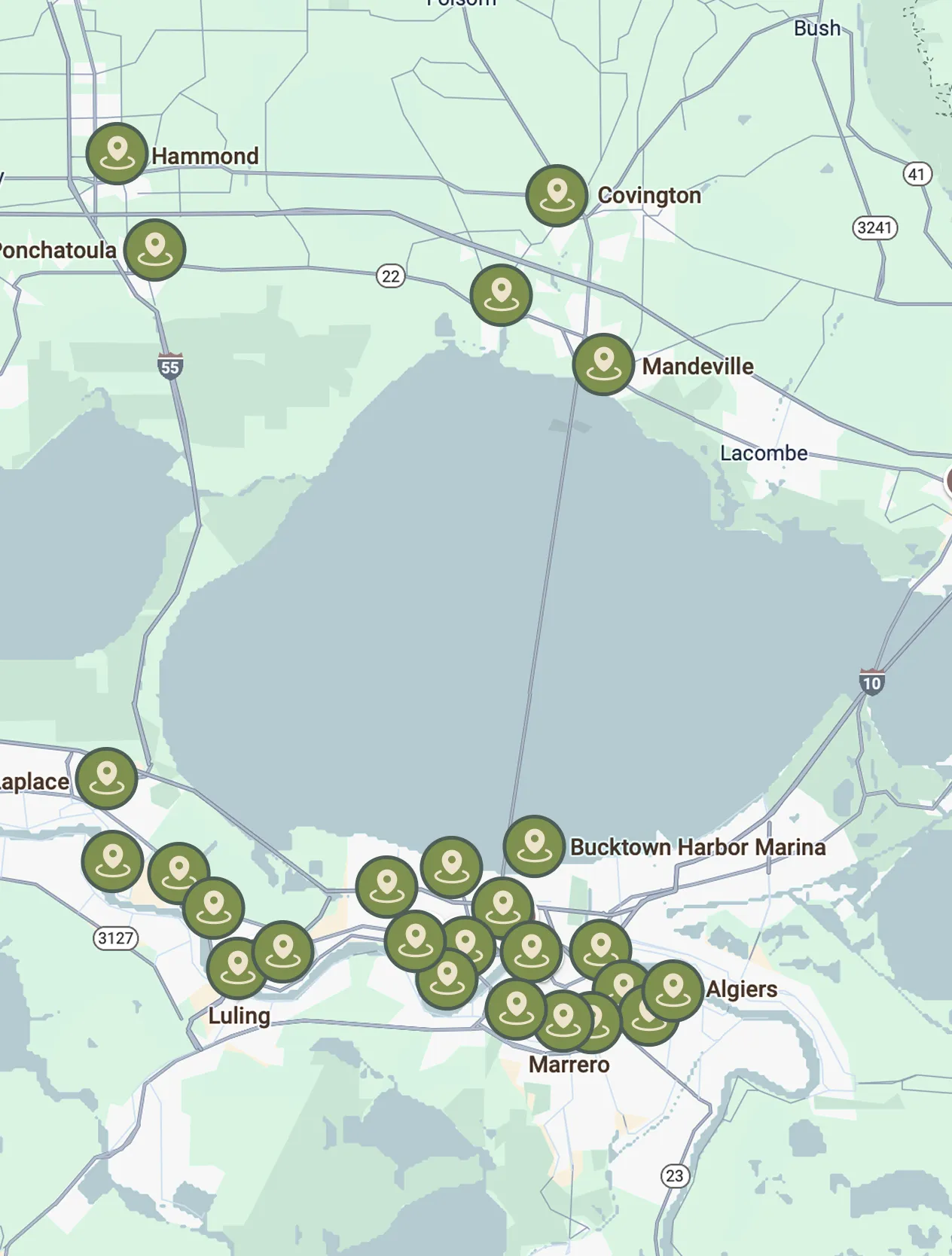
Service areas
Our service areas are designed to meet the diverse needs of our clients. We focus on providing exceptional service and ensuring customer satisfaction in every location we operate.