Heating Installation in Harahan, LA
.webp)
Cypress Cooling provides a complete heating installation process for Harahan, LA, covering everything from accurate load calculations to final system commissioning. Our professionals meticulously size equipment using Manual J and D analyses, carefully evaluate insulation and ductwork, and select the appropriate fuel type, efficiency rating, and climate suitable systems such as heat pumps, gas furnaces, or hybrid units. The Cypress Cooling process includes professional installation steps, permit compliance, rigorous safety inspections, and thorough system commissioning, followed by comprehensive post installation support and a detailed maintenance plan to ensure ongoing comfort, efficiency, and optimal indoor air quality.
Heating Installation in Harahan, LA
Choosing the right heating system and having it installed correctly is about more than comfort. In Harahan, LA, where winters are mild but occasional cold snaps occur, a properly sized, professionally installed heating system delivers reliable warmth, efficient operation, and improved indoor air quality. This page explains the full heating installation process for Harahan homes, including load calculations and unit sizing, equipment selection guidance, professional installation steps, permit and safety considerations, commissioning and testing, and post-installation support and maintenance plans.
Why a proper heating installation matters in Harahan, LA
Harahan sits in a humid subtropical climate. Heating loads are generally lower than in northern climates, but factors such as high humidity, older home construction, elevated indoor moisture, and occasional cold fronts mean the right equipment choice is crucial. An oversized system will short cycle, reducing comfort and lifespan. An undersized system will struggle during cold spells. Proper installation also mitigates corrosion risk from coastal air, ensures safe fuel and electrical connections, and balances heating with dehumidification and ventilation needs.
Common heating system types for Harahan homes
- Heat pumps (air source and ductless mini-split): Efficient in mild climates, provide both heating and cooling, commonly recommended for Louisiana homes.
- Gas furnaces: Popular where natural gas is available; good for quick, forced-air heat during colder stretches.
- Hybrid systems (heat pump with a gas furnace backup): Offer efficiency with reliable backup for rare deep cold events.
- Electric resistance or baseboard: Less common for whole-home systems due to higher operating costs, sometimes used for supplemental heat.
- Ductless mini-splits: Ideal for older homes without ductwork or for room-by-room comfort control.
Common heating installation issues in Harahan, LA
- Incorrect unit sizing causing short cycling or inadequate heat
- Poorly sealed or undersized ductwork reducing system efficiency
- Inadequate refrigerant charge or improper airflow in heat pumps
- Improper combustion air and venting for gas systems
- Lack of corrosion protection for outdoor equipment exposed to humid, salty air
- Failure to obtain required local permits and inspections
Load calculations and unit sizing
Accurate load calculation and proper unit sizing are the foundation of any successful heating installation.
- Manual J heating load calculation: This industry standard evaluates your home’s square footage, insulation levels, window types, orientation, air infiltration, and local climate data to determine the heating demand. Expect a room-by-room breakdown when a professional performs this assessment.
- Manual D duct design: If you have or are installing ductwork, a Manual D analysis ensures ducts are sized and balanced to deliver the correct airflow to each room.
- Why sizing matters: In Harahan’s climate, oversized units cycle on and off frequently, reducing dehumidification and comfort while increasing wear. Undersized units will run continuously without reaching set temperatures during cold spells.
- What homeowners should expect: A technician will inspect insulation, windows, existing ductwork, and attic/basement conditions, then provide recommended capacities in BTU or tons along with expected performance.
Equipment selection guidance
Selecting the right equipment involves matching the load calculation to the system type and features that fit your home and priorities.
Factors to consider:
- Fuel type availability and cost: natural gas, electricity, or propane
- Efficiency ratings: AFUE for furnaces and HSPF/SEER for heat pumps and mini-splits
- Climate suitability: heat pumps are efficient here, but consider cold-climate models or hybrid systems if you experience frequent cold snaps
- Ductwork condition: existing ducts that are leaky or undersized may require repair or replacement; ductless systems are an option for homes without ducts
- Corrosion resistance: choose equipment with protective coatings or elevated placement if exposed to salty or humid air
- Noise levels and indoor placement: consider inverter-driven units or models with sound-reducing features for quieter operation
Professional installation steps
A professional installation follows an organized process to ensure safety and optimal performance:
- Site evaluation and measurements
- Removal and disposal of old equipment in accordance with local regulations
- Installation of new equipment, including mounting, refrigerant lines, duct connections, gas piping or electrical hookups
- Upgrades as needed: duct sealing and insulation, thermostat installation (programmable or smart), combustion venting and flue installation
- Safety checks during installation: gas leak tests, electrical connections, proper clearances, and condensate drainage pathways
- Final system startup and performance verification
Expect installers to follow manufacturer installation procedures and industry standards. For heat pumps, correct refrigerant charge and airflow are critical. For gas furnaces, proper venting and combustion safety checks are essential.
Permit and safety considerations in Harahan
Local permitting and code compliance protect homeowners and ensure installations meet safety standards.
- Permits: Heating system replacements and major HVAC work typically require permits through the Jefferson Parish building or inspections office. A licensed professional should obtain required permits and arrange inspections.
- Gas safety: Gas piping and burner connections must meet code, and combustion tests or CO checks are standard for furnaces.
- Electrical safety: Proper circuit sizing, grounding, and disconnects are required for all electrical components.
- Venting and combustion air: Proper flue installation and combustion air intake prevent backdrafting and buildup of harmful gases.
- Location-specific concerns: Coastal-influenced humidity and salt exposure in the New Orleans metro area mean outdoor equipment placement and corrosion protection are important safety and longevity considerations.
System commissioning and testing
Commissioning ensures the new system performs as designed:
- Verify airflow at supply and return registers and adjust fan speeds if necessary
- Measure temperature rise across furnaces and verify heating output
- Check refrigerant charge and superheat/subcooling for heat pumps
- Test thermostats and control sequences, including heat pump defrost cycle and emergency heat operation
- Run safety controls and shutoffs to confirm proper operation
- Perform combustion analysis and carbon monoxide tests for gas systems
- Provide homeowner walkthrough explaining operation, filter location, and basic troubleshooting
Post-installation support and recommended maintenance plans
Proper upkeep extends system life and keeps performance optimized.
Recommended maintenance items:
- Change or clean filters every 1 to 3 months depending on filter type and indoor conditions
- Annual tune-up for heat pumps: clean coils, check refrigerant, inspect reversing valve, verify defrost operation
- Annual furnace service: inspect burners, test ignition system, check heat exchanger for cracks, verify venting and flue integrity
- Duct inspection every few years: seal leaks, add insulation if needed, and clean if significant dust or mold is present
- Seasonal checks: ensure outdoor units are clear of debris, elevated above potential flood or heavy moisture zones, and protected from excessive salt or vegetation
Benefits of a maintenance plan:
- Sustained energy efficiency and lower monthly energy use
- Fewer unexpected breakdowns and longer equipment life
- Documented service history that can be valuable for resale or warranty claims
Final considerations for Harahan homeowners
Heating installation in Harahan, LA should be tailored to the region’s mild but humid climate. Heat pumps or hybrid systems often deliver the best combination of efficiency and year-round comfort, while attention to corrosion protection, proper sizing, ductwork condition, and code-compliant permits ensures safety and longevity. A thorough load calculation, professional installation, detailed commissioning, and a regular maintenance plan are the steps that lead to reliable winter comfort and optimized energy use in Harahan homes.
OUR CLIENTS HAVE TO SAY ABOUT US



Service areas
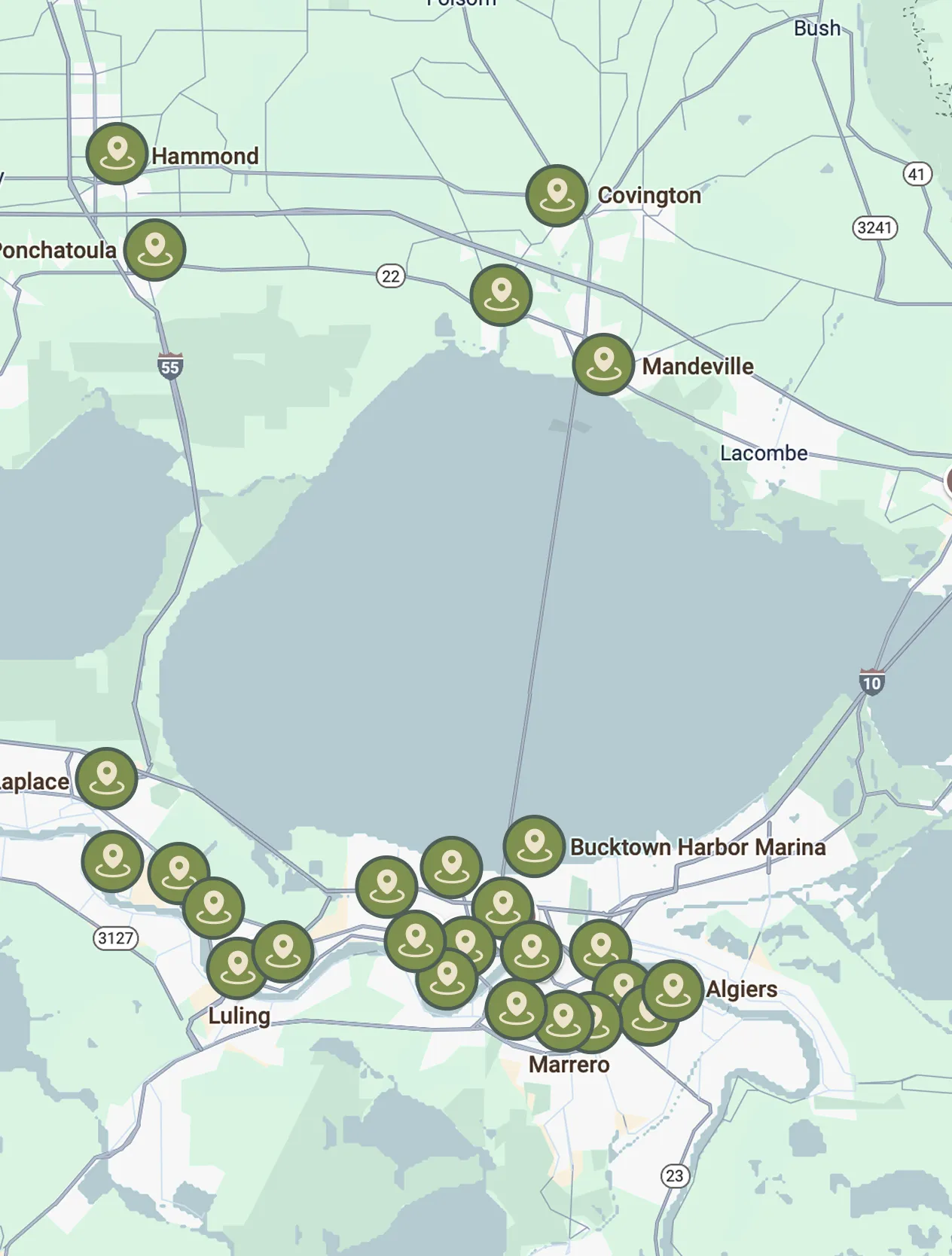
Our service areas are designed to meet the diverse needs of our clients. We focus on providing exceptional service and ensuring customer satisfaction in every location we operate.