Heating Maintenance in Harahan, LA
.webp)
Regular heating maintenance in Harahan, LA, ensures the safe and efficient operation of your furnaces, heat pumps, and boilers, and Cypress Cooling is your trusted partner. We address local climate factors like humidity, salt air, and seasonal demand. A professional tune up from Cypress Cooling includes multi point inspections, combustion safety checks, airflow optimization, refrigerant and heat exchanger assessments, electrical testing, and preventive adjustments. Homeowners benefit from lower energy costs, improved safety, extended equipment life, and peace of mind. Our maintenance plans tailor visit frequency and coverage to protect performance and warranties.
%2520(8)-min%2520(1).webp)
Heating Maintenance in Harahan, LA
Maintaining reliable, efficient heating in Harahan, LA keeps your home comfortable during Gulf Coast cold snaps and helps prevent unexpected breakdowns when you need heat most. Even though winters here are milder than in northern states, humid subtropical conditions, occasional freezes, and year-round allergens create unique wear patterns on heating systems. Regular, professional heating maintenance in Harahan, LA targets those local factors so your furnace, heat pump, or boiler runs safely, efficiently, and reliably.
Why routine and seasonal maintenance matters in Harahan
- Humidity and pollen accelerate coil and filter clogging, reducing airflow and efficiency.
- Heat pumps are common because of mild winters. They need attention both before heating season and after heavy cooling months.
- Occasional cold snaps place sudden demand on systems that sit idle most of the year, increasing the risk of failure if neglected.
- Salt air and river proximity can contribute to corrosion of outdoor components on split systems.
- Preventative care reduces the likelihood of carbon monoxide risk from combustion appliances and maintains indoor air quality.
Common heating systems and typical issues in Harahan homes
- Gas furnaces: common symptoms include yellow pilot lights, uneven heating, noisy burners, and soot buildup from incomplete combustion. Heat exchanger cracks are a serious safety concern.
- Heat pumps: frequent in the area. Watch for low heating capacity, excessive frost on outdoor coils, strange noises, and short cycling after temperature drops.
- Boilers: pressure loss, noisy operation, and sediment buildup are frequent complaints in older systems.
- Packaged systems and hybrid units: require checks of both refrigeration and combustion elements.
What a typical heating maintenance tune-up includes
A professional seasonal or annual tune-up is a multi-point inspection and performance service designed to catch small problems early and optimize system operation.
Core items often covered
- Filter inspection and replacement: Verify filter type and condition; replace standard filters every 1 to 3 months and higher efficiency filters per manufacturer recommendations.
- Combustion safety inspection: Check burners, ignition, flame sensor, venting, and flue for leaks or corrosion; measure combustion efficiency where applicable.
- Carbon monoxide and safety checks: Verify proper venting and test for signs of hazardous CO conditions on combustion appliances.
- Heat exchanger and system integrity: Visual inspection for cracks, corrosion, or signs of wear.
- Electrical and control checks: Tighten connections, test thermostats and control boards, verify safe operation of limit switches and safeties.
- Airflow and blower service: Clean blower wheel, inspect motor, measure static pressure to identify blocked ducts or undersized filters.
- Refrigeration checks for heat pumps: Inspect refrigerant charge, outdoor coil condition, defrost cycle function, reversing valve operation, and refrigerant lines.
- Lubrication and mechanical adjustments: Lubricate motors and bearings where applicable and adjust belts and pulleys.
- Efficiency and performance testing: Measure temperature rise across furnace, system operating pressures, and energy use patterns to identify inefficiencies.
- Condensate and drain inspection: Clear drains and check for blockages that cause water damage or microbial growth.
Diagnostic process: what technicians do and why it helps
A thorough diagnostic follows a consistent process so you get an accurate picture of system condition.
- Confirm system type and current settings, and review any recent symptoms.
- Inspect filters, vents, and accessible components for visible issues.
- Run the system through a full cycle and record operating numbers such as temperatures, pressures, and voltages.
- Compare readings to manufacturer specifications to identify deviations.
- Recommend corrective action with an explanation of safety, cost, and energy impact.
This methodical approach finds hidden problems like failing motors, clogged coils, or refrigerant leaks before they escalate to breakdowns or safety hazards.
Preventative benefits and homeowner outcomes
- Lower energy bills: Clean filters, properly adjusted burners, and correct refrigerant charge restore rated efficiency.
- Improved safety: Early detection of cracked heat exchangers or venting issues prevents carbon monoxide risk.
- Better comfort: Balanced airflow and calibrated controls eliminate hot and cold spots.
- Fewer emergency repairs: Replacing worn parts during a tune-up avoids inconvenient failures during cold weather.
- Extended equipment life: Regular lubrication, cleaning, and adjustments reduce wear and delay major replacements.
- Warranty compliance: Many manufacturers require annual maintenance to keep warranties valid.
Maintenance agreement options and what to expect
Maintenance plans commonly offered for Harahan homes include tiered options that match homeowner priorities.
Typical plan features
- Annual or biannual tune-ups timed to local seasons (fall for heating; spring for cooling checks on heat pumps).
- Priority scheduling for members during high-demand periods after storms or cold snaps.
- Discounted diagnostic fees or labor rates for covered repairs.
- Reminder service for filter changes and seasonal checks.
- Customized plans for multi-system homes or historic properties with special requirements.
For heat pump owners, consider a plan that includes two annual visits: one focused on cooling season recovery and one before the heating season. For gas furnaces or boilers, an annual heating-focused inspection in late fall ensures safe operation before sustained use.
Recommended service intervals for Harahan homes
- Gas furnace or boiler: Annual inspection and tune-up, ideally before the first sustained cold period.
- Heat pump: At least one annual tune-up; strongly recommended twice yearly if the system handles both heating and cooling for comfort and efficiency.
- Filters: Inspect monthly; replace every 1 to 3 months depending on filter type, household occupancy, pets, and local pollen.
- Ductwork: Visual inspection every 2 to 3 years, or sooner if airflow problems persist.
- Combustion venting and chimney: Inspect annually for corrosion, blockages, or damage from storms or salt air.
Simple homeowner maintenance between professional visits
- Check and change filters regularly to maintain airflow.
- Keep outdoor units clear of debris, leaves, and grass clippings.
- Ensure vents and returns inside the home are not blocked by furniture or curtains.
- Test carbon monoxide detectors monthly and replace batteries as needed.
- Clear drainage paths and watch for signs of water near equipment after heavy rain or humidity spikes.
Final note on value
Regular heating maintenance in Harahan, LA is an investment that pays in safety, predictable performance, and long-term savings. Tailoring inspection timing and plan features to local climate patterns, seasonal cooling load history, and proximity to river conditions ensures equipment runs the way it should when Harahan homeowners need it most.
OUR CLIENTS HAVE TO SAY ABOUT US



Service areas
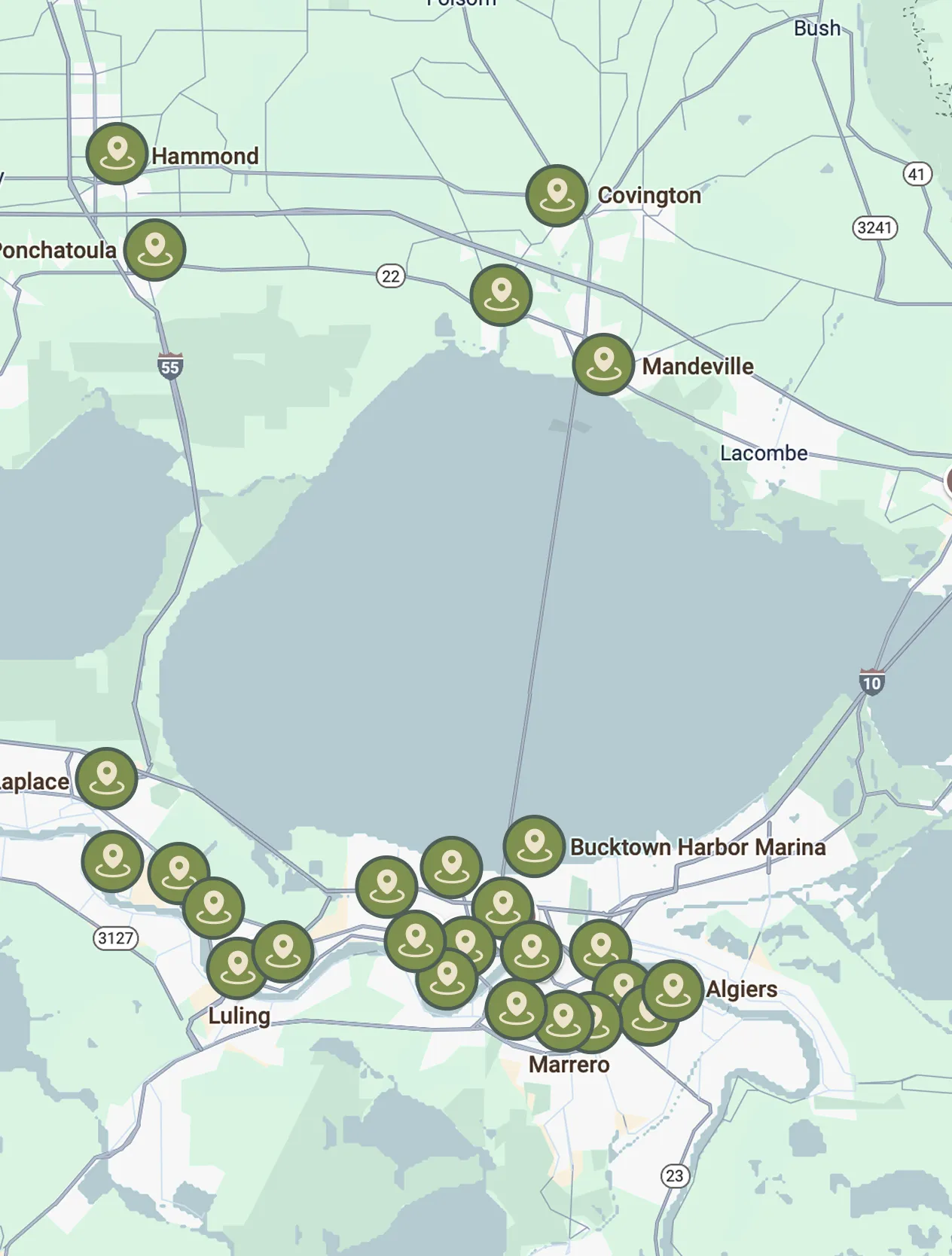
Our service areas are designed to meet the diverse needs of our clients. We focus on providing exceptional service and ensuring customer satisfaction in every location we operate.