Florida Room Heating & Air Conditioning in Norco, LA
.webp)
A Florida room can be a delightful addition to any Norco, LA home, offering a space to enjoy the outdoors while staying comfortable indoors. However, these rooms present unique challenges due to the long, hot, and humid summers, intense sun exposure, and mild winters. That's where Cypress Cooling comes in. We specialize in Florida room heating and air conditioning solutions tailored to each home. Our process begins with a thorough on-site assessment, culminating in a reliable, energy efficient system designed and sized specifically for your space and the local climate. With Cypress Cooling, your Florida room will remain comfortable, functional, and protected, all while maximizing energy efficiency and long term performance.

Florida Room Heating & Air Conditioning in Norco, LA
A Florida room can be one of the most enjoyable spaces in a Norco, LA home when it is comfortable year round. With long, hot, humid summers, strong sun exposure, and mild winters, Florida rooms in Norco face unique heating, cooling, moisture, and condensation challenges that require specialist attention. Cypress Cooling Company provides tailored Florida room heating and air conditioning solutions that begin with an on-site assessment and end with a reliable, energy-efficient system selected and sized specifically for the space and local climate. This page explains the common problems homeowners face, the diagnostic process, system options, humidity control strategies, retrofit choices for existing rooms, installation expectations, warranty and maintenance plans, and the practical benefits of converting a Florida room into a fully usable living area.
Why Florida rooms in Norco need specialized HVAC attention
Florida rooms are typically high-glass, sun-exposed spaces that challenge typical home HVAC systems. In Norco, where summer daytime temperatures frequently put high cooling loads on glass walls and roofs, and high humidity increases the risk of condensation and mold, a one-size-fits-all approach rarely works. Common issues include overheating in summer, cold drafts in winter, window and frame condensation, inadequate dehumidification, short-cycling of oversized equipment, and inefficient energy use. Addressing these problems requires assessment of sun exposure, glazing quality, insulation, load calculations, and appropriate system selection. Cypress Cooling Company designs Florida room HVAC solutions with these local factors in mind, improving comfort and protecting building components and furnishings.
Common Florida room issues in Norco, LA
- Excess solar heat gain during long sunny afternoons, causing the room to become unusable without heavy cooling.
- High indoor humidity and condensation on windows and wall surfaces after thunderstorms or during humid nights.
- Poor temperature balance compared with adjoining conditioned spaces due to inadequate or absent ducting.
- Short-cycling and frequent on/off operation when equipment is oversized relative to the room load.
- Uneven comfort and drafty corners when airflow is not properly distributed.
- Growth of mold or mildew on window seals, trim, and soft furnishings because moisture is not controlled.
- Increased energy bills when the existing home system struggles to handle the added glass area.
On-site assessment: what we check and why it matters
A reliable solution starts with an on-site assessment that identifies the causes of discomfort and the constraints of the space. Typical assessment steps include:
- Visual inspection of glazing type and shading: single, double, lowe coatings, and framing. High solar heat gain from single-pane or poorly coated glass requires different mitigation than modern lowe glazing.
- Measurement of sun exposure and orientation: east, west, south exposures have different peak heat timing that influences system sizing and shading strategies.
- Evaluation of insulation and thermal breaks in walls, floors, and roofs where applicable. Many Florida rooms were added as enclosed porches with limited insulation.
- Assessment of existing HVAC capacity and ductwork if the Florida room is connected to the home system. We inspect for duct routing, static pressure, and airflow balance.
- Moisture and condensation risk assessment: identifying areas with poor ventilation, thermal bridging, or cold spots prone to condensation and mold.
- Precise load calculation (Manual J) and duct design review (Manual D) where needed, to determine accurate cooling and heating capacity and proper distribution.
- Occupancy and use patterns: how often and when the room is used, furniture and equipment heat gains, and any special needs like home office equipment.
This site-specific data eliminates guesswork, avoids oversizing, and ensures the chosen system performs efficiently in Norco’s climate.
Load calculation and sizing: Manual J, Manual D, Manual S
Accurate sizing is critical. Toolarge equipment cools the air too quickly without adequately removing humidity, leading to clammy comfort and short equipment life. Toosmall equipment will run continuously without reaching target temperatures.
- Manual J load calculation determines the room’s heating and cooling requirements based on orientation, glazing, insulation, occupancy, and local weather data for Norco.
- Manual D calculates duct layout and sizing for balanced airflow when ducted solutions are chosen.
- Manual S helps select equipment based on calculated loads, efficiency ratings, and performance characteristics under realistic conditions.
Cypress Cooling Company uses these industry-standard methods during assessments to match equipment to real-world needs in Norco homes.
Recommended system types for Florida rooms
Each Florida room has different constraints and goals. Below are common system types with their pros and cons for Norco installations.
- Ductless mini-split systems
- Pros: High efficiency, precise temperature control, excellent dehumidification when sized correctly, quick installation with minimal disruption. Multizone options allow independent control if the room is attached but semi-separate.
- Cons: Multiple indoor heads can be visible; initial cost higher than some through-wall options for small single rooms.
- Best for: Converted sunrooms, rooms without existing ductwork, or where independent control is desired.
- Compact packaged HVAC units
- Pros: Integrated solutions that can provide heating and cooling with dehumidification. Useful for enclosed additions with moderate space.
- Cons: May require rooftop or sidewall placement and some structural modifications.
- Best for: Larger converted rooms where a more conventional central-style unit is preferable.
- Through-wall air conditioners with heat pumps
- Pros: Lower upfront cost, simple installation for small rooms with limited loads, can handle moderate heating and cooling needs.
- Cons: Less efficient than modern mini-splits, typically noisier, and may struggle with dehumidification in hot-humid months if not sized correctly.
- Best for: Small, lower-budget projects with limited structural alterations allowed.
- Whole-house integration (extended ductwork)
- Pros: Seamless temperature control when the Florida room becomes part of the primary conditioned envelope. Can provide balanced airflow and consistent dehumidification through existing equipment if capacity is sufficient.
- Cons: May require substantial ductwork, air sealing, and potential rebalancing of the entire system. Existing home equipment may need upsizing.
- Best for: Homes with space for duct extensions and a willingness to upgrade the main system.
Choosing the right type depends on the room’s construction, the homeowner’s comfort goals, noise tolerance, aesthetic preferences, and budget considerations.
Humidity and condensation control strategies
In Norco’s humid climate, dehumidification is as important as temperature control. Effective strategies include:
- Proper equipment sizing to allow for adequate runtime to remove moisture. Oversized systems cool quickly but do not run long enough to dehumidify.
- Systems with variable-speed compressors and inverter technology to maintain longer, steady runtimes, improving humidity removal.
- Dedicated dehumidifiers for extreme humidity control where needed. These can be standalone units or integrated whole-room dehumidifiers tied to HVAC.
- Improved glazing and window treatments: lowe coatings, insulated frames, and proper seals reduce condensation risk on colder nights.
- Insulation and thermal breaks: insulating walls, roofs, and floors limits cold surfaces where condensation can form.
- Controlled ventilation: conditioned ventilation with filtration can reduce indoor moisture infiltration while maintaining air quality, recognizing that unmanaged outdoor air in high humidity periods can raise interior moisture.
- Drainage and flashing checks: ensuring window and wall assemblies drain properly to prevent trapped moisture and rot.
- Airflow design: placement of supply and return outlets to prevent stagnant zones where humidity can accumulate.
Combining these strategies helps protect furnishings and finishes while creating a comfortable, healthy space.
Ductwork and retrofit options
Retrofitting a Florida room often requires creative ductwork solutions to preserve aesthetics and function. Options include:
- Miniduct systems: smalldiameter ducts that fit into tight cavities for concealed airflow.
- Short-run duct extensions: connecting the room to the home system with minimal duct runs and a dedicated zone control.
- Zoned dampers with a zoned thermostat: allows the Florida room to be controlled independently even when sharing existing equipment.
- Surface-mounted distribution: decorative conduits or high-level supply/return grilles when concealment is not feasible.
- No-duct solutions: mini-splits or through-wall units eliminate ductwork entirely, reducing structural impact.
Retrofit choices balance visual impact, cost, and performance. During assessment, Cypress Cooling Company reviews construction access and recommends solutions that minimize disruption while delivering measurable comfort improvements.
Installation process and typical timeline
A professional installation follows a predictable, transparent sequence to ensure quality and minimal disruption:
- Final site assessment and design approval: confirm load calculations, equipment selection, and placement.
- Permitting and code compliance: ensure the installation meets local Norco and parish codes, including electrical requirements.
- Pre-installation preparations: protect adjacent living spaces, make any required framing or sealant repairs, and arrange access for equipment.
- Equipment installation: mounting indoor and outdoor units, running refrigerant lines, electrical connections, and any needed ductwork.
- System commissioning: vacuum and charge refrigerant circuits, check airflow, balance dampers, set controls and thermostats, and verify dehumidification performance.
- User instruction and paperwork: review operation, maintenance schedule, and warranty documentation.
- Final inspection and follow-up checks: verify permit closure where required and perform any minor adjustments after initial run-in.
Typical timelines vary with system type and scope. Small through-wall or mini-split installations can often be completed in a single day or two. More complex retrofits with ductwork or structural changes may take several days to a week. Permitting can add time depending on local schedules. Cypress Cooling Company coordinates these steps to align with homeowner needs and local permitting timelines.
Typical costs and financing options
Cost for Florida room HVAC projects depends on many variables. Key cost drivers include room size, glazing and insulation quality, selected system type, need for electrical upgrades, ductwork complexity, and accessory work such as framing, window upgrades, or shading. Because of these variables, projects range from simpler, lower-cost through-wall or single-head mini-splits to more comprehensive multi-zone systems or ducted retrofits.
Common financing options homeowners in Norco use to manage project costs include:
- Equipment financing through lender programs that spread payments over fixed terms. This can be useful for higher-efficiency systems with longer payback periods in energy savings.
- Home improvement loans or lines of credit that allow consolidation of HVAC and associated building work.
- Manufacturer financing or rebate options that may be available depending on the chosen equipment and local utility incentives.
- Deferred payment plans available through some finance partners to align payments with budget constraints.
Cypress Cooling Company can outline typical cost ranges for recommended solutions during the assessment and explain financing structures without prescribing a specific lender. We focus on transparency about what influences cost so homeowners can make informed choices that match comfort and budget priorities.
Warranty and maintenance plan details
Longevity and reliable performance depend on correct installation and ongoing maintenance. Typical warranty and maintenance elements include:
- Manufacturer warranties on equipment covering parts and sometimes compressors for defined terms. These vary by product and model.
- Installation workmanship warranty, covering labor and performance issues arising from the installation itself.
- Maintenance plans that include seasonal tune-ups to ensure optimal efficiency and humidity performance. Typical tune-up components:
- Filter inspection and replacement as needed.
- Evaporator and condenser coil cleaning.
- Refrigerant level and line integrity checks.
- Electrical connections and control calibration.
- Airflow measurement and balancing.
- Drain line cleaning to prevent backups and biological growth.
- Priority scheduling and discounted diagnostics for plan members during peak seasons.
- Recommendations for regular dehumidifier service where included to preserve longevity and control mold risk.
Regular preventive maintenance reduces emergency repairs, maintains efficiency, and protects warranties that require documented service. Cypress Cooling Company includes clear maintenance plan options and explains what is covered in each tier.
Benefits of converting your Florida room into a year-round space in Norco
Converting a seasonal Florida room into a year-round living space offers tangible lifestyle and home-value benefits, especially in Norco’s climate:
- Extended use for dining, entertaining, home office, or relaxation all year, not just during mild months.
- Better protection for cushions, wood finishes, and electronics due to improved humidity control.
- Reduction in mold and mildew risk on structural elements and furnishings, improving indoor air quality.
- Increased usable square footage that feels integrated with the home rather than an uncomfortable annex.
- Energy efficiency improvements when glass, insulation, and HVAC work together to reduce overall home load.
- Enhanced resale appeal for buyers seeking usable enclosed outdoor living space suitable for varied Louisiana weather.
A properly designed system makes the room comfortable in hot, humid summers and mild winters, delivering consistent comfort and protecting the investment in the space.
Practical maintenance advice and seasonal considerations for Norco homeowners
- Summer: prioritize dehumidification. Run systems at settings that permit longer runtimes, and consider shades or exterior awnings for west-facing glass to reduce peak loads.
- Hurricane season: ensure outdoor equipment is securely mounted and that drainage and flashing remain clear to prevent water intrusion during heavy storms.
- Fall/winter: check seals and weatherstripping to prevent cooler outdoor air from creating cold surfaces and condensation.
- Year-round: keep intake and return paths clear, replace filters regularly, and schedule seasonal tune-ups to keep humidity control and efficiency intact.
Cypress Cooling Company recommends scheduled inspections aligned with seasonal transitions to catch potential issues before they impact comfort or cause damage.
Q: What makes a mini-split a better choice than a through-wall unit for a Norco Florida room?
A: Mini-splits are typically more efficient, quieter, and offer better humidity control due to inverter compressors and longer run times. They also allow for multi-zone control and have less visual impact on the space in many installations, making them well suited for sunrooms where comfort and aesthetics are both priorities.
Q: Can my existing home HVAC handle the addition of a Florida room?
A: It depends on the current system capacity, age, and duct layout. A Manual J load calculation will determine whether the existing equipment can maintain temperature and humidity targets with the added conditioned area. In many cases, a dedicated solution or rebalancing with zoned controls provides better results.
Q: How do you prevent condensation on windows in high humidity?
A: Preventing condensation requires reducing the temperature differential at window surfaces and lowering interior humidity. Solutions include improving glazing and seals, adding insulation or thermal breaks, increasing runtime with appropriately sized equipment, and integrating dehumidification.
Q: How long does a typical installation take?
A: Small, non-ducted systems like single-head mini-splits or through-wall units can often be installed in a day. More complex ducted retrofits or multi-zone installations can take several days to a week, plus permitting time. The exact timeline depends on structural work and site access.
Q: What maintenance is required to keep my Florida room comfortable year-round?
A: Regular maintenance includes seasonal tune-ups, filter changes, coil and drain cleaning, refrigerant checks, electrical inspections, and dehumidifier servicing if applicable. These steps keep systems efficient and prolong equipment life.
Q: Will equipment be covered by warranty?
A: Equipment typically carries manufacturer warranties for parts and major components, and installers provide workmanship guarantees. Warranty terms vary by product. Regular documented maintenance is often required to maintain warranty coverage.
Cypress Cooling Company brings local expertise to Norco homes, combining rigorous assessment, climate-appropriate system design, and industry-standard installation and maintenance to transform Florida rooms into comfortable, usable spaces year round.
OUR CLIENTS HAVE TO SAY ABOUT US



Service areas
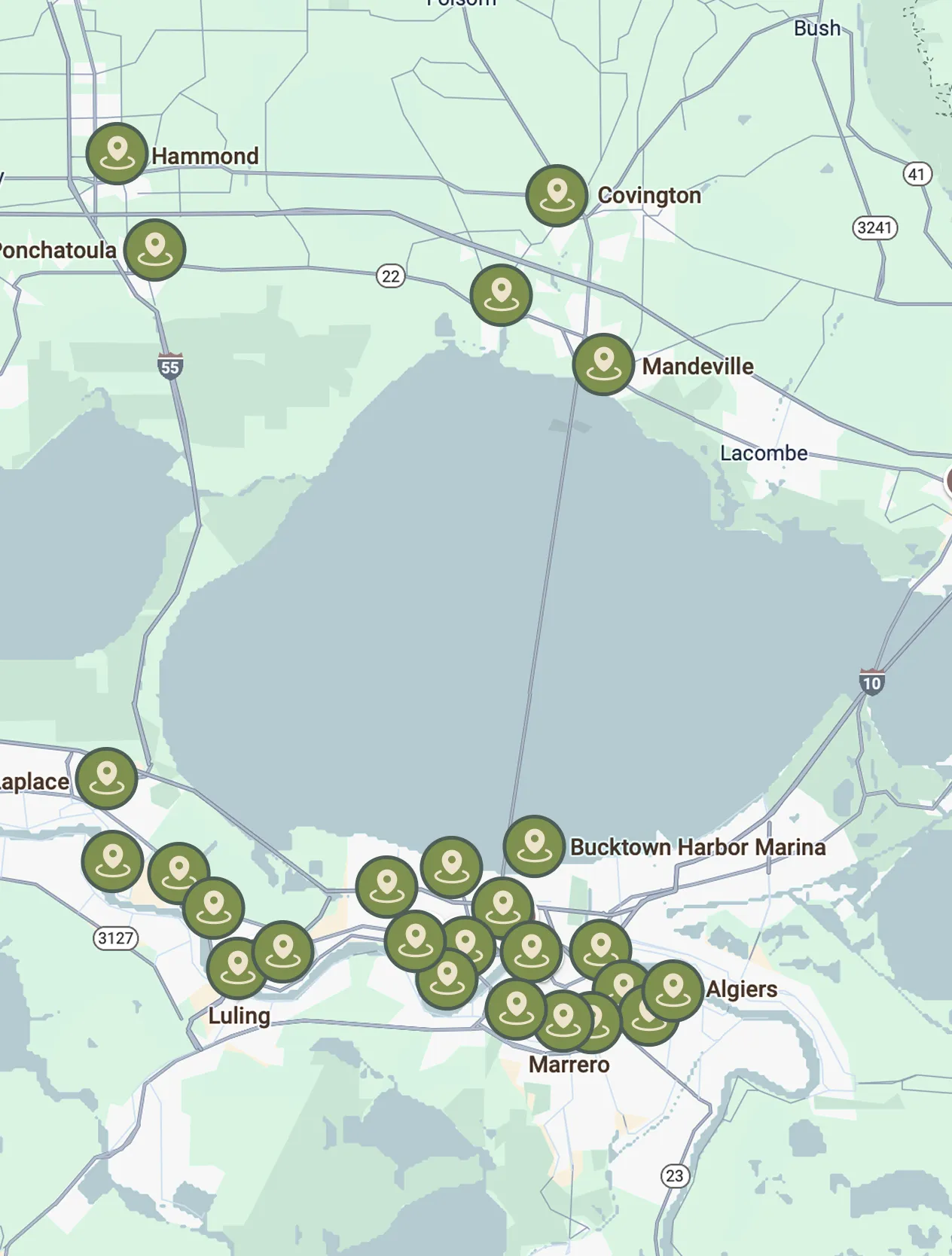
Our service areas are designed to meet the diverse needs of our clients. We focus on providing exceptional service and ensuring customer satisfaction in every location we operate.