Florida Room Heating & Air Conditioning in Carrollton (Harahan Junction), LA
.webp)
Florida rooms and sunrooms are designed to be yearround living spaces that connect your home to the outdoors. In Carrollton (Harahan Junction), LA, high humidity, intense sun, seasonal storms, and older home construction create unique challenges for comfort and protection. Cypress Cooling Company specializes in Florida room heating and air conditioning designed specifically for these conditions. We assess each space, recommend and install the right system, and ensure proper moisture control, insulation, and ventilation. Our solutions protect finishes and furnishings, deliver efficient yearround performance, and keep your Florida room comfortable and usable in every season.
.webp)
Florida Room Heating & Air Conditioning in Carrollton (Harahan Junction), LA
Florida rooms and sunrooms are meant to be year-round living spaces that connect your home to the outdoors. In Carrollton (Harahan Junction), LA, high humidity, intense sun, seasonal storms, and older home construction create unique challenges for comfort and equipment performance. Cypress Cooling Company specializes in Florida room heating and air conditioning designed to address these conditions, protect finishes and furnishings, and provide efficient year-round comfort.
Why a Dedicated Florida Room HVAC Solution Matters in Carrollton
- Heavy solar gain: Large windows and skylights create excess heat, especially in spring and summer.
- Humidity management: South Louisiana’s humidity can cause condensation, mold, and corrosion if systems are undersized or improperly installed.
- System limitations: Standard home HVAC or single window units often cannot maintain comfort in spaces with high glazing or intermittent use.
- Energy efficiency: Properly engineered solutions prevent short cycling, reduce energy use, and prolong system life.
Common Florida Room Issues We Solve
- Excess heat from direct sun exposure.
- Condensation on glass or framing during cool nights and rainy seasons, leading to mildew or wood rot.
- Inconsistent temperatures between the sunroom and main house.
- Noise and aesthetic impact from window units or oversized packaged equipment.
- Inadequate electrical service for modern HVAC options.
- Corrosion risk to exterior equipment due to humidity and airborne particulates.
Types of Florida Room HVAC Systems Recommended
Ductless Mini-Splits
- Best for: Rooms without ductwork or minimal disruption needs.
- Precise temperature and humidity control with inverter-driven compressors.
- Multiple indoor head styles to match aesthetics of historic homes.
Compact Heat Pumps / Split Systems
- Efficient heating and cooling in a single compact unit.
- Suitable when outdoor unit placement is nearby with short refrigerant line runs.
- Heat pumps provide gentle, fossil-fuel-free heating for mild winters.
Small Packaged Units
- Rooftop or wall-mounted units ideal for limited indoor space.
- Easier to service or replace in certain configurations; requires careful condensation management.
Hybrid or Multi-Zone Solutions
- Combine main system with supplemental ductless zones or smart zoning controls.
- Balance comfort and efficiency across the home and Florida room.
Initial Site Assessment and Load Calculations
Cypress Cooling Company follows a systematic approach for professional installations:
- Measure room dimensions, glazing area, orientation, and shading.
- Inspect window types, framing, insulation, ceiling, and adjoining walls.
- Identify thermal bridges, leaks, and existing ventilation or ductwork.
- Review electrical panel capacity and circuit availability.
- Account for local climate factors: solar radiation, humidity, prevailing winds.
- Perform Manual J-style load calculations to determine sensible and latent loads.
This ensures proper heat removal, humidity control, and system efficiency without oversizing.
Insulation and Condensation Control Considerations
- Insulation: Improve ceiling, wall, or floor insulation to reduce peak loads. Ensure air sealing around framing to prevent moisture migration.
- Glazing and Shading: Use low-emissivity films, storm panels, exterior shading, awnings, or landscaping to reduce solar gain.
- Condensation Control: Proper vapor barriers, thermal breaks, and appropriately sized HVAC equipment prevent interior moisture accumulation.
- Attic/Roof Insulation: Conditioned attic or insulated roof systems may be required for sunrooms beneath unconditioned attics.
Professional Installation Process and Timeline
Pre-Installation Planning
- Detailed site survey, load calculations, equipment selection, and permitting review.
- Coordination of any required electrical or structural work.
Preparation Work (1–3 days)
- Minor framing, mounting reinforcement, or creation of refrigerant chases and condensate routes.
- Electrical upgrades or dedicated circuits installed by a licensed electrician if required.
Equipment Installation (1–3 days)
- Mount indoor units, place compact air handlers, run refrigerant and condensate lines.
- Outdoor unit placement with vibration isolation and corrosion-resistant pads.
- Proper sealing of penetrations and refrigerant line insulation.
Startup, Commissioning, and Client Orientation (½–1 day)
- System evacuation, charging, and commissioning per manufacturer specifications.
- Demonstration of controls, zoning, and maintenance requirements.
Timeline Notes: Projects with minimal electrical or structural work can be completed in a few days. Extensive retrofits in older homes may take one to two weeks.
Electrical and Mounting Requirements
- Dedicated Circuits: Modern ductless systems often require 220V service. Older homes may need panel upgrades or subpanels.
- Mounting & Structural Support: Indoor units mounted on solid studs; walls may require reinforcement. Outdoor units need level, corrosion-resistant pads and secure anchoring for storms. Condensate lines should avoid staining or wood rot.
- Corrosion-Resistant Materials: Use fasteners and materials rated for humid climates.
Energy Efficiency and Zoning Options
- Zoning Controls: Separate thermostats or smart controllers prevent whole-house HVAC overuse.
- Variable Speed & Inverter Technology: Modulate output for precise comfort and reduced cycling.
- Dehumidification Strategies: Properly sized equipment or dedicated dehumidifiers prevent mold and protect finishes.
- Insulation & Window Upgrades: Reduces equipment size and long-term energy costs.
Routine Maintenance and Troubleshooting
- Recommended Service Schedule:
- Visual inspections and basic filter changes every 1–3 months.
- Professional maintenance once or twice yearly for high-use sunrooms.
- Maintenance Tasks:
- Clean/replace filters, clear condensate drains, check refrigerant, inspect mounting hardware.
- Common Issues:
- Insufficient cooling/heating, excess condensation/frost, short cycling, noisy operation.
Warranty and Financing Considerations
- Manufacturer Warranties: Verify parts and compressor coverage; registration may be required.
- Labor/Installation Warranties: Coverage for workmanship, refrigerant leaks, and mounting integrity.
- Financing Options: Spread cost of equipment and installation; evaluate terms, interest, and early payoff conditions.
Local Service Plans for Carrollton Homeowners
- Priority scheduling during peak seasons.
- Regular preventive maintenance for optimal performance.
- Technicians familiar with Carrollton home construction and climate.
- Standardized checklists for Florida room systems, condensate management, and humidity control.
Design Details that Protect Finishes and Furnishings
- Maintain consistent humidity levels to prevent wood swelling, paint peeling, and fabric mold.
- Use UV protective glass or window films to reduce fading.
- Avoid direct airflow on delicate items while maintaining proper ventilation.
- Include balanced ventilation in tightly sealed rooms.
Historic and Architectural Considerations
- Concealed wiring, paint-matched conduits, and minimal penetrations preserve historic character.
- Favor reversible modifications to allow future restoration.
- Plan for permitting or historic district review if applicable.
Case Planning Examples
- Small attached sunroom, south-facing windows: Multi-head ductless mini-split with inverter tech; window film and exterior shading.
- Detached/freestanding sunroom: Compact heat pump with isolated refrigerant runs; elevated outdoor unit.
- Sunroom above garage/unconditioned attic: Improve attic insulation or conditioned attic approach; compact heat pump sized for envelope and glazing.
Frequently Asked Questions (FAQs)
Q: How long does a typical installation take?
A: A few days for mini-splits; 1–2 weeks for projects requiring electrical, structural, or permitting work.
Q: Will I need electrical panel upgrades?
A: Depends on panel capacity and equipment; many systems require dedicated 220V circuits.
Q: Can comfort be improved without major renovations?
A: Yes. Ductless mini-splits, shading, sealing leaks, and window film can significantly improve comfort.
Q: How do you ensure equipment lasts in Carrollton conditions?
A: Corrosion-resistant materials, elevated outdoor units, routine maintenance, and climate-rated equipment.
Q: Do sunrooms need separate thermostats?
A: Recommended to allow independent temperature and humidity control tailored to sunroom use.
OUR CLIENTS HAVE TO SAY ABOUT US



Service areas
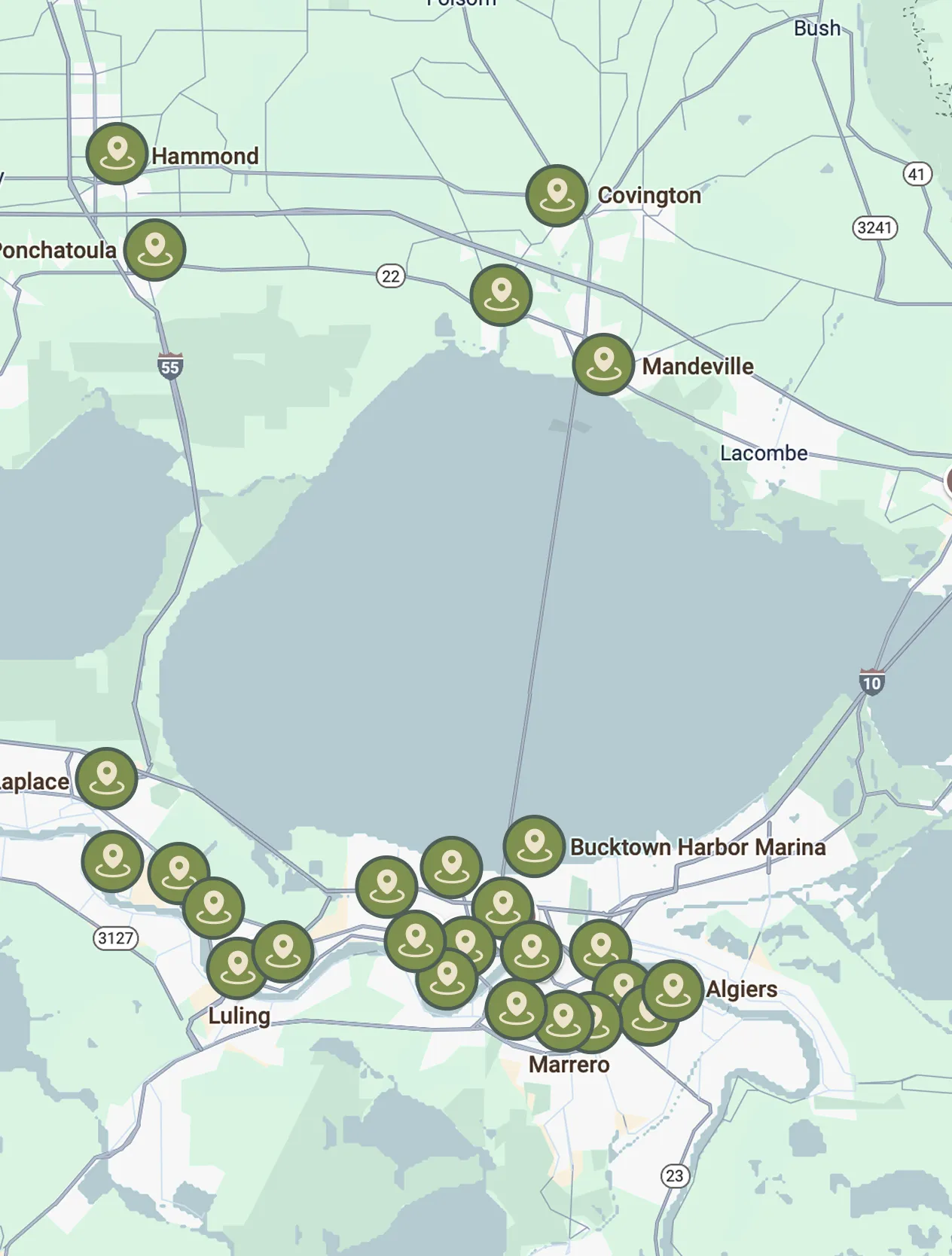
Our service areas are designed to meet the diverse needs of our clients. We focus on providing exceptional service and ensuring customer satisfaction in every location we operate.