Florida Room Heating & Air Conditioning in Covington, LA
.webp)
Designing reliable, comfortable Florida room heating and air conditioning in Covington, LA, requires solutions that address the area's unique challenges: heat, humidity, intense sunlight, and coastal salt air. Cypress Cooling Company specializes in custom HVAC systems for sunrooms and enclosed porches, providing comfort, energy efficiency, moisture control, and longterm durability for South Louisiana homes. Our team evaluates each space to recommend the right equipment, manages installation or retrofits, optimizes insulation and ventilation, and implements zoning and efficiency strategies. We also provide guidance on maintenance, repairs, warranties, and financing, ensuring your Florida room remains comfortable, functional, and protected yearround with the benefit of local expertise.
.jpeg)
Florida Room Heating & Air Conditioning in Covington, LA
Designing reliable, comfortable Florida room heating and air conditioning in Covington, LA requires solutions that respond to a unique combination of heat, humidity, intense sunlight, and coastal salt air. Cypress Cooling Company specializes in tailored HVAC systems for sunrooms and enclosed porches that balance comfort, energy efficiency, moisture control, and durability in South Louisiana homes. This page explains common Florida room issues, how we assess needs, recommended product options, the installation and retrofit process, insulation and ventilation priorities, zoning and efficiency strategies, expected timelines, warranty and financing overviews, maintenance advice, common repairs, and why local expertise matters for Covington homeowners.
Why tailored Florida room HVAC matters in Covington, LA
Florida rooms are often the most thermally challenging spaces in a home. Large windows, skylights, and a smaller conditioned volume than main living areas make sunrooms prone to overheating, rapid heat loss, and humidity buildup. In Covington, seasonal humidity and high summer temperatures combine with strong solar gain to create:
- Excessive cooling loads during summer, increasing energy use
- Condensation and mold risk in shoulder seasons when nights are cool and days are humid
- Rapid temperature swings that make standard whole-house systems inefficient for the sunroom space
- Corrosion risk to outdoor equipment from salt-laden air near coastal South Louisiana
A targeted Florida room heating and air conditioning plan addresses those challenges without overworking the primary HVAC system. Solutions range from ductless mini-splits to compact packaged units or thoughtful ductwork retrofits, chosen based on room size, glazing, orientation, and how you use the space.
Common Florida room issues in Covington homes
- Overheating during late spring and summer due to west or south-facing glazing
- High indoor humidity causing condensation on windows and framing
- Uneven temperature compared with the rest of the house
- Inefficient operation when tied to an undersized or oversized main system
- Frequent short-cycling and higher energy bills
- Corrosion and premature wear on outdoor units from coastal humidity and salt
- Inadequate ventilation or stale air that impacts comfort and indoor air quality
Understanding these typical problems helps guide the HVAC selection and building envelope improvements that make a Florida room comfortable year-round.
Needs assessment and load calculations
A sound Florida room solution begins with a thorough needs assessment and accurate load calculation. Cypress Cooling Company follows industry-standard steps:
- Inspect the space and document dimensions, ceiling heights, glazing area and type, window orientation, shading, insulation levels, and existing HVAC connections
- Review occupancy patterns and typical usage hours to determine sensible and latent load priorities
- Perform Manual J load calculations specific to the Florida room to determine precise heating and cooling capacity needs
- Evaluate airflow patterns and return paths to avoid negative pressure or backdrafting when the room ties into the main system
- Account for solar heat gain coefficients of windows and skylights, and local climate data for Covington to size systems for real-world performance
Accurate load sizing prevents oversized equipment, which leads to short cycling, poor humidity control, and higher operating costs. It also avoids undersizing that leaves occupants uncomfortable.
Recommended product options
There is no one-size-fits-all answer. The right system depends on the room layout, existing ductwork, aesthetic preferences, and performance goals. Typical options include:
- Ductless mini-splits
- Advantages: precise zoning, high efficiency, inverter-driven compressors for variable capacity, excellent dehumidification, minimal disruption during installation
- Best for: rooms without existing ductwork, historic homes where minimal alterations are desired, multi-zone configurations for simultaneous control
- Considerations: outdoor unit placement should consider salt air exposure and hurricane tie-downs
- Compact packaged HVAC units
- Advantages: self-contained solutions that can be roof- or wall-mounted for small sunrooms, integrated heating and cooling
- Best for: small detached sunrooms or additions where an all-in-one unit is preferred
- Considerations: attention to access for service and corrosion-resistant finishes
- Retrofit ductwork and supplemental air handlers
- Advantages: ties into the existing central system for consistent comfort, can be combined with zoning dampers or a dedicated small air handler
- Best for: homes with accessible attic or crawlspace where ductwork can be run without major structural work
- Considerations: careful balancing and insulation of ducts to prevent thermal losses and moisture issues
- Hybrid approaches
- Examples: a small mini-split for peak cooling plus a duct booster or supplemental heat source for winter; dehumidification systems paired with existing equipment
Each option is evaluated for energy performance, humidity control, noise, and aesthetics to match the homeowner’s priorities.
Installation and retrofit process
Installation for Florida room heating and air conditioning in Covington, LA typically follows a clear process:
- Site assessment and measurements
- Confirm load calculations, equipment location, electrical capacity, and any permit requirements
2. Design and permitting
- Prepare technical drawings for the chosen solution and secure local permits if needed
- Coordinate with building inspectors on any structural changes for wall-mounted units, roof penetrations, or duct routes
3. Pre-installation preparation
- Protect flooring and furnishings, stage equipment, and prepare electrical panels and circuit runs
- For retrofits, seal and insulate any exposed ductwork and install backflow preventers or condensate management as needed
4. Equipment installation
- Mount outdoor unit with corrosion-resistant pad or brackets, ensuring proper clearance and hurricane-resistant anchoring where applicable
- Install indoor units or air handlers, run refrigerant lines, condensate drains, and electrical connections
- For ductwork retrofits, install ducts, registers, and balancing dampers; seal and insulate all connections
5. System charging, setup, and commissioning
- Evacuate and charge refrigerant to manufacturer specifications, configure controls, and adjust airflow
- Run performance checks, verify temperature split, test dehumidification function, and measure static pressure
- Provide homeowner orientation on operation, thermostat programming, and maintenance requirements
6. Final inspection and documentation
- Complete any required inspections, provide warranty documentation, and leave a maintenance checklist
The installation sequence is managed to minimize disruption and to ensure the system performs efficiently from day one.
Insulation, glazing, and ventilation considerations
Upgrading mechanical systems without addressing the building envelope often limits results. For Florida room HVAC in Covington, LA, focus on these areas:
- Insulation
- Insulate walls and roof to recommended R-values for South Louisiana climates, paying attention to thermal bridging and continuous insulation where possible
- Use closed-cell spray foam in specific retrofit situations to reduce air infiltration while adding R-value
- Glazing and shading
- Consider low-e coatings and double-pane insulated glass to reduce solar heat gain and stabilize daytime temperatures
- Add external shading such as overhangs or exterior blinds to reduce direct sun exposure during summer
- Ventilation
- Ensure controlled ventilation to avoid moisture buildup. Mechanical ventilation with heat recovery is not always common in humid climates, but well-designed exhaust and dehumidification strategies are essential
- Install properly sloped and insulated condensate drains to prevent standing water and biological growth
- Air sealing
- Seal gaps at junctions, around window frames, and any penetrations to reduce infiltration and humidity ingress
Combining HVAC upgrades with envelope improvements maximizes comfort, reduces operating costs, and extends equipment life.
Energy-efficiency and zoning strategies
Energy-efficient Florida room heating and air conditioning translates to lower operating costs and better year-round comfort. Effective strategies include:
- Right-sizing equipment based on Manual J loads to avoid short-cycling
- Choosing high-efficiency equipment with inverter-driven compressors and higher SEER ratings for cooling and higher HSPF or heat pump cold-climate ratings for heating performance
- Implementing zoning using:
- Ductless multi-zone mini-splits for individualized control in rooms with different usage patterns
- Motorized dampers and a dedicated thermostat for sunrooms tied to central systems to prevent over-conditioning
- Smart thermostats with scheduling and geofencing for efficient operation when the space is unoccupied
- Dehumidification strategies
- Use equipment with strong latent capacity or add a dedicated dehumidifier integrated into the HVAC system to control humidity without overcooling
- Configure controls to prioritize both sensible and latent loads, particularly during Covington’s humid months
- Renewable-ready options
- Plan for future integration with solar arrays or battery storage if homeowners pursue renewable energy solutions
These strategies ensure the Florida room remains comfortable with minimal energy waste.
Expected timelines
Typical project timelines for Florida room HVAC in Covington, LA will vary with project complexity:
- Assessment and design: 1 to 5 business days for simple projects, up to 1 to 2 weeks for complex retrofits
- Permitting and approvals: 3 days to 3 weeks depending on local jurisdiction workload and scope of work
- Equipment lead time: 1 to 3 weeks commonly, longer for specialty systems or during peak seasons
- Installation:
- Ductless mini-split: 1 to 2 days for a single indoor unit; 2 to 4 days for multi-zone systems
- Compact packaged unit: 1 to 2 days plus any roof or wall modifications
- Ductwork retrofit: 3 to 7 days depending on access and extent of duct runs
- Commissioning and final inspection: 1 day
Plan for potential additional time when envelope upgrades or structural changes are required. Cypress Cooling Company factors local permitting pace and seasonal demand into scheduling to provide realistic expectations.
Warranty and financing options
Homeowners should expect a combination of manufacturer and labor warranties for Florida room heating and air conditioning installations:
- Manufacturer warranties
- Most major equipment brands provide 5 to 10 year limited parts warranties and longer coverage for compressors when registered
- Warranty terms vary by model and may require professional installation and annual maintenance to remain valid
- Labor and workmanship warranties
- Typical contractor labor warranties cover installation defects for a specified period post-installation
- Documentation detailing coverage and claim processes should be provided at project completion
- Extended service plans
- Maintenance agreements often provide regular inspections, priority scheduling, and discounted repairs, and they help maintain warranty eligibility
- Financing options
- Many homeowners prefer to finance larger HVAC investments through equipment financing, energy-efficiency loans, or home improvement lending programs that spread payments over months or years
- Leasing or low-interest payment plans may be available for qualifying projects
- Understanding the terms, interest rates, and total cost is important before choosing a financing path
Providing clear warranty documentation and financing choices helps homeowners plan for long-term ownership and protects their investment.
Maintenance tips and common repairs
Regular maintenance and early attention to issues sustain performance and extend equipment life. For Florida room systems in Covington, LA pay attention to:
Seasonal maintenance checklist
- Replace or clean filters monthly during heavy-use months and at least quarterly otherwise
- Clean outdoor coils and clear debris; salt and pollen can accelerate fouling and corrosion
- Inspect condensate drains and traps for clogs; clean with manufacturer-approved methods
- Check refrigerant charge and system pressures annually to detect leaks early
- Verify thermostat calibration and damper operation for zoned systems
- Lubricate motors and inspect belts where applicable
Common repairs and warning signs
- Refrigerant leaks: reduced cooling, frost on evaporator coils, and higher energy consumption
- Compressor or outdoor unit failure: unusual noises, inability to cool, tripped breakers
- Condensate drain clogs: water staining, odors, and potential water damage
- Corroded components from salt air: pitting on coils, electrical connections, and fasteners
- Short-cycling due to oversizing or airflow restrictions
- Poor humidity control caused by undersized evaporator coil or improper airflow
Humidity and mold prevention
- In Covington’s humid climate, controlling latent load is critical. Properly sized equipment and dehumidification options prevent condensation and mold. Regularly inspect window seals and framing for moisture intrusion.
Proactive maintenance performed by trained technicians keeps systems operating efficiently and minimizes emergency repair needs.
Why local experience matters: Covington and coastal South Louisiana
Cypress Cooling Company’s local experience is central to designing effective Florida room heating and air conditioning in Covington, LA. Regional expertise matters because:
- Climate knowledge: We size systems using localized climate data for South Louisiana, accounting for high humidity, long cooling seasons, and mild winters to prioritize dehumidification and sensible cooling
- Building types: Covington homes vary from historic structures to modern new builds; we know how to integrate HVAC into older framing, raised foundations, and common local construction techniques
- Salt air and corrosion: Near-coast corrosion requires specific equipment placement, protective coatings, and maintenance practices to ensure longevity
- Code and permitting familiarity: Local code nuances and permitting processes are part of our routine, helping projects move smoothly through approvals and inspections
- Hurricane resilience: We design outdoor unit mounting and tie-downs with storm considerations in mind and help ensure proper protection of outdoor equipment
- Rapid parts and service access: Local inventory knowledge and supplier relationships reduce lead times for replacement parts and expedite service in seasonal peak periods
Working with a team familiar with Covington’s environmental and building conditions produces systems that perform reliably and efficiently over time.
Long-term benefits and ownership considerations
A tailored Florida room HVAC upgrade delivers multiple benefits:
- Consistent comfort and better humidity control for year-round use of the space
- Energy savings from right-sized, efficient equipment and zoning
- Reduced risk of moisture-related damage and mold
- Extended life for HVAC equipment through correct installation and maintenance
- Improved indoor air quality with proper ventilation and filtration selections
When planning an upgrade, consider lifecycle costs rather than first-cost alone. Investing in higher efficiency, dehumidification capability, and corrosion-resistant installation pays back over time in reduced energy use and fewer repairs.
Q: How do I know if my Florida room should be connected to my main HVAC system or have a separate unit?
A: The decision depends on existing duct access, load calculations, and usage patterns. If the main system can supply adequate conditioned air without imbalance and the duct route can be insulated and sealed, tying in may be cost-effective. For rooms with distinct usage schedules or where ductwork installation would be invasive, a dedicated ductless mini-split or compact unit provides better control and efficiency.
Q: What size mini-split or unit will I need for my Covington sunroom?
A: Size is determined by a load calculation that considers square footage, glazing, ceiling height, insulation, and solar orientation. Typical small sunrooms might use a 9,000 to 12,000 BTU mini-split for moderate glazing, but exact sizing requires a Manual J calculation to ensure correct capacity and humidity control.
Q: Will large windows prevent my HVAC system from keeping the room comfortable?
A: Large windows increase solar heat gain and conductive losses, making the space more challenging to condition. Combining efficient glazing, external shading, and a properly sized HVAC system with good dehumidification will manage comfort. Insulating and air sealing where possible further reduces load.
Q: Are ductless mini-splits resistant to coastal corrosion?
A: Mini-splits can be protected against coastal corrosion with proper installation practices, including selecting units with corrosion-resistant coatings, mounting the outdoor unit away from direct salt exposure, elevating the unit, and scheduling more frequent coil cleanings. Regular maintenance is essential in salt air environments.
Q: How often should I schedule maintenance for my Florida room HVAC system in Covington?
A: At a minimum, perform professional maintenance annually. In Covington’s humid, coastal conditions, a twice-yearly inspection is recommended for optimal performance: once before summer cooling season and once before the mild winter heating season. Filter checks and cleaning should occur more frequently, depending on use.
OUR CLIENTS HAVE TO SAY ABOUT US



Service areas
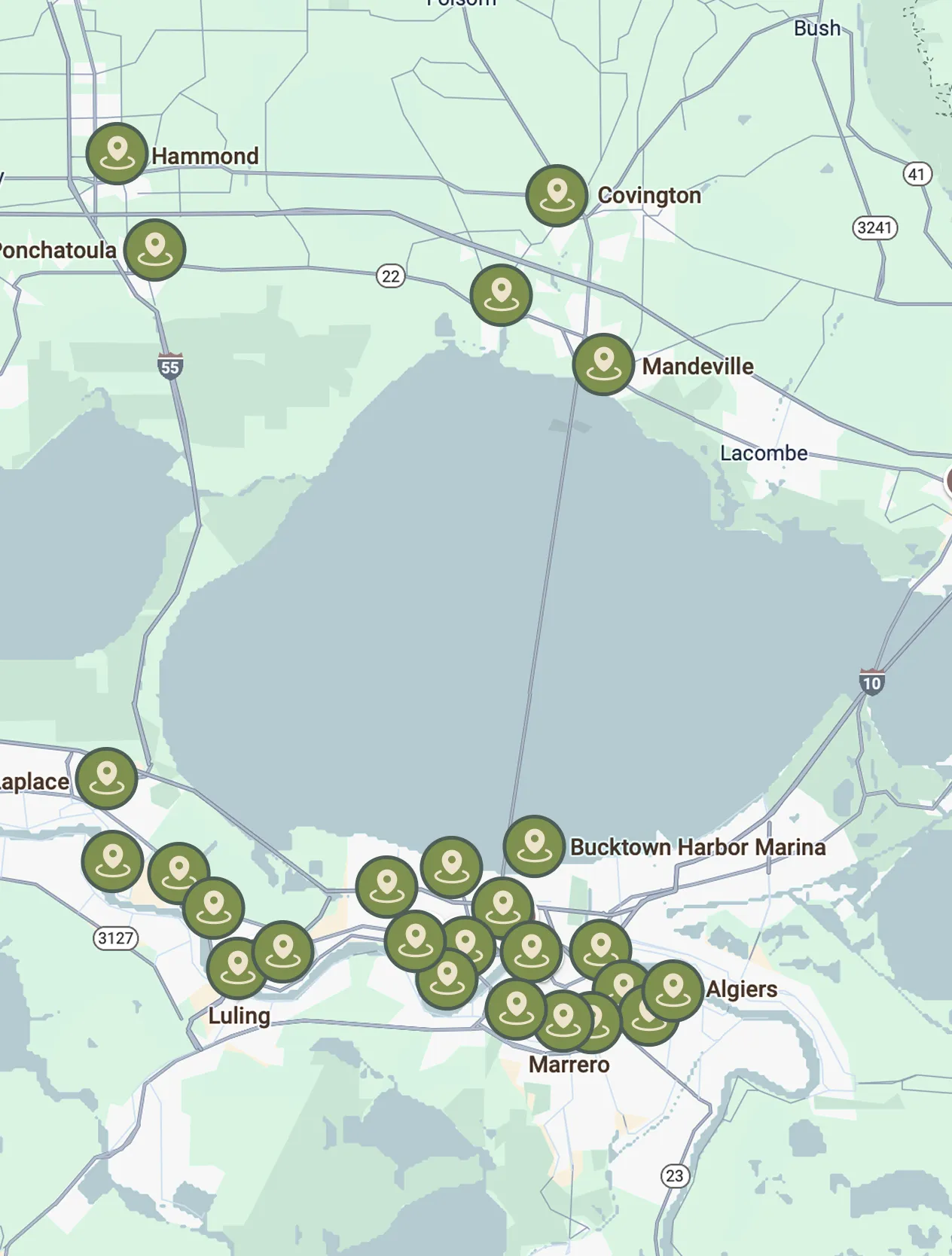
Our service areas are designed to meet the diverse needs of our clients. We focus on providing exceptional service and ensuring customer satisfaction in every location we operate.