Florida Room Heating & Air Conditioning in Marrero, LA
.webp)
Creating a comfortable, yearround Florida room in Marrero, LA, requires more than just a simple window unit. These sunrooms present unique climate challenges, including significant solar heat gain, intense summer humidity, occasional storms, and coastal salt air. That's where Cypress Cooling comes in. We provide tailored heating and air conditioning solutions specifically designed for these conditions, ensuring your Florida room remains comfortable, durable, and energyefficient throughout the year.

Florida Room Heating & Air Conditioning in Marrero, LA
Creating a comfortable, yearround Florida room in Marrero, LA requires more than placing a window unit and calling it done. Florida rooms (sunrooms) have unique climate dynamics: high solar gain, intense summer humidity, occasional severe storms and coastal salt air. Cypress Cooling Company provides indepth heating and air conditioning guidance tailored to these conditions so your Florida room is usable, durable, and energy efficient throughout the year.
Why specialized HVAC for Florida rooms matters in Marrero
Florida rooms are often glazed spaces with large windows and a higher ratio of exterior surface area than typical rooms. In Marrero’s subtropical climate, that means rapid temperature swings, heavy solar heat gain during summer, and high humidity that can lead to condensation, mold, and premature HVAC wear. Local factors to consider include:
- High humidity that increases latent cooling load and risks condensation on glass and framing.
- Strong solar radiation that dramatically increases cooling demand during daytime.
- Coastal salt air that accelerates corrosion of outdoor equipment and metal components.
- Occasional cold snaps in winter and hurricanlevel winds that require proper system anchoring and codecompliant installations.
- Flood risk and drainage considerations for condensate management and outdoor unit siting.
Addressing these issues from system selection through installation and maintenance makes the difference between a Florida room that is comfortable and one that becomes a yearround headache.
Common Florida room HVAC problems in Marrero homes
- Overheating in the afternoon from unshaded southern and western glazing.
- High indoor humidity, condensation on windows and framing, and musty odors.
- Uneven temperatures where the main house remains comfortable but the sunroom does not.
- Poor airflow due to tight spaces, awkward layouts, or inadequate ventilation.
- Corrosion or shortened equipment life from exposure to salt air.
- Inefficient operation or short cycling when systems are oversized or improperly sized.
Understanding these common failure modes informs better system selection and preventive measures.
Types of heating and air conditioning systems for Florida rooms
Selecting the right system depends on room size, glazing, existing ductwork, and how the space is used. Primary options include:
- Ductless minisplit heat pumps
- Pros: Zoned control, high efficiency with inverterdriven compressors, compact indoor heads, minimal invasive installation, effective dehumidification.
- Cons: Visible indoor heads (though multiple lowprofile heads are available), line sets require routing.
- Best for: Retrofits, partialseason heating needs, spaces where ductwork installation is impractical.
- Heat pumps (ducted)
- Pros: Wholehome integration if ductwork exists, efficient yearround performance with modern variablespeed units, improved dehumidification.
- Cons: Ductwork may require modification; performance depends on proper sizing and sealing.
- Best for: New additions tied into existing HVAC systems or fullhome upgrades.
- Compact packaged AC/heat units
- Pros: Selfcontained unit, useful for detached or standalone sunrooms; can provide forcedair heating and cooling in one package.
- Cons: Larger footprint, may be less efficient than modern split systems.
- Best for: Detached Florida rooms, or where local codes favor packaged equipment.
- Other options
- Throughthewall units or portable systems can be shortterm solutions but rarely offer the efficiency, humidity control, or comfort level required for longterm use in Marrero’s climate.
Sizing, load assessment, and solar gain considerations
Proper sizing is critical. Oversized systems cycle frequently, reducing efficiency and humidity control. Undersized systems cannot keep up with solar gains. Cypress Cooling Company emphasizes a spacespecific heat load calculation that accounts for:
- Orientation and amount of glazing
- Window type and glazing performance (single pane, double pane, lowe)
- Roof insulation and thermal properties
- Local solar exposure patterns and shading
- Occupancy and internal heat sources
- Local Marrero climate data for temperature and humidity
Solar gain can drive cooling loads significantly higher than a similarly sized interior room. Lowe glazing, shading (awnings, exterior shades), insulated roofing, and ventilation strategies should be part of the load reduction plan before upsizing equipment.
Energyefficiency and equipment features to prioritize
Efficiency and humidity control are primary concerns for Marrero homes. Look for systems with these features:
- Inverterdriven compressors and variablespeed blowers for finer temperature control and superior dehumidification.
- High SEER and HSPF ratings for cooling and heating efficiency; higher efficiency pays off in a highuse, highsun environment.
- Advanced refrigerants and proper refrigerant charge for peak performance.
- Twostage or variablespeed equipment to avoid short cycling and improve comfort.
- Corrosionresistant coatings on outdoor coils and hardware to resist salt air.
- Smart thermostats and zoning controllers for tailored comfort and energy savings.
- Effective condensate management with elevated drain lines and condensate pumps where needed to avoid standing water during storms or floodprone conditions.
Insulation, ventilation, and drainage guidance
A welldesigned Florida room starts with the building envelope. HVAC alone cannot resolve poor insulation or ventilation.
- Insulation
- Insulate the roof and any solid walls to recommended levels. In Marrero, pay special attention to roof insulation and reflective barriers to reduce heat transfer.
- Use insulated frames or thermal breaks to minimize conductive heat through window frames.
- Glazing
- Install lowe or spectrally selective glazing to reduce solar heat gain while maintaining daylight.
- Consider doublepane insulated glass units with appropriate gas fills for improved thermal performance.
- Ventilation
- Provide controllable ventilation to manage indoor humidity and air quality. Mechanical ventilation with energy recovery may be appropriate for sealed sunrooms connected to conditioned space.
- Ensure proper air exchange without compromising dehumidification or energy efficiency; balanced ventilation strategies maintain comfort and reduce mold risk.
- Drainage and condensate
- Route condensate lines above known flood elevations where possible or use condensate pumps with check valves and float switches.
- Provide durable drainage for outdoor units and ensure grading directs water away from the foundation and HVAC equipment.
- Address roof runoff and guttering so exterior water does not compromise window seals or interior finishes.
Retrofit versus newinstall options
- Retrofit
- Minisplit systems are often the best retrofit solution because they require no ductwork and have flexible indoor head placement.
- Evaluate structural penetrations for line sets and condensate lines; plan for concealment and aesthetic finishes.
- Retrofit work should include upgraded window seals, shading strategies, and insulation improvements for best results.
- New install (addition built as conditioned space)
- Integrate the sunroom into the home’s heating and cooling plan from the outset.
- Design ductwork and system sizing to account for high glazing ratios.
- Consider structural and orientation decisions that reduce future energy use, such as overhangs, roof insulation, and window selection.
Permitting and code compliance in Marrero, LA
Permitting and code compliance are nonnegotiable for safety and longterm durability, particularly in coastal Louisiana. Key points:
- Adhere to the Louisiana State Uniform Construction Code and local Jefferson Parish amendments that address wind load, structural requirements, and floodresistant construction.
- HVAC equipment and installation methods must comply with local mechanical and electrical codes; permits are typically required for new installations and significant retrofits.
- Equipment elevated above base flood elevation may be necessary for highrisk areas. Permits and inspections will identify necessary construction standards for outdoor unit anchoring and elevation.
- Licensed HVAC contractors should complete work; verify local licensing and insurance requirements. Documentation will be required for approvals and inspections.
Cypress Cooling Company recommends verifying permit requirements early in the planning phase to avoid delays and ensure all work meets local standards.
Typical installation process and timelines
While every project is unique, a typical Florida room HVAC installation follows these phases:
- Assessment and load calculation
- Onsite evaluation of glazing, insulation, orientation, and existing HVAC infrastructure.
- Heat load calculation and equipment recommendations tailored to the space.
- System selection and planning
- Review of equipment models, indoor unit placement options, condensate routing, and electrical requirements.
- Permitting and documentation prepared if required.
- Permitting and preinstall preparations
- Submission of permit applications and coordination with local inspectors.
- Ordering equipment and scheduling installation windows to avoid weather delays.
- Installation
- Ductwork modification if required, or mounting of indoor minisplit heads with discreet line set routing.
- Outdoor unit placement with vibration isolation, corrosion protection, and proper drainage.
- Electrical connection and startup procedures including refrigerant charge verification and system configuration.
- Testing, balancing, and education
- System test for efficiency, airflow, dehumidification, and controls calibration.
- Owner walkthrough on thermostat use, maintenance tips, and seasonal operation.
Typical timelines can range from a week for straightforward minisplit retrofits to several weeks when permits, custom ductwork, or structural modifications are involved. Weather and permit cycles in Marrero can affect scheduling.
Expected costs and financing considerations
Rather than a fixed price, Florida room HVAC costs depend on factors such as system type, size, number of indoor units, required electrical upgrades, modifications to the building envelope, and permitting complexity. Cost drivers include:
- Upgrading insulation and glazing or adding shading solutions.
- Choice between singlezone and multizone systems.
- Need for condensate pumps or elevated drain routing for floodprone areas.
- Corrosionresistant outdoor units and protective coatings for coastal exposure.
- Permits, inspections, and potential structural work.
Financing options commonly available in the HVAC market include equipment financing, energyefficient loans, and flexible payment plans through thirdparty providers. Financing terms and availability vary by installer and lender. Focus on longterm operating cost savings: investing in higherefficiency equipment and proper insulation generally reduces monthly energy use and improves comfort, which offsets upfront investment over time.
Maintenance and tuneup recommendations for Marrero climates
Regular maintenance is essential in Marrero’s humid, salty environment to preserve comfort and extend equipment life:
- Annual professional tuneup
- Check refrigerant charge and adjust as needed.
- Inspect coils, condenser fins, and outdoor unit for corrosion; clean and apply protective coatings where appropriate.
- Verify electrical connections, contactors, and capacitors.
- Test safety switches, condensate pumps, and float switches.
- Seasonal checks
- Replace or clean filters every 1 to 3 months depending on use and indoor air quality needs.
- Inspect condensate drains for blockages and ensure discharge points are clear and above flood elevation.
- Confirm proper thermostat operation and recalibrate as needed.
- Dehumidification and mold prevention
- Consider supplemental dehumidification during humid months if condensation appears on glazing.
- Maintain AC and heat pump systems to ensure they remove latent heat effectively; properly sized equipment and variablespeed operation help control humidity.
- Address any water intrusion or roof leaks promptly to prevent mold.
- Corrosion mitigation
- For coastal salt spray exposure, choose outdoor units with coastal packages or applied coatings.
- Clean outdoor coils more frequently to prevent salt buildup that reduces heat transfer.
Regular maintenance protects your investment, improves energy performance, and helps avoid emergency failures during peak summer or storm seasons.
Troubleshooting common issues and sensible fixes
- Issue: Florida room gets too hot by midafternoon
- Fixes: Add exterior shading (awnings, solar screens), upgrade glazing to lowe, increase insulation in the roof, and ensure the HVAC system is sized for solar loads.
- Issue: Windows sweat and frames show condensation
- Fixes: Improve indoor humidity control with a variablespeed heat pump or dedicated dehumidifier, verify proper ventilation, and address any air leaks around frames.
- Issue: Outdoor unit corrodes quickly
- Fixes: Use coastalrated equipment, apply corrosionresistant coatings, and provide a sheltered yet ventilated mounting location.
- Issue: System short cycles or runs too frequently
- Fixes: Reevaluate system size and controls; consider zoning or variablespeed equipment to match load profiles.
- Issue: Condensate backup during heavy rain or flooding
- Fixes: Install elevated condensate discharge, use a condensate pump with a highcapacity float switch, and ensure exterior drainage directs water away from the building.
Benefits of a properly designed Florida room HVAC system
- Yearround comfort that makes the space usable in Marrero’s hot humid summers and mild winters.
- Improved indoor air quality through balanced ventilation and humidity control.
- Energy savings and lower operating costs when systems are properly sized and paired with envelope upgrades.
- Increased durability of HVAC equipment in coastal conditions when corrosion mitigation is applied.
- Enhanced home value through a conditioned, usable living space that integrates seamlessly with the rest of the home.
Cypress Cooling Company emphasizes that the best outcomes come from pairing the right equipment with thoughtful envelope improvements and an ongoing maintenance plan.
Final considerations when planning a Florida room HVAC project in Marrero
Start with a thorough onsite assessment that includes a professional heat load calculation, window and roof inspection, and evaluation of existing ductwork or electrical capacity. Prioritize solutions that reduce load before investing in larger equipment: shading, improved glazing, and insulation deliver longterm comfort and efficiency gains. Factor in local code requirements, flood considerations, and coastal corrosion mitigation from the earliest design phase. Finally, plan for regular maintenance and humidity control to protect finishes and maintain comfort.
Cypress Cooling Company recommends comprehensive planning and professional installation tailored to Marrero’s climate to ensure your Florida room remains a comfortable, efficient, and durable space for years to come.
Q: What is the best HVAC option for an existing Florida room retrofit in Marrero?
A: A ductless minisplit heat pump is often the best retrofit choice because it provides zoned heating and cooling without ductwork, offers inverterdriven efficiency for superior humidity control, and minimizes invasive modifications to the room structure.
Q: How does solar gain affect system sizing for a Florida room?
A: Solar gain increases the cooling load significantly, especially for south and westfacing glazing. Accurate sizing requires accounting for window area, orientation, shading, and glazing type so the system can handle peak daytime heat without oversizing.
Q: Do I need a permit to install an HVAC system in a Florida room in Marrero?
A: Permits are typically required for new HVAC installations and major retrofits. Work must comply with Louisiana building codes, local Jefferson Parish amendments, windload requirements, and flood elevation considerations. Permit requirements should be confirmed early in the project.
Q: How do I prevent condensation and mold in a sunroom in Marrero’s humid climate?
A: Ensure proper dehumidification through correctly sized, variablespeed heat pumps or supplemental dehumidifiers, improve insulation and thermal breaks, provide balanced ventilation, and address any water intrusion promptly to prevent mold growth.
OUR CLIENTS HAVE TO SAY ABOUT US



Service areas
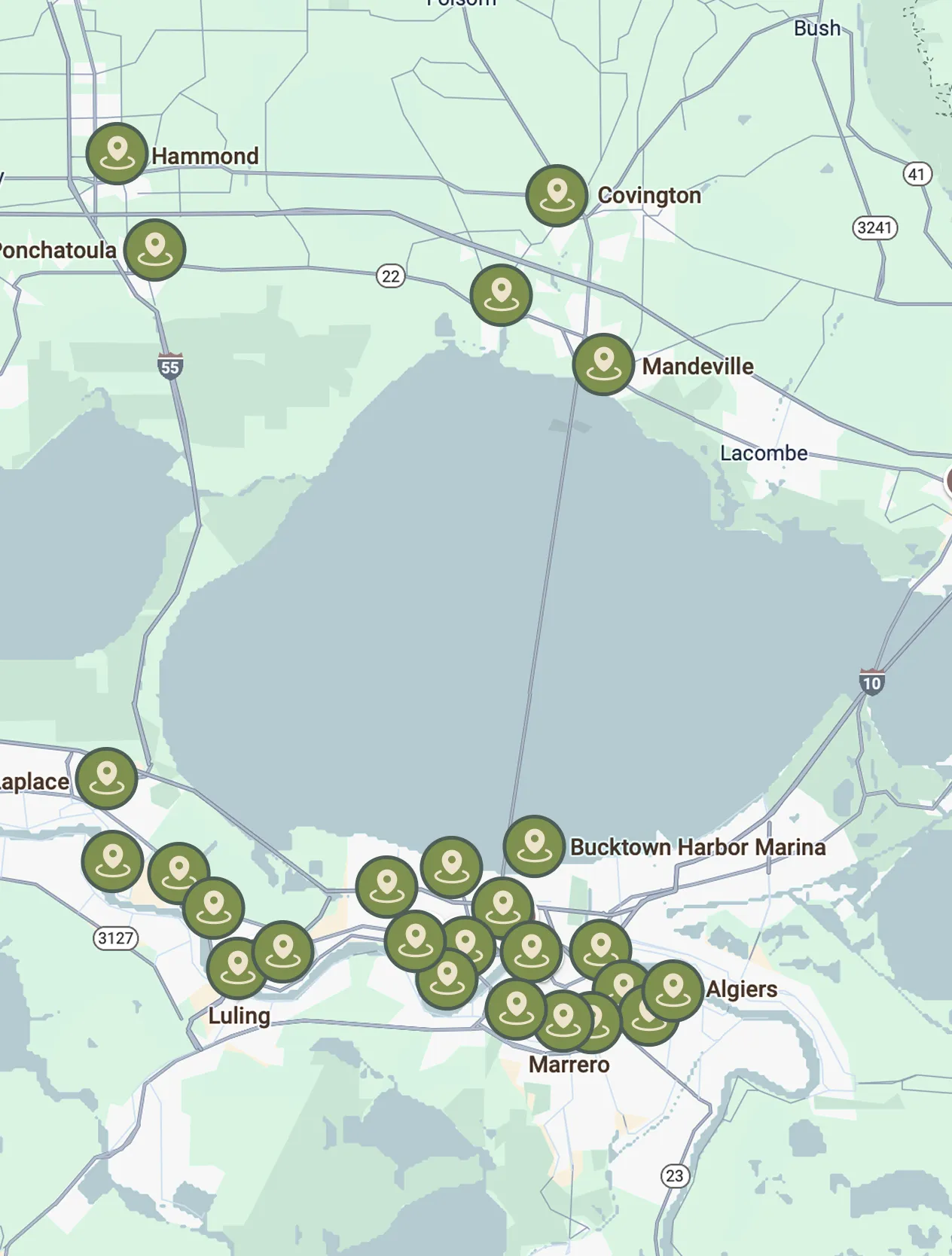
Our service areas are designed to meet the diverse needs of our clients. We focus on providing exceptional service and ensuring customer satisfaction in every location we operate.