Florida Room Heating & Air Conditioning in Metairie, LA
.webp)
A Florida room or sunroom can transform unused space into a bright, yearround living area. In Metairie, LA, where hot, humid summers and mild winters meet strong solar exposure, designing reliable heating and air conditioning for a Florida room requires a specialized approach. Cypress Cooling Company excels in creating tailored solutions that address high solar gain, moisture control, insulation challenges, and the unique layout and orientation of sunrooms in Metairie homes. We focus on providing the right equipment, proper installation, and energyefficient options to ensure your comfort.

Florida Room Heating & Air Conditioning in Metairie, LA
A Florida room or sunroom can transform unused space into a bright, year-round living area. In Metairie, LA, where hot, humid summers and mild winters collide with strong solar exposure, designing reliable heating and air conditioning for a Florida room requires more than just adding a vent. Cypress Cooling Company specializes in tailored solutions that address high solar gain, moisture control, insulation challenges, and the unique layout and orientation of sunrooms in Metairie homes. This page explains the assessment process, recommended equipment, installation steps, energy-efficiency options, and ongoing maintenance considerations so you can make a confident decision for your space.
Why specialized HVAC for Florida rooms matters in Metairie
Florida rooms have large glass areas and often more exposed wall and roof surface than interior rooms. In Metairie, seasonal conditions raise three main issues:
- High solar gain causes overheating in summer, driving up cooling loads and making standard systems struggle to maintain comfort.
- Severe humidity and frequent coastal moisture increase the risk of condensation, mold, and corrosion if humidity control and ventilation are not properly handled.
- Temperature swings between the sunlit interior and shaded adjacent rooms can lead to inefficient operation and poor comfort unless the system is properly sized and zoned.
Cypress Cooling Company understands how southeastern Louisiana climate factors affect load calculations, equipment selection, and moisture mitigation. The goal is to deliver a solution that keeps the room comfortable year-round without overworking your home system or creating condensation problems.
Common Florida room issues in Metairie homes
- Overcooling adjacent rooms because the system is oversized to compensate for the sunroom
- Rapid temperature swings in the sunroom when clouds move or during late afternoon sun
- Condensation on windows and frames during humid periods, leading to mold or rot
- Uneven comfort due to lack of proper zoning or dampers
- High energy use when using portable units or running the main HVAC system inefficiently
- Corrosion or premature equipment wear due to coastal humidity and salt air exposure (for homes closer to the lake or gulf)
Types of systems recommended for Florida rooms
Choosing the right system depends on the room size, glazing area, orientation, existing HVAC layout, and your comfort priorities. Typical options include:
- Ductless mini-split systems
- Benefits: Zoned control, efficient inverter-driven compressors, minimal ductwork, and quick installation. Ideal for sunrooms because they provide precise temperature and humidity control without disturbing the main system.
- Considerations: Multiple indoor heads can be used for larger or irregularly shaped rooms. Place heads to minimize direct sun exposure and to avoid blowing directly on seating areas.
- Right-sized extension of an existing central HVAC system
- Benefits: Integrated operation with whole-house controls and single maintenance schedule.
- Considerations: Requires careful load matching and ductwork adjustments. Most effective when the main system has adequate capacity and ducts can be extended or rebalanced without excessive losses.
- Supplemental electric or hydronic heaters for winter comfort
- Benefits: Provide quick, targeted heat for cooler days when the sunroom needs occasional warmth without running the entire home system.
- Considerations: Use as part of a hybrid approach. Supplemental heaters should be coordinated with the primary cooling solution to avoid condensation and comfort conflicts.
- Dedicated packaged systems
- Benefits: Self-contained rooftop or wall-mounted units designed for the specific load of the sunroom.
- Considerations: Offer independence from the main system but require appropriate structural support and weatherproofing.
- Integrated dehumidification systems
- Benefits: Control humidity without overcooling. Critical in Metairie to prevent condensation and mold growth.
- Considerations: Use with any cooling system or as part of a whole-house approach.
Site assessment and load calculations for high-solar-gain spaces
A thorough assessment is the foundation of a reliable Florida room HVAC solution. Cypress Cooling Company follows a structured evaluation that includes:
- Orientation and sun exposure analysis
- Determine the amount of glazing facing east, south, west, and north. South and west exposures contribute the most solar heat gain, especially in late afternoon.
- Glass area, type, and shading
- Note single pane vs double pane, low-E coatings, tinting, and presence of exterior shading such as overhangs, awnings, or trees.
- Insulation and thermal envelope review
- Check roof, walls, and floor insulation levels, the presence of thermal breaks, and any cold bridges that accelerate heat transfer.
- Air infiltration and ventilation
- Inspect openings, seals, door transitions to the main house, and whether the room is conditioned separately or connected to the home’s envelope.
- Humidity and condensation risk assessment
- Evaluate local humidity patterns, proximity to water bodies, and likely condensation points at windows, frames, and junctions.
- Load calculations tailored to high solar gain
- Perform Manual J style calculations modified for large glazed areas and transient solar loads so equipment is sized for real-world conditions rather than nominal living space assumptions.
These diagnostics inform whether a ductless system, right-sized extension, or dedicated unit is the most efficient and durable solution for a specific Metairie room.
Insulation, glazing, and building envelope considerations
Addressing heat transfer through the building envelope reduces HVAC requirements and prevents moisture issues. Key recommendations include:
- Upgrade to double-pane low-E glazing or glass with solar control coatings
- Reduces solar heat gain while preserving daylight. Low-E coatings can significantly reduce afternoon overheating.
- Use insulated frames and thermally broken framing systems
- Limits thermal bridging at the edges where glass meets the structure.
- Improve roof and wall insulation
- High R-value roof insulation and continuous wall insulation reduce heat transfer from above and through exterior walls.
- Seal air leaks and install proper flashing and weather barriers
- Prevents humid outside air from infiltrating and condensing on cooler surfaces.
- Install exterior shading where possible
- Awnings, pergolas, or retractable shades lower solar gain and reduce peak cooling load.
- Consider specialty glazing or shades for west-facing windows
- West-facing glass receives intense late-afternoon sun and benefits most from targeted shading or reflective films.
Moisture and condensation control strategies
Metairie’s humidity demands a focused approach to moisture management:
- Use active dehumidification integrated with the cooling system
- Proper dehumidification maintains indoor relative humidity below critical levels that cause condensation and mold.
- Ensure mechanical ventilation and balanced air exchange
- Controlled ventilation prevents stale air and reduces the likelihood of condensation without introducing excess humidity from outside.
- Avoid mixing very cold supply air with warm, humid surfaces
- Conditioning strategies should prevent cold spots on glass or frames that attract moisture.
- Install thermal breaks and adequate drainage at window and wall junctions
- Ensure that any accumulated condensation is drained safely away from structural components.
- Use vapor retarder placement appropriate for local climate
- Position vapor retarders and insulation to avoid trapping moisture within assemblies, considering Metairie’s hot, humid climate.
Installation process and typical timeline
A clear, predictable installation process reduces surprises and keeps the project on schedule. Typical phases include:
- Pre-installation assessment and proposal
- Detailed on-site load calculations, equipment recommendations, glazing and insulation suggestions, and a written scope.
- Permitting and planning
- Preparation of mechanical plans and permit applications consistent with Jefferson Parish and Metairie regulations when required.
- Equipment procurement and staging
- Ordering appropriately sized equipment and prefabricated components for smooth delivery.
- Site preparation and minor structural modifications
- Reinforcing mounts, creating penetrations for refrigerant lines or ductwork, and preparing the envelope for new installations.
- System installation
- For ductless systems: mounting indoor heads, outdoor condenser placement, refrigerant line routing, and control wiring.
- For ducted solutions: duct modifications, balancing dampers, registers, and connection to existing plenums or a dedicated unit.
- Commissioning and system testing
- Refrigerant charge verification, air balancing, control programming, and humidity control operation checks.
- Final inspections and permit sign-off
- Coordination with local inspectors where permits were required.
- Owner orientation and documentation
- Walk-through of controls, recommended setpoints for humidity and temperature, and maintenance recommendations.
Typical timelines vary based on scope. Smaller ductless installations can often be completed within a day or two once equipment is on site. More complex ducted extensions, insulation upgrades, or structural modifications may take multiple weeks when factoring permitting, procurement, and construction phases.
Permits and warranty information
Permitting requirements in Metairie and Jefferson Parish depend on the scope and whether structural, electrical, or mechanical changes are made. Common points to note:
- Permits are typically required for mechanical system installations, electrical changes, and significant alterations to the building envelope.
- Proper permitting ensures compliance with local codes and helps preserve insurance and resale value.
- Equipment warranties vary by manufacturer and may include separate parts and compressor coverage. Installation warranties typically cover workmanship for a defined period.
- Choosing licensed professionals and following code-compliant installation practices is important for honoring manufacturer and installer warranties.
Cypress Cooling Company installs systems in accordance with local requirements and industry best practices to ensure warranty validity and code compliance.
Energy-efficiency options and long-term savings
Energy efficiency improves comfort and reduces operating costs while extending equipment life. Effective options for a Florida room in Metairie include:
- High-efficiency inverter-driven mini-splits
- Provide variable capacity and superior part-load efficiency during Metairie’s long cooling season.
- Smart thermostats and zoning controls
- Allow independent temperature and humidity control for the sunroom, preventing unnecessary conditioning of the entire home.
- Energy recovery ventilators (ERVs) or heat recovery ventilators (HRVs) with humidity-aware controls
- Improve indoor air quality while minimizing energy penalties associated with ventilation.
- Solar control glazing and exterior shading to reduce peak loads
- Lowering solar heat gain directly reduces required cooling capacity.
- Integrated dehumidification systems
- Reduce latent load, preventing the cooling system from running excessively to remove moisture.
Rather than generic price comparisons, evaluate energy-efficiency options based on the following cost drivers:
- Size of the sunroom and percentage of glass area
- Orientation and amount of unscreened sunlight
- Existing HVAC capacity and duct condition
- Desired level of automation and zoning
- Long-term durability needs given local humidity and corrosion risk
Consider lifecycle cost rather than first-cost alone; higher-efficiency systems and envelope improvements often provide lower operating costs, greater comfort, and reduced long-term maintenance.
Maintenance tips and service plans for Metairie conditions
Keeping a Florida room HVAC system performing well in Metairie requires routine attention, particularly because humidity accelerates wear. Recommended practices:
- Schedule seasonal tune-ups
- Cooling-season checks should include refrigerant charge verification, coil cleaning, and drain line clearing. Winter or shoulder-season checks focus on heat function and defrost strategies for heat pump systems.
- Replace or clean filters regularly
- Filters help manage pollen and salt-laden air that can accelerate coil corrosion. Frequency depends on usage and local pollution levels.
- Inspect condensate drains and pan seals
- Keep drains clear to prevent backups and microbial growth in high-humidity conditions.
- Monitor and maintain insulation and seals
- Check for gaps in weatherstripping around doors and windows and for compromised insulation in attic spaces above the sunroom.
- Test dehumidification performance
- Maintain indoor relative humidity at levels that prevent condensation, typically 50 percent or lower when possible.
- Use corrosion-resistant materials for outdoor equipment
- Consider protective coatings or elevated mounting locations if the unit is exposed to salt air or standing water.
Service plans that include planned maintenance visits, priority scheduling, and seasonal checks provide predictable system performance and extend equipment life without the need for reactive repairs.
Choosing the right approach for your home
Deciding between ductless mini-splits, ducted extensions, or a dedicated packaged unit depends on these key factors:
- The sunroom size and glazing-to-floor-area ratio
- Whether the room will be used year-round or seasonally
- Your tolerance for temperature swings and humidity
- The existing HVAC system capacity and duct layout
- Local weather exposure, including prevailing winds, sun orientation, and proximity to water
A targeted approach that combines envelope improvements, properly sized equipment, and humidity management is typically the most cost-effective and comfortable solution over time.
Why Cypress Cooling Company for Florida room HVAC in Metairie
Cypress Cooling Company brings focused experience designing, installing, and maintaining HVAC systems for sunrooms in the Metairie area. Our approach centers on accurate load analysis for high-solar-gain rooms, respectful integration with existing home systems, and strategies that address Metairie-specific climate concerns such as high humidity and salt air exposure. We prioritize durable equipment choices, correct installation methods, and practical maintenance recommendations so your Florida room remains comfortable, efficient, and safe throughout the year.
Frequently asked questions
Q: How is a Florida room load calculation different from a normal room?A: A Florida room calculation accounts for the larger glass area, solar orientation, and transient solar loads. It emphasizes latent load from humidity and often requires higher cooling capacity per square foot than interior rooms.
Q: Are ductless mini-splits the best choice for all sunrooms?A: Not always. Mini-splits excel for zoning and quick installation, but for larger or connected sunrooms, a right-sized extension of an existing system or a dedicated packaged unit may be more appropriate. The best choice depends on room size, usage patterns, and the main HVAC capacity.
Q: How do you prevent condensation on sunroom windows in Metairie?A: Preventing condensation combines adequate dehumidification, proper insulation and thermal breaks, controlled ventilation, and avoiding cold supply air blowing directly onto glass. Correct system sizing and envelope improvements are also important.
Q: Do I need permits to install a new system in my Florida room in Metairie?A: Permit requirements depend on the scope of work, such as mechanical, electrical, or structural changes. Most HVAC installations involve permits. Proper permitting ensures code compliance and maintains warranty and insurance protections.
Q: Can shading or window treatments reduce HVAC needs?A: Yes. Exterior shading, awnings, and upgraded glazing significantly reduce solar heat gain, lowering cooling loads and improving overall comfort. Interior shades help but are less effective than exterior solutions for late-afternoon sun.
Q: How often should I service my Florida room HVAC equipment in Metairie?A: Seasonal tune-ups at least once a year are recommended, with cooling-season visits particularly important due to long cooling periods and high humidity. If the system operates heavily year-round, twice-yearly checks help maintain performance.
Q: Will improving insulation always reduce my HVAC needs?A: Upgrading insulation and sealing air leaks generally reduces heating and cooling demands. In sunrooms, envelope improvements paired with glazing upgrades produce the most reliable reductions in peak load and operational cost.
Q: How can I control humidity without overcooling the room?A: Integrated dehumidification, variable-speed compressors, and humidity-aware controls maintain comfortable moisture levels without excessive cooling. Zoning the sunroom separately also prevents overcooling adjacent spaces.
Q: What warranty protections are typical for Florida room HVAC installations?A: Equipment warranties are provided by manufacturers and vary in duration for parts and compressors. Installer workmanship warranties cover labor for a set period. Proper permitting and certified installation practices preserve warranty eligibility.
Q: How soon can a Florida room HVAC project be completed?A: Timelines range from a single day for straightforward mini-split installations to several weeks for projects involving insulation upgrades, ductwork, or permit-driven construction. Exact timing depends on scope, permitting, and equipment availability.
OUR CLIENTS HAVE TO SAY ABOUT US



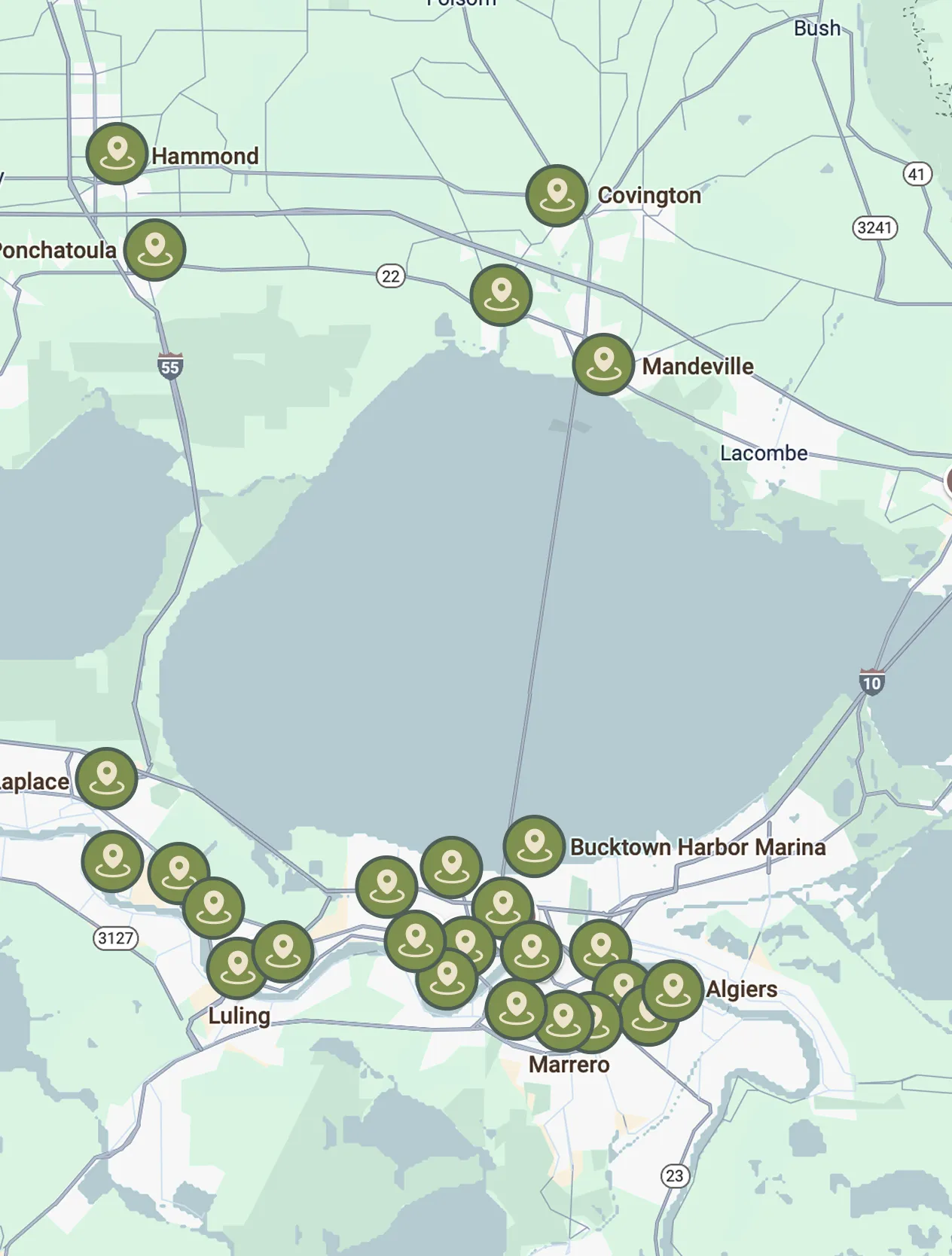
Service areas
Our service areas are designed to meet the diverse needs of our clients. We focus on providing exceptional service and ensuring customer satisfaction in every location we operate.