Florida Room Heating & Air Conditioning in Laplace, LA
.webp)
Florida rooms, or sunrooms, are prized living spaces in Laplace, LA, offering daylight, views, and extra square footage. But achieving consistent comfort in these spaces requires more than a standard HVAC system. The high solar gain from large windows, the elevated humidity common in southeastern Louisiana, and seasonal temperature swings all demand careful system selection, sizing, insulation, and moisture control. Cypress Cooling provides expert guidance on tailored HVAC solutions for Florida rooms in Laplace, ensuring reliable comfort year round while minimizing operating costs and preventing moisture related issues. With Cypress Cooling, you can enjoy your sunroom to the fullest.
-min%2520(1).webp)
Florida Room Heating & Air Conditioning in Laplace, LA
Florida rooms, or sunrooms, are prized living spaces in Laplace, LA, offering daylight, views, and extra square footage. Proper heating and air conditioning in a Florida room requires more than installing a standard system meant for interior spaces. High solar gain from large windows, elevated humidity common to southeastern Louisiana, and seasonal temperature swings make system selection, sizing, insulation, moisture control, and proper installation critical for comfort and energy efficiency. Cypress Cooling Company provides expert guidance on tailored HVAC solutions for Florida rooms in Laplace, ensuring reliable comfort year round while minimizing operating costs and moisture-related issues.
Why Florida Room HVAC is Different in Laplace, LA
Laplace has a humid subtropical climate: hot, humid summers, frequent afternoon storms, and mild winters. Those conditions create several technical challenges for Florida room HVAC:
- High solar gain through south and west-facing glazing increases cooling load dramatically during summer afternoons.
- Elevated outdoor humidity means the HVAC has to remove latent heat as well as sensible heat to prevent clamminess, condensation, and mold risk.
- Temperature differences between the Florida room and the conditioned interior can cause thermal bridging, heat loss in winter, and stress on adjacent zones.
- Occasional heavy storms and wind-driven rain can expose gaps or weak seals, increasing infiltration and moisture migration.
Addressing these factors from the start gives homeowners a durable, energy-efficient setup that keeps the Florida room comfortable without causing issues in adjacent living spaces.
Common Florida Room HVAC Options
Selecting the right equipment depends on glazing area, existing ductwork, aesthetic preferences, and how the room is used. Common choices for Florida rooms in Laplace include:
- Ductless mini splits
- Ideal for rooms without existing ducts.
- Offer high efficiency, variable-speed compressors, and precise zoning.
- Indoor heads mount on walls or ceilings to minimize visual impact.
- Compact packaged HVAC units
- Small packaged units can fit on an exterior pad or rooftop and duct to the sunroom.
- Good where a single, self-contained system is preferred.
- Through-the-wall or PTAC-style units
- Useful when a lower upfront cost is required and the room is used intermittently.
- Less efficient and noisier than ductless or packaged options.
- Small ducted heat pump systems
- Allow hidden ducts in soffits or attic spaces to preserve sightlines.
- Can integrate with the home s central system in some configurations.
- Dedicated dehumidifiers paired with cooling systems
- In extreme humidity, a dehumidifier may be needed to maintain comfort without overcooling.
Each option has tradeoffs. Ductless mini splits are often the best fit for Laplace Florida rooms due to strong dehumidification capability, zoning flexibility, and minimal disruption during installation.
Load and Sizing Considerations for Florida Rooms
A correct load calculation is the foundation of a successful installation. Oversized or undersized equipment creates comfort and energy problems. For Florida rooms, standard rules of thumb are insufficient because of glazing and solar effects. Important load considerations include:
- Glazing area and orientation
- South and west-facing windows add significant solar heat gain.
- Single-pane glass requires more capacity than double-pane or low-e glass.
- Window properties
- Low-e coatings, gas fills, and insulated frames reduce heat transfer.
- Roof construction and insulation
- Light-colored roofing, reflective barriers, or additional attic insulation reduce heat transfer into the sunroom.
- Internal gains
- Lighting, electronics, and occupancy add to the cooling load.
- Air infiltration
- Gaps around windows, doors, and roof penetrations can add uncontrolled load and moisture.
A Manual J style calculation, adapted for atypical glazing and solar gain, produces the right capacity and airflow targets. Cypress Cooling Company emphasizes variable-speed equipment sizing that responds to peak solar loads without cycling excessively during lower demand periods.
Insulation, Sealing, and Fenestration Recommendations
Improving the building envelope yields immediate comfort and efficiency benefits:
- Upgrade glazing where possible
- Double-pane low-e windows or storm windows reduce heat gain and condensation risk.
- Consider solar control films for west-facing glazing to cut afternoon heat.
- Insulate roof and walls
- Insulate the ceiling and any exposed walls with proper R-values for southeastern Louisiana climates to buffer solar heat and night-time cooling.
- Use continuous insulation where framing creates thermal bridges.
- Seal penetrations and transitions
- Weatherstripping doors, caulking gaps, and sealing around window frames reduce infiltration and moisture intrusion.
- Consider operable shading
- Exterior shades, awnings, or pergolas cut solar gain more effectively than interior blinds.
- Interior cellular shades add thermal resistance during cooler nights.
- Ventilation balance
- Properly sealed rooms still need controlled ventilation; use energy recovery ventilators or controlled exhaust to manage fresh air without huge energy loss.
For Laplace, where humidity is a major concern, robust sealing combined with controlled mechanical humidity removal is more effective than trying to cool an under-insulated, leaky space.
Moisture Control and Dehumidification Strategies
High humidity drives condensation, mold, and discomfort. A well-designed Florida room system in Laplace must manage latent load as effectively as sensible load.
- Prioritize equipment with strong dehumidification
- Variable-speed compressors and multi-stage systems remove moisture at lower temperatures without overcooling.
- Pair cooling with dedicated dehumidification
- Whole-room or ducted dehumidifiers allow you to maintain relative humidity targets (typically 50 percent or less) while keeping temperature at a comfortable level.
- Ensure proper drainage and condensate handling
- Condensate lines must slope properly and include traps and overflow protection to avoid water backups.
- Address surrounding building moisture
- Correct crawlspace or foundation moisture sources that can migrate into the sunroom.
- Use thermostats with humidity control
- Controls that monitor both temperature and humidity help the system prioritize latent removal when needed.
These strategies reduce the risk of mold growth on window sills and framing and protect furnishings and finishes common in Florida rooms.
Typical Installation Process and Timeline
A transparent, well-planned installation minimizes disruption and avoids hidden problems. A typical project sequence:
- Site assessment and load calculation
- Detailed measurement of glazing, orientation, insulation, and use patterns informs equipment selection.
- System selection and accessory planning
- Decide on mini-split heads, drain routing, electrical upgrades, and controls.
- Permitting and scheduling
- Obtain any required local permits and coordinate with the project schedule.
- Preparation work
- Minor carpentry, mounting pads, or sleeve installations for wall penetrations.
- Equipment installation
- For ductless mini splits: mounting indoor heads, outdoor compressor placement, refrigerant line runs, wiring, and condensate routing. Typical timeline 1 to 2 days for single-head installations.
- For compact packaged units: site preparation, pad or curb installation, ducting, and electrical hookups. Timeline 2 to 4 days depending on complexity.
- Commissioning and testing
- Refrigerant charge verification, airflow balancing, humidity checks, and control programming.
- Occupant walkthrough and system orientation
- Explain controls, maintenance needs, and humidity targets.
Project timelines vary with system complexity, structural modifications, and permitting. Cypress Cooling Company builds realistic schedules that account for Laplace weather patterns and homeowner needs.
Maintenance and Seasonal Tune-Up Plans
Regular maintenance keeps the Florida room system efficient and prevents moisture or performance problems common in humid climates.
Recommended seasonal tasks:
- Spring tune up before summer peak
- Clean outdoor coils, inspect refrigerant lines and insulation, check condensate drains, and verify system charge and airflow.
- Fall inspection before cooler months
- Test heating performance, verify drain and condensate protections, and ensure controls switch cleanly between modes.
- Monthly or quarterly homeowner checks
- Replace or clean filters, clear debris from outdoor units, and verify thermostats and humidity sensors.
- Annual dehumidifier maintenance
- Clean coils, test pumps, and inspect condensate routing if a dedicated dehumidifier is installed.
- Condensate trap and safety device checks
- Ensure overflow switches and condensate-safe shutoffs operate to prevent water damage.
Proper maintenance reduces wear on compressors and motors, prevents refrigerant leaks from becoming performance problems, and maintains healthy indoor air quality in Laplace s humid environment.
Common Repair Issues and Troubleshooting
Understanding common failure modes helps diagnose issues quickly and minimize downtime. Typical Florida room problems in Laplace include:
- System short cycling
- Often caused by oversized equipment, reduced airflow from clogged filters, or thermostat placement in direct sun.
- Solution: Verify proper sizing and move thermostat to a shaded, representative location. Clean filters and ensure airflow pathways.
- Insufficient dehumidification
- Caused by single-stage systems that cannot run long enough at low capacities, or poor condensate drainage.
- Solution: Install a variable-speed system or dedicated dehumidifier and correct drainage issues.
- Freezing indoor coil
- Poor airflow or low refrigerant charge can cause coil icing in cooling mode.
- Solution: Check filters, blower operation, and refrigerant charge. Repair leaks and restore proper airflow.
- Condensation and water on glass or frames
- Result of high indoor humidity and cold surface temperatures or thermal bridging.
- Solution: Improve envelope insulation, add dehumidification, and balance air temperatures.
- Refrigerant leaks
- Lead to loss of cooling capacity and potential environmental concerns.
- Solution: Locate and repair the leak, evacuate and recharge to correct charge, and test system operation.
- Noisy operation or vibration
- Loose mounts, improper sizing, or failing motors cause noise.
- Solution: Secure mounting, inspect fan motors and compressors, and replace worn components.
Early diagnosis avoids damage to finishes and frames that are common in Trent Louisiana s humid climate.
Manufacturer Options and Warranties
Reputable manufacturers offer equipment well suited to Florida rooms, with varying warranty structures:
- Mitsubishi Electric
- Strong reputation for mini splits and excellent dehumidification; warranties commonly include 7 to 12 year compressor coverage when registered.
- Daikin
- Offers efficient variable-speed mini splits and packaged options; standard warranties vary but extended plans are available.
- Carrier
- Broad lineup of ducted and packaged units; good options for matched systems and warranty extensions.
- Lennox
- High-efficiency systems and advanced controls, with reliable warranty options on sealed systems and components.
- Trane
- Known for durability and serviceability; compressors and heat exchangers often have robust limited warranties.
Typical warranties include:
- Parts warranty: 1 to 10 years depending on manufacturer and registration.
- Compressor warranty: 5 to 12 years on many modern units.
- Extended or labor warranties: Available from manufacturers or installers for additional years.
Cypress Cooling Company reviews warranty registration requirements and typical coverage so homeowners understand long-term protection and service expectations before choosing equipment.
Financing and Estimates
Financing can make higher-efficiency systems and envelope upgrades more accessible. Typical financing structures include low-interest loans, term financing, and manufacturer financing programs. Free estimates and written proposals allow homeowners to compare total installed cost, projected operating savings, and payback scenarios. Comparing lifecycle cost, not just upfront price, often favors higher-efficiency systems in Laplace where cooling and dehumidification dominate annual energy expenses.
Choosing the Right Solution for Your Florida Room
Selecting the best HVAC approach depends on several practical questions:
- How is the room used?
- Full-time living space demands a higher level of comfort control and dehumidification than occasional use rooms.
- How large is the glazing and what is its orientation?
- Large west-facing glass surfaces typically need more capacity and solar control strategies.
- Is there existing ductwork?
- Ductless options reduce invasive construction and are efficient for retrofit scenarios.
- What are aesthetic preferences?
- Ceiling cassettes or concealed ducts preserve sightlines better than wall-mounted heads for some homeowners.
- What is the budget for ongoing operation?
- Variable-speed compressors and better envelope improvements increase upfront cost but reduce seasonal energy demands and humidity-related wear.
Cypress Cooling Company evaluates these factors and develops options that balance performance, aesthetics, first cost, and lifetime operating expense. For many Laplace Florida rooms, a variable-speed ductless mini split paired with shading, improved insulation, and a humidity-focused control strategy yields the best combination of comfort and efficiency.
Energy Efficiency and Long-Term Benefits
Investing in the right Florida room HVAC strategy pays off through lower energy bills, improved comfort, and better asset protection:
- Reduced energy consumption
- Proper sizing and variable-speed equipment avoid cycling losses and trim peak demand.
- Improved indoor air quality
- Dehumidification and balanced ventilation reduce mold and allergens.
- Extended equipment life
- Systems that operate efficiently under correct loads experience less wear.
- Preservation of finishes and furnishings
- Maintaining stable humidity and temperature protects window seals, wood trim, and upholstery.
- Enhanced year-round usability
- Proper heating integration and solar control make the sunroom a comfortable space in all seasons.
In Laplace s climate, these benefits are particularly meaningful because of year-round humidity and strong summer solar loads.
Q: How do I know if my Florida room needs a dedicated HVAC system?A: Signs include significant temperature or humidity difference from the rest of the house, window condensation, mold or mildew, or frequent opening of doors to balance the room. A load assessment that accounts for glazing and solar orientation provides a definitive answer.
Q: Are ductless mini splits noisy?A: Modern mini-split indoor units operate quietly, often quieter than window or PTAC units. Outdoor compressor noise can be minimized with proper placement and vibration isolation.
Q: Will sealing up my Florida room create ventilation problems?A: Proper sealing should be paired with controlled ventilation strategies such as energy recovery ventilators or balanced exhaust. This maintains indoor air quality without uncontrolled moisture or energy loss.
Q: How much dehumidification should I expect for a Florida room in Laplace?A: Target relative humidity below 50 percent for comfort and mold prevention. Variable-speed equipment and dedicated dehumidification units help maintain that level without excessive cooling.
Q: What is the typical installation timeline for a mini split in a Florida room?A: For a single-head mini-split installation, expect one to two days of on-site work after site prep and permit approval. Larger multi-zone systems or packaged unit installs take longer due to additional ductwork or modifications.
Q: Can I use a smart thermostat with a mini split?A: Many modern mini-splits support smart controls either through manufacturer apps, third-party thermostats, or integrated smart modules. Look for humidity control and scheduling features tailored to Florida room needs.
Q: What warranties should I expect on new equipment?A: Warranties vary by manufacturer but commonly include 5 to 10 years on compressors with parts coverage for 1 to 10 years. Registering equipment and following recommended maintenance often maximizes available warranty benefits.
Q: Will solar shading or window film reduce HVAC needs?A: Yes. Exterior shading, awnings, and high-quality solar control films significantly reduce solar heat gain and can downsize the equipment required or reduce run times and energy consumption.
Q: Why is a Manual J load calculation important for a Florida room?A: Manual J accounts for glazing, orientation, insulation levels, and solar gain to size equipment accurately. For rooms with large glass areas, this prevents undersizing (discomfort) or oversizing (short cycling).
Q: Can I integrate the Florida room system with my home s existing HVAC?A: Integration is possible in some cases but must be evaluated carefully to avoid imbalanced loads and humidity control issues. Dedicated systems often provide better performance and control for heavily glazed spaces.
Cypress Cooling Company crafts Florida room heating and air conditioning solutions tailored to Laplace conditions. By addressing solar gain, humidity control, insulation, and equipment selection with industry-grade standards and clear installation processes, homeowners gain reliable comfort and long-term energy savings in their sunrooms.
OUR CLIENTS HAVE TO SAY ABOUT US



Service areas
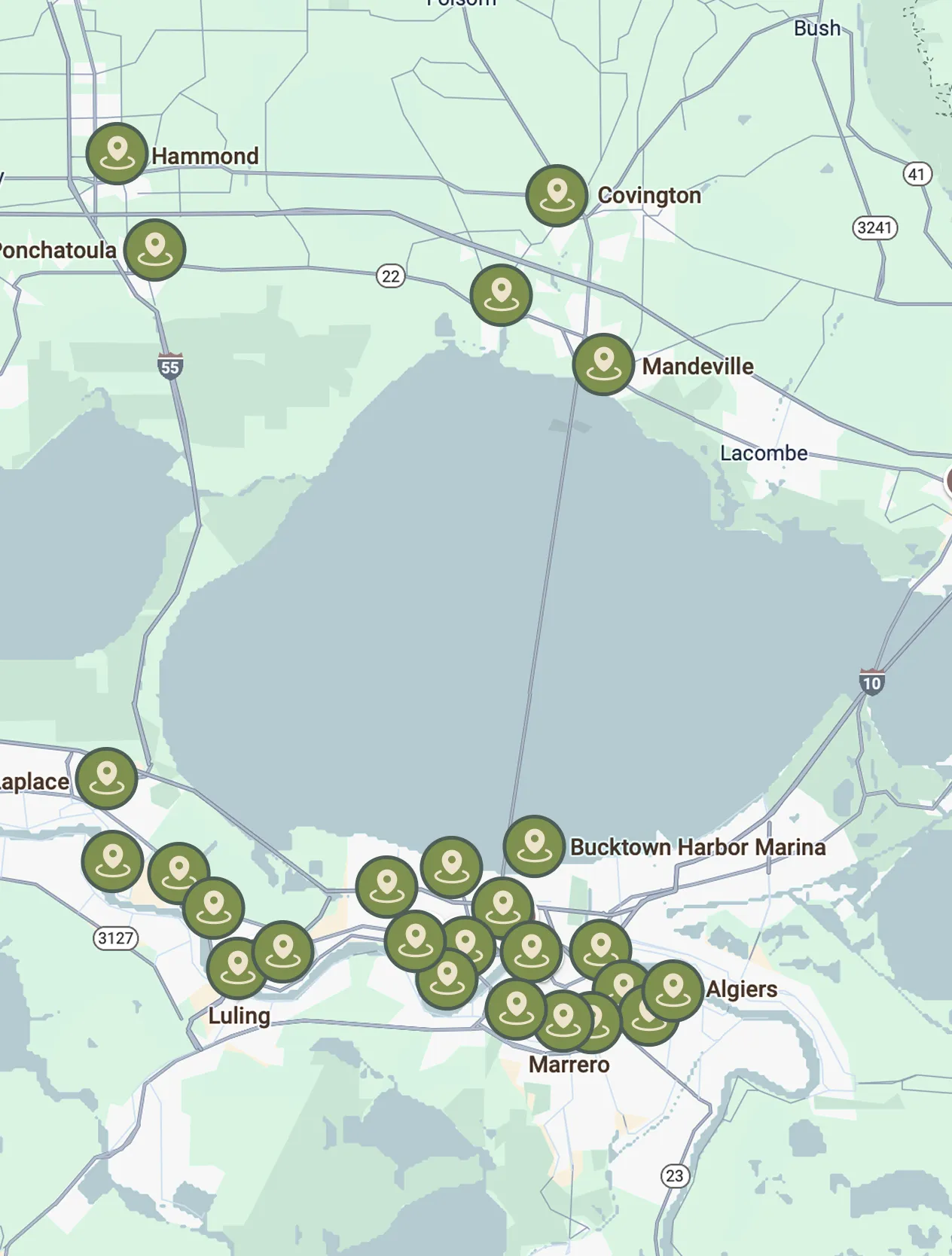
Our service areas are designed to meet the diverse needs of our clients. We focus on providing exceptional service and ensuring customer satisfaction in every location we operate.