Florida Room Heating & Air Conditioning in Harvey, LA
.webp)
Florida rooms and sunrooms transform unused space into bright, livable extensions of your home. In Harvey, LA, those glassheavy, highsolargain spaces present unique heating and air conditioning challenges because of intense sun, high humidity, and frequent storm conditions. Cypress Cooling Company provides specialized Florida room heating and air conditioning guidance tailored to Harvey homes, focusing on precise load sizing, moisture control, efficient equipment choices, and codeaware installations that keep your sunroom comfortable year round.
Florida Room Heating & Air Conditioning in Harvey, LA
Florida rooms and sunrooms transform unused space into bright, livable extensions of your home. In Harvey, LA, those glass-heavy, high-solar-gain spaces present unique heating and air conditioning challenges because of intense sun, high humidity, and frequent storm conditions. Cypress Cooling Company provides specialized Florida room heating and air conditioning guidance tailored to Harvey homes, focusing on precise load sizing, moisture control, efficient equipment choices, and code-aware installations that keep your sunroom comfortable year round.
Why Florida rooms in Harvey need specialized HVAC solutions
Sunrooms are different from standard conditioned spaces: they have more glass, variable insulation, rapid temperature swings, and heavier solar loads. In Harvey, the subtropical climate means:
- High humidity and moisture carry year round, increasing condensation risk on glazing and surfaces.
- Strong solar radiation in summer leads to high cooling loads and overheating during afternoon hours.
- Mild winters still require effective low-temperature heating options that do not produce excessive humidity.
- Hurricane and flood risk in parts of Jefferson Parish affects permitting, equipment placement, and glazing choices.
Standard home HVAC systems are often oversized or poorly zoned for Florida rooms, causing short cycling, poor humidity control, or inefficient comfort. Expert assessment and right-sized, purpose-built solutions prevent these problems while protecting windows, finishes, and the value of your home.
Common Florida room HVAC issues in Harvey, LA
- Overheating during afternoon sun, despite central air being on
- High condensation on windows and frames in spring and fall
- Mold or mildew odor from trapped moisture
- Uneven comfort between the main house and the sunroom
- Short cycling or frequent on/off cycles when tied to an oversized central system
- Noise or aesthetic concerns with bulky ductwork
- Equipment vulnerable to storm or flood damage if improperly located
Understanding these common scenarios helps guide decisions about insulation, glazing, ventilation, and system type. Cypress Cooling Company evaluates these factors for every Harvey installation.
Types of HVAC solutions for Florida rooms
Choosing the right system depends on sunroom size, glazing ratio, intended use, and structural constraints. Common and effective options include:
- Ductless mini-split systems
- Provide zone-specific heating and cooling with high efficiency.
- Allow for multiple indoor heads for larger or irregular rooms.
- Minimal invasive install with small refrigerant lines; no major ductwork changes.
- Excellent humidity control when selected with appropriate capacity and controls.
- Compact packaged HVAC units
- Offer integrated heating and cooling in a single outdoor unit with a small indoor coil.
- Useful when ducting can be kept short or concealed, or when matching home aesthetics.
- Through-wall or high-efficiency window units (rarely preferred)
- Lower upfront cost but often lack the dehumidification and quiet operation of mini-splits.
- Consider only for small, lightly used spaces.
- Dedicated dehumidification coupled with heating and cooling
- In hot-humid climates like Harvey, a dedicated dehumidifier can maintain comfort without overcooling.
- Can be a whole-room or integrated solution depending on load.
- Hybrid approaches
- Central system with a properly sized return and dedicated zone dampers can work if ductwork and thermostat placement are engineered for the sunroom.
- Combining shading, glazing upgrades, and a right-sized HVAC system often yields the best comfort and efficiency.
Load and sizing assessments for high-solar-gain spaces
Accurate load calculation is the cornerstone of effective Florida room conditioning. Cypress Cooling Company uses industry-standard load procedures adapted for sunrooms to ensure correct equipment sizing:
- Detailed solar analysis
- Assess orientation, window area, and shading from trees or adjacent structures.
- Account for local solar intensity and seasonal sun angle in Harvey.
- Envelope evaluation
- Determine wall construction, roof assembly, ceiling insulation, and glazing type.
- Identify thermal bridges and infiltration pathways.
- Internal gains
- Consider occupants, lighting, appliances, and plants that add latent and sensible loads.
- Humidity and ventilation needs
- Factor in outdoor humidity typical for Harvey and determine dehumidification requirements.
- Final sizing
- Size for sensible cooling loads driven by solar heat gain, while ensuring sufficient latent capacity to control humidity.
- Avoid oversizing, which causes short cycling and poor dehumidification; oversizing is a common cause of Florida room comfort complaints in southern Louisiana.
Insulation, glazing, and shading recommendations
Improving the thermal performance of the room reduces HVAC capacity needs and operating costs. For Harvey-area Florida rooms, prioritize:
- High-performance glazing
- Low-e coatings and double glazing significantly reduce solar heat gain.
- Consider laminated or hurricane-rated glass where local code or exposure requires it.
- Window films and exterior shading
- Solar control films or exterior shades can cut peak solar gains without changing glazing.
- Awnings or operable exterior shades protect glass from direct sun and reduce cooling loads.
- Insulation and thermal breaks
- Ensure ceiling and wall cavities meet or exceed local insulation requirements.
- Add thermal breaks where framing creates cold or hot spots that lead to condensation.
- Proper seals and weatherstripping
- Reduce infiltration that brings humid outdoor air into the conditioned space.
These building envelope measures are especially effective in Harvey where solar and humidity stress HVAC systems daily.
Moisture, condensation, and drainage management
Moisture is a primary adversary in Harvey-area Florida rooms. Systems and construction must be designed to manage both indoor humidity and water intrusion:
- Control indoor humidity
- Select HVAC equipment with adequate latent capacity or add a dedicated dehumidifier.
- Maintain indoor relative humidity between 45 and 55 percent to minimize condensation and mold risk.
- Condensation prevention techniques
- Improve surface temperatures by upgrading glazing and insulating frames.
- Ensure continuous airflow across windows and glass surfaces to minimize stagnant, cold surfaces where moisture forms.
- Drainage and flashing
- Verify roof-to-wall transitions and window flashings are correctly installed to prevent water infiltration during storms.
- Route HVAC condensate lines to appropriate drains above expected flood elevation when required.
- Equipment placement and flood considerations
- In flood-prone areas of Harvey, place outdoor units and condensate equipment above local flood elevation or use flood-resistant mounts to reduce risk.
Ventilation and indoor air quality for sunrooms
Balanced ventilation and filtration strategies improve comfort and protect finishes and occupants:
- Ventilation strategy
- Use controlled ventilation to exchange indoor air without introducing excessive humidity.
- Heat recovery ventilators are rarely ideal in very humid climates unless paired with robust dehumidification; consider local climate impacts when specifying.
- Filtration and allergens
- High-efficiency filters capture pollen, dust, and pet dander, important when windows are frequently opened.
- If the sunroom will be used for hobbies or plants, consider upgraded filtration or localized exhaust for activities that generate particulates.
- UV and odor control
- UV light in-duct systems and activated carbon filters can help with odors and biological contaminants, but must be sized for the specific equipment.
- Controls and sensors
- Install humidity sensors and smart thermostats calibrated for the sunroom environment to coordinate dehumidification and temperature control.
Step-by-step installation process and typical timeline
Cypress Cooling Company follows a clear, code-conscious process to minimize surprises and keep projects on schedule. Typical steps include:
- Initial site survey and needs assessment (1 to 3 days)
- Onsite measurements, glazing inspection, orientation analysis, and utility checks.
- Discuss desired comfort levels and usage patterns.
- Load calculation and system recommendation (2 to 5 days)
- Produce heat gain/loss reports and propose equipment options matched to the space and budget parameters.
- Permit submission and approvals (timeline varies)
- Prepare permit documents for Jefferson Parish or local jurisdiction.
- Response times depend on local permitting workload and whether hurricane/flood compliance reviews are required.
- Equipment procurement (1 to 2 weeks)
- Order selected units, controls, and materials considering lead times.
- Installation (1 to 5 days depending on complexity)
- Mount outdoor unit and indoor heads or coils, run refrigerant lines and electrical, install condensate drainage, and complete any minor framing or penetrations.
- When glazing or insulation upgrades are included, additional contractor coordination may extend the timeline.
- Start-up, balancing, and commissioning (1 day)
- System is evacuated, charged, and balanced. Controls and sensors calibrated for optimal humidity and temperature performance.
- Final inspection and documentation (timing depends on permit process)
- Provide system documentation, warranty papers, and maintenance recommendations.
Actual timelines vary by permit lead times and the scope of envelope upgrades. Cypress Cooling Company coordinates with local inspectors and trade partners to help streamline approvals in Harvey.
Permit and code considerations in Harvey, LA
Sunroom HVAC projects in Harvey must comply with local building and mechanical codes and often require permits. Relevant considerations include:
- Local permitting authority
- Permits are typically issued through the Jefferson Parish construction and permitting office for unincorporated areas like Harvey.
- Plan submittals should show equipment locations, electrical capacity, and structural modifications.
- Hurricane and wind resistance
- In some areas, hurricane-rated glazing or reinforced framing is required. HVAC components mounted to the structure must meet wind load and attachment standards.
- Floodplain and elevation requirements
- Equipment placement and electrical connections may be subject to elevation requirements in flood zones. Verification of base flood elevation may change installation details.
- Energy code compliance
- Systems and installation practices need to comply with state and local energy codes, including equipment efficiency and installation practices that affect envelope integrity.
- Refrigerant regulations
- Technicians must follow EPA refrigerant handling rules and local licensing requirements for refrigerant recovery and charging.
Cypress Cooling Company prepares permit-ready documentation and coordinates inspections to ensure compliance for Harvey projects.
Financing, warranty, and ownership protections
While specific pricing varies by scope and equipment, homeowners in Harvey typically evaluate financing and warranty options to protect their investment:
- Warranty types
- Manufacturer limited warranties on compressors, heat exchangers, and parts are standard.
- Labor warranties for installation cover workmanship and are often offered for a set period after installation.
- Extended warranties or service agreements can provide multi-year coverage for parts and labor.
- Financing options
- Many HVAC projects can be financed through third-party lenders, home improvement loans, or home equity lines of credit.
- Financing plans are evaluated during the proposal stage and structured to match project scope and homeowner preference.
- Documentation and registration
- Register manufacturer warranties and obtain installation documentation at project completion to activate coverage.
Cypress Cooling Company explains warranty terms and typical financing structures so Harvey homeowners can make informed ownership decisions.
Recommended maintenance schedule for Florida rooms
Sunroom systems require regular maintenance to control humidity, preserve equipment life, and maintain efficient operation. Suggested schedule:
- Every 1 to 3 months
- Check and replace or clean filters. Clogged filters reduce airflow and worsen humidity issues.
- Inspect condensate drain and trap for blockages.
- Biannually
- Professional coil cleaning and system inspection before summer and winter seasonal peaks.
- Check refrigerant levels and look for leaks.
- Annually
- Full system tune-up, including electrical connections, thermostat calibration, blower motor checks, and duct inspection if present.
- Evaluate insulation and weatherstripping for any degradation.
- After storms or flood events
- Inspect outdoor units and electric disconnects for water damage.
- Verify equipment operation and safety controls before normal use.
Following a maintenance schedule reduces unexpected failures and helps the system control humidity in Harvey's humid conditions.
Common troubleshooting and repair scenarios
Knowing common failure modes helps diagnose and resolve problems quickly:
- Poor cooling or overheating
- Possible causes: undersized system, excessive solar gain, blocked airflow, low refrigerant, or failed compressor components.
- Fixes: rebalancing loads, improving shading or glazing, repairing refrigerant leaks, or replacing malfunctioning components.
- Excessive condensation or dripping
- Possible causes: insufficient latent capacity, blocked condensate drains, or cold spots on glazing.
- Fixes: add dehumidification, clear and reroute condensate lines, improve insulation or increase surface temperature via glazing upgrades.
- Short cycling and rapid on/off operation
- Possible causes: oversized equipment, thermostat placement near windows, or control wiring issues.
- Fixes: correct thermostat placement, install soft-start controls, or re-evaluate system sizing.
- Uneven temperatures across the room
- Possible causes: poor airflow distribution, incorrect head placement for mini-splits, or inadequate zoning.
- Fixes: reposition heads, add additional indoor units or fans, and balance airflow.
- Strange noises or vibrations
- Possible causes: loose mounting, failing fan motors, or debris in outdoor units after storms.
- Fixes: tighten mounts, replace bearings or motors, and clear debris.
- Refrigerant leaks
- Detection and repair by licensed technicians using proper EPA-compliant procedures is essential to restore performance.
Cypress Cooling Company diagnoses these problems using systematic checks and provides durable repairs designed for Harvey conditions.
The benefits of a properly designed Florida room HVAC system
Investing in a tailored heating and air conditioning solution for your Florida room delivers measurable benefits for Harvey homeowners:
- Consistent comfort with reduced temperature swings and minimized condensation
- Energy efficiency through right-sized equipment and envelope improvements
- Extended usable living space year round, even during hot, humid summers
- Reduced risk of mold and material degradation from humidity and condensation
- Compliance with local codes and storm or flood mitigation practices that protect equipment and home value
Cypress Cooling Company applies local climate experience and technical expertise to design systems that balance comfort, durability, and efficiency for sunrooms in Harvey.
Q: How does Cypress Cooling Company size a Florida room system differently than a typical room in the house?A: We perform a detailed heat gain and humidity analysis that accounts for glazing area, orientation, solar radiation, and local Harvey humidity. This ensures sensible and latent capacity are sized correctly to avoid oversizing and poor dehumidification.
Q: Are mini-split systems the best option for every sunroom in Harvey?A: Mini-splits are often ideal due to their zoning capability and minimal ductwork, but the best option depends on room size, access for installation, glazing performance, and whether envelope upgrades or dedicated dehumidification are needed.
Q: What steps reduce condensation on sunroom windows?A: Improve glazing performance with low-e or laminated glass, add exterior shading or films, increase indoor surface temperatures via insulation improvements, and control indoor humidity using HVAC latent capacity or a dedicated dehumidifier.
Q: Do Florida room HVAC installations need permits in Harvey?A: Yes, most HVAC installations and related structural changes require permits through the local permitting authority, typically Jefferson Parish for unincorporated Harvey areas. Permits ensure compliance with wind, flood, and energy codes.
Q: How often should I run maintenance on a Florida room HVAC system in Harvey?A: Replace or clean filters every 1 to 3 months, schedule professional tune-ups twice a year ahead of summer and winter peaks, and perform a full inspection annually. After severe storms, check outdoor equipment and electrical connections.
Q: Can I improve my existing sunroom comfort without replacing the HVAC unit?A: Yes. Upgrades such as adding shading, improving glazing, sealing air leaks, installing a dehumidifier, or adjusting controls can often significantly improve comfort without full system replacement.
Q: What warranty and protection should I expect for a new sunroom system?A: Manufacturers provide parts and compressor warranties, while installers offer labor warranties for workmanship. Extended service agreements and registered manufacturer warranties add long-term protection and documentation.
Q: Will a ventilator or energy recovery ventilator work in Harvey’s humid climate?A: Ventilators improve fresh air quality but must be selected carefully in humid climates. Energy recovery ventilators can transfer moisture and may not always reduce indoor humidity. Pair ventilation with dehumidification and climate-aware controls for best results.
Cypress Cooling Company combines local knowledge of Harvey climate conditions with proven HVAC practices to design, install, and maintain Florida room heating and air conditioning systems that meet both comfort and code requirements. Whether you are building a new sunroom or upgrading an existing space, thoughtful design and proper components make the difference between an uncomfortable, underperforming room and a climate-controlled oasis that adds daily value to your home.
OUR CLIENTS HAVE TO SAY ABOUT US



Service areas
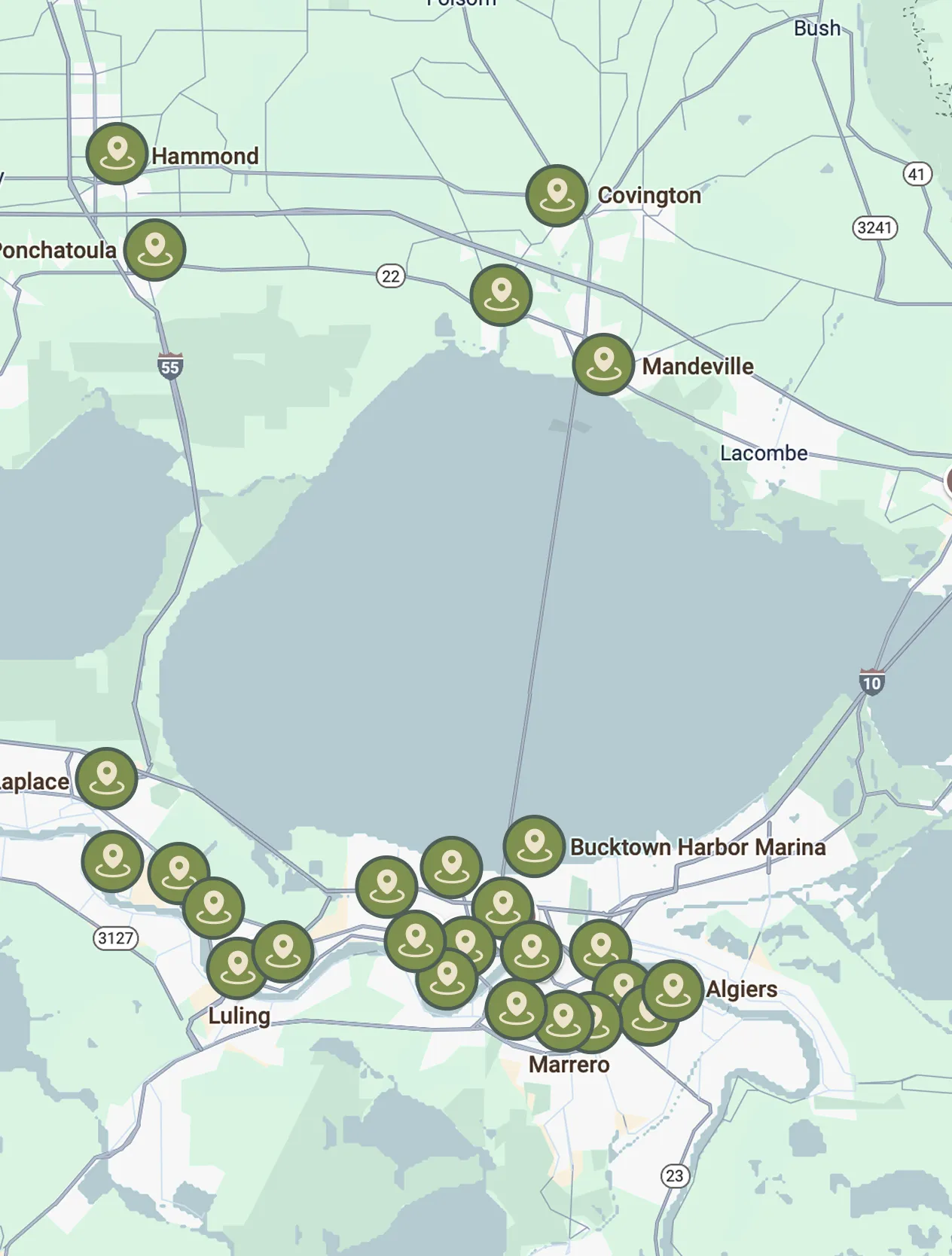
Our service areas are designed to meet the diverse needs of our clients. We focus on providing exceptional service and ensuring customer satisfaction in every location we operate.