Florida Room Heating & Air Conditioning in Hammond, LA
.webp)
Florida rooms and sunrooms are beloved additions to Hammond, LA homes, bringing light, views, and extra living space. However, glazed walls and high solar gain also create unique heating and cooling challenges in our hot, humid climate. Cypress Cooling Company designs and installs tailored Florida room heating and air conditioning systems that balance comfort, indoor air quality, and energy efficiency, all while respecting local permitting and inspection requirements. We focus on providing the best solutions for Hammondarea homes.
-min.webp)
Florida Room Heating & Air Conditioning in Hammond, LA
Florida rooms and sunrooms are beloved additions to Hammond, LA homes, bringing light, views, and extra living space. But glazed walls and high solar gain also create unique heating and cooling challenges in our hot, humid climate. Cypress Cooling Company designs and installs tailored Florida room heating and air conditioning systems that balance comfort, indoor air quality, and energy efficiency while respecting local permitting and inspection requirements. This page explains common problems, system choices, sizing and retrofit principles, humidity control strategies, installation steps, expected timelines, warranty and financing considerations, and maintenance advice specific to Hammond-area homes.
Why a dedicated Florida room system matters in Hammond, LA
Florida rooms are often more exposed to sun and outdoor conditions than standard interior rooms. In Hammond, the combination of intense summer heat, high humidity, and seasonal temperature swings means a conventional home HVAC system may not keep a sunroom comfortable or may do so inefficiently. A dedicated solution prevents uneven comfort, reduces energy waste, and protects the space from humidity-related problems like condensation and mold.
Common pain points for Hammond sunroom owners:
- Overheating in summer due to direct sun through large windows.
- Excess humidity and condensation on glass and frames.
- Inefficient load on existing central systems leading to higher energy use.
- Drafts and heat loss in cooler months if the space is not well insulated.
- Difficulty maintaining consistent temperatures for plants, furnishings, or year-round use.
Cypress Cooling Company focuses on practical, cost-effective designs that address these issues while complying with Tangipahoa Parish and Hammond permitting and inspection practices.
Common Florida room HVAC issues in Hammond, LA
- Solar heat gain: South- and west-facing glazing can drive large cooling loads in the afternoon.
- High indoor humidity: Louisiana humidity increases the latent load, making spaces feel hotter and encouraging mold growth.
- Poor insulation and thermal breaks: Many sunrooms were added as afterthoughts and lack continuous insulation or proper sealing.
- Mismatched equipment: An overworked central system or oversized unit leads to short cycling, poor humidity control, and comfort issues.
- Condensate management: Improper drain routing or lack of slope can cause water problems.
- Air leakage and infiltration: Gaps, sliding glass doors, and vents bring in unconditioned air.
Understanding these local conditions guides system selection and installation choices to deliver reliable, year-round comfort.
Choosing the right system for a Florida room in Hammond, LA
Several effective HVAC options exist for Florida rooms and sunrooms. The right choice depends on the space size, glazing percentage, existing home HVAC, electrical capacity, and whether the sunroom is conditioned now or being retrofitted.
Ductless mini splits
- Best for: Spaces without existing ductwork, high solar gain rooms, or when zoning is desired.
- Advantages: Highly efficient inverter-driven compressors, precise temperature control, good dehumidification when sized and controlled properly, minimal invasive installation, wall- or ceiling-mounted heads.
- Considerations: Requires properly sized indoor units and placement to ensure airflow across glazing and occupants. Line sets and electrical must be routed to an outdoor condenser.
Compact heat pumps
- Best for: Small to medium Florida rooms where both heating and cooling are needed with a compact footprint.
- Advantages: Single outdoor unit with a compact indoor air handler or through-wall option, efficient all-season operation in mild southern winters.
- Considerations: Select models rated for Louisiana climate and ensure proper defrost and low ambient performance if cooler winters are expected.
Packaged units and PTAC-style solutions
- Best for: Additions where through-wall installation is practical or when ductless heads are not desirable for aesthetics.
- Advantages: Self-contained, easier to replace, can include electric heat strips or heat pump components.
- Considerations: Lower efficiency and potential noise concerns; not always the best for humidity control compared with mini splits with variable-speed compressors.
Hybrid approaches
- Best for complex projects or when integrating with an existing central system.
- Options: Small dedicated mini-split for peak loads plus supplemental ventilation tied to the home system, or partial ducting with high-efficiency compact units.
Cypress Cooling Company evaluates solar orientation, glazing type, shading, and insulation before recommending the system type most likely to deliver comfort and efficient operation in Hammond homes.
Load and sizing considerations for glazed spaces
Accurate load calculation is vital. Florida rooms often have atypical heat gains and losses due to glazing, so rule-of-thumb sizing leads to undersized or oversized equipment and poor humidity control.
Key factors in load calculation:
- Glazing area and solar orientation: South- and west-facing glass increases afternoon cooling needs. Glass type (single, double, low-E) affects performance.
- Occupancy and use: Number of occupants, electronics, and lighting add internal loads.
- Ceiling height and ventilation: Tall vaulted ceilings increase volume and may need higher airflow.
- Insulation and thermal breaks: Wall, roof, floor, and door insulation levels change heating and cooling loads.
- Infiltration rates: Doors and operable windows add variable air exchange that raises load and humidity entry.
- Local climate data: Summer design temperatures, humidity profiles, and winter lows in Hammond guide sensible and latent load sizing.
For sunrooms, it is common to perform a modified Manual J load calculation that accounts for high solar gains and glazing-specific conduction. Cypress Cooling Company uses detailed load calculations to recommend system capacity and ensure the equipment runs long enough to dehumidify effectively without excessive cycling.
Insulation, ventilation, and glazing recommendations
Improving the building envelope reduces equipment capacity needs and improves comfort.
Insulation and sealing
- Insulate roof/ceiling to recommended R-values for Louisiana climate and ensure continuous air barrier at transitions.
- Seal around window and door frames, and weatherstrip operable elements to reduce infiltration.
- Consider insulated wall panels or retrofit insulation where possible.
Glazing upgrades and shading
- Replace single-pane glass with double-pane low-E or thermally broken frames for large renovations.
- Add exterior shading like awnings or overhangs, or interior solutions like solar-control shades to reduce direct solar load.
- Consider window film that reduces solar heat gain while preserving light.
Ventilation and fresh air
- Controlled ventilation helps freshen the space without raising humidity excessively. In humid climates, carefully manage outdoor air intake using:
- Energy recovery ventilators (ERVs) or balanced ventilation where appropriate; ERVs can help retain conditioned air while exchanging sensible and latent loads.
- Demand-controlled ventilation tied to occupancy or air quality sensors.
- Ensure proper attic ventilation to keep roof temperatures lower and reduce heat transfer into the room.
Cypress Cooling Company recommends a holistic approach: reduce the load first, then size the HVAC equipment based on the improved envelope.
Humidity and indoor air quality control
Humidity control is a critical function in Hammond. The right HVAC design prevents condensation, protects furnishings and finishes, and reduces mold and allergen risk.
Strategies for humidity control
- Right-sizing and using variable-speed compressors: Equipment that runs longer at lower speeds dehumidifies better than oversized systems that short cycle.
- Dedicated dehumidification: Standalone or integrated dehumidifiers are useful when latent loads are high, especially in heavily glazed rooms.
- Proper airflow design: Ensure supply and return paths move air across glass and living areas to prevent cold spots and surface condensation.
- Drainage planning: Correct condensate routing with traps and accessible drains prevents buildup and water damage.
Indoor air quality enhancements
- Filtration: High-efficiency filters (appropriate MERV rating for the system) reduce particulates without restricting airflow excessively.
- UV germicidal lights: Optional in-duct or coil-mounted UV systems reduce microbial growth on coils and surfaces.
- Regular maintenance: Coil cleaning, drip pan sanitation, and filter replacement maintain IAQ baseline.
Humidity setpoints around 50 percent relative humidity are often comfortable in our climate; however, precise targets depend on occupant comfort and the materials in the sunroom.
Installation and retrofit steps for Hammond sunrooms
A typical installation from Cypress Cooling Company follows clear phases to minimize disruption and ensure code compliance.
- Site assessment and planning
- Inspect structure, glazing, electrical capacity, and existing HVAC.
- Measure and document all dimensions, orientations, and envelope conditions.
- Review local permitting requirements with parish and city jurisdictions.
- Load calculation and system selection
- Perform detailed load analysis considering solar gains, humidity, and usage.
- Recommend equipment type, capacity, location, and accessory components.
- Permitting and pre install checks
- Prepare permit applications and plan drawings as required by Tangipahoa Parish or Hammond building departments.
- Coordinate any required electrical or structural inspections.
- Envelope and preparatory work
- Implement recommended insulation, sealing, or glazing upgrades.
- Install shading or address roof/attic ventilation if part of the scope.
- Mechanical installation
- Mount outdoor compressor/condenser on vibration-absorbing pads.
- Install indoor units, route line sets, and make refrigerant connections.
- Install electrical circuits, disconnects, and safety devices per code.
- Set up condensate drains with proper slope and traps.
- Commissioning and controls
- Evacuate and charge refrigerant to manufacturer specifications.
- Verify airflow, temperature rise/drop, and dehumidification performance.
- Configure thermostats, schedules, and any smart or zoning controls.
- Final inspection and paperwork
- Coordinate municipal inspections where required.
- Provide warranty documentation and maintenance recommendations.
Typical installation practices in Hammond include attention to hurricane-resilient mounting locations for exterior equipment, and ensuring electrical work meets local inspection thresholds.
Expected timelines and cost considerations
Project timelines depend on scope more than equipment type. Typical schedule ranges:
- Minor retrofit or single-unit mini-split for a small sunroom: permit review plus 1 to 3 days of on-site work.
- Moderate projects with insulation, shading, and a single mini-split installation: 1 to 2 weeks from site assessment to final commissioning, accounting for permitting and envelope work.
- Full renovation including glazing upgrades and integrated ventilation systems: several weeks to a couple of months, depending on construction timelines and permit cycles.
Cost drivers to consider:
- System type and efficiency level: Inverter-driven mini-splits and high-SEER heat pumps cost more upfront but deliver stronger seasonal performance and lower operating expenses.
- Scope of envelope improvements: Adding insulation or replacing glazing increases initial investment but reduces long-term energy and equipment size.
- Complexity of electrical upgrades: Older homes may need service panel upgrades to support new equipment.
- Permit and inspection requirements: Local fees and required inspections add to timeline and project cost.
- Access and labor: Site access, staging, and modifications to existing structures affect labor time.
Cypress Cooling Company provides clear estimates based on site-specific assessment and discusses long-term operating cost implications so homeowners in Hammond can make informed decisions.
Warranty, financing, and incentives
Warranties
- Manufacturer warranties typically cover compressor and major components for a specified term; accessory parts may have separate coverage.
- Labor warranties are provided by the installing contractor; review duration and scope carefully.
- Extended protection plans are available for parts and labor beyond default coverage; confirm transferability if you sell the home.
Financing options
- Homeowners commonly use home improvement financing, equipment financing, or energy-efficiency loan programs. Terms vary by lender and homeowner credit.
- Leasing and deferred payment options may be offered through third-party programs; evaluate total cost and terms.
Local incentives and rebates
- Energy-efficiency upgrades and high-efficiency heat pumps may qualify for utility or state-level incentives. Qualification often depends on equipment efficiency ratings and installation documentation.
- Documentation and permit compliance are usually required to claim rebates.
Cypress Cooling Company explains typical warranty structures and common financing approaches so Hammond homeowners understand long-term protections and payment options.
Local permitting and inspections in Hammond, LA
Compliance with Tangipahoa Parish and City of Hammond building codes and permitting processes is an important part of Florida room HVAC work.
Typical requirements
- Mechanical and electrical permits for new equipment or significant electrical work.
- Inspections for wiring, equipment installation, and final operational checks.
- Documentation for refrigerant handling and proper labeling as required by state regulations.
Cypress Cooling Company works with local officials and inspectors to ensure installations meet code, pass inspections, and that homeowners receive all required documentation for future resale or warranty claims.
Maintenance tips to keep your Florida room comfortable year-round
Regular maintenance preserves efficiency and comfort, and helps avoid moisture problems.
Seasonal maintenance checklist
- Change or clean filters every 1 to 3 months depending on use and filter type.
- Schedule annual professional tune-ups to check refrigerant levels, coil cleanliness, blower performance, and electrical connections.
- Inspect and clear condensate drains and pans; consider a secondary drain or float switch in susceptible areas.
- Check seals and weatherstripping around doors and operable windows each season.
- Test thermostat and dehumidification controls for accurate operation.
- If your system has an ERV or mechanical ventilation, clean or replace core/filters per manufacturer guidance.
Humidity-specific tips
- During humid months, run the system a bit lower to encourage dehumidification if occupants are comfortable, or supplement with a dedicated dehumidifier for persistent latent loads.
- Monitor for condensation on windows; persistent condensation indicates excess indoor humidity or inadequate airflow.
Cypress Cooling Company recommends a preventative maintenance schedule to preserve equipment life and maintain indoor air quality in Hammond homes.
Benefits of a tailored Florida room HVAC solution
Investing in a properly designed Florida room heating and air conditioning system delivers measurable benefits:
- Consistent comfort across seasons even in high solar gain areas.
- Improved humidity control protecting furnishings, flooring, and finishes.
- Lower operating costs through right-sizing, higher equipment efficiency, and envelope improvements.
- Reduced load on the main house HVAC system, extending its life.
- Enhanced usability of the space as a truly year-round room for relaxing, entertaining, or housing plants.
- Increased property value when the addition performs like an integrated, conditioned living area.
Cypress Cooling Company combines local knowledge of Hammond climate and permitting with system-level expertise to design solutions that perform reliably and efficiently.
FAQs
Q: What is the best HVAC option for a small, fully glazed sunroom in Hammond, LA?A: A ductless mini-split with an appropriately sized indoor head is often the best balance of efficiency, dehumidification, and minimal installation impact. It provides precise control and avoids duct losses, but correct sizing and placement are essential to address high solar loads.
Q: Will a ductless mini-split control humidity effectively in our humid Louisiana summers?A: Yes, when properly sized and equipped with a variable-speed inverter compressor. Systems that run longer at lower speeds remove more moisture than oversized units that short-cycle. In some cases, an additional dehumidifier or humidity control strategy is recommended.
Q: Do I need permits for installing a new unit in my Florida room in Hammond?A: Most installations involving new mechanical or electrical work require permits in Tangipahoa Parish and the City of Hammond. Cypress Cooling Company coordinates permit applications and inspections as part of the project to ensure compliance.
Q: How long does a typical installation take?A: Small retrofits can often be completed in a day or two once permits are approved. More extensive projects that include envelope upgrades or ventilation systems may take several weeks. Permit processing times also affect overall schedule.
Q: What maintenance is required after installation?A: Regular filter changes, annual professional tune-ups, condensate drain inspections, and seasonal checks of seals and vents. These steps keep the system efficient and maintain indoor air quality in Hammond homes.
Q: Are there financing or warranty options for these systems?A: Typical manufacturer warranties cover major components for set terms, and contractors often offer labor warranties. Home improvement financing and energy-efficiency loan options are commonly available; incentive programs may apply for high-efficiency equipment.
Cypress Cooling Company brings practical, local expertise to Florida room heating and air conditioning in Hammond, LA, ensuring your sunroom remains comfortable, healthy, and energy efficient year-round.
OUR CLIENTS HAVE TO SAY ABOUT US



Service areas
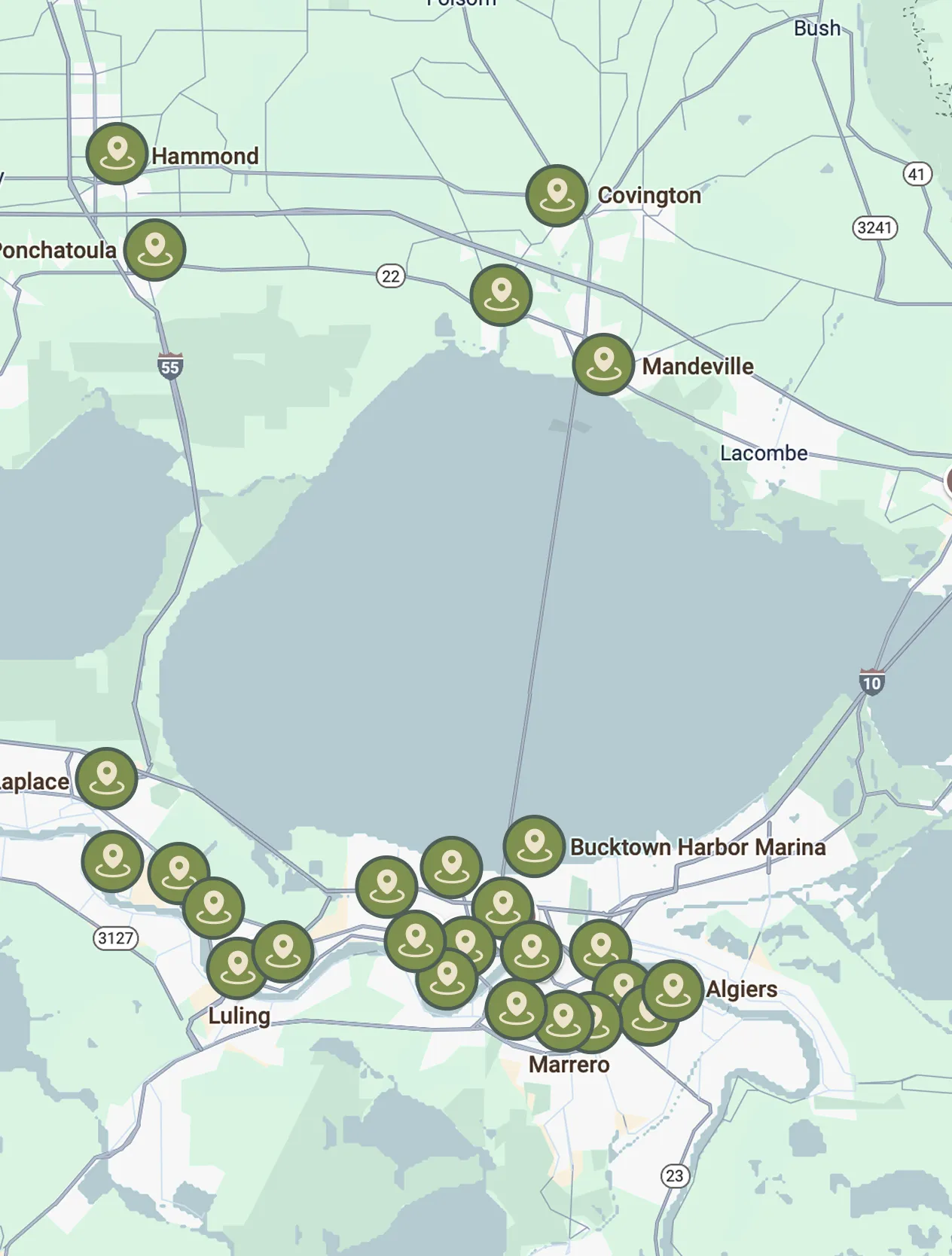
Our service areas are designed to meet the diverse needs of our clients. We focus on providing exceptional service and ensuring customer satisfaction in every location we operate.