Florida Room Heating & Air Conditioning in Gretna, LA
.webp)
A wellconditioned Florida room transforms an underused sunroom or enclosed porch into a comfortable, yearround living space. In Gretna, LA—where hot, humid summers and mild but often damp winters challenge comfort—proper heating and air conditioning, specifically designed for the unique construction and solar exposure of Florida rooms, is essential. Cypress Cooling Company specializes in Florida room HVAC solutions that go beyond a onesizefitsall approach. We combine precise site assessments, detailed heatgain and heatloss calculations, and equipment options that perfectly fit the space and local climate to deliver reliable comfort, improved efficiency, and longlasting performance.
-min.webp)
Florida Room Heating & Air Conditioning in Gretna, LA
A well-conditioned Florida room transforms an underused sunroom or enclosed porch into a year-round living space. In Gretna, LA, where hot, humid summers and mild but sometimes damp winters challenge comfort, proper heating and air conditioning tailored to the unique construction and solar exposure of Florida rooms is essential. Cypress Cooling Company specializes in Florida room HVAC solutions that go beyond a one-size-fits-all approach. We combine precise site assessment, heat gain and heat loss analysis, and equipment options that match the space and local climate to deliver reliable comfort, improved efficiency, and durable performance.
Many homeowners in Gretna face persistent problems with heat buildup, uneven temperatures, high humidity, condensation on windows, and inefficient retrofits that drive up energy bills. This page explains the common issues, the diagnostic and design steps we use, the equipment choices available, insulation and shading strategies, zoning and controls, the installation or retrofit process, expected timelines and warranties, and long-term maintenance recommendations to preserve comfort and efficiency.
Common Florida Room Issues in Gretna, LA
- Excessive solar heat gain during summer, especially on west and south facing glass.
- High humidity and condensation that can promote mold, wood rot, and damage to furnishings.
- Large temperature swings between the Florida room and adjacent living areas.
- Inefficient or oversized systems installed without proper heat load calculations.
- Poor distribution of conditioned air, leaving corners hot or cold.
- Noise and aesthetic concerns when adding outdoor-rated equipment near living spaces.
- Storm and wind considerations during hurricane season that influence equipment placement and protection.
Understanding these issues helps guide the right combination of equipment, insulation, and control strategies for each project.
Site Assessment and Heat Gain / Heat Loss Analysis
A thorough site assessment is the foundation of a lasting Florida room HVAC solution. In Gretna, local climate factors such as high humidity, strong sun angles in summer, and occasional cool fronts in winter are taken into account.
Assessment steps we use include:
- Visual inspection of the room construction: type of glazing, window frame materials, roof assembly, presence of thermal breaks, and connection to the main house.
- Envelope condition check: insulation levels in walls, roof, and any knee walls; presence of air leaks; door seals; and framing details that impact thermal performance.
- Orientation and solar analysis: measuring which walls and windows receive morning and afternoon sun, and assessing cyclical shading from trees or nearby structures in Gretna.
- Ventilation and humidity review: evaluating current ventilation, existing HVAC connections, and any observed moisture issues or condensation.
- Load calculation: performing a detailed heat gain and heat loss analysis based on room geometry, glazing type, shading, insulation, occupancy, lighting, and appliance loads. This calculation determines capacity needs rather than guessing from square footage alone.
The result is a clear performance target that informs equipment selection, ducting or line sizing, insulation upgrades, and control strategy for both comfort and efficiency.
Recommended Equipment Options
Selecting the right equipment for a Florida room requires balancing performance, aesthetics, installation complexity, and cost. In Gretna, where humidity control is as important as temperature, the following options are common and effective.
Ductless mini splits
- Description: Wall-mounted indoor heads connected to an outdoor compressor via refrigerant lines. Multi-zone outdoor units can serve one or several indoor heads.
- Benefits: High efficiency, precise zoning, minimal invasive installation, and quiet operation. Ideal for retrofits or rooms with isolated loads. Modern units include dehumidification features that suit Gretna humidity.
- Considerations: Indoor head placement should avoid direct glare and high window areas. Proper sizing and refrigerant line length limits must be observed to maintain performance.
- Best for: Sunrooms with limited existing ductwork, tight installation windows, and homeowners who want rapid installation with strong humidity control.
Compact packaged units
- Description: Self-contained horizontal or vertical packaged units specifically sized for smaller spaces, typically installed outside on a pad or on the roof with short duct runs.
- Benefits: All-in-one solution that can include both heating and cooling with space savings. Packaged units can be matched to the Florida room if roof or ground placement is acceptable.
- Considerations: Ductwork, even short runs, requires careful design to avoid noise and pressure imbalance. Packaged units may have less flexible zoning than multi-split systems.
- Best for: New construction Florida rooms or additions where a discrete packaged unit can be placed close to the room.
Retrofit duct solutions
- Description: Extending or modifying existing house ductwork to serve the Florida room or adding short-run ductwork from an indoor unit into the space.
- Benefits: Seamless integration with existing HVAC systems, central control, and lower visual impact in some layouts.
- Considerations: Existing systems must have capacity and appropriate airflow. Adding a room can unbalance the system unless reconfigured or augmented with a dedicated fan coil or supplemental unit. In warm, humid Gretna summers, central systems must control humidity adequately to prevent condensation.
- Best for: Florida rooms attached directly to conditioned spaces when the main system has spare capacity and can be properly zoned.
Hybrid approaches
- Combining a dedicated mini-split for precise control with a reconfigured central system for overall balance is common. Hybrid solutions can provide the best humidity control and the most comfortable integration with the rest of the home.
Insulation, Glazing, and Shading Considerations
Mitigating solar heat gain and improving thermal performance reduces equipment size and running costs. In Gretna, where summer sun and humidity are major concerns, envelope improvements pay off quickly.
Insulation and air sealing
- Add or upgrade insulation in the ceiling and any stud walls. Vapor-permeable insulation combined with proper ventilation helps control moisture.
- Seal gaps around windows, doors, and where the Florida room meets the main house. Weatherstripping and foam or caulk at penetrations reduce drafts and moisture ingress.
- Insulate the roof. Many Florida rooms have thin roof assemblies that transmit heat rapidly. Adding a thermal barrier or insulating roof panels reduces peak loads.
Glazing and window treatments
- Consider low-e glass upgrades or retrofitted window films that block infrared and ultraviolet energy while preserving daylight. Low-e coatings can dramatically reduce heat gain without full window replacement.
- Upgrade seals and replace degraded glazing gaskets to prevent air and moisture leaks.
- Use insulated glass units where possible, or install storm-rated glazing if wind and impact resistance are concerns in hurricane season.
Shading and solar control
- Exterior shading, such as awnings, overhangs, or pergolas, is most effective at reducing heat gain. In Gretna, deciduous trees can provide seasonal shade but may not prevent strong afternoon sun.
- Interior shading like cellular shades or thermal curtains improves comfort and reduces cooling loads during peak hours.
- Consider retractable exterior screens or solar shades that preserve views while cutting glare and heat.
Zoning and Thermostat Control Recommendations
Florida rooms often need independent control. Zoning makes the room usable on its own schedule without affecting the rest of the house.
- Dedicated thermostats: Using a dedicated thermostat or control for the Florida room avoids constant conditioning of the whole house. Programmable or multi-stage thermostats tailored to the installed system type help manage runtime.
- Smart controls: Smart thermostats and mini-split controllers provide schedule-based operation, remote management, and integration with humidity sensors. These features allow pre-cooling or pre-heating before use and reduce energy use when the room is unoccupied.
- Humidity-based control: In Gretna, consider controls that respond to humidity as well as temperature. Dehumidification setpoints and integrated ventilation help maintain occupant comfort and protect finishes.
- Multiple indoor heads: For larger or irregularly shaped Florida rooms, use multiple mini-split heads on a single outdoor unit to create zones within the room for even distribution and individualized comfort.
- Airflow balancing: If using retrofit ducts, include balancing dampers and adjustable registers to tune airflow and avoid under-conditioned or over-conditioned spots.
Step-by-Step Installation or Retrofit Process
A predictable, documented installation process minimizes surprises and ensures performance. Typical steps include:
- Planning and measurement
- Perform the heat gain and heat loss calculation, select equipment, and prepare drawings that show unit placement, line routes, and any ductwork or electrical needs.
2. Permitting and code checks
- Verify local Gretna and Jefferson Parish codes, wind load requirements, and any HOA or neighborhood restrictions that affect outdoor unit placement or visible equipment.
3. Pre-install preparation
- Prepare mounting pads or platforms for outdoor units considering elevation and flood concerns. Identify electrical service capacity and upgrade if necessary. Schedule any glazing or insulation work to minimize rework.
4. Equipment installation
- Mount the outdoor unit in a location that provides airflow, avoids direct solar exposure where possible, and meets hurricane wind and code clearances.
- Install indoor heads, ductwork, or packaged unit connections. For mini splits, run refrigerant lines, condensate drains, and control wiring. For ducted retrofits, carefully connect to the supply plenum and install return-air pathways if needed.
5. Insulation and sealing
- Insulate refrigerant lines, ductwork, and any penetrations through the building envelope. Seal around line sets and conduits to prevent air and moisture infiltration.
6. Commissioning
- Evacuate and charge refrigerant systems to manufacturer specifications, test airflow and static pressures for ducted systems, verify thermostat and control operation, and measure temperature differentials.
- Adjust airflow balancing, program thermostats and humidity controls, and show owners how to operate the system for seasonal changes.
7. Final inspection and documentation
- Provide paperwork for warranties, system specifications, and maintenance guidelines. Ensure the installation meets manufacturer requirements for warranty coverage.
Installation timelines
- Simple mini-split installations for small Florida rooms typical take one to two days once the site is prepared.
- Packaged units or ducted retrofits can require two to five days, depending on duct complexity, insulation upgrades, and any electrical upgrades.
- Coordinated projects that include window, roof, or major insulation upgrades may extend timelines as those trades are scheduled.
Warranties and expected coverage
- Equipment warranties vary by manufacturer. Typical compressor and sealed system warranties range from 5 to 10 years, with labor warranty options available from service providers.
- Installation workmanship warranties often cover one to two years, depending on company policy. Cypress Cooling Company emphasizes installation to manufacturer standards to maximize warranty validity and long-term reliability.
Maintenance Tips to Preserve Comfort and Efficiency
Proper maintenance preserves performance and protects warranty coverage. For Florida rooms in Gretna, focus on these priorities:
- Filter care: Change or clean filters every 1 to 3 months depending on use and filter type. Clogged filters reduce airflow and dehumidification capability.
- Coil and drain maintenance: Keep evaporator and condenser coils clean to maintain heat transfer efficiency. Clear condensate drains and check for standing water that can lead to mold or system shutdown.
- Outdoor unit clearance: Maintain 2 to 3 feet of clearance around outdoor units and remove debris, leaves, and lawn clippings that restrict airflow.
- Inspect seals and insulation: Check window and door seals before summer and after storm season. Ensure refrigerant line insulation remains intact to prevent efficiency loss.
- Check control settings seasonally: Adjust thermostat and humidity settings as seasons change. Verify that programmable schedules align with occupancy.
- Annual professional tune-up: Schedule a qualified HVAC technician to check refrigerant charge, electrical connections, motor operation, and overall system performance. Preventive maintenance in spring and fall reduces emergency repairs and improves longevity.
- Storm readiness: Before hurricane season, secure outdoor units, and inspect mountings and electrical connections. Ensure storm shutters or impact protection on glazing do not interfere with mechanical equipment.
Consistent maintenance reduces energy costs, prevents premature equipment failure, and keeps the Florida room comfortable year-round.
Financing and Promotions
Upfront cost considerations often influence the scope of upgrades for Florida rooms. For residents in Gretna, various financing options and seasonal promotions are commonly available to help spread costs while addressing the most impactful improvements first.
- Financing alternatives: Many equipment manufacturers and local HVAC providers partner with finance programs that allow structured payment plans. These plans typically cover equipment purchases and installation and may include flexible terms tailored to homeowner budgets.
- Promotion types: Promotions can include seasonal discounts on equipment, bundled pricing for combined insulation and HVAC upgrades, or deferred interest offers for approved applicants. Promotions are often timed to coincide with pre-summer and pre-winter service windows when demand is lower.
- Prioritization strategy: When budget constraints exist, prioritize envelope improvements and moisture mitigation first, because these reduce ongoing operating costs. Next, address the HVAC equipment selection that aligns with the calculated load. Investing in efficient equipment and proper controls yields measurable energy savings over time.
Why a Tailored Florida Room System Matters in Gretna
A tailored approach designed for local climate and construction details results in better comfort, lower operating costs, and a durable installation that protects your investment. Key benefits include:
- Year-round usability: A correctly sized and controlled system keeps the room comfortable in sweltering summers and cool winter nights.
- Improved indoor air quality: Proper humidity control and ventilation reduce the risk of mold and protect furnishings and finishes.
- Energy efficiency: Accurate load calculations, appropriate equipment selection, and envelope improvements reduce wasted energy and keep utility bills predictable.
- Long-term durability: Quality installation and preventative maintenance reduce breakdowns and extend equipment life, particularly important in humid southern climates.
- Enhanced home value: A comfortable, climate-controlled Florida room adds functional square footage and appeal to potential buyers.
Cypress Cooling Company integrates local Gretna knowledge with industry best practices to ensure the Florida room functions as intended while matching neighborhood aesthetics and regulatory requirements.
FAQ
Q: How do you determine whether a mini-split or a packaged unit is better for my Florida room?
A: We perform a detailed heat gain and heat loss calculation and assess envelope characteristics, access for refrigerant lines, aesthetic preferences, and electrical capacity. Mini-splits are ideal for minimal ductwork and precise zoning, while compact packaged units work well for new builds or when a short duct run is acceptable.
Q: Will adding air conditioning to my Florida room increase humidity problems?
A: Properly sized and commissioned cooling equipment with correct airflow will lower humidity by maintaining proper temperature and running long enough to remove moisture. Undersized or short-cycling units can worsen humidity, so accurate sizing and dehumidification controls are essential.
Q: Can I use the existing HVAC system to condition my Florida room?
A: Sometimes. If the existing system has spare capacity and the duct layout can be balanced, a retrofit may be practical. Often, supplemental solutions such as a dedicated mini-split or a small packaged unit provide better results with less disruption.
Q: How much disruption should I expect during installation?
A: Simple mini-split installs often complete in one to two days with minimal interior disruption. Ducted retrofits and packaged unit installations may require two to five days and involve more interior work. Projects that include insulation or glazing upgrades take longer depending on the scope.
Q: What maintenance is required to keep a Florida room system working well in Gretna?
A: Regular filter changes, annual professional tune-ups, coil and drain cleaning, outdoor unit clearance, and inspection of seals and insulation are key maintenance items. Addressing these reduces energy use and prevents premature failures.
OUR CLIENTS HAVE TO SAY ABOUT US



Service areas
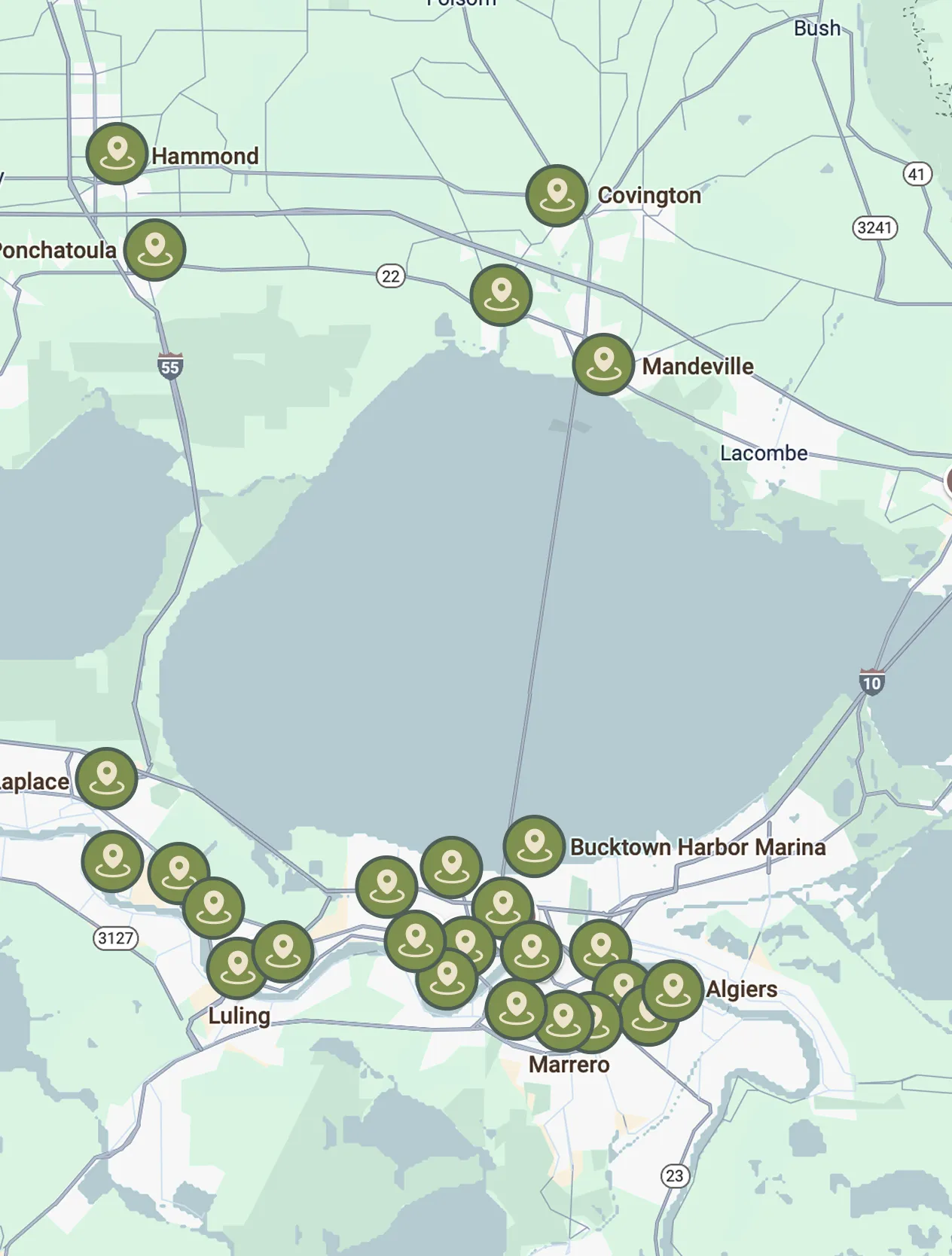
Our service areas are designed to meet the diverse needs of our clients. We focus on providing exceptional service and ensuring customer satisfaction in every location we operate.